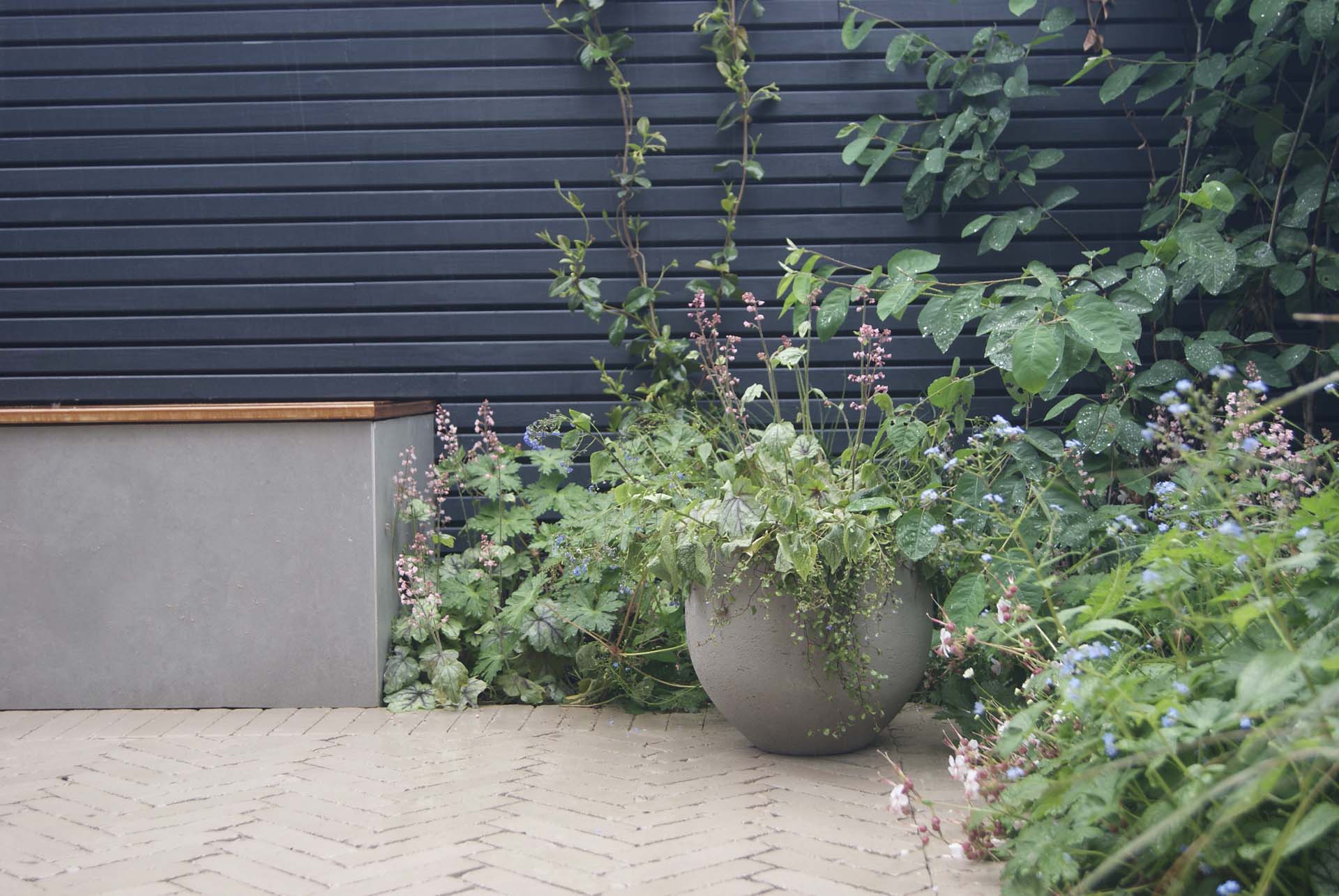
Ways to save money in the garden - season by season
Whatever the time of year we’ve got expert advice on how to make your gardening year creative not costly.
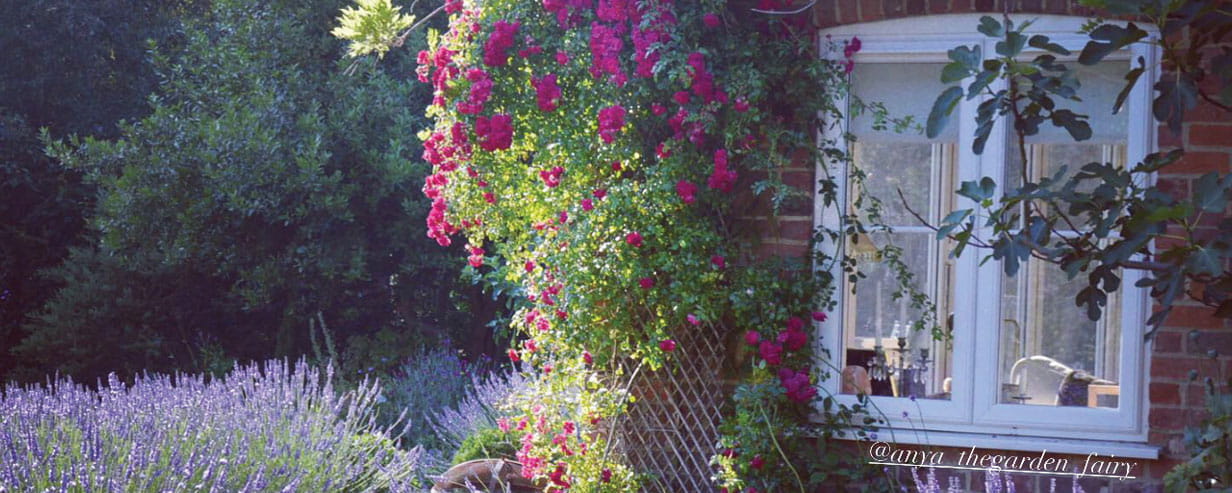
Whatever the time of year we’ve got expert advice on how to make your gardening year creative not costly.
As a new year in the garden beckons us, with tantalising glimpses of snowdrops, new shoots and birdsong, the fun of starting something new can be dampened by the hit to our pocket.
From composts and containers to tools and plants, gardening hasn’t escaped the cost-of-living crisis, as inflation drives prices higher. But for gardener and author Anya Lautenbach there’s no need to put limits on our ambitions – we simply need to channel the old ways of gardening.
“We live in such a privileged world that as soon as we need something we go online and we buy it. But by looking at things we already have, we can make a huge difference – to our spending and to the environment,” she explains, adding: “The more we save, the more we think outside the box, the better for all of us”.
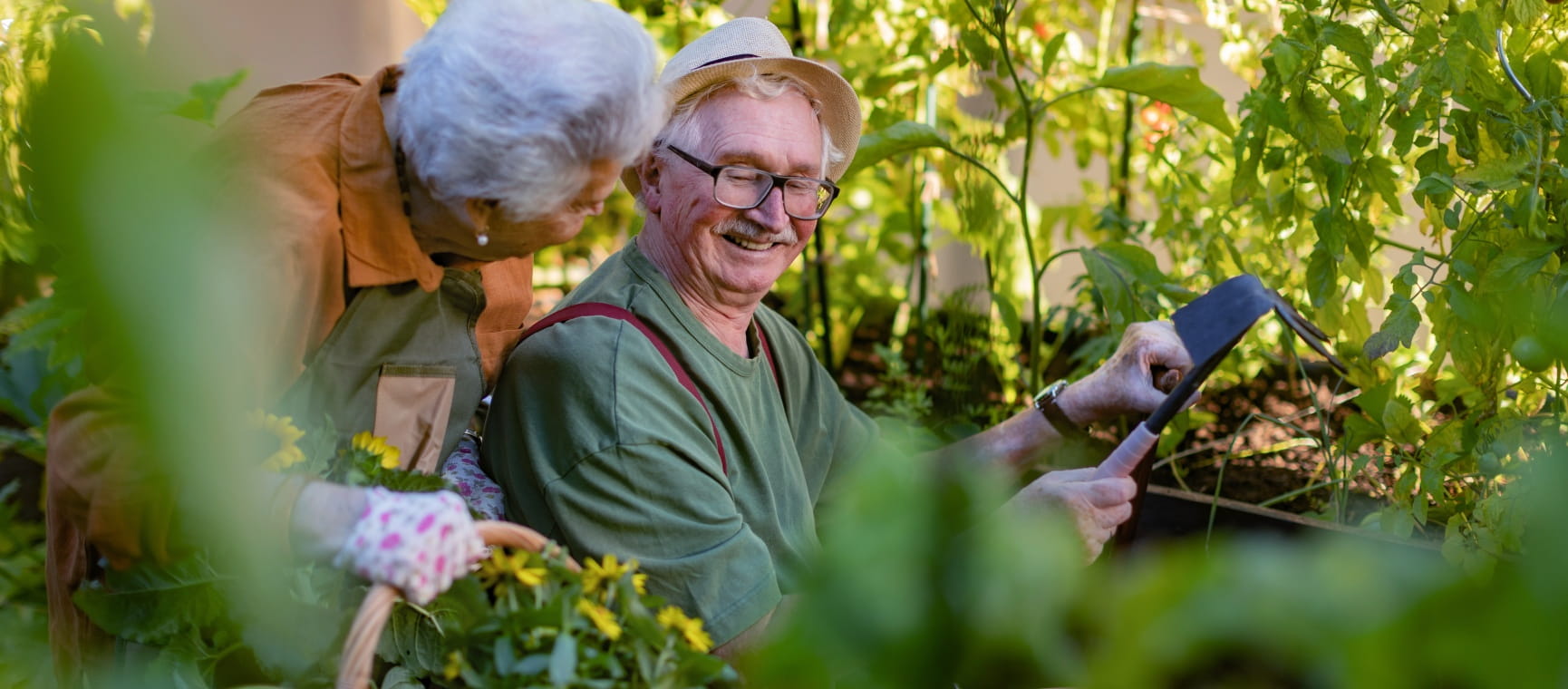
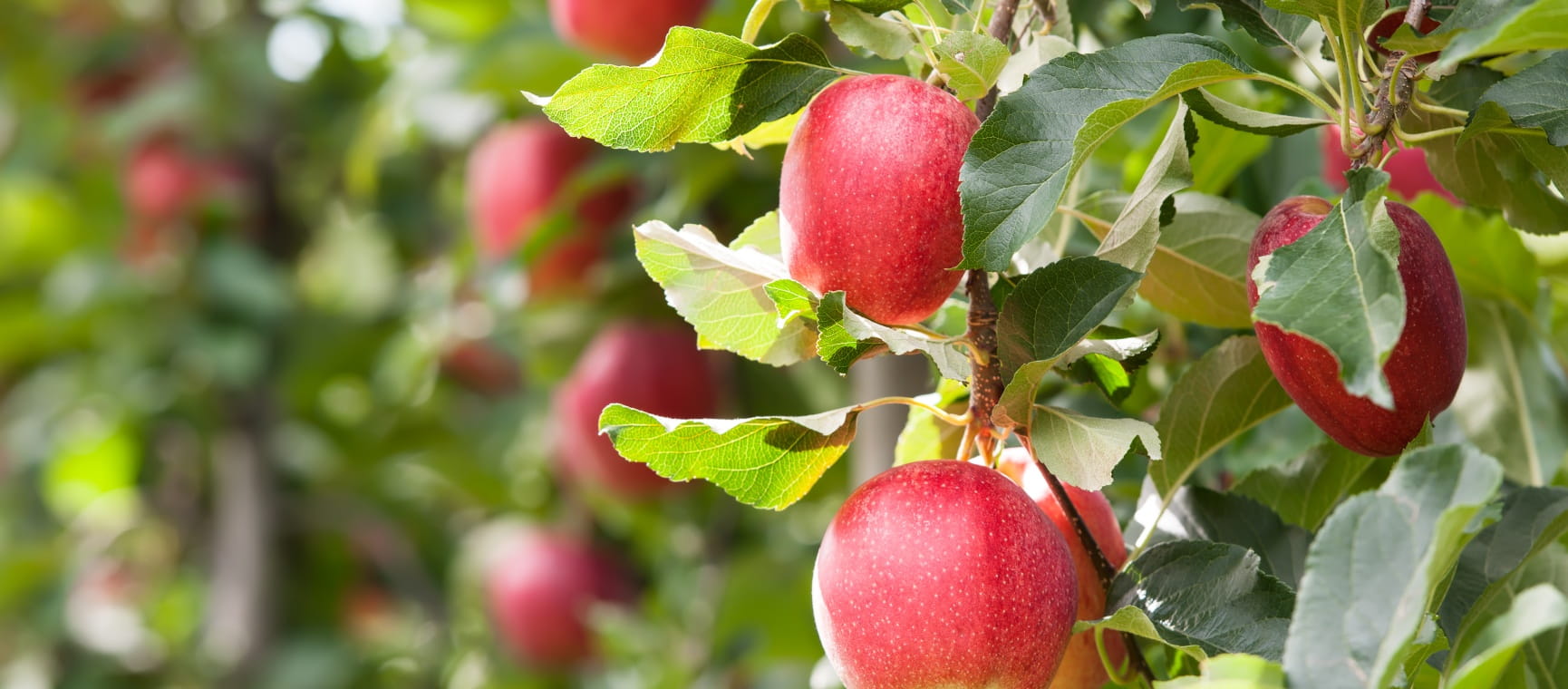
Anya has created a colourful country garden of around half an acre during the past dozen years but has spent no more than £2,000 in that time – with most of that in the first year or two, on 12 fruit trees and bare-root hedging.
The key to her success was choosing the right plants for her conditions and after that, she explains, she simply took her time to think creatively about what was already in the garden.
She soon discovered two key lessons for creating her garden – sourcing pre-owned items, like characterful old pots, gives your garden instant maturity at a fraction of the cost, and that plants grow quicker than you realise.
“The way I garden is how my grandparents gardened – slowly nurturing the space. It’s just thinking differently and not worrying about a lack of time or skills.”
Her biggest inspirations have been family, from her grandparents as she grew up in Poland to her English mother-in-law, who inspired her to propagate not buy plants.
“She showed me that plants just want to grow, from cuttings – and told me ‘Just do it, don’t overthink it!’ And now I’m on a mission to share that knowledge.
“I know anyone can create an amazing garden at a fraction of the cost. You just have to change your mindset – don’t think it’s difficult… it’s not.”

“Every month,” says Anya, “offers opportunities to save money and do things in harmony with nature.”
Follow her seasonal guide to key tasks that create impact on a tiny budget.
Winter is like a propagation festival and there’s still plenty of time to take hardwood cuttings from roses, hydrangeas, viburnum and hedging. From last summer’s growth, cut around 10cm from the stem, below a node.
Placing them into gritty compost around the rim of pots allows you to control the moisture better than in the ground.
Use woody prunings and branches of foliage as plant supports and extra decoration in pots, while waiting for bulbs to come through – and they’ll often root.
Good plants for this include cornus, holly and bay.
Anya relies on perennials for 80% of her pots, using heucheras, hellebores, muehlenbeckia, ivy and carex, instead of annuals.
They’re plants that keep on giving, looking spectacular year after year.
Save pounds on trays of pansies and wallflowers and get the colours you want.
It’s a safe way to keep some cuttings going through colder weather, before potting up in early spring.
Anya does this with fuchsia, catmint and herbs.
Treat pelargoniums, which are easily killed by frost, like dahlias. Knock soil off the roots and plunge them into spent, slightly damp compost.
Repot in fresh compost in spring.
Gather materials to make your own obelisks and plant supports for roses and other shrubs by finding a local coppicing firm online, who’ll supply you with long stems of birch and hazel.
It’s far cheaper than buying ready-made and is such a creative task.

Do it in early spring before they’re overshadowed by bigger plants and pot them up for thousands of plants for free.
Anya has created so much of her garden this way.
It’ll save you a fortune – and they’re no harder than annuals, growing just as fast and well if you put them in the right place.
Salvias or cosmos take equal time and effort to grow but one gives you years of impact while the other disappears.
Spring is the time for softwood cuttings, from the fresh new growth that bursts through at this time.
The cuttings grow away like crazy as everything wants to grow in April and May. Lavender is Anya’s favourite for this.
Keep a look out in early spring for tiny plug plants (2-3cm high) at garden centres or online and snap them up as they’re cheap but not stocked for long.
With warmth and water they’ll catch up with bigger seedlings in 4-6 weeks.
Like many plants in midsummer, it’s easily propagated from semi-ripe cuttings, taken from slightly more mature stems where the tip is still soft but the base is woodier.
Take from a new stem yet to flower, cutting between nodes, trimming off all but the top foliage and placing around the rim of a pot of gritty compost. They root quickly.
Metered water hits us in the pocket, so install water butts everywhere to store it.
Succulents and alpines, erigeron and gaura look spectacular in beds and containers, and mean you draw on less water in the summer when it’s at its most scarce.
Beat autumn frosts by taking cuttings from tender plants you’ll struggle to get through winter.
Top of the list is Salvia ‘Amistad’ – easy to grow but expensive to buy, which can’t tolerate below 0°C.
Once flower heads dry, shake the seeds into envelopes to dry so you don't lose them.
Collect from foxgloves, gaura, hellebores, honesty poppies and achillea.

Bulbs are a huge part of autumn planting – but not all bulbs give you the same outcome and can cost a fortune.
Most tulips don’t repeat flower. But Anya adores Tulipa “Danique”, a species of tulip that’s truly perennial.
Buying ready-to-flower pots of bulbs costs a fortune. So pot up small bulbs, such as Allium sphaerocephalon, to grow over winter before transplanting them into spring and summer containers.
It can be four times cheaper than buying them “in the green”.
Allow leaves to lie where they fall on borders, to mulch naturally, adding nutrition slowly as they break down.
It makes a great home, too, for hibernating insects.
Buy compost in bulk or by the pallet-load to share with friends and family and you’ll get it a lot cheaper and spread the cost.
Reuse compost for propagation as fewer nutrients are needed for cuttings. Anya has done this for years and never had any disease.
Use materials you already have – such as grass clippings, which are abundant, or nettles and comfrey. They’re full of free nutrients.
They don’t smell so good when rotting down in a bucket of water, but Anya prefers it to chemicals. Dilute at a rate of 1 to 10.
Looking for preowned, good-quality terracotta pots in autumn, when most people aren’t interested in big garden items, means you’ll find true treasures.
But don’t spend £100s on a course, just buy a ticket to a big RHS or National Trust garden to learn from the experts on site.
Anya says that she has learned so much by watching highly skilled gardeners and asking questions – it’s the best money spent.
The Money-Saving Gardener: Containers by Anya Lautenbach is out now (DK) RRP £16.99.
(Hero image credit: Anya Lautenbach)
Find out about Saga's Gardening holidays here...
Explore stunning outdoor sanctuaries on Saga’s garden-themed getaways – it doesn't matter if you’re a keen horticulturist or just someone who enjoys colourful blooms.
Saga Home Insurance comes with garden cover included. Find out what’s included and get tips to help secure your garden.
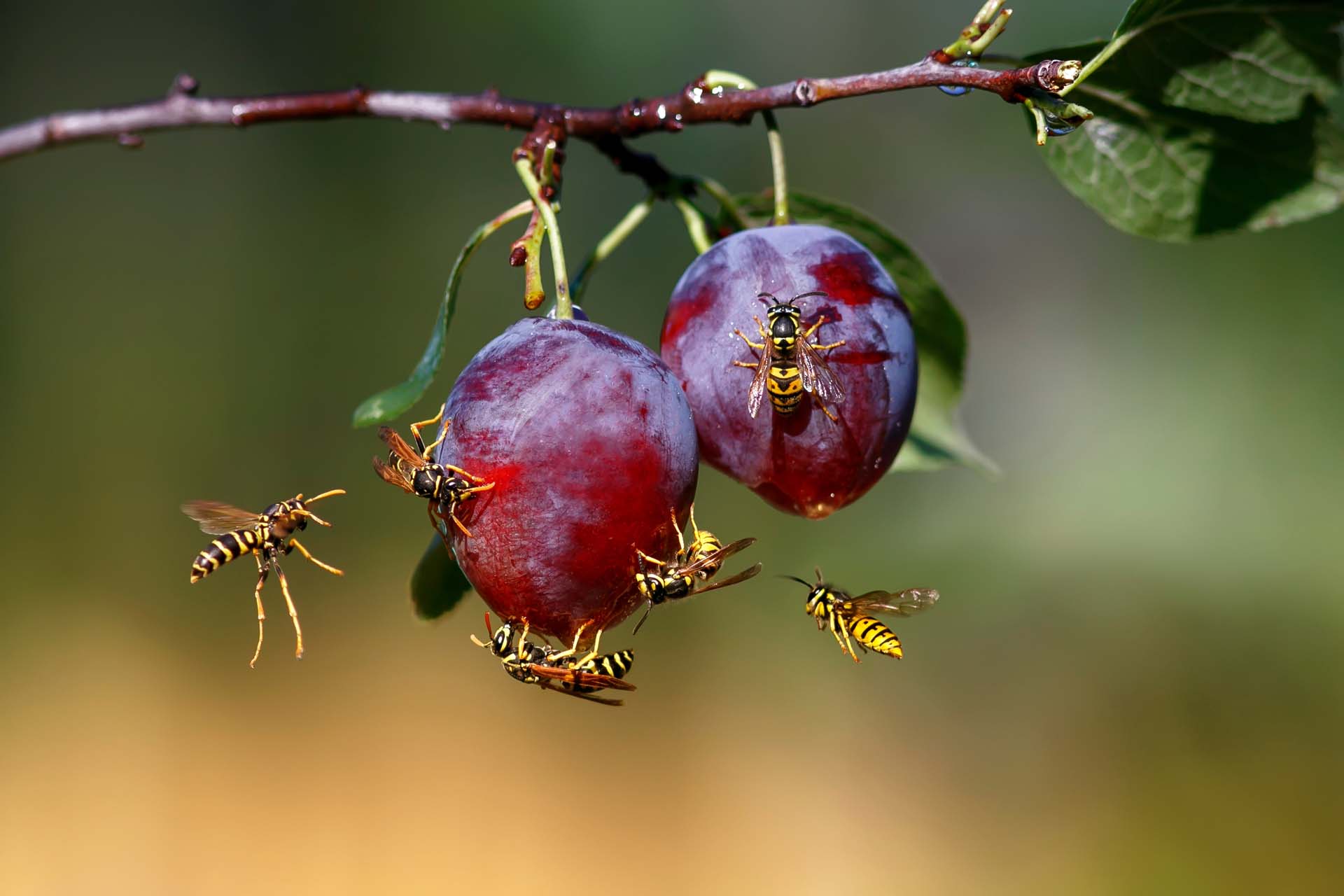
Blighted by buzzing? How to keep wasps out of your garden without harming them so you can enjoy the summer.
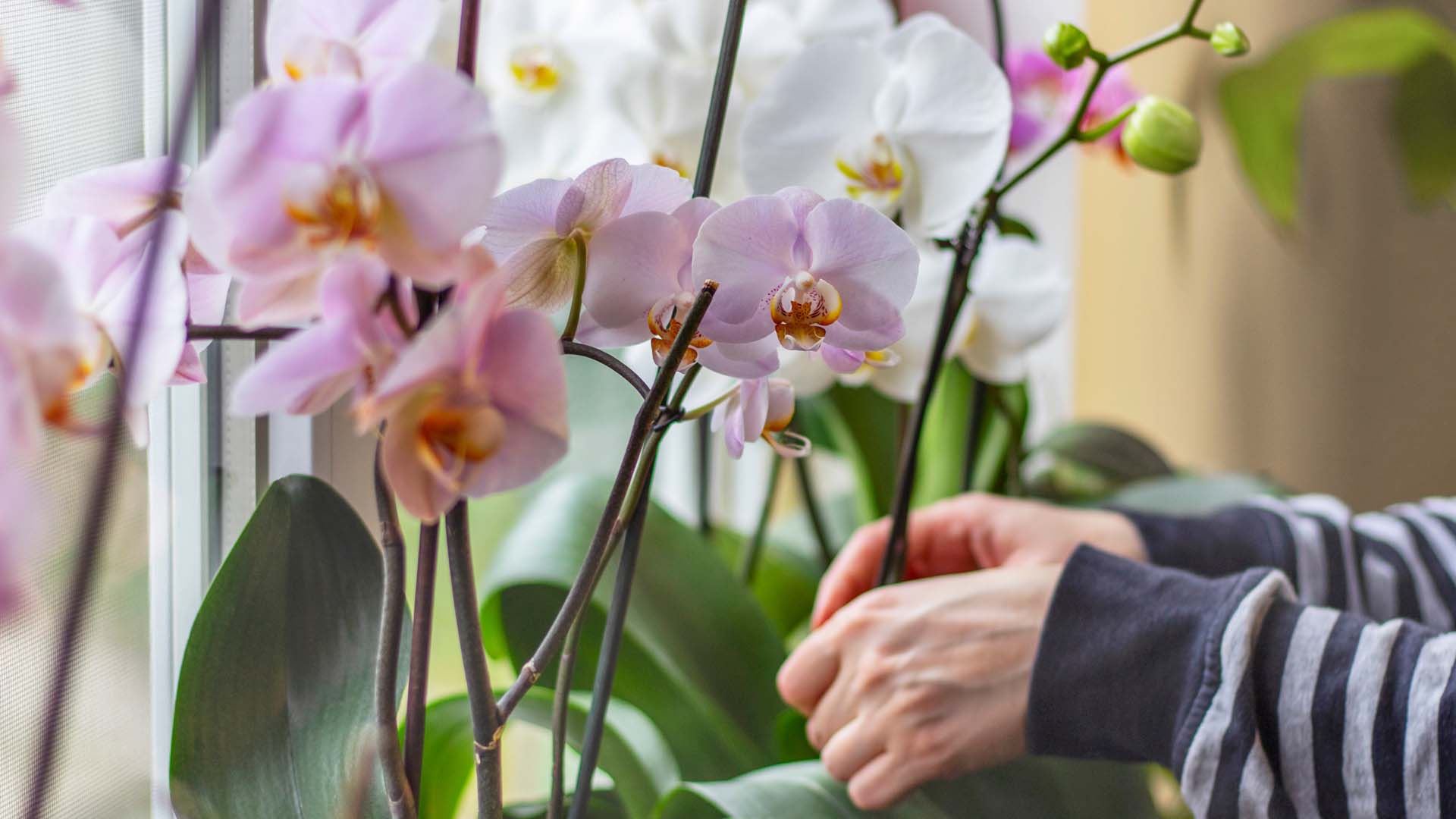
Our expert pruning and watering hacks include a top tip to keep them flowering from Alan Titchmarsh.


Want to know how to get rid of dandelions? Advice on how to tackle them but why they might be worth sparing.