Can what you eat slow ageing? A neuroscientist says yes
Dr David Cox explains the link between our diet and how we age – and reveals what we should and shouldn’t be eating.
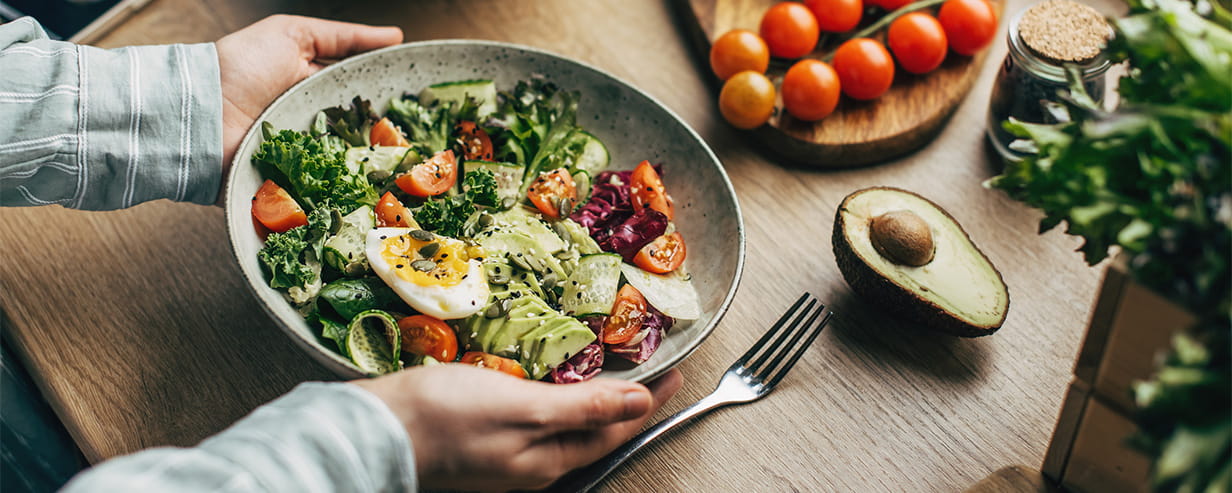
Dr David Cox explains the link between our diet and how we age – and reveals what we should and shouldn’t be eating.
You’re beginning to feel your age – the dull joint aches and stiffness in the morning, and the nagging sense that your cognition might not be quite as sharp as it used to be.
But have you considered that some of this might be being fast-tracked through what you’re eating? That’s the focus of my new book, The Age Code, a two-year investigation into the emerging science on how diet and eating patterns influence the rate at which you’re ageing – and, most importantly of all, what you can do about it.
As a neuroscientist and specialist health and medical journalist, I’m familiar with the sizeable body of science indicating that nutrition plays a vital role in health-span, the years of disease-free healthy life we get to enjoy. But my book research revealed that it’s actually even more imperative to eat well, and to avoid placing unnecessary 'nutritional stress' on our bodies once we pass 60.
It's also never too late to make changes. I spoke with ageing scientists who told me that even in your 80s, you can still make dietary adjustments that can slow ageing and drastically improve your health.
Let’s take a look at a few of the key emerging findings that are important to be aware of.
Your likely life expectancy is heavily determined by the health of your immune system, something we rely on to detect and fight off pathogens, screen for cancers, and remove toxic proteins from our brain.
Between 60 and 80, the immune system starts to decline, making us exponentially more vulnerable to disease and death. Yet some people are able to delay this process by many years or decades, and researchers at the University of Birmingham are beginning to uncover why.
A key factor that appears to make a major difference is the balance of saturated fat in your diet, compared to dietary fibre and omega-3s. When we consume saturated fat – typically through red meat, pastries and many ultra-processed foods – it’s broken down into inflammatory substances in our gut called ceramides.
The scientists at Birmingham have shown that an excess of ceramides can reprogram immune cells to a more inflammatory state, making them less capable of doing their job. But our gut can cope with a certain amount of ceramides as long as they’re being balanced out by short-chain fatty acids and resolvins, which we obtain through digesting oily fish and fibre.
They help to retune the immune system and dampen down inflammation, preventing immune ageing.
Find out more about how omega-3 can help slow ageing.

Vitamin K has rarely received the attention it deserves, unlike vitamins C and D, but it features regularly at some of the world’s leading ageing conferences. The reason is that this potent micronutrient – which occurs in two main forms, vitamin K1 and vitamin K2 – is used to activate numerous proteins throughout the body that are involved in everything from bone and immune health to brain function.
Most importantly of all, getting sufficient vitamin K in your diet – which you can do through consuming leafy greens such as spinach and kale, eggs, and fermented dairy products such as Greek yogurt, kefir and hard cheeses – can stave off both heart and kidney disease.
This is because vitamin K activates proteins that ensure calcium is directed towards the bones, where it’s needed, preventing it from settling in the blood vessels and causing calcification, something that ultimately impairs circulation.
Consuming fermented dairy is also a good way of maintaining immune health, because the microbes present in fermented foods are beneficial to the immune system and help it self-regulate. This is illustrated by the remarkable story of Spanish supercentenarian Maria Branyas Morera, who lived until the age of 117. Morera consumed a high amount of fermented foods, including three portions of Greek yogurt every day, and when scientists analysed her gut microbiome – a key indicator of immune age – it reflected the health of a person decades younger.
Many ageing scientists recommend that everyone over 50 should take a vitamin B12 supplement. This is because vitamin B12 deficiencies, which can actively accelerate the shrinkage and deterioration of various brain regions, are now thought to be an under-recognised driver of at least a proportion of cases of cognitive decline.
While you can get B12 in your diet through consuming organ meats, salmon and beef, taking a supplement is thought to be a good precaution as B12 deficiencies are also driven by gut ageing.
Some of our B12 needs are synthesised directly by gut bacteria, and by the age of 70 around a fifth of people are thought to have lost the necessary microbes needed to generate this vitamin.

As well as inhibiting immune ageing, omega-3s have been found to play a crucial role in preventing the onset of physical frailty. One of the reasons we lose the ability to get out of a chair and become less resilient past the age of 60 is because of a condition called anabolic resistance, where the body loses the ability to use protein to create and replace new muscle fibres as efficiently as it once did.
However, ageing scientists have discovered that omega-3s can prevent and even reverse the development of anabolic resistance. Research is indicating that the optimal dose to take is one gram per day, which you can get either through a supplement or by consuming either mackerel once a week or two to three fillets of salmon per week.
You’ve probably never heard of klotho, but this hormone has become known as the master regulator of ageing, because it’s involved in so many functions around the body, from maintaining muscle tissue to ensuring that our cells keep generating the energy we need to survive.
From our mid-20s onwards, the levels of klotho progressively wane and decline until we die. However, ageing scientists now believe that we can maintain higher levels of klotho for longer by consuming astaxanthin, a plant chemical that is particularly concentrated in seaweed, a common dietary component in many island cultures around the world.
Scientists who have studied the diets of long-living people in Hawaii have noticed that they are getting a particularly high intake of astaxanthin in their diets, something they now believe could be helping them slow ageing and keep their organs healthier for longer.

The Age Code by David Cox (Fourth Estate, RRP £22), is published on 23 April and is available to pre-order.
(Hero image credit: GettyImages)


Buy direct and start a new Saga Health Insurance policy by the end of 10 December 2026 to get your first 3 months free. T&Cs apply.
Underwritten by Bupa Insurance Limited.

Find out about Saga's gastronomy holidays here...
They say the way to the heart is through the stomach, and Saga’s thoughtfully crafted food and wine holidays are perfect if you like trying new flavours and exploring traditional methods of cooking.

Are you retiring at the wrong age? The best age to retire for your body, brain, happiness and pocket.


Everything you need to know about the lung infection, and how you could be ill with “walking” pneumonia without realising it.

Strong calves for a strong mind: how they support our circulation and brain health, with easy moves to strengthen yours at home.


Our GP Dr Mark Porter explains what can cause itchy skin, which is a common problem as we get older.

Worried you’ve morphed into Victor Meldrew? Find out how to battle that bad mood, and what to do if you’re stuck with a grouchy loved one.

The benefits of heat and cold therapy, and how Nordic bathing won over our nervous writer.

From breathlessness to swollen ankles, a cardiologist explains the warning signs to look out for.


Everything you’re entitled to this year, when you can have it, and the gaps that remain.

Pilates for back pain – what to do if you are suffering, and five gentle exercises that could help.
Dizziness or vertigo: a sensation of spinning, can stop us doing everyday things for fear of falling. Try these tips to stop feeling dizzy


You don’t have to put up with bladder leaks. We try out the latest pelvic floor gadgets for men and women.

Cataracts are a normal part of ageing. Learn how to spot the signs – and when it’s time to consider surgery.