How I cured 14 years of back pain
After a seemingly trivial accident, Elizabeth was in chronic pain for more than a decade – until she discovered a solution that really worked.

After a seemingly trivial accident, Elizabeth was in chronic pain for more than a decade – until she discovered a solution that really worked.
I was out for an evening walk with my husband in the glorious Gloucestershire countryside in summer 2005. As I climbed over a stile – an action I had performed hundreds of times before – it collapsed under me, and my right leg skidded off, shearing away to the ground on the far side.
Nothing hurt at the time, but the next morning I couldn’t walk. I didn’t know it then but my life, at the age of 55, had changed forever.
I had severe pain in my groin, which persisted despite physiotherapy, dozens of exercises, ice and heat applied several times a day, and painkillers seemingly taken by the handful.
After a fortnight, pain also came on in my lower back, where it stayed for the next 14 years. I had dozens of treatments including steroid injections, more physio, chiropractic, acupuncture, massage and all kinds of bodywork. They all worked – for a while. Nothing lasted.
I bought various aids that were supposed to ameliorate symptoms and didn’t, I attended a pain-management course and spent hours on the internet trying to find answers.
My back pain persisted, though I hadn’t injured my back. And – here was something strange! – as soon as one part of me was 'fixed', pain came on in other areas such as my left knee, left shoulder and thighs, none of which I had damaged.
My body also often felt 'tight' all over. I saw more professionals and spent more money, to no avail. I was depressed and frightened – what on earth was the matter with me?
Then, in July 2019, I read a newspaper article about the role of the brain in pain, and how it can change physically to produce 'central sensitisation', where the nervous system goes into overdrive and previously normal sensations generate intense pain.
The author had cured her pain using methods developed by the American doctor John Sarno, a pioneer of mindbody medicine.
Dr Sarno theorised that back pain was caused by tension and stress. If one was living with stress, or even had unresolved historical stress, something – in my case, falling over a stile – could trigger the brain to develop pain pathways that could then become conditioned in the body. This really resonated with me, as I'd been living with a good deal of stress at the time of my fall.
In his book Healing Back Pain, Dr Sarno encouraged readers to think psychologically to ameliorate their symptoms, rather than about structural problems such as disc herniation (which can exist in people with no back pain).
In order to implement what I had learnt, I bought and studied the books of more recent professionals in mindbody healing. These included:
But perhaps the most significant resource for me was Curable.
From these sources, I learned that the brain is much more neuroplastic than was earlier thought, and that it is possible to retrain one’s neural pathways to 'unlearn' pain (although it must be stressed that one’s pain is very real and is not 'all in your head').

Firstly, I learned to journal – to pour out onto paper all my stress and repressed anger, getting in touch with my inner child – therapy without the therapist, perhaps.
The Curable app’s first prescribed expressive writing exercise was a stress assessment in which I had to make three lists of possible stressful events in my life: one from childhood, one from adulthood and one from self-imposed pressures. Other exercises included expressive writing for past relationships, for sibling, maternal and paternal relationships, and a 'letter' to my childhood self.
It's not easy as it brings up all kinds of uncomfortable emotions, but it's wonderfully freeing. Writing is important, says Dr David Clarke, because the more you put your repressed emotions into words, the less they need to go into the body, and that’s what can relieve symptoms.
As an antidote to dealing with difficult emotions, I began to keep a gratitude diary. My intention – which I did not always live up to – was to write every evening about three things for which I felt grateful that day.
When gratitude is truly felt, it really does have a brain-calming effect and has been shown to unlock one’s 'inner pharmacy'.
I also learned brain training exercises designed to reprogramme the way the brain and nervous system respond to pain. These included word swapping, in which I simply had to switch the word 'pain' for something else. Also, if instead of saying, "My back really hurts,” I said, “My back is less comfortable than I would like,” the brain would be soothed just by saying the word 'comfortable'.
And then there’s the idea of replacing the p-word with something really stupid like 'bananas', which made me giggle instead of tensing up – and laughter goes a long way.
I practised visualisations such as imagining an 'off' switch in the brain, or graded motor imagery, which means imagining performing an activity that gives you pain – such as getting out of bed – in a safe way, before actually doing it.
I learned the brain-calming effect of various aphorisms, such as simply repeating "I am safe" over and over to myself, and I practised mindfulness meditation, another soothing technique.
The goal of all this work is to retrain and calm the brain so that it no longer sends pain signals – and it works. Some might be sceptical about these activities, but I was not. In any case, when you have severe, persistent pain, you will try anything.
It's not easy, but the great thing is that this work can be done by oneself – without injections, treatments, exercises or medication. I had to work at it and had setbacks to overcome.
But I had enough success after three months to know that I was on the right path, and after many more months, my back pain and other symptoms subsided. Seven years on, I am now 75 and still pain-free. I walk for miles, do gardening and play with my grandchildren without giving a thought to the need to 'protect' my back. Pain has gone and so has the fear of pain.
[Hero image credit: Getty Images]
by Patsy Westcott
More on chronic pain and to discover tools to help.

Some Saga holidays include soothing or spiritual activities like joining a traditional tea ceremony in Japan, practising yoga in India or bathing in Iceland’s Blue Lagoon.

Buy direct and start a new Saga Health Insurance policy by the end of 10 December 2026 to get your first 3 months free. T&Cs apply.
Underwritten by Bupa Insurance Limited.

Are you retiring at the wrong age? The best age to retire for your body, brain, happiness and pocket.


Everything you need to know about the lung infection, and how you could be ill with “walking” pneumonia without realising it.
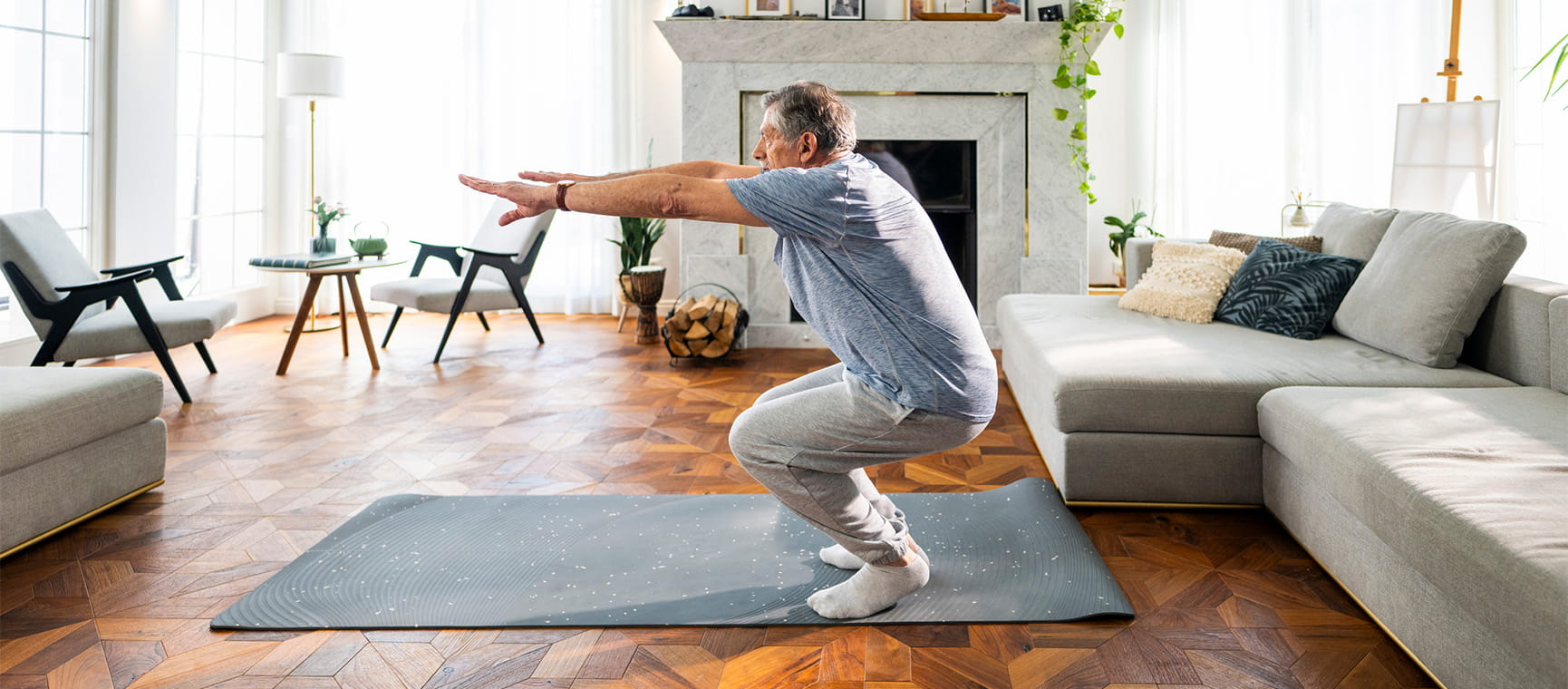
Strong calves for a strong mind: how they support our circulation and brain health, with easy moves to strengthen yours at home.


Our GP Dr Mark Porter explains what can cause itchy skin, which is a common problem as we get older.

Worried you’ve morphed into Victor Meldrew? Find out how to battle that bad mood, and what to do if you’re stuck with a grouchy loved one.

The benefits of heat and cold therapy, and how Nordic bathing won over our nervous writer.

Here’s how to spot the symptoms of heat disease and reduce your danger.


Everything you’re entitled to this year, when you can have it, and the gaps that remain.

Pilates for back pain – what to do if you are suffering, and five gentle exercises that could help.
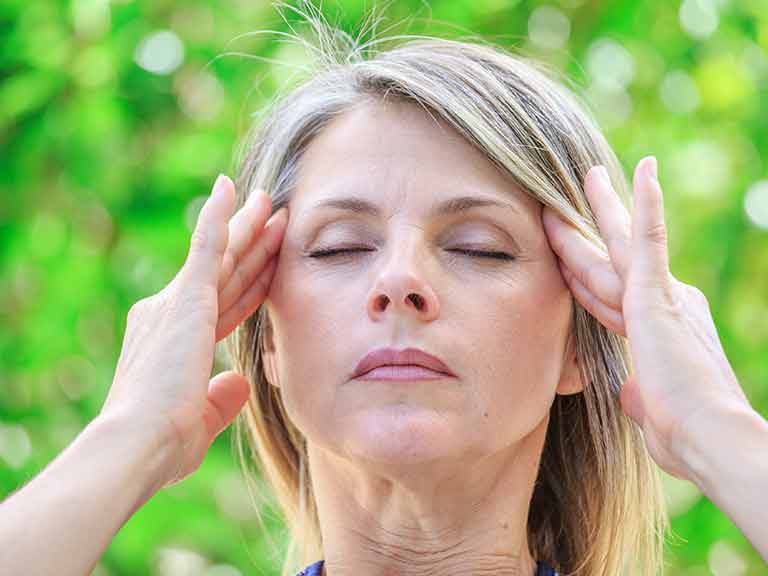
Dizziness or vertigo: a sensation of spinning, can stop us doing everyday things for fear of falling. Try these tips to stop feeling dizzy


You don’t have to put up with bladder leaks. We try out the latest pelvic floor gadgets for men and women.

Cataracts are a normal part of ageing. Learn how to spot the signs – and when it’s time to consider surgery.