9 lifestyle changes that may cut your risk of Parkinson’s
With cases of Parkinson’s on the increase, can you do anything to reduce your risk? Or slow the progressive brain condition down if you already have it?
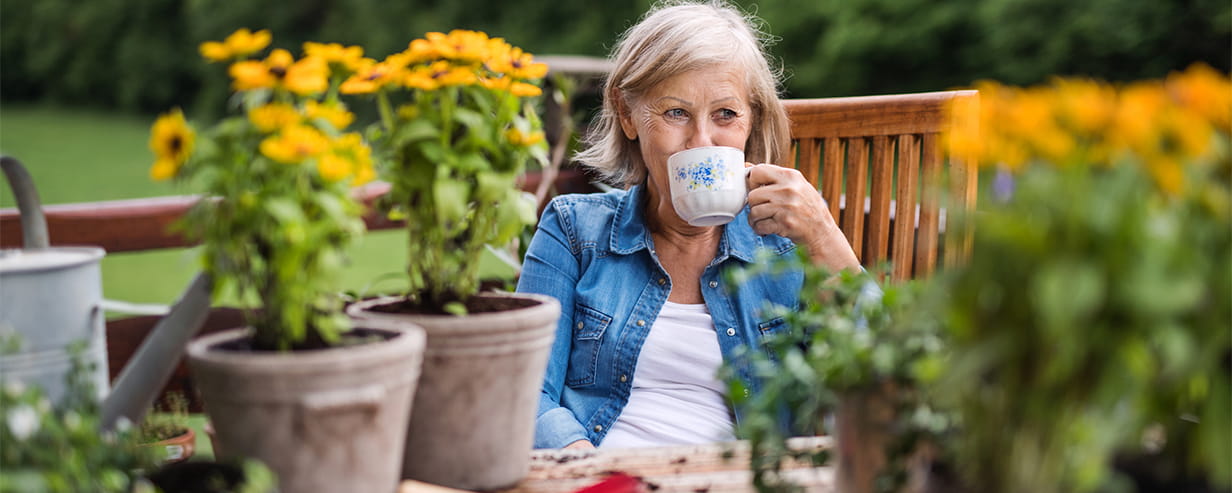
With cases of Parkinson’s on the increase, can you do anything to reduce your risk? Or slow the progressive brain condition down if you already have it?
Parkinson’s is the world’s fastest-growing neurodegenerative condition, with cases predicted to double by 2050, according to one global study.
There are currently 166,000 people in the UK estimated to be living with Parkinsons according to the charity Parkinson’s UK, a number that is predicted to rise to 173,000 by 2030.
The condition means the brain can’t make enough dopamine – a chemical needed in movement – and causes around 40 symptoms including tremor, muscle stiffness and slow movement.
The cause is unknown, but getting older is regarded as the biggest risk factor. A small number of cases have a genetic element (around 15%), but most people don’t have a family history.
In a new book The Parkinson’s Plan: A New Path to Prevention and Treatment (RRP £25.00, PublicAffairs), US doctors Ray Dorsey and Michael S Okun argue that the dramatic increase – with cases doubling to 11.8 million globally in a six-year period – can’t be explained by increasing longevity alone.

The authors describe the trend as the Parkinson’s pandemic, arguing that the increase in cases may also being fueled by environmental factors such as pesticides in food, and industrial solvents in water and air pollution – although not all experts agree there is enough evidence on this yet.
Elsewhere studies have confirmed an increase in numbers that can’t be explained by people simply living longer.
Dr Bal Athwal, consultant neurologist at HCA Healthcare UK’s The Wellington Hospital, agrees that while an ageing population and longevity are the most likely explanations for why cases are on the increase, they probably aren’t the whole story, and data backs this up.
“The increase could be caused by some sort of environmental toxin, or indeed an accumulation of toxins,” says Dr Athwal.
“But the evidence for a link between Parkinson’s and pesticides in foods, air pollution and industrial solvents are just associations at the moment. It takes a long time for evidence of causation to be established.”
Dr Becky Jones, research communications manager at the charity Parkinson’s UK, says: “There are more and more studies coming out that back up some of the claims that Parkinson’s is associated with air pollution and pesticides for instance, but at the moment we’re not in a position to say this is definite.”
With these caveats in mind, here are our expert tips on the lifestyle changes that may reduce your risk of developing Parkinson’s or help slow down progression of the symptoms if you already have it.
One US study which followed 213,701 participants, found that people doing more than seven hours a week of moderate vigorous activity at age 35 to 39 or in the past 10 years had up to a 40% lower risk of developing Parkinson’s in later life, compared with those who did no exercise.

“Being active has other benefits apart from those related to Parkinson’s anyway, but we are now beginning to see these studies come through that show exercise may be protective or delay onset of Parkinson’s,” says Dr Jones.
“There’s a study in the Netherlands which we are partly funding that is looking at people who are at higher risk of Parkinson’s and seeing whether doing more exercise on an exercise bike, or increasing their number of daily steps could, in the long term, delay onset of Parkinson’s symptoms.”
Dr Jones said there is also a small amount of evidence to show that very high levels of activity might help reduce, or stop the symptoms of Parkinson’s progressing so quickly, but even moderate levels of exercise can go a long way to help people live well with the condition.
“Researchers talk about the benefits of ‘exercise snacking’ for people with Parkinson’s symptoms, which could be something small like standing up to do the washing up or pottering in the garden, depending on what your baseline of activity is,” says Dr Jones.
“You don’t have to do a parkrun every week (although that’s great if you can), you can do chair-based exercises. It’s about doing something that is manageable and will push you a little bit.”
A study from the UK Biobank published in the journal Nature last year found that low daily step counts may also be an early sign of Parkinson’s.
Eating a Mediterranean-style diet with high levels of vegetables, legumes, fruits, whole grains, nuts, dairy products, seafood, fish and poultry, and a low intake of red meat, has established health benefits including protecting against heart disease, cancer and neurodegenerative diseases.

A 2024 review of 12 research studies found an association between high adherence to a Mediterranean diet and a 25% lower risk of developing Parkinson’s. The authors said this was down to the diet’s anti-inflammatory effects, improved gut microbiota, and improved mitochondria (the powerhouse of cells) function.
“This is one of the lifestyle factors that has the strongest evidence base,” says Dr Jones.
“Recent research that followed women over 25 years found that in women under 70, who had followed a MIND diet (similar to the Med diet but with higher levels of berries and leafy greens), were less likely to have Parkinson’s than those that didn’t.
“After 70 there wasn’t much of a difference, but it suggests that following the MIND diet could delay onset of symptoms perhaps.”
“There is accumulating evidence beginning to emerge of sleep playing a role in quite a lot of neurodegenerative diseases,” says Dr Athwal.
“I don’t think there is any concrete evidence from studies on Parkinson’s disease specifically yet, but I wouldn’t be surprised if there is an association.
“There is a lot of interest at the moment in the glymphatic system which is thought to clear toxins out of the brain at night – although we don’t know this for sure yet.
“Aiming to get 7 to 9 hours of sleep a night would seem sensible. I think getting enough sleep is very important for long term brain health.”
Dr Jones says that the brain’s glymphatic system is like “putting on the dishwasher at night”.
“One of the things we know about Parkinson’s is that is very strongly associated with a buildup of a protein called alpha-synuclein which we all have, but in Parkinson’s it goes wrong and starts to form these big sticky clumps that damage cells in the brain. The glymphatic system is believed to clear these proteins at night while we sleep.”
Head injuries including traumatic brain injury increase your risk of Parkinson’s.

Results published in a review in 2023 suggested that traumatic brain injury is a major risk factor for developing Parkinson’s in later life.
“Wear a helmet for cycling or any sport which is high risk for head injury,” says Dr Jones.
Drinking caffeinated drinks such as tea and coffee is associated with a reduced risk of developing Parkinson’s, according to multiple studies. One study of 197 men and 120 women, with average ages of 71 and 69 respectively, found a markedly lower incidence of developing Parkinson’s over an eight-year follow-up period in those with a higher intake of caffeine.
“It’s not possible to specify how many cups a day you should have, but a moderate and not excessive amount of caffeine is thought to be potentially beneficial, just don’t drink crazy amounts,” says Dr Jones.
Pesticides used on crops have been associated with an increased risk of Parkinson’s, but this is not proven.
An Imperial College and University of Pittsburgh study on rats, published in Nature, found that the pesticide rotenone (banned in the UK and Europe but still used to control fish populations in the US and Canada) triggered lasting changes to gene activity in the area of the brain most affected in Parkinson’s.
The authors suggested that the toxins may prime the brain for disease further down the line.
Other pesticides including paraquat, which has been banned in the UK since 2007, although still manufactured and exported, as well as organochlorine and organophosphates, have also raised concerns.
Parkinson’s UK’s advice is that’s there’s no evidence to suggest very low levels of exposure to pesticide increases risk of Parkinson’s and there’s no need to worry about using weed killer occasionally in your garden or eating non-organic food.
The charity states: “While there is no concrete link at the moment between pesticides on the food we eat and development of Parkinson’s, research in other areas would suggest washing fruit and veg before you eat them, or wearing gloves while gardening, are both generally good practice.”
A review of studies on a possible link between air pollution and Parkinson’s concluded air pollution is emerging as an important risk factor for Parkinson’s and may account for a significant percentage of cases worldwide.

The authors said that there were three possible mechanisms for this: direct toxicity to nerve cells, inducing inflammation, and changing the gut microbiome (gut bacteria).
“We don’t have enough research specific to Parkinson’s, to understand what effect air pollution might be having on development of the condition, but research in general suggests you wind up your car window when stuck in traffic to avoid breathing in fumes,” says Dr Jones.
Industrial solvents such as trichloroethylene (TCE), which is used to degrease metal parts, dry clean clothes and decaffeinate coffee, was first linked to a possible higher risk of developing Parkinson’s as long ago as 1969.
One small study of twins (based on population records) found that occupational or hobby exposure to TCE increased the likelihood of developing Parkinson’s by 500%.
Personal Protective Equipment such as long sleeves, trousers, goggles, and respirator masks can protect farmers, landscapers, pesticide applicators, and those who work with industrial chemicals.
The Health and Safety Executive produce information on safety for agricultural workers.
Some studies have shown that having type 2 diabetes may increase the risk of developing Parkinson’s by 31%. Experts have suggested diabetes may contribute to Parkinson’s by causing oxidative stress caused by free radicals, by-products of cell reactions.
“Research suggests a link between diabetes and a higher risk of Parkinson’s, but we don’t understand enough about it yet,” says Dr Jones.
“Try to avoid getting type 2 diabetes by sticking to a healthy diet and weight, and if you do have it, manage your blood sugar levels.”
Hero image credit: GettyImages


Buy direct and start a new Saga Health Insurance policy by the end of 10 December 2026 to get your first 3 months free. T&Cs apply.
Underwritten by Bupa Insurance Limited.
Find out about Saga’s walking holidays here…
Saga’s walking holidays are perfect for exploring Europe’s stunning destinations on foot. They’re suitable for all fitness levels and offer a well-balanced mix of guided walks and relaxation.

Are you retiring at the wrong age? The best age to retire for your body, brain, happiness and pocket.


Everything you need to know about the lung infection, and how you could be ill with “walking” pneumonia without realising it.
Strong calves for a strong mind: how they support our circulation and brain health, with easy moves to strengthen yours at home.

Our GP Dr Mark Porter explains what can cause itchy skin, which is a common problem as we get older.

Worried you’ve morphed into Victor Meldrew? Find out how to battle that bad mood, and what to do if you’re stuck with a grouchy loved one.

The benefits of heat and cold therapy, and how Nordic bathing won over our nervous writer.

From breathlessness to swollen ankles, a cardiologist explains the warning signs to look out for.

Everything you’re entitled to this year, when you can have it, and the gaps that remain.

Pilates for back pain – what to do if you are suffering, and five gentle exercises that could help.
Dizziness or vertigo: a sensation of spinning, can stop us doing everyday things for fear of falling. Try these tips to stop feeling dizzy

You don’t have to put up with bladder leaks. We try out the latest pelvic floor gadgets for men and women.

Cataracts are a normal part of ageing. Learn how to spot the signs – and when it’s time to consider surgery.