The foods you should “never” reheat – and why the rules aren’t as strict as you think
From rice to roast chicken, there’s a lot of confusing advice about leftover food. We asked the experts to separate fact from fiction.
In an age when we’re all trying to reduce food waste and make our budgets stretch further, leftovers have become kitchen heroes. But alongside this thriftiness comes a nagging worry: is it actually safe to reheat that chicken curry from Tuesday? What about yesterday’s rice? And didn’t someone once say you should never reheat potatoes?
The internet is awash with warnings about “dangerous” foods, but the reality is far less alarming and, thankfully, far more straightforward than you might think.
“Any food can cause food poisoning,” explains Gwawr James, a registered dietitian and spokesperson for the British Dietetic Association.
“Foods such as rice, chicken and eggs are safe, nutritious foods to eat in the UK. However, they are considered higher risk if they are not stored, prepared, cooked or reheated correctly.”
In other words, it’s not the foods themselves that are the problem, it’s how we handle them. Understanding a few simple principles means you can confidently enjoy your leftovers without the worry.
With that in mind, these are the foods that experts say you need to pay extra care with when reheating.
Rice often tops the list of “foods you should never reheat”, but this reputation is somewhat unfair. The real issue isn’t the reheating itself, it’s what happens between cooking and storing.
“Uncooked rice can contain spores of a bacterium called Bacillus cereus,” explains Narriman Looch, Head of Food Hygiene at the Food Standards Agency (FSA).
“If rice is cooled slowly or kept at room temperature, these spores can grow and produce toxins that aren’t destroyed by reheating.”
The solution? Cool your cooked rice quickly – ideally within an hour – and pop it in the fridge. Spreading it on a large plate or dividing it into smaller portions helps it cool faster. Once chilled, rice can be reheated safely as long as it’s steaming hot throughout. The FSA recommends eating leftover rice within 24 hours rather than the two days allowed for other leftovers.
One extra consideration: takeaway rice needs special care. Some restaurants pre-cook their rice and reheat it before serving, which means it may have already been through one heating cycle.
“Ideally, takeaway rice should be eaten shortly after purchase or shortly after it has been delivered,” advises Looch.
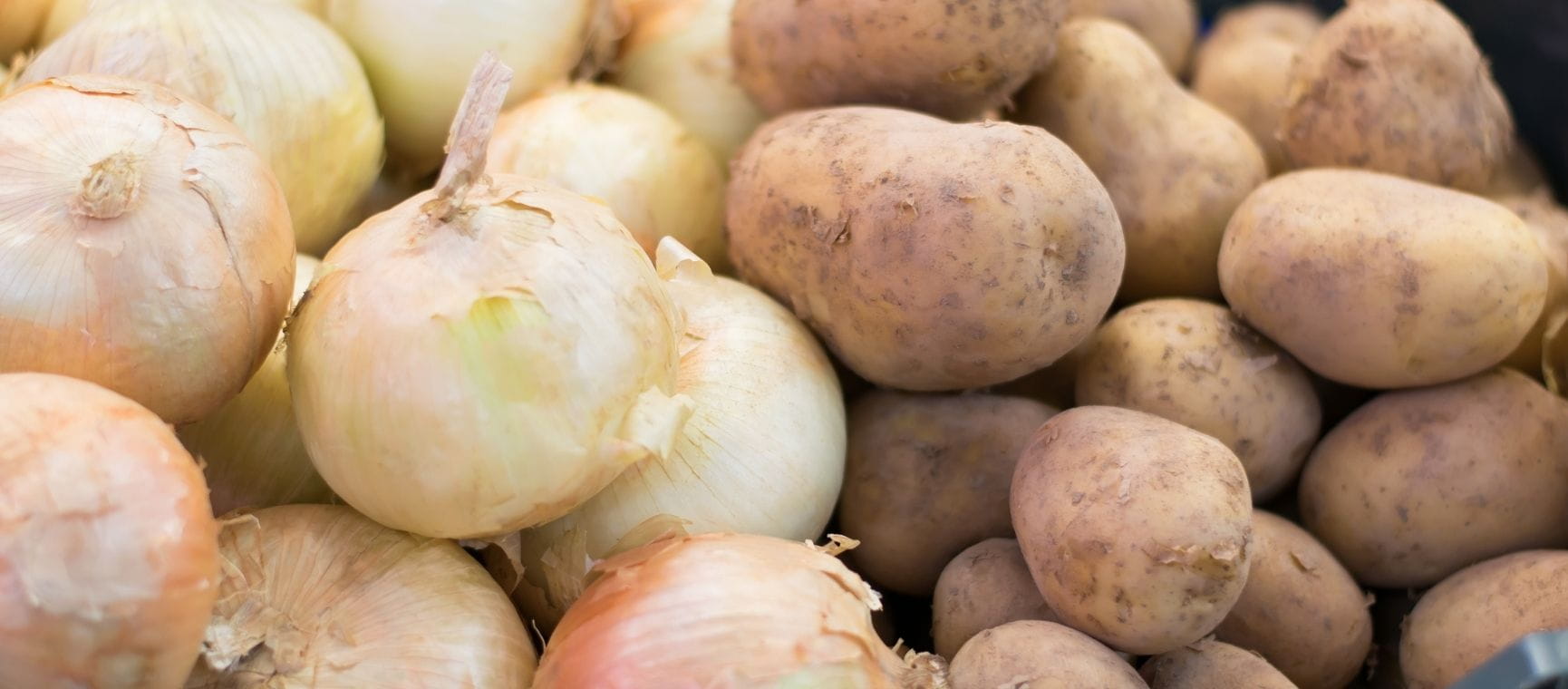
While rice gets all the attention, potatoes can actually pose their own unique risk, particularly if you’ve cooked baked potatoes wrapped in foil.
Rachael Kiss from hygiene experts Alliance Online explains: “When a potato is wrapped in foil, it creates a warm, moist, low-oxygen environment, which is exactly the type of condition that Clostridium botulinum bacteria thrive in.”
While baking or roasting kills most bacteria, botulism spores are remarkably hardy and can survive normal cooking temperatures. The real danger arises if foil-wrapped potatoes are left to cool slowly at room temperature. Those heat-resistant spores can then germinate and produce botulinum toxin, one of the most potent foodborne toxins known.
“Because botulinum toxin has no smell, taste or visible signs, proper handling is essential even if the food looks fine,” warns Kiss.
The good news? This risk is entirely preventable. Remove foil immediately after cooking, and refrigerate cooked potatoes within two hours. When you’re ready to eat them, reheat thoroughly until steaming hot.
When it comes to cooking and reheating safely, Looch says that food hygiene matters more than any single rule. That’s why the FSA recommends the following:
Chicken often tops people’s worry lists when it comes to leftovers, but there’s no need for concern if you handle it properly.
“All meats, including chicken, can be reheated safely provided they are steaming hot throughout,” says James.
The trick is ensuring even heating with no cold spots where bacteria could survive.
“Reheating smaller pieces of meat and stirring during reheating is recommended to ensure even heat distribution,” she advises.
So, if you’re reheating a chicken curry or stir fry, give it a good stir as it heats. For larger pieces like chicken breasts, consider slicing them before reheating to ensure the heat penetrates evenly.
If you’ve been nervous about reheating dishes containing eggs, there’s some reassuring news. Food safety controls in the UK have improved significantly in recent years.
“Older adults can now safely consume raw or lightly cooked hen eggs that carry the British Lion Mark,” says James.
This means your breakfast frittata or egg fried rice can be reheated without worry, as long as you follow the same golden rules of cooling quickly, storing properly and reheating thoroughly.
“Eggs may also be safely reheated if required,” James confirms. Just make sure they’re steaming hot all the way through.
Many of us have grown up relying on the "sniff test" to determine if food is safe. Unfortunately, this isn't reliable.
“It's impossible to see or smell food poisoning bacteria or spores, so, although the food may look fine for a day or two after, it could make you very ill if not handled properly," says Looch.
Similarly, visible mould is a definite red flag.
"Food showing any signs of mould or spoilage should not be reheated or consumed, as mould may be present throughout the food even if it is not visible," explains James.
While safe reheating matters for everyone, it’s worth knowing that those of us over 65 face a slightly higher risk from foodborne illness.
“Adults aged 65 years and over are at increased risk of infections such as Campylobacter and Salmonella, which are common causes of food poisoning,” says James.
“This increased risk is primarily due to age-related changes in the immune system, which reduce the body’s ability to effectively fight infections.”
This doesn’t mean living in fear of your fridge; it simply means being a little more mindful about food safety practices.
Rather than memorising lists of "forbidden" foods, focus on these straightforward principles:
The good news? Reheating food doesn’t need to be complicated. Most leftovers can be eaten safely if they’re cooled promptly, stored correctly, reheated until steaming hot and, crucially, only reheated once.
Hero image credit: GettyImages
Jayne cut her online journalism teeth 24 years ago in an era when a dialling tone and slow page load were standard. During this time, she’s written about a variety of subjects and is just at home road-testing TVs as she is interviewing TV stars.
A diverse career has seen Jayne launch websites for popular magazines, collaborate with top brands, write regularly for major publications including Woman&Home, Yahoo! and The Daily Telegraph, create a podcast, and also write a tech column for Women’s Own.
Find out about Saga's gastronomy holidays here...
They say the way to the heart is through the stomach, and Saga’s thoughtfully crafted food and wine holidays are perfect if you like trying new flavours and exploring traditional methods of cooking.
Get 3 months free, plus a £125 Totally Rewards Wellness Gift Card when you start a new policy by the end of 19 February 2026. T&Cs apply.
Underwritten by Bupa Insurance Limited.
The best ways to boil an egg, which may surprise you, and the egg-boiling mistakes to avoid.
We’ve found the best money-saving alternatives to some of the most popular branded products.
These foods will lose flavour and freshness if you store them in the fridge.