Are you stacking your dishwasher all wrong?
From what to never put in the upper tray to how to slot in spoons, the experts explain the perfect way to load your dishwasher.
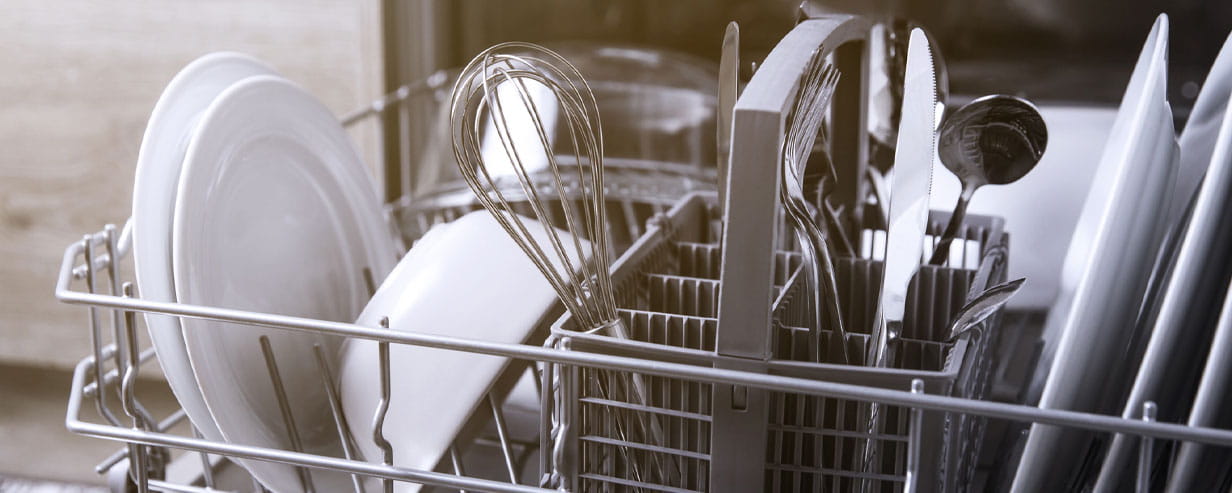
From what to never put in the upper tray to how to slot in spoons, the experts explain the perfect way to load your dishwasher.
Many of us load the dishwasher on autopilot: plates here, mugs there, one last pan balanced on top. If the machine doesn’t judder to a halt mid-cycle, we assume we’ve done it right. But experts say our everyday loading habits could be destroying our dishwashers and costing us hundreds of pounds.
“Most people call us out because their dishwasher isn’t cleaning or draining well, and, in our experience, loading is a factor in at least half of those jobs,” says Georgina Shepherd, home services expert at Housekeep, which provides cleaners and tradespeople to householders in London. “Spray arms get blocked, filters clog, and water can’t circulate properly because items are stacked in a way that stops the machine doing its job.”
Dan Porte, an engineer with Brighton company Repair and Assure, agrees. Porte has repaired up to 15,000 dishwashers. “After 25 years, I can confidently say that most dishwasher faults aren’t faults at all,” he says. “They’re loading habits.”
Worried you might be stacking your dishwasher wrong? The experts explain how to avoid some of the most common and costly mistakes.
Dishwashers are not gentle spas for crockery – they’re hydraulic machines. “It’s all about water flow,” Porte says. “Spray arms spin using water pressure. If you block that movement or shield items from spray patterns, cleaning drops dramatically and strain increases on the pump.”
Porte’s most expensive avoidable repair involved a large baking tray laid flat on the bottom rack. The tray repeatedly blocked the spray arm until the pump overheated and failed, requiring a complete pump and motor replacement costing several hundred pounds.
Good loading is about how you place items in the machine. “People often try to fit as much as possible in rather than thinking about how the dishwasher works,” Shepherd says.
A simple rule is to think of your machine in terms of zones: heavy, durable items such as pans and trays go on the bottom; lighter, more delicate items made of glass or plastic go on the top. Crucially, there should be clear space through the middle so that the spray arms can rotate freely.

Reserve the top rack for cups, glasses and small bowls, but make sure you put them in correctly. “Everything should face downwards and slightly inward,” says Porte. This prevents water from pooling inside and leaving residue. “Dishwashers clean by spraying upward and outward.”
Leave a small gap between glasses to prevent chipping, and make sure nothing blocks the detergent dispenser. If an item obstructs the detergent flap, the wash cycle is compromised before it even begins.
Lightweight plastic items need particular care. If they’re loose, they can flip, fall and jam spray arms, or, in older machines, melt onto heating elements. “Light plastic containers and lids can drop through the rack during a cycle and interfere with moving parts,” Shepherd says.
Not everything belongs in a dishwasher. Engineers at Housekeep have found potato peelers, oven shelves, fridge parts and even light fittings balanced on the top rack. Porte has found a toothbrush charger and a small desk fan. “People sometimes treat dishwashers like a general cleaning machine,” he says.
Place big items on the bottom rack, but never lay them flat. “Large trays or pans laid flat across the rack block the rotation of the spray arm and shield everything above it,” says Porte.
A single tray or chopping board placed across the rack can prevent an entire load from being cleaned properly. “It stops water reaching the rest of the load and can jam the spray arm, leading to poor cleaning and mechanical strain,” Shepherd says.
Mixing bowls can also cause problems. “They can act like umbrellas, deflecting water,” says Shepherd. “They’re best placed at the sides, angled downward.”
Cutlery baskets may look forgiving, but they’re often misused. “Small items can slip through and reach the pump or filter system,” Shepherd says. Porte has seen chef’s knives pierce internal components. Engineers at Housekeep frequently find lids, measuring spoons and parts of baby bottles jammed in moving mechanisms.
Porte recommends putting knives blade-down for safety, and forks handle-down for better cleaning. Spoons should be mixed up to prevent nesting.

Both experts recommend scraping rather than rinsing items. “Remove food scraps and give anything greasy or oily a good rinse, but don’t rinse items perfectly clean,” Shepherd says.
Fail to scrape properly and filters clog, smells develop and debris travels deeper into the machine. Engineers often remove sweetcorn kernels, rice, lemon pips and even small chicken bones from filters and pumps. Over-rinsing can cause problems, too. “Modern detergents need the enzymes from food particles to work properly,” Shepherd says.
“Running your dishwasher at 25% capacity occasionally is fine,” Porte says, although it’s not great for household bills. “Constant tiny loads waste energy more than they damage machines.”
In most cases, one properly loaded full cycle is more efficient than two half-loads. You just don’t want to cram too much in. Avoid stacking items on top of each other or forcing racks shut.
Poor loading doesn’t always cause immediate failure. “Some mistakes don’t break the machine overnight but gradually wear it down,” Shepherd says. Spray arms can bend, pumps can become strained and rack runners can become damaged.
It’s also worth cleaning your dishwasher’s filter once a month. Remove it from the base of the machine, rinse it under hot water and gently brush away trapped food, grease and limescale, before locking it back into place.
You’re then ready to reload it. Just don’t cram it full, make sure spray arms can spin freely, and maybe rethink what to do about that toothbrush charger.

Guard against inconvenient and unexpected boiler failure with Saga Home & Heating Emergency cover and boiler service option.

Provided by Tembo
Find out all you want to know about mortgages with expert advice.

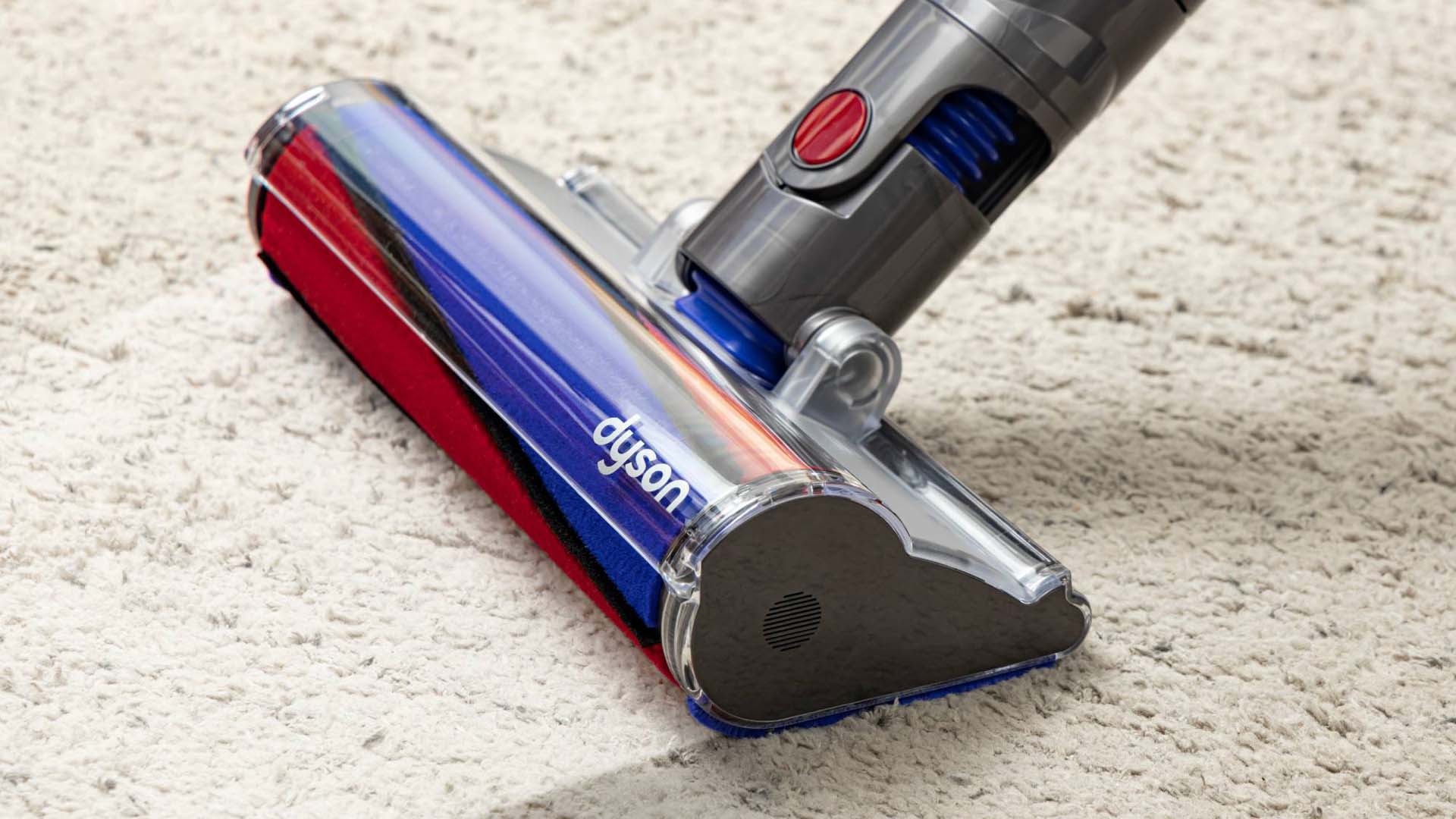
Learn how to avoid the most common vacuuming mistakes to ensure that your floors are spotless and free from allergens.




We’ve got 7 chemical-free tips from an expert to keep flies and other insects out of your home.



Create the perfect vista with our window cleaning tips.
Because a scale-filled iron can ruin your clothes.