How to keep flies out of the house
We’ve got 7 chemical-free tips from an expert to keep flies and other insects out of your home.

Getty
We’ve got 7 chemical-free tips from an expert to keep flies and other insects out of your home.
It’s one of nature’s little jokes: just as our thoughts turn to shorts and barbecues, winged nemeses show up to spoil the fun. Suddenly, figuring out how to keep flies out of the house becomes our all-consuming obsession.
With a head start of nearly 240 million years on humans, flies make up in tenacity what they lack in brains. It’s worth remembering that when feeling frustratingly outwitted by a fly.
Ideally, we’d want flies to leave our home of their own volition. No one wants to harm a living creature – at the end of the day, even flies have a meaningful role to play in the circle of life.
Sadly, though, their buzzing isn’t the worst of it. Flies also have a nasty habit of transmitting diseases, so we want any flies out of our homes and away from our meals, fast.
If your sole strategy for getting them gone involves chasing each of them from room to room and loudly pleading for them to leave, then we’ve got you covered with some more effective options.
We asked pest controllers for their advice and it turns out they're very simple creatures. (Flies, that is, not pest controllers.)
According to Stephen Wales from Bespoke Pest Control, which is based in Hertfordshire, flies don’t just decide to come and bother you because it takes their fancy.
“It’s not random – flies turn up for three main reasons: food, warmth and somewhere to breed,” he says. “If your house offers any of those, they’ll take the invite, set up home and annoy you.”

Wales’ top tip to keep flies out might work in winter, but it’s often not possible in hot weather. “The only way to keep them out of the house is by shutting your windows and doors or fitting fly screens," he says.
A quick way to stop flies but still let some air in is to use a beaded curtain (one of the best ideas we’ve heard is to hang up a glittery one because the shiny surface puts winged visitors off). But with hotter summers, it might be worth investing in fly screens.
Laurence Barnard from BASF has been in the business of keeping pests out for years and is always working on new solutions. “Anecdotally, I feel as if fly activities have increased year-on-year and we’ll want to leave our doors open in hot weather so it’s worth investing in fly screens, which are made of mesh and fit to your door and window frames,” he says.
If you’ve ever hung a clear bag of water outside your door to repel flies, these traps take the idea further. Fly bags catch the pesky creatures before they get a chance to get in the door. Make sure you hang them on the outside though.
“Fly bags are really stinky, but very effective if you use them right,” says Barnard. “Let’s say flies are coming in from the garden, you can build up a perimeter barrier to catch them before they reach the house.”
What about our trusty bag of clear water? “Flies don’t really think independently, so they’re not going to go, ‘Oh, there’s a bag of water’,” says Barnard.

Flies are attracted by smells, so not leaving food out might sound like an obvious solution. But how many of us can honestly say we’ve got rid of every single crumb?
“Bins, pet food, crumbs, even that ‘I’ll rinse it later’ plate in the sink will all encourage flies,” says Wales. So a clean sweep is essential. If your pets don’t eat their food in one go, make sure it’s covered or removed.
And if you’re squeamish, you might want to look away now, but flies prefer a breeding spot with a rich food source. “Drains, compost or – less pleasantly – something dead like a rodent in a void are ideal places to breed,” says Wales.
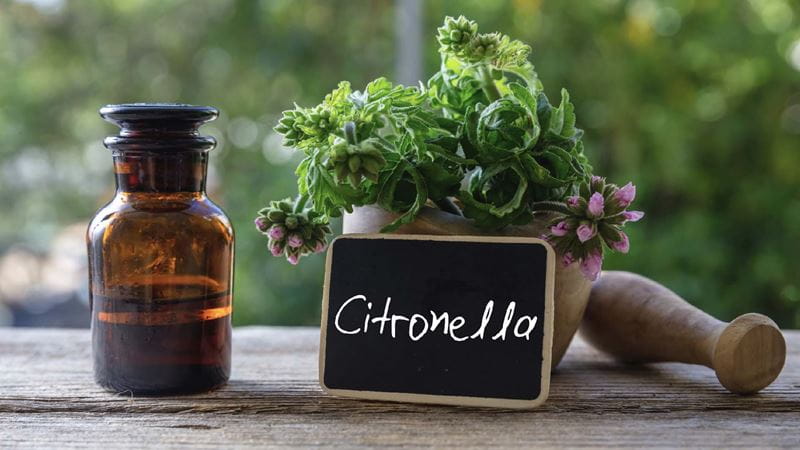
Some people swear by the scented sticks or candles, but do flies love them or hate them? “They’re good on lots of flying insects, for example mosquitoes, midges and gnats, but not particularly on a house fly,” says Barnard.
“Like a lot of natural solutions, they might do something, but the main thing with flies is it’s always finding the source and getting that under control.”
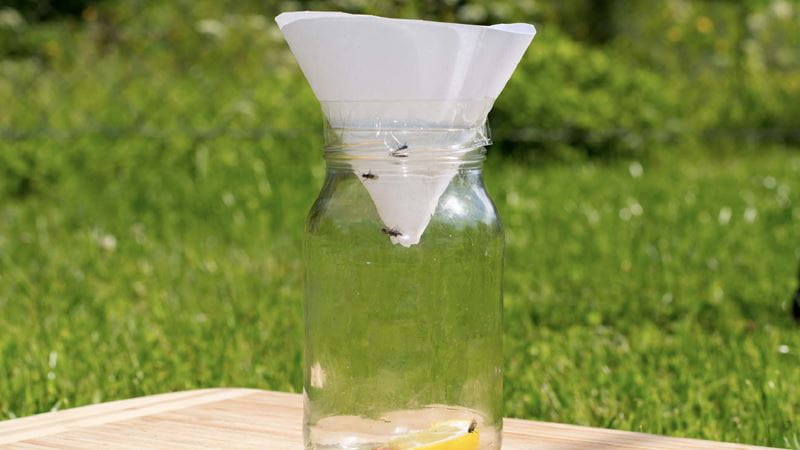
Beer, red wine... we've tried them all when it comes to traps, but according to the experts there's one clear winner. “If you’ve got a problem with fruit flies, rather than house flies, a vinegar-based trap works well,” says Barnard. “But, as with with house flies, the problem is more to do with hygiene.
“Fruit flies breed quickly, so remove any spills or out-of-date fruit. A lot of the fruit fly traps have a vinegary base that lures the flies. It might trap the odd house fly, but it’s not a complete solution.”
You might notice that smells aren’t the only thing coming from your drain in hot weather. “There are lots of drain-based flies that feed on the fats and bits of food down there,” says Barnard. “Rinsing your drain out with hot water alone isn’t going to wash it out properly, so the best thing to do is to use an unblocker if you have a build-up of fats."
And move anything else murky that could lure flies in. “Keep your bins, compost bins and all that stuff away from any entrances to your house,” he advises.
Not all house flies are the same. Take their close relative, the lesser house fly. “It’s a cousin of the housefly that’s mainly linked to animals’ excrement. So if you’re in the countryside or keep chickens and other animals, you’ll notice them,” says Barnard.
Once again, hygiene is of the utmost importance. “Flies are closer to robots than humans,” says Barnard. “They don’t really have an independent mind, so they’re programmed to do a job and they follow it: breed, grow and find food.”
“If a gadget is cheap it probably won’t last you too long, so spend a little bit more,” says Barnard. But, he explains, the old-fashioned fly-busting methods are the best. “For flies in the kitchen, use a glue board trap, not a spray or something that zaps them – you don't want to risk getting fly body parts on surfaces where you’re preparing food.”
And remember: “There’s not going to be one thing that mitigates every fly, so always treat the source rather than the problem.”
Fruit flies come into their own in the warmer months, their population peaking in August. It seems one of the many side effects of global warming has been an increase in their numbers to record levels so that many of us in the UK are having to deal with these infestations. A female can lay hundreds of eggs a day, which grow into mature adults in ten to 12 days.
There’s not much in home care and cleaning that can’t be taken care of with the use of washing-up liquid plus a handful of natural ingredients, including hot water, lemons, bicarbonate of soda and vinegar. And, when it comes to fruit flies, it’s the latter that’s your best friend – apple cider vinegar to be specific.
When I came home from holiday to find hundreds of fruit flies in the kitchen, I got rid of them with a home-made trap and a deep clean. Teeny, tiny dark brown fruit flies were circling around the small compost bin we keep on the countertop and were also joyfully wafting around the house plant collection I’d left on the draining board sitting in a tray of water.
I took a couple of tumblers from the cupboard and half-filled each of them with the apple cider vinegar, squirting a swirl of washing-up liquid on top. I then topped them up to about three-quarters full with water and rapidly stirred the concoction to create some bubbles on the surface. I put the glasses on the windowsill, while setting to work on a deep clean.
The compost bin was the first priority – having double-bagged the contents and put in the outdoor food waste bin – I filled it to the brim with boiling water from the kettle and added washing-up liquid.
I moved the house plants to the far end of the garden, as far from the house as possible. Then back in the kitchen, I boiled several more kettles and poured them down the sink to kill off any bugs lurking down there (a drainage pipe is a highly desirable breeding ground for a fruit fly).
After then thoroughly cleaning all the surfaces in the kitchen with soapy hot water, I opened the windows wide and brought in an electric fan, plugging in and putting on full blast – fruit flies are weak fliers and can’t cope with strong air currents, so this full-on airflow would make life difficult for any lurking pests.
Lured by the smell of apples in the cider vinegar, the fruit flies had made a beeline for it (excuse the pun!) only to find themselves stuck in the bubbles sitting on the surface. Down the sink went the liquid, followed by more boiling water, and I then made a fresh vinegar trap before bed to take care of any remaining invaders overnight.


Whether you're looking for straightforward insurance or cover that's packed with extras, our home insurance has plenty of options for people over 50.

Your chance to win cruise for two to Cádiz, Casablanca and the Canary Islands, worth more than £9,600.
Want to get the best results from your air fryer? Learn how with our expert tips for cooking, cleaning and day-to-day care.
Taking on easy DIY projects is a great way to pass a weekend.

We’ve got 7 chemical-free tips from an expert to keep flies and other insects out of your home.