Move or improve? The home upgrades worth making whatever your plans
With properties taking longer to sell, experts explain which improvements can make your home more comfortable for you and more attractive to buyers.
Moving house isn’t exactly a decision to take lightly at the moment. Homes are taking longer to sell in many parts of the country. While 44% of properties listed over the past three years failed to sell, those that did sold for an average of 3.5% below their asking price in the first quarter of 2026, equivalent to around £18,800 below the original advertised figure. Meanwhile, mortgage rates are under renewed pressure.
So perhaps there’s another question worth asking – rather than moving, could you make the home you already have work better for the life you’re living now?
The way we use our homes changes. Children grow up and leave, spare bedrooms take on new jobs, kitchens become places for entertaining rather than feeding the family and the things that once seemed essential can start to feel rather less so.
That doesn’t mean every improvement is a wise investment, far from it. Some upgrades can make your life noticeably better without adding much to the eventual sale price, while others can improve both your home and its appeal to future buyers. The trick is knowing the difference.
It’s not very often that we stop to think if our home is still working for us, but as life changes, it’s probably a good idea to take stock. This isn’t about thinking about stairlifts or grab rails, but instead, making sure you’re using it to its full advantage.
“The first thing I’d look at is how your existing rooms are working,” says interior designer Samantha-Jane Agbontaen. “Reworking the space you already have, with a better layout, better storage and better light, is cheaper than building and can make just as much difference.”
The room that used to belong to a teenager is probably the most underused space in the house. It might stay that way for years, defaulting to storage when it could be doing something genuinely useful.
“I’d ask one simple question,” says Katie Chambers, property planning expert and founder of Property Powwow. “What would make your life better now, while still keeping the room flexible for later? It might become a home office, hobby room, exercise space, guest room or somewhere for grandchildren to stay.”
The key, she says, is avoiding anything so specialised it becomes expensive to convert back into a bedroom when the time comes to sell.
There’s a financial angle worth considering too. Under the Government’s Rent a Room Scheme, qualifying income from letting a furnished room in your main home can currently be tax-free up to £7,500 a year.
“A spare room doesn’t necessarily need to sit empty,” says Chambers. “It could provide flexibility, companionship and potentially some extra income too.”
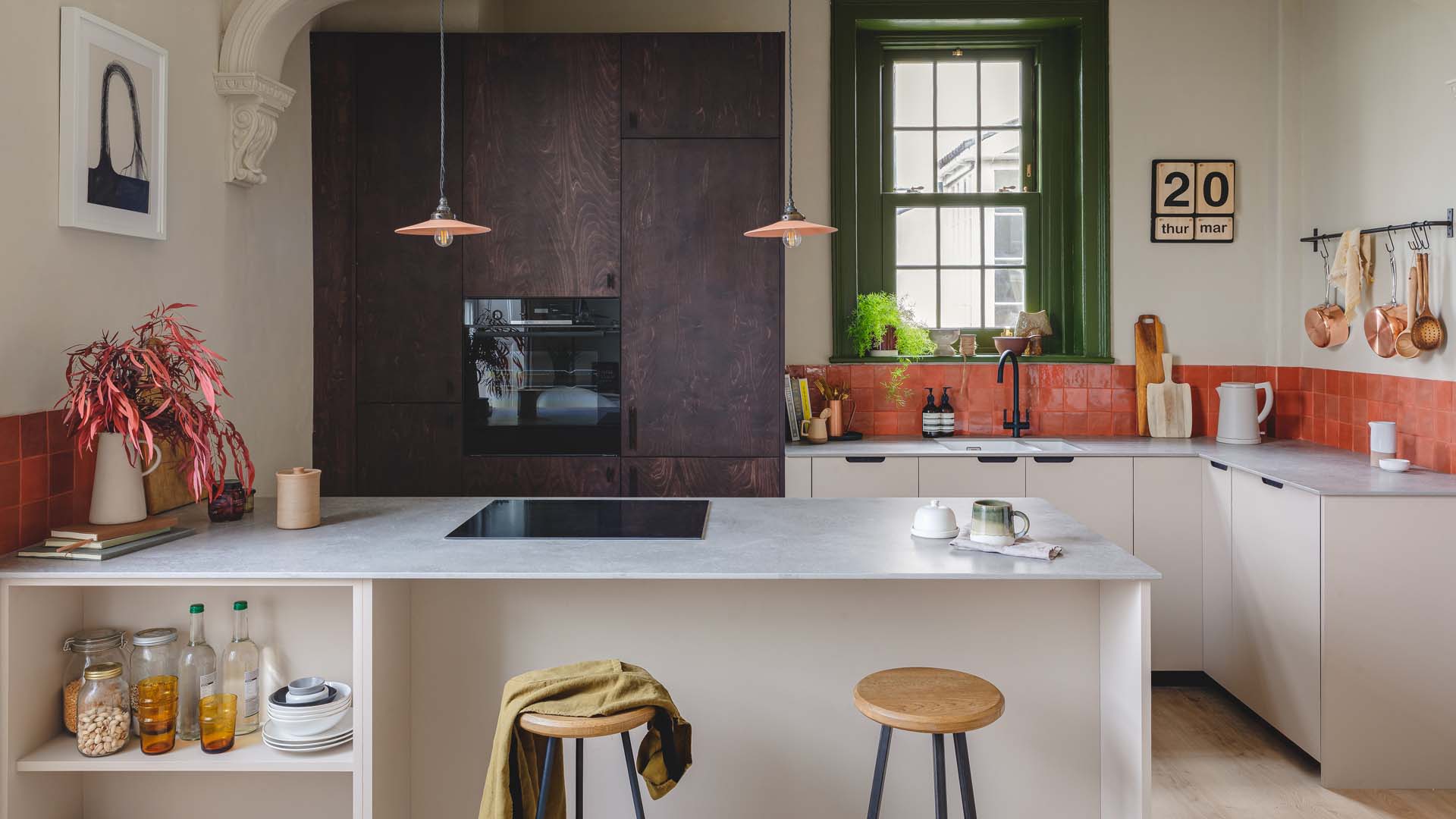
The kitchen that worked for a family of four may not be the kitchen you actually need now. The question isn’t how to make it bigger, but rather whether it’s working for the way you cook and socialise today. It will also help if you do go on to sell at a later date.
“Buyers are asking for kitchens that work hard rather than just look good in photographs, with better storage, durable materials and layouts that suit how the family actually uses the room,” says Luke Burford, renovation expert and co-founder of Compare Builders.
New lights can breathe life into a kitchen area, while different tiles or changing cupboard doors can transform a tired kitchen for a fraction of the cost of a full remodel. Agbontaen says you can never go wrong with good storage. Not only can it change how you use the space day-to-day, meaning the things you use every day are actually where you can reach them, but buyers always notice good storage.
And if you’re investing in a new kitchen, Chambers offers a useful reality check.
“Spending £20,000 on a fashionable new kitchen doesn’t automatically mean the house is worth £20,000 more,” she warns. “Particularly if the existing kitchen was perfectly usable and can be upcycled.”
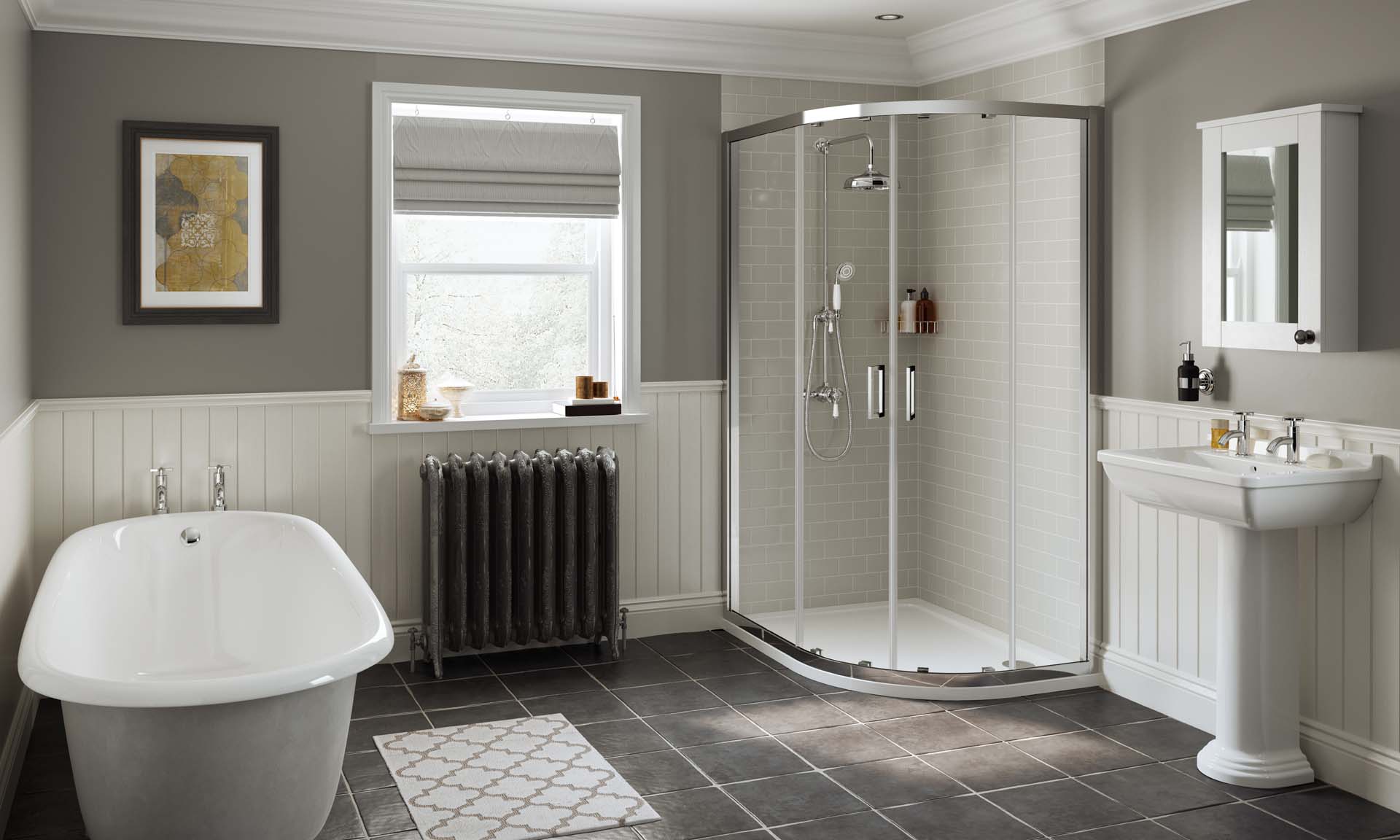
The bathroom is a good example of where you can make life easier now without making it feel like you’re preparing for old age. A walk-in shower, good lighting and plenty of room to move can all make a difference, without a grab rail in sight. And if you do need to make additional adaptations much further down the line, you’ll already have a good starting point.
“I’d think about making the bathroom easier to use without making it feel clinical,” says Chambers. A walk-in shower with a low-profile tray, good task lighting, non-slip flooring and easy-to-operate taps can all make a real difference now while holding wide appeal when you come to sell.
And when it comes to wet rooms, Chambers says it’s worth thinking beyond accessibility alone. They can work well where mobility is a consideration, but a dated or overly clinical design could put buyers off.
“Often a well-designed walk-in shower gives you many of the accessibility benefits while retaining wider appeal,” she says. “If there’s room for both a bath and a walk-in shower, that can be a great compromise.”
Once you’ve looked at how your home works for you day-to-day, it’s worth thinking about how well it performs. Is it expensive to heat? Does it become unbearably hot in summer? Are there jobs you’ve been putting off that could make a noticeable difference to comfort?
Energy efficiency is an obvious place to start. Insulation, draught-proofing, better-performing windows and more efficient heating and hot-water systems can all help make your home cheaper to run and more comfortable throughout the year.
“People are much more aware of their energy bills, but they don’t necessarily want to spend money on technology for technology’s sake,” says Burford. “They want to know what will actually make a difference to their particular property.”
That doesn’t mean rushing out to buy the latest gadget. Sometimes the less exciting improvements are the ones that make the biggest difference and they’re worth considering as part of other work. If you’re replacing windows, for example, think about their performance in both winter and summer. If you’re opening up floors or walls, it could be the right time to tackle insulation or services while you’ve already got trades in.
Then there’s keeping cool. British homes have traditionally been designed around keeping heat in, but increasingly we’re having to think about how to keep it out too.
“External shading can be particularly effective because it stops the sun hitting the glass in the first place, rather than trying to cool the room once it has already heated up,” says Burford.
Awnings, shutters, blinds, planting and pergolas can all help, while good ventilation can help manage heat when temperatures rise. For more ideas, see our guide to heatwave-proofing your home.
The important thing is that you don’t have to do everything at once. Think about the jobs that will be difficult or expensive to come back to later and tackle those when the opportunity arises. The aim isn’t to create the most technologically advanced house on the street, but one that’s comfortable, practical and cheaper to run.
When to spend, and when to hold off, depends largely on your own timeline.
Concentrate on improvements that strengthen the property’s condition and saleability rather than highly personal changes. A buyer needs to be able to picture themselves there.
You can afford to prioritise enjoyment, because you’ll have time to benefit from whatever you spend. As Chambers puts it: “That doesn’t mean you shouldn’t spend it if it gives you really happy years living there. Enjoying your home has value too.”
The key is knowing whether you’re making a lifestyle decision or an investment decision, both are valid, but they’re not the same thing.
This is the moment to look beyond the immediate job. If you’re replacing a bathroom, it may make sense to look at plumbing, wiring or layout at the same time rather than having to revisit later.
If you’re opening up a wall, insulation is far cheaper to add now than to retrofit. The disruption is already happening so use it.
Making your home nicer to live in doesn’t necessarily make it worth more. The two things are related, but they’re not the same and confusing the two is where you can end up spending more than you need to.
“The improvements that tend to matter most are the ones that actually solve a problem or make the house work better such as improving a poor layout, dealing with maintenance issues, improving energy efficiency or creating genuinely useful space,” says Chambers.
In other words, think function before finish.
Some improvements are more likely to make a tangible difference to what a buyer is prepared to pay:
Other improvements might not add much to the price, but they can make a buyer more confident about choosing your property. Think good overall condition, a well-maintained garden, modern heating, good storage and useful smart-home features.
These are the things that make a property feel cared for and ready to move into, without necessarily giving you back every pound you’ve spent.
There’s nothing wrong with spending money because you love the result. Just be honest about whether you’re making a lifestyle choice or an investment.
“Sometimes people spend £80,000 creating more square footage when they already have a dining room, garage, loft or awkward layout that barely gets used,” says Chambers. “More space doesn’t automatically mean a better home.”
The same applies to highly individual décor, specialist rooms and expensive features that aren’t expected in your local market. They may make your home much more enjoyable, but don’t assume the next owner will value them in the same way.
Before spending tens of thousands on a major renovation, find out what similar properties nearby are actually selling for, not just what they’re listed at.
“I’d start with three numbers. What is the house worth now? What are the best comparable houses nearby actually selling for? What will the work really cost?” says Chambers.
If the best properties on your road are selling for £550,000, for example, spending £100,000 to create a house worth £700,000 probably isn’t going to make financial sense.
That doesn’t mean you shouldn’t do it. If you’ll enjoy living there for the next ten years, it may be money well spent. Just recognise that you’re making a lifestyle decision rather than an investment.
And perhaps that’s the most useful way to approach any home improvement. “I’d spend it where I could enjoy the benefit for the next ten years and where it was likely to help the property remain attractive when I came to sell,” says Chambers.
Jayne cut her online journalism teeth in an era when a dialling tone and slow page load were standard. During this time, she’s written about a variety of subjects and is just at home road-testing TVs as she is interviewing TV stars. A diverse career has seen Jayne launch websites for popular magazines, collaborate with top brands, write regularly for major publications including Woman&Home, Yahoo! and The Daily Telegraph, create a podcast, and also write a tech column for Women’s Own.
View author page
Be the first to know when your dogs and cats can join the Saga family too.
Trusted advice, practical tips, exclusive interviews, puzzles, competitions and more every week. Sign up to our free newsletter.
Whether you're looking for straightforward insurance or cover that's packed with extras, our home insurance has plenty of options for people over 50.
Want to get the best results from your air fryer? Learn how with our expert tips for cooking, cleaning and day-to-day care.
Taking on easy DIY projects is a great way to pass a weekend.
We’ve got 7 chemical-free tips from an expert to keep flies and other insects out of your home.