Solar panels are cheaper than ever, but are they actually worth it?
From potential savings to practical pitfalls, we weigh up the pros and cons of solar panels, including the new plug-in systems on sale now.
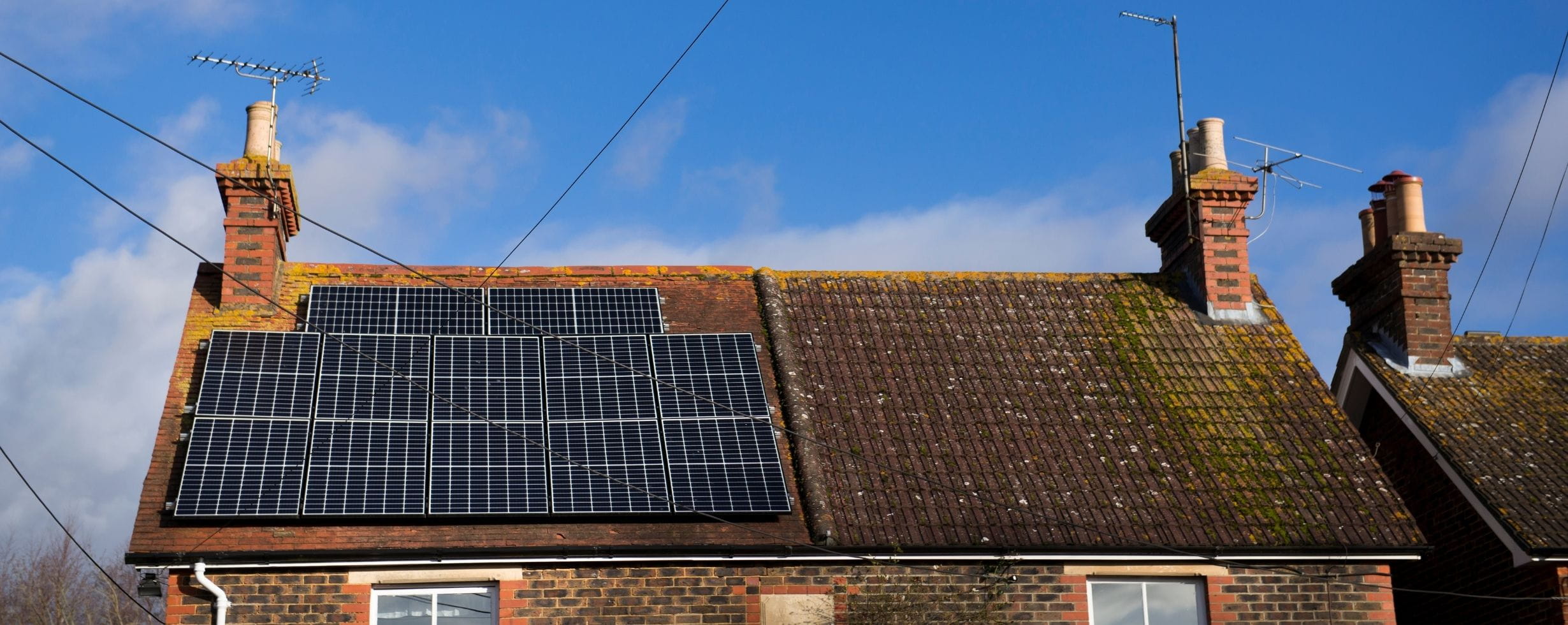
Free electricity sounds hard to argue with and it seems plenty of us agree. In the first six months of 2026, almost 150,000 solar panel installations were completed, the equivalent of one every 74 seconds.
Solar panels aren’t cheap, though, and the amount of electricity they produce varies, so there are a few practical considerations to think about before you take the plunge.
There’s also more than one variety to consider. Plug-in solar panels, which can be connected to a standard domestic socket rather than permanently installed on your roof, have recently gone on sale. They’re considerably cheaper than a conventional solar installation and don’t need an installer or scaffolding.
So, does that make solar more accessible? Or is the traditional roof-mounted system still the more sensible choice? As with most things involving your house and several hundred (or several thousand) pounds, it depends.
The first thing to get your head around is that solar doesn’t mean you’ll stop buying electricity altogether. Your panels generate electricity when there’s daylight, reducing the amount you need to take from the grid. How much you save depends on the size and position of your system, how much sunlight it receives and, crucially, how much of the electricity you use yourself.
The upfront cost isn’t small. Energy Saving Trust currently puts the average cost of a rooftop solar system at around £7,600, although the actual price varies depending on the system, your location and the installer. It says a typical system can pay for itself in as little as nine years, while the panels themselves can last around 25 years. You’ll generally need to replace the inverter after around 10 to 12 years.
As for the savings, Energy Saving Trust currently estimates that a typical solar installation could save around £260 a year, including payments for surplus electricity exported through the Smart Export Guarantee.
If that sounds too pricey, there is now a cheaper way to get started. An 800W plug-in solar panel system costs around £450 and could generate roughly 700kWh of electricity a year. Energy Savings Trust suggests that this equates to savings of around £100 a year if you’re home during the day, compared with around £70 if you’re out.
The downside? It isn’t designed to power high-energy appliances such as an electric shower, oven or EV charger, instead, it’s more about helping to cover the everyday electricity you’re using during daylight hours, such as your fridge, Wi-Fi, TV, lights, laptop or phone. All sounds good but there is a catch – you need to use the electricity.
Solar panels only save you money if you use the electricity it generates. If you’re out all day, your panels may be doing their best work while you’re not there to use it. If you’re retired or work from home, you have more chance to put that free electricity to work.
That’s particularly important with plug-in solar, where you can’t currently rely on export payments for unused electricity.
Still weighing up whether solar is right for you? Here’s the quick version.
| Plug-in solar | Fitted solar | |
|---|---|---|
|
Upfront cost |
Around £300–£500 |
Around £7,500 |
|
Max system size |
Up to 800W |
Much larger systems available |
|
Can you be paid for surplus electricity? |
Not through the Smart Export Guarantee, but separate supplier tariffs may be available |
Yes, via the Smart Export Guarantee, subject to eligibility |
|
Can you take it when you move? |
Yes |
No, it's attached to the property |
|
Permission needed? |
Possibly, particularly for flats/leasehold properties |
Usually not, although restrictions can apply to listed buildings/conservation areas |
|
Payback |
4-7 years depending on actual savings |
Around 9 years |
If the cost and installation involved in conventional solar have always put you off, plug-in solar panels could be the solution.
“Plug-in solar is a simple, affordable way for households to take control of their energy bills and start saving straight away,” says the Secretary of State for Energy Security and Net Zero, Miatta Fahnbulleh.
The set up can consist of one or two panels, an inverter and a cable that plugs into a standard domestic socket. Depending on the setup, they can potentially be mounted on a balcony rail, garden frame, shed roof or suitable wall.
The attraction is obvious. No professional installer, no scaffolding and a much lower upfront cost than a conventional roof-mounted system, but it doesn’t mean they’re suitable for your home.
RCDs and RCBOs are designed to cut off electricity if they detect a fault, helping protect against electric shock and electrical fires, but according to Steven Devine, electrical safety installation manager at Electrical Safety First, not all of these safety devices were designed to operate under the conditions created by plug-in solar panels.
“These systems can change the way electricity flows around a home and, in some homes, particularly those with older wiring or safety devices, this could affect how those devices work if there is an electrical fault,” he says.
He suggests using an electrician registered with a government-approved competent person scheme. You can find one or check an electrician’s credentials through the Electrical Competent Person Register. They can check whether your electrics are suitable and advise whether you need an Electrical Installation Condition Report (EICR) or further checks.
And while plug-in solar is new, it isn’t a free-for-all. Kits need to meet the government’s Interim Product Specification. Devine recommends buying from a reputable retailer and looking for clear safety information and details of the manufacturer or importer.
“Be wary of products with little or no information about the manufacturer or importer, claims that multiple units can be connected together, or instructions suggesting you can use extension leads or adaptors,” he advises.
“No installation required” doesn’t necessarily mean “easy to install”.
Plug-in panels can weigh around 15-25kg and be nearly two metres long. That’s a sizeable object to manoeuvre, particularly if you’re trying to get it onto a balcony or up a ladder.
And it’s not just the weight. Panels need to be securely mounted and able to withstand wind and weather.
“Age isn’t the deciding factor,” says Devine, but you do need to consider whether you can safely “lift, secure and mount the panels”.
If ladders, balconies or roof access are involved, Electrical Safety First recommends getting professional help rather than attempting it yourself.
Before you spend anything, check that you’re allowed to put a panel where you want it.
If you live in a flat, you may need permission from the freeholder. Renting? You’ll need to check with your landlord. Retirement developments can have their own rules, too, so the managing agent or freeholder may need to give the go-ahead.
There could also be restrictions if your home is listed or in a conservation area.
So before buying, ask:
If you’re considering plug-in solar, make sure you know what your home insurance covers before you buy.
“Cover for plug-in solar panels is included as standard under our contents policies,” says Anna Thunstrom, head of home product at Saga. And if the panel isn’t permanently fitted, “we do not need to be notified, and it will not impact the insurance”.
It’s also worth making sure your contents sum insured is high enough to include the value of the panels, particularly if you’re opting for the more expensive fixed variety. If your plug-in is installed in the garden, check that your garden cover limit is high enough to cover it too. Saga also says accidental damage cover may be beneficial, as panels need regular maintenance and cleaning. “We do not cover wear and tear,” adds Thunstrom.
Insurance policies can differ, so if you’re not with Saga, check with your own insurer whether your solar panel system is covered and whether there are any conditions attached.
For more on what solar panels could mean for your home insurance, see Saga’s guide to solar panels and home insurance.
Energy Saving Trust: For practical advice on solar panels, including how much you could save and which options might suit your home.
Electrical Safety First: For advice on checking your home’s electrics and staying safe with plug-in solar and other plug-in generation systems.
The Microgeneration Certification Scheme: If you’re considering conventional fitted solar, you can use its tool to find an MCS-certified installer.
Jayne cut her online journalism teeth in an era when a dialling tone and slow page load were standard. During this time, she’s written about a variety of subjects and is just at home road-testing TVs as she is interviewing TV stars. A diverse career has seen Jayne launch websites for popular magazines, collaborate with top brands, write regularly for major publications including Woman&Home, Yahoo! and The Daily Telegraph, create a podcast, and also write a tech column for Women’s Own.
View author page
Whether you're looking for straightforward insurance or cover that's packed with extras, our home insurance has plenty of options for people over 50.
Why settle for less? Switch up your savings with true easy access and a great rate:
In partnership with NatWest, designed for people over 50. Interest paid monthly.
New customers only. UK residents only.
Staying warm is important to protect our health. Here's how to achieve it without bumping up your energy bills.