“My wife spends more time with our grandchildren than she does with me”
A grandfather adores his grandchildren, but misses time alone with his wife. Dr Miriam Stoppard suggests how to find a better balance.
My wife and I have been happily married for more than 40 years, and have several grandchildren whom we both adore. But since becoming grandparents, I increasingly feel as though our life as a couple has disappeared.
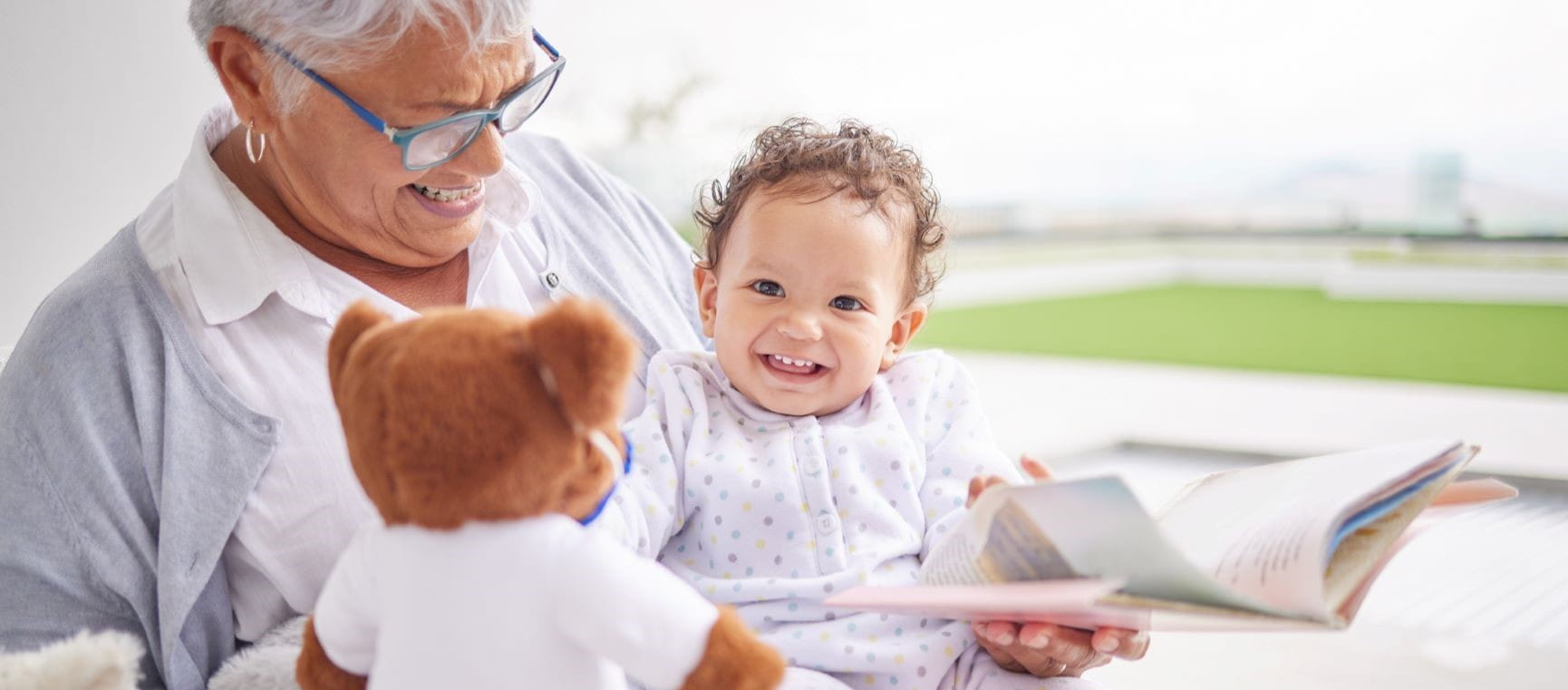
Our children both work and rely quite heavily on my wife for help with childcare. She’s always happy to step in, whether that means babysitting, collecting the grandchildren from school or suddenly dashing out to take one of them to an after-school club. I know how much our children appreciate her help and how lucky our grandchildren are to have such a close relationship with her.
It increasingly feels as though our own plans come second. We might have arranged to spend the day together or go somewhere for lunch, only for the phone to ring and everything to change because one of the children needs help. My wife rarely says no, and I’m beginning to resent it.
I feel awful admitting that because I adore our grandchildren and I certainly don’t want our children to struggle. Nor do I want my wife to feel that she has to choose between her family and me. But I miss having time together when we are husband and wife, rather than Mum, Dad, Grandma and Grandad.
Am I being selfish? And how can I tell my wife that I adore our grandchildren, but I miss her?
I’m wondering if you’ve put yourself in your wife’s shoes and tried to understand why she wants to spend time with her grandchildren.
She’s only doing what millions of grannies do to help with childcare, the national bill for which would amount to more than £7.3 billion a year (Age UK).
As a granny with 12 grandchildren, I completely understand how your wife’s prepared to drop everything to fly to their aid.
Since retirement you seem at a loose end because she’s not always there for you as she was before the grandchildren. But you needn’t be. You can remedy the situation with hobbies, socialising outside of your marriage and activities with friends.
Now with your wife the first step is down to you. You have to explain to her, kindly and gently, that her frequent absences make you feel neglected and does she have any suggestions. Could you share some of her grandparenting by going along to help? Or could you take it in turns with babysitting? Your grandkids would love that! You’d have the amazing payoff of feeling closer to your grandchildren and they to you.
You could plan meals, “dates” and short breaks together and the future will look brighter. You’re entering a new phase of your life, reaching another milestone which should be full of joy. It can be. You just have to collaborate with your wife in the joy of grandparenting.
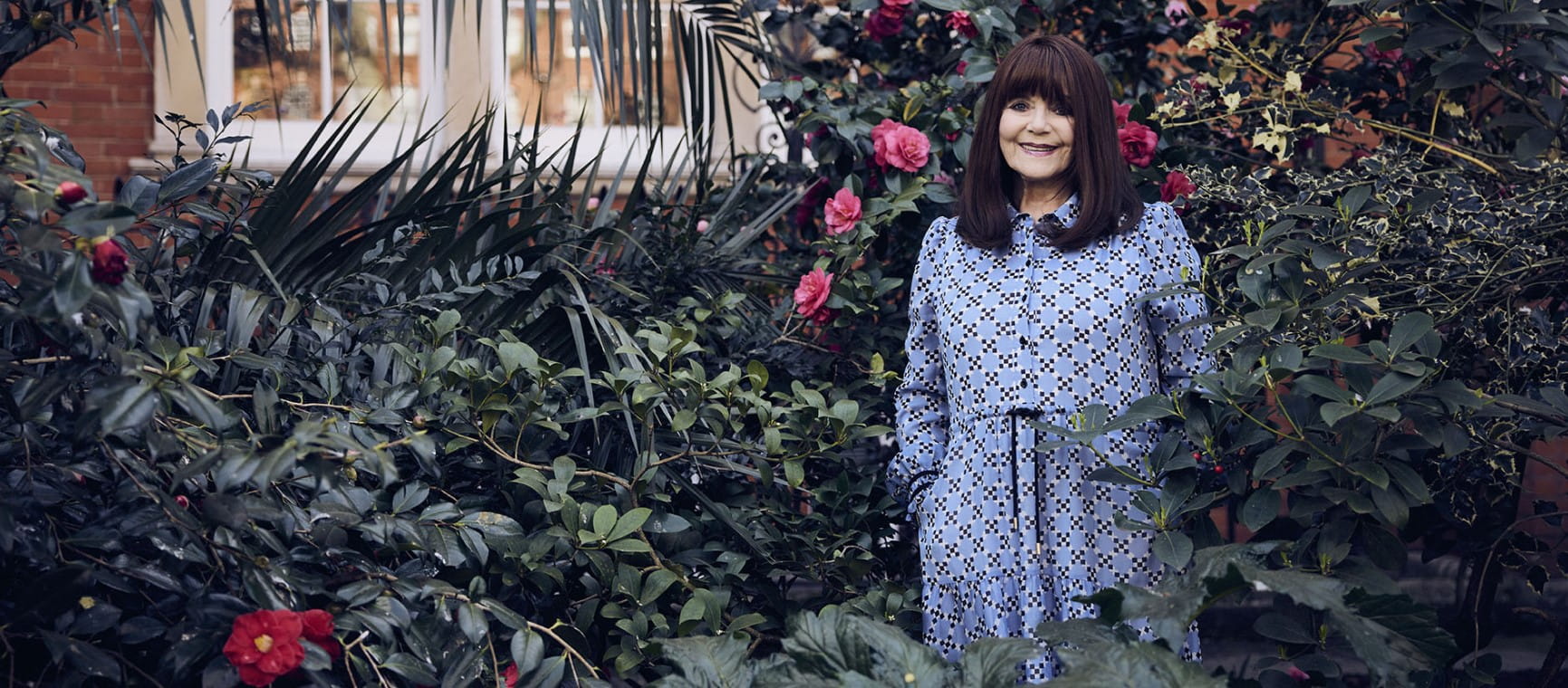
Dr Miriam Stoppard is a doctor, journalist, author and TV presenter. She was named the UK’s most trusted family health expert, was the Mirror’s agony aunt and has sold more than 25 million books. In 2010 she was made an OBE for services to healthcare and charity.
View author page
Your chance to win cruise for two to Cádiz, Casablanca and the Canary Islands, worth more than £9,600.
Why settle for less? Switch up your savings with true easy access and a great rate:
In partnership with NatWest, designed for people over 50. Interest paid monthly.
New customers only. UK residents only.
Deborah Chambers was left feeling shaken and low by her midlife divorce. One day she embraced her silver hair - and a new world of opportunities opened up.
The joy of a first grandchild can also create new challenges. We've got the best advice on how to navigate becoming a first-time grandparent.
Dr Miriam Stoppard tells a woman whose new relationship lacks physical fire to allow time for the spark to build up into a blaze.
The power of age gap friendships - we share the benefits and how to make them.
As a growing movement tries to address the fact that one in five men say they have no close friends, we explore the roots of male loneliness and find out what we can all do to help.