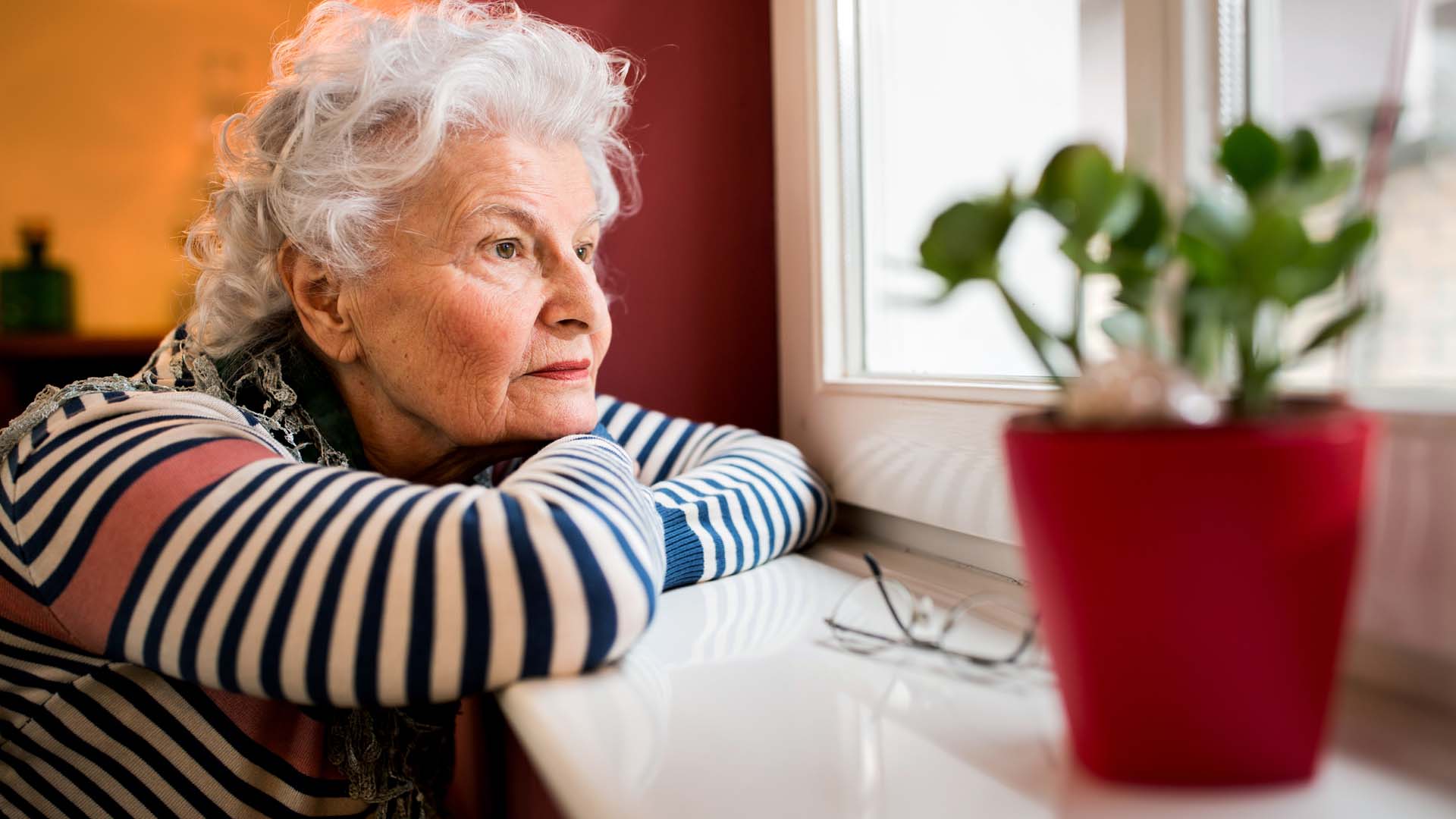
“I’m relieved to be a widow”
Dr Miriam Stoppard encourages a widow to carry on enjoying her new solo life, no matter what her children think.
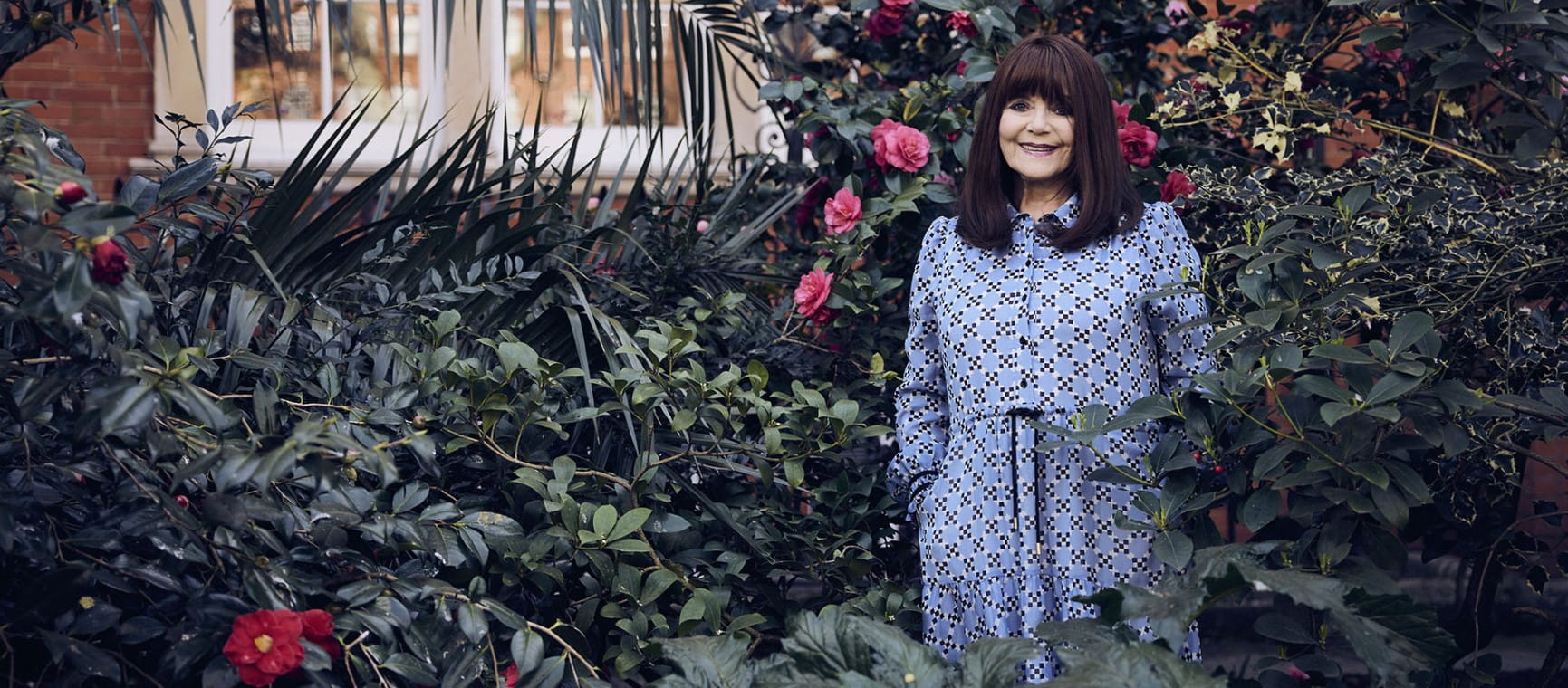
Dr Miriam Stoppard encourages a widow to carry on enjoying her new solo life, no matter what her children think.
I’m 75 years old and have recently become a widow. I know this sounds awful, but I’m relieved. I was a carer for my husband for the last 12 years of his life when he was wheelchair bound after a stroke. He became very grumpy and bitter – not the man I married, who I did love.
I stuck with him because after all I had signed up to marriage “in sickness and in health”, but it nearly finished me off, I must say. Now he’s gone I really feel like I’ve got my life back and want to make the most of what time I have left, but my adult children are behaving really resentfully, saying that I seem glad that their dad is gone and am not mourning properly.
I’m loving yoga classes and meeting new people which I haven’t been able to do for so long, as I couldn’t leave him – he refused respite care. I would also like to do things like book a cruise and visit friends abroad – but my children have implied that I shouldn’t be spending what they see as their dad’s money which should all come to them when I die.
I’m furious and disappointed but I don’t want to come across even worse than the picture they’ve painted of me. How can I broach this?
It doesn’t sound awful to say you’re relieved to be a widow, not given the life you’ve had. Truth told, many women feel the same when they either find themselves alone or take the decision to live alone after being in a marriage that really didn't measure up to their needs and their desires.
I have great sympathy for your being a carer to your wheelchair-bound husband for the last 12 years. That’s an enormous burden to bear. I was carer to my husband only for three years as he developed worsening dementia, but it was enormously stressful, taxing and exhausting. After 12 years, I'm not surprised you feel a sense of relief.
The bottom line is, you’ve got your life back and I’d advise you not to take any notice of your disparaging children who, incidentally, are behaving really badly. Frankly, I would dismiss all the unpleasant and negative things they're saying to you. Don’t listen to any of them. Simply ignore their comments, and start to plan the life you’ve always longed for. Visit your friends abroad, take that trip you’ve dreamed of, go on the cruise to exotic countries as you’ve imagined in the past.
I’m not encouraging you to be selfish, I’m encouraging you to look after yourself. You might be interested in some new research which shows people who pay attention to the things they like, then take action and do them, are feeding the brain in such a way that it helps protect against dementia.
A sound reason to live the life you have always wanted to, and promote your health, happiness and your longevity too.
If you have a problem for Dr Miriam, please email askdrmiriam@saga.co.uk. All emails are treated in confidence.
(Hero image credit: Alun Callender)

Including exclusive savings for Saga Magazine subscribers, and a special discount of up to 10% when you book two or more cruises back-to-back.
.jpg?la=en&h=549&w=823&hash=85077D343B0A5A78958C76A24A1B44E8)


Deborah Chambers was left feeling shaken and low by her midlife divorce. One day she embraced her silver hair - and a new world of opportunities opened up.
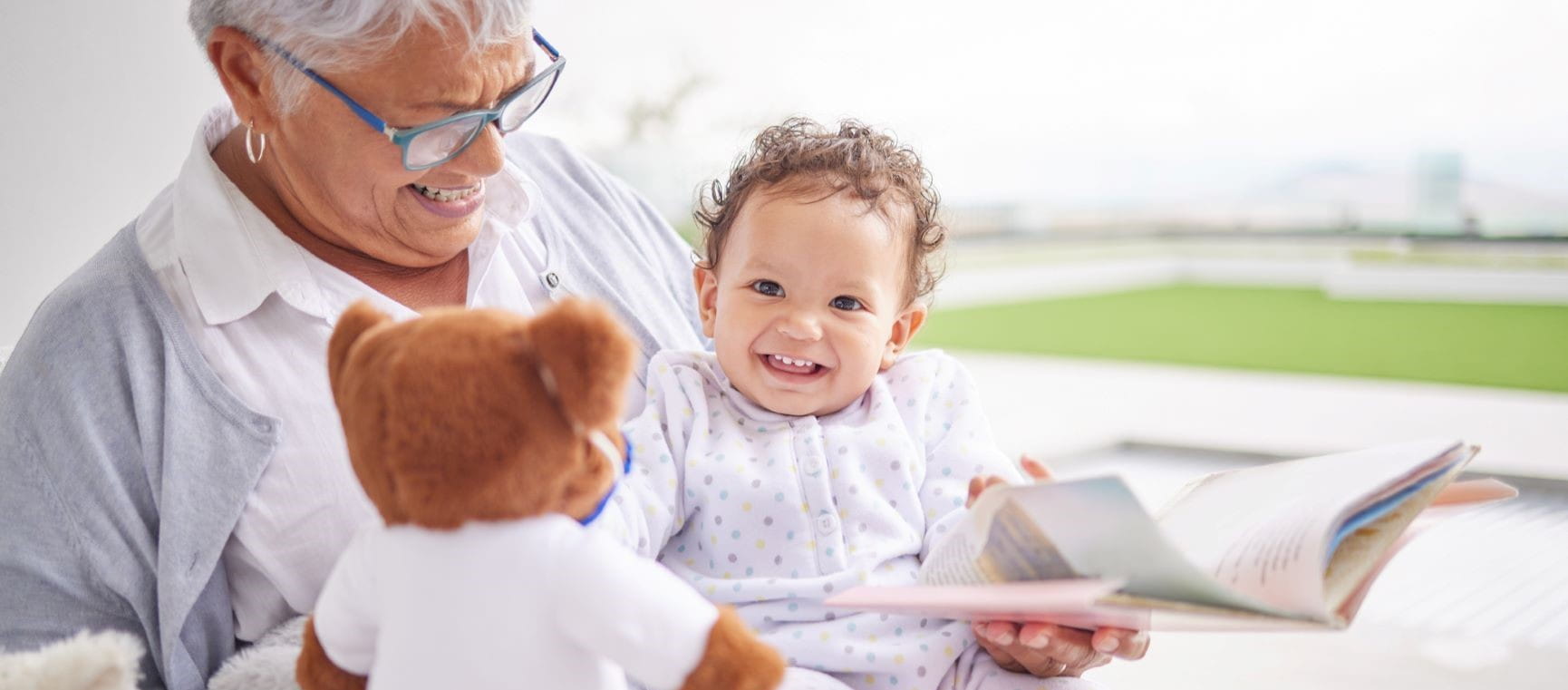
The joy of a first grandchild can also create new challenges. We've got the best advice on how to navigate becoming a first-time grandparent.
Dr Miriam Stoppard tells a woman whose new relationship lacks physical fire to allow time for the spark to build up into a blaze.
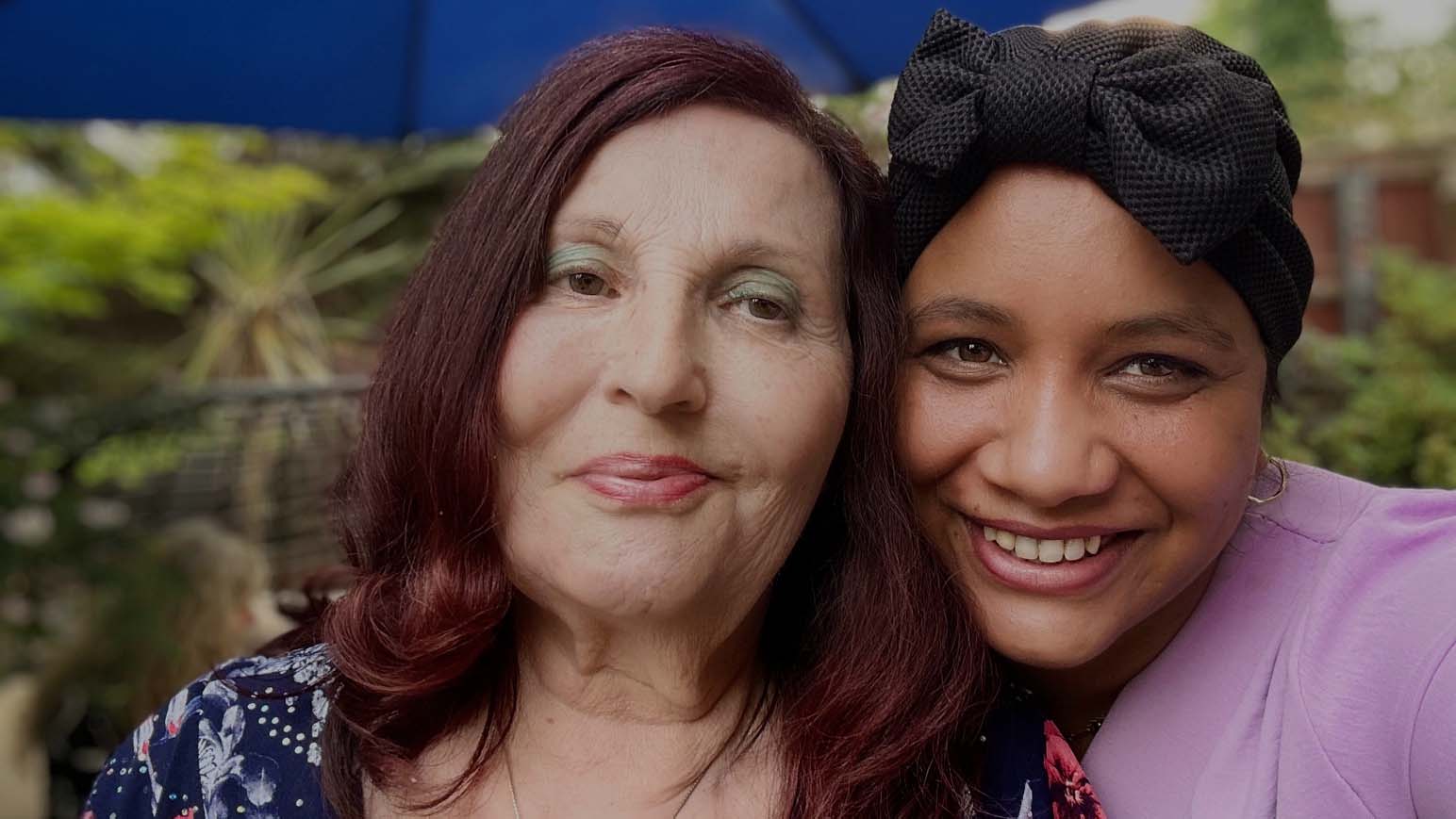
The power of age gap friendships - we share the benefits and how to make them.
.jpg?la=en&h=576&w=823&hash=4516D8557DC47B1E21444166FFB91605)

As a growing movement tries to address the fact that one in five men say they have no close friends, we explore the roots of male loneliness and find out what we can all do to help.