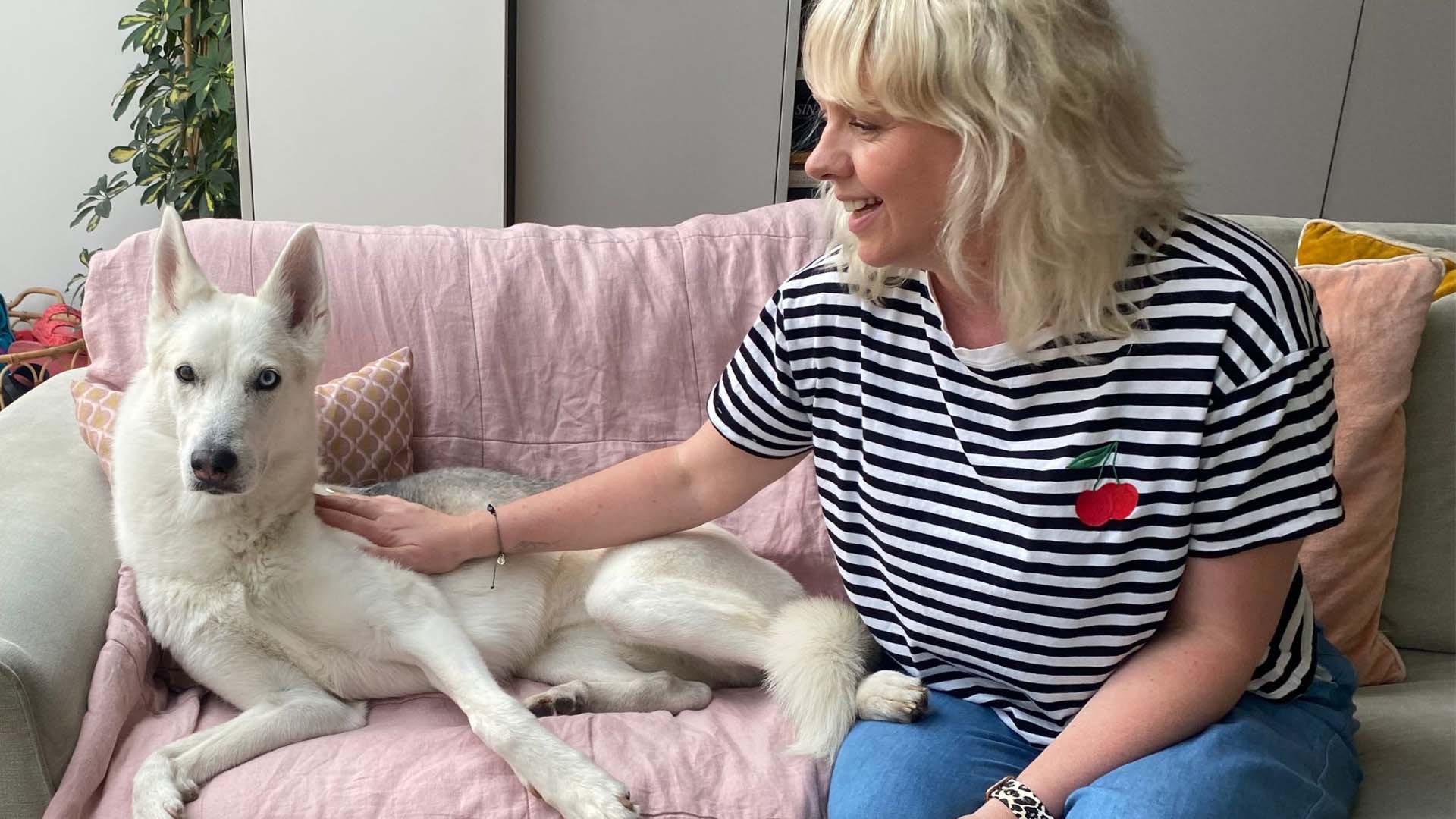
The hidden signs your pet is ageing
From stiff joints to memory loss, experts reveal the early warning signals every owner should know and how you can help.

From stiff joints to memory loss, experts reveal the early warning signals every owner should know and how you can help.
We often assume that our pets will slow down as they get older. They might tire quickly on walks, hesitate before they leap onto the sofa or start to look a little scruffy. Often, we can do small things to help, especially if we notice signs early.
“Not everything is curable, but there are ways to make animals more comfortable so that they can lead happy, interesting lives,” says Roisin Bolger, a vet at the animal charity Blue Cross.
Here, we look at the key signs of ageing, including some you might miss, and how you can best support your pet.
“Many cats spend a large proportion of their lives in old age,” says feline behaviourist Lucy Hoile. Cats are considered senior from age 11, but mature from seven, when signs of ageing may start. Moggies live on average until they’re 14, pure breeds until 12 and some cats until their early 20s.
Deciding when a dog is senior is harder. Many vets use a rough 15-9-4 rule: the first canine year equals 15 human years, the second adds nine, the subsequent ones add four. “Dogs age quickly in the first few years,” says Aideen O’Connor, senior vet at Dogs Trust. “Then the pace slows.” Ageing is also breed dependent: a Saint Bernard (average lifespan: 9) may be considered old long before a Miniature Dachshund (average lifespan: 14).
Both dogs and cats may suffer from osteoarthritis. It affects up to 90% of cats over 12 and 60% of cats over six. Dogs tend to be affected between the ages of eight and 13. “Almost all dogs will get arthritis if they live long enough,” says Bolger.
Early signs can be subtle. “Cats might hesitate before jumping up somewhere or slide down surfaces paws first, rather than leaping off,” says Hoile, author of The Book Your Cat Wishes You Would Read (RRP £18.99, Orion Spring). Dogs might avoid stairs or look stiff when getting up. Later, they might grunt when rising or limp.
“By that point, they’ve probably had arthritis for a while,” says Bolger.
Place furniture near a favourite perch so cats can use it as a step and ensure litter trays have a lower lip.
For dogs, provide supportive bedding, keep walks short but frequent and watch their weight. “Fat drives pain,” says Bolger. “It releases chemicals that go into the pain pathways.”

Many pets suffer from failing eyesight, sometimes caused by cataracts. Cats and dogs might become more cautious as they move around, especially in low light.
“Their sense of perspective might be off,” says Bolger. “Where they used to be able to jump down a step, they might miss it.”
Cataract surgery is an option, although it can be expensive.
Avoid rearranging your home and keep essentials such as food and water bowls in the same place.
Take a torch on evening dog walks to help their vision.
It can be obvious when dogs start to lose their hearing: they might stop responding to their name or get confused about commands. But there’s also a subtler sign – they might bark more.
“People often say their dog is barking at nothing, but that might be because of their hearing,” says O’Connor. “They miss out on what’s happening and begin to experience the world differently. They don’t know how to react.”
Cats who are losing their hearing might also become more vocal, less responsive to everyday sounds and startle more easily. Watch for frequent ear-twitching: they might be trying to detect what’s going on.
Approach both cats and dogs within their eye line to avoid surprising them and use clear visual cues or hand signals.
Cats with significant hearing loss may be safer kept indoors or in a secure garden.
Walk dogs on a lead in busy areas and shake a jangly set of keys to get their attention from afar.

Many older cats and dogs show signs of dementia or cognitive dysfunction syndrome (CDS). Some studies suggest it affects as many as one in four elderly dogs and one in three cats, with most cases going undiagnosed.
Signs are easy to misread. “Some cats with cognitive dysfunction vocalise a lot during the night,” says Dr Madeleine Totham, a vet and cat behaviourist. “But cats also do this if they have hyperthyroidism (a relatively common disease in older cats).”
Dogs might also have disrupted sleep, their day-night rhythm flipping so they pace and howl when the house is quiet.
Confusion is common in both. “A bit like us, dogs walk into a room and you can see they don’t know why they came in,” says Bolger.
Cats can forget where their litter tray is, while dogs can forget their house training. Some cats become more clingy. “That can be a sign of anxiety,” says Dr Totham, “and is more common with age.”
Other pets become more withdrawn or, occasionally, aggressive.
Maintain a clear routine and avoid radical changes to your home’s layout.
The coats of older cats and dogs may look or feel different as they age. “Your dog’s coat may become scruffier or greasier because their metabolism is changing,” says O’Connor.
Cats might look scruffier because grooming is harder to manage. “Even short-haired cats might get matted at the back because it’s difficult for them to reach that area,” says Hoile. “They might develop a clumpy coat, where you can see gaps between the fur.”

Gum disease is extremely common in older dogs and cats. “They might look like they’re not hungry or their food keeps dropping out of their mouth,” says Bolger. “They might also have bad breath.”
Increased thirst can be a symptom of diabetes, which can develop in older cats and dogs.
Take your pet to the vet as soon as possible. “Removing a couple of painful teeth can make a remarkable difference to their wellbeing,” says Bolger.
Learn about driving with pets from Saga car insurance
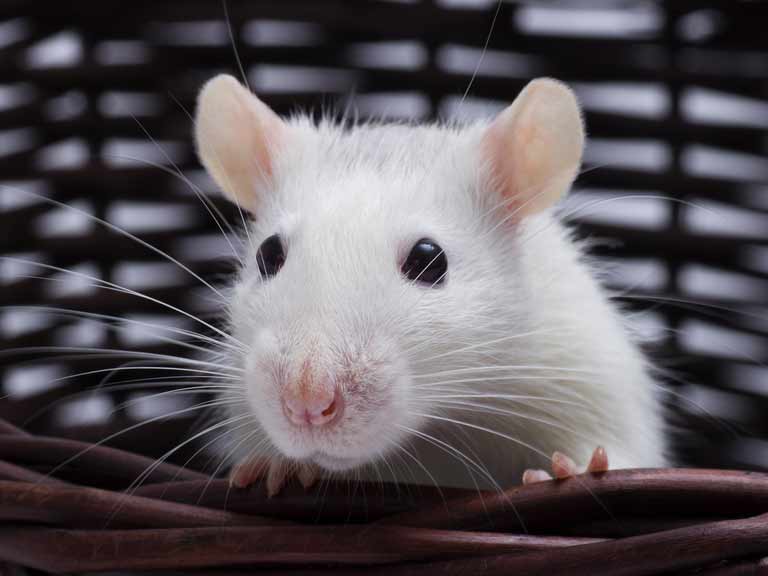
Rabbits, guinea pigs and hamsters show their age in subtle ways. They’re often missed because we don’t interact with them as much as cats and dogs. “They also conceal weakness because, in the wild, it might be fatal,” says Bolger.
You might notice them moving more cautiously, tiring more easily during play or becoming fussier with food. Their coats often lose shine and they may groom less, leading to slight matting.
Spotting signs of ageing can reduce pain and discomfort for your pet. “If you get to the stage where they’re growing old, then you’re lucky they’ve had a long life,” says O’Connor. “It’s a privilege.”
(Hero image credit: Getty)


Be the first to know when your dogs and cats can join the Saga family too.

From UK stays to global getaways, Saga Travel Insurance has a policy to suit you with 5 cover options.
All come with a 24/7 GP Service, no upper age limit and most pre-existing medical conditions covered.

Some dog gadgets are genuinely useful. Here’s the tech that’s worth the money and why.