How much exercise does your dog really need?
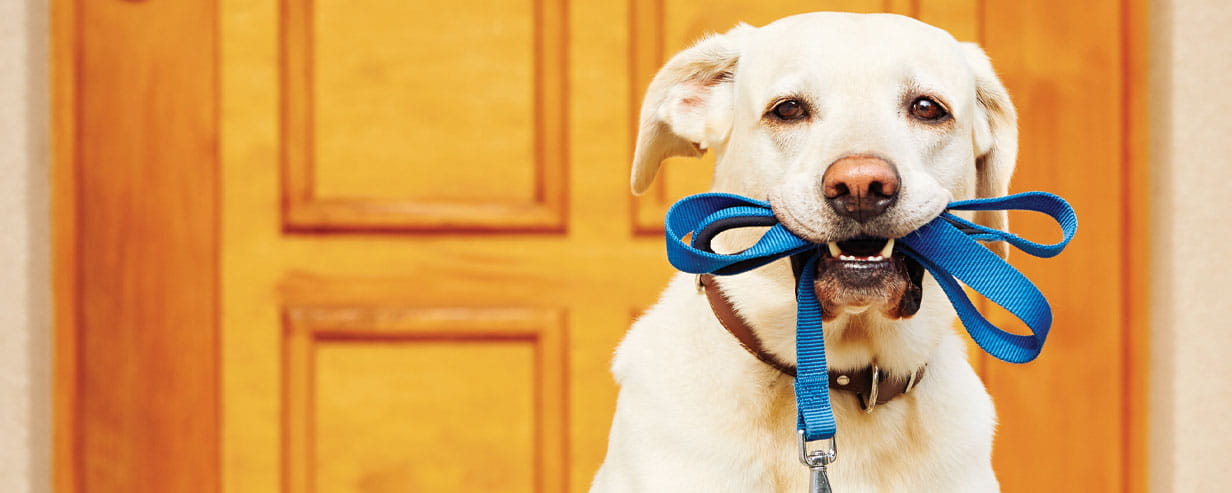
Think Greyhounds are high maintenance? Or that Cockapoos are lapdogs? Two experts reveal how much you should walk your dog every day.
Think Greyhounds are high maintenance? Or that Cockapoos are lapdogs? Two experts reveal how much you should walk your dog every day.
For dogs, exercise is far more than a workout. It’s also mental stimulation and time to socialise. “Exercise is the joy of a dog’s life,” says Aideen O’Connor, senior vet at Dogs Trust.
Dogs need exercise to strengthen their heart, build muscle to protect their joints and keep their weight in check. “Too little exercise and they might also not get enough sleep,” says O’Connor. “They might struggle to concentrate the next day.” They might even start destroying the house.
So how much exercise is enough? Breed and age are important factors, although you will also need to consider the temperament, fitness and energy level of your dog.
The categories below are purely a guide.

Toy breeds, such as Yorkshire Terriers, Pugs, Chihuahuas, Cavalier King Charles Spaniels, Bichon Frises and Toy Poodles, were developed for companionship and tend to be suited to a largely indoor life. They still need exercise – Yorkies and Toy Poodles can be particularly lively – just often in shorter bursts.
Short bursts are especially important for brachycephalic breeds such as Pugs and Cavalier King Charles Spaniels, whose flattened faces crowd their airways and make breathing difficult. They can struggle to cool down and are prone to heatstroke.
“They need exercise little and often rather than all in one go,” says Róisín Bolger, a vet at Blue Cross. If they’re breathing noisily after exercise, move them into the shade, cool them with running water and call a vet if they don’t recover quickly.
Dachshunds need at least an hour’s exercise a day – 30 minutes for miniatures – split across two walks, mostly on flat ground. “Their little legs and long body mean that they’re prone to spinal conditions,” says Bolger. “They shouldn’t be doing a lot of twisting and turning and jumping.”
Greyhounds need a similar amount, even if they are considerably faster. “They have bursts of energy,” says Bolger. “Many enjoy two 30-minute walks a day, with a run in an enclosed space a few times a week. The rest of the time, they often love to lie around.” They do, however, have a high prey drive, so in open spaces, keep them on a lead.
The 5 biggest dog–walking problems – and how to fix them.

Jack Russells were bred to flush out foxes, while West Highland Terriers were developed to hunt rats. Both need at least an hour’s exercise a day and to be kept mentally busy between walks. “They just want to be occupied,” says O’Connor.
Cocker Spaniels need at least an hour too, ideally with good stretches off the lead. Bred to flush woodcock from undergrowth, they are happiest when following a scent and have space to explore. They may get frustrated if they’re always on a short lead.
Find out the six best dog breeds for older people.

These working dogs like to be physically or mentally stimulated as much as possible. Labradors and Golden Retrievers were developed to retrieve game across all terrain and in all weathers; Border Collies to manage flocks across miles of open hillside. “They have such active minds,” says O’Connor. “They thrive when they’re getting sufficient exercise.”
Sufficient exercise doesn’t necessarily mean a 20-mile trek. Border Collies may enjoy agility and anything that gives them a sense of purpose. Vizslas and Weimaraners need vigorous activities and may become destructive and anxious without it.
Siberian Huskies and Alaskan Malamutes can hike for hours, although their dense coats mean they can overheat quickly. In the summer, keep exercise to first thing in the morning and once the sun starts to go down.
Even if your dog enjoys a long stretch of exercise, spread the total amount across the day. “If you walk your Retriever for two hours in the morning and then they sleep for the rest of the day, they’ll be looking for entertainment by the evening,” says O’Connor.
If you have a poodle cross, expect a mix of traits. Working crosses such as Labradoodles and Cockapoos often need more physical and mental stimulation, while companion crosses such as Cavapoos may be happier with a less demanding schedule.
“When you get a crossbreed, you need to be very aware of their mix. You can’t always predict which traits they’ll inherit,” says Bolger.
8 everyday signs that reveal what your dog is thinking.

Their bones and joints are still forming. Aim for no more than five minutes of exercise per month of age, up to twice a day.
They should be short, leisurely walks on flat ground.
Labradors, Golden Retrievers and similar breeds don’t reach skeletal maturity until 12 to 18 months.
Save the long hikes for after their first birthday.
This is especially important for large, deep-chested breeds, such as Great Danes, Weimaraners, St Bernards and Boxers.
Exercising them on a full stomach raises the risk of GDV, a potentially fatal condition in which the stomach twists. Wait at least an hour.
“As owners, we need to make sure we’re not pushing our dog to a level of discomfort,” says Bolger.
“They don’t connect any pain they have one day with recent exertion. They just want to be part of the gang.”
(Hero image credit: Getty)


Be the first to know when your dogs and cats can join the Saga family too.

Whether you're looking for straightforward insurance or cover that's packed with extras, our home insurance has plenty of options for people over 50.

Some dog gadgets are genuinely useful. Here’s the tech that’s worth the money and why.