10 ways to keep your pet safe, warm and happy this winter
From frosty walks and icy paws to cosy beds and indoor play, experts explain how to help pets thrive in colder weather.
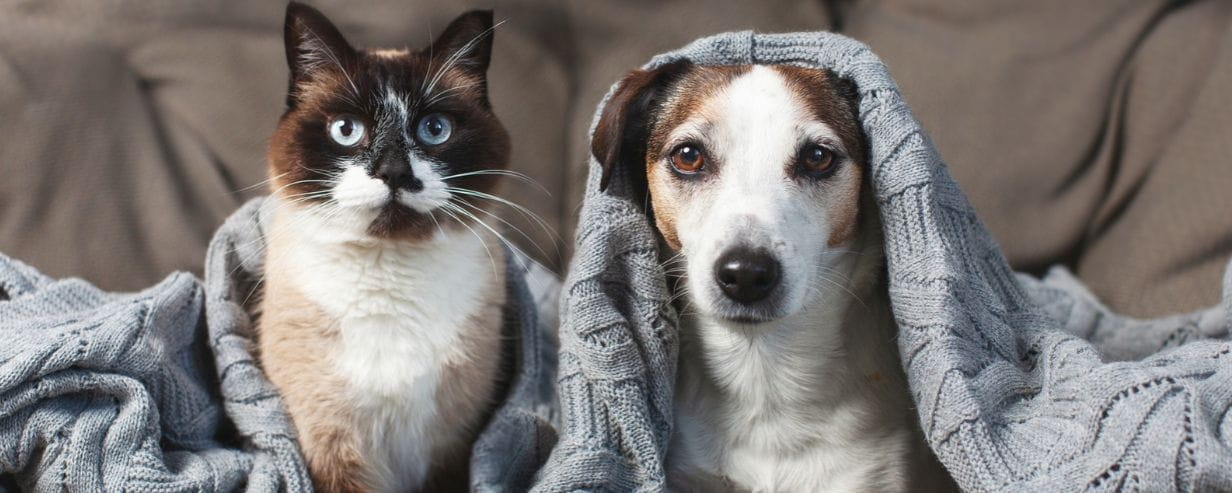
Getty
From frosty walks and icy paws to cosy beds and indoor play, experts explain how to help pets thrive in colder weather.
When winter arrives, we reach for an extra jumper and turn up the heating. But what about our pets? Some dogs relish a frosty morning, while others would prefer to curl up under the duvet. Cats, rabbits and guinea pigs all have their different needs when temperatures fall.
A few easy changes can make life so much more comfortable for our animals, says pet-care expert Zita Wells of Pet Patrol 365.
A Siberian Husky may love a snowy walk, while a Whippet can’t wait to get home. Age and health also make a difference, says dog trainer Nina Fotara of Confident Canine.
For dogs who struggle with chilly conditions, she suggests shorter, more frequent walks. Watch for shivering, repeatedly lifting paws or turning towards home.
“Fifteen minutes of relaxed sniffing and exploration can offer more valuable enrichment than a longer, hurried walk,” she says, advising trying a sheltered route or waiting for milder weather if your dog is reluctant to go out.
After dark, use reflective leads or collars. Keep dogs away from frozen ponds and lakes, where ice may be dangerously thin, she adds.
Cats who spend time outdoors need somewhere warm and dry to retreat to. “If they use a cat flap, check that it hasn’t frozen shut so they can get back inside whenever they want,” says Zita.
She recommends offering a sheltered spot in a shed or outbuilding or an insulated cat shelter raised off the ground.
“Straw is better than blankets in shelters that might become damp as it retains less moisture and helps cats stay warm,” she explains.

“During severe winter weather, I wouldn’t rely on a traditional outdoor hutch alone,” warns Zita. The RSPCA advises bringing guinea pigs indoors when temperatures fall below 15ºC.
Healthy rabbits accustomed to outdoor living may tolerate colder conditions, but their housing must be dry, insulated and ventilated. The RSPCA recommends moving their accommodation into a shed, outhouse or unused garage as temperatures approach freezing.
Provide dry bedding, check drinking water for ice and avoid repeatedly moving outdoor rabbits between freezing conditions and centrally heated rooms, advises Zita.
Greyhounds, Whippets and some short-coated gundogs may benefit from a winter coat, along with puppies, older dogs and those with certain health conditions.
“A good winter coat should provide appropriate protection without restricting movement, rubbing, trapping excessive heat or interfering with the dog’s ability to toilet,” Nina explains.
If your dog dislikes clothing, introduce the coat gradually. Place it on the floor and reward them for investigating it, before encouraging them to put their head through the opening. Watch for freezing.
“Stillness does not necessarily mean acceptance,” warns Nina. If your dog remains unhappy, try shorter walks in milder weather.
Road salt and grit can irritate dogs’ paws, while ice may collect between their toes. Dogs can also swallow harmful substances when licking their paws after walks, warns the PDSA.
“After walks, I would always recommend checking your dog’s paws and gently rinsing them with lukewarm water if they’ve been exposed to grit or salt, before drying them thoroughly, including between the toes,” says Nina.
Look for redness, cracks or limping, while for dogs with excess hair between their paw pads, ask your groomer or vet whether careful trimming could help prevent ice and debris accumulating.
Paw balms may help protect the skin, while properly fitted dog boots can be useful in icy conditions.

For cats, Zita recommends wand toys that mimic prey.
“Always allow your cat to catch the toy occasionally so the game remains rewarding,” she says. You could also hide small portions of dry food or use a puzzle feeder.
For dogs, Nina suggests an exploration box. Put safe toys, cardboard tubes or scrunched paper in a shallow box, then hide a little food among them. “I particularly like this activity because it gives dogs opportunities to explore, make choices and interact with their environment without being constantly directed by their owner,” she says.
Supervise your dog in case they swallow paper or cardboard, and allow plenty of quiet time, too.
Cold weather can make stiff, painful joints even more uncomfortable for pets with arthritis, according to the RSPCA.
Cats often hide signs of pain. They might stop jumping onto furniture, hesitate on stairs or groom themselves less often, explains Zita.
“Simple changes around the home can help,” she adds, and recommends ramps or steps to reach favourite resting places, supportive bedding and accessible food, water and litter trays.
Older cats may appreciate a warm, low-sided bed, while dogs with arthritis generally benefit from regular, gentle exercise. Consult your vet about persistent stiffness or pain and never give human painkillers without veterinary advice.
“A cat that spends most of the winter curled up indoors may need fewer calories if it’s exercising less,” says Zita.
Conversely, an active outdoor dog spending considerable time in the cold may need more food. Monitor your pet’s weight and body condition rather than automatically increasing portions.
For rabbits, unlimited good-quality hay remains essential for digestion. Outdoor rabbits may need more food to keep them warm during prolonged cold weather but introduce dietary changes gradually, says Zita.

Antifreeze containing ethylene glycol is extremely poisonous to pets, particularly cats, which can ingest it when grooming contaminated paws.
“Even a tiny amount can cause potentially fatal kidney damage, so spills should be cleaned up immediately and containers stored securely,” warns Zita. Seek emergency veterinary advice if you suspect exposure, even if your pet appears well.
Cats may also shelter beneath parked cars or around wheel arches. Check before starting the engine.
Alabama rot is a very rare but potentially life-threatening disease that’s more common in winter and spring, particularly among dogs walked in muddy woodland areas, according to government guidance. Its cause remains unknown.
Symptoms include unexplained sores or ulcers, particularly on the legs and paws, but sometimes on the nose or tongue. In serious cases, dogs may become lethargic, lose their appetite, vomit or drink more as their kidneys are affected, according to the PDSA.
Nina recommends washing and drying dogs’ paws and lower legs after muddy walks, while checking for lesions.
“Washing hasn’t been scientifically proven to prevent Alabama rot, but it does provide a valuable opportunity to spot changes early,” she says. Get prompt veterinary advice if unexplained skin lesions appear or your dog seems unwell.


Be the first to know when your dogs and cats can join the Saga family too.
Find out about Saga’s walking holidays here…
Saga’s walking holidays are perfect for exploring Europe’s stunning destinations on foot. They’re suitable for all fitness levels and offer a well-balanced mix of guided walks and relaxation.

Some dog gadgets are genuinely useful. Here’s the tech that’s worth the money and why.