10 simple ways to give your dog a happier, healthier life
From letting them stop and sniff to giving them more choice, small changes can make a big difference to your dog's wellbeing.
Getty
From letting them stop and sniff to giving them more choice, small changes can make a big difference to your dog's wellbeing.
As dog owners, we would all do anything to keep our faithful friends happy and healthy.
But improving their lives doesn’t have to mean buying expensive beds, special treats or yet another toy.
Some of the simplest things can make the biggest difference to their wellbeing. Paying closer attention to our dogs’ everyday habits and needs can help us improve their comfort and happiness, says dog trainer Joe Nutkins.
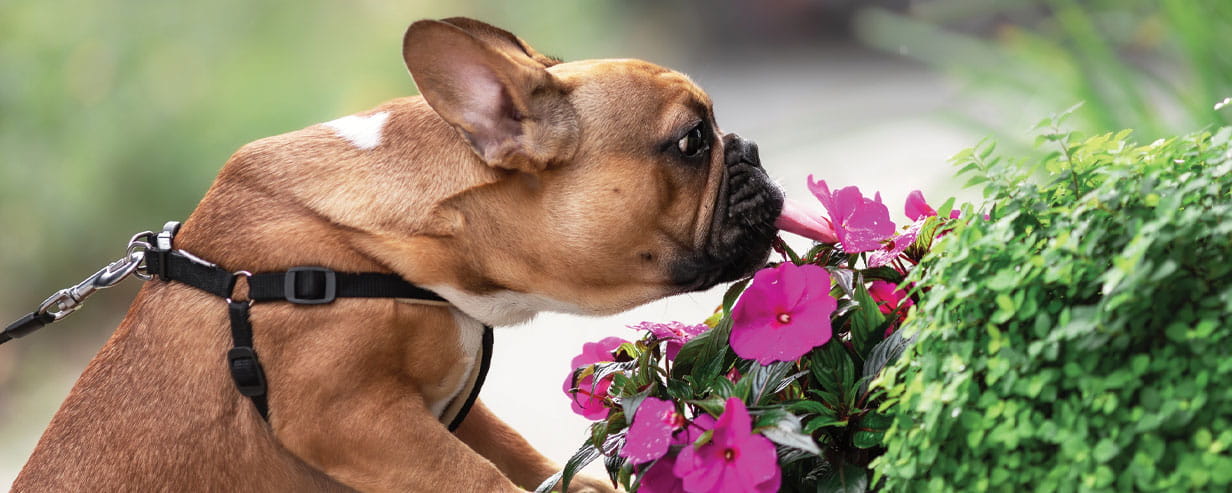
“A good walk isn’t about covering a certain distance or coming home with an exhausted dog,” says dog trainer Niki French, author of STOP! Walking Your Dog Volume 2.
“Dogs can find it far more enjoyable when they have time to sniff, pause and make safe choices along the way.”
For nervous, reactive or easily overstimulated dogs, a shorter walk somewhere quiet may be better than a busy outing. Some may benefit from an occasional day without a walk, provided they still get exercise, mental stimulation and toilet breaks, says Niki.
Offering your dog a choice can give them a greater sense of control, says Niki. “This doesn’t mean letting them do whatever they want,” she says. “It means giving them safe options whenever we can.”
Try offering your dog two toys and letting them pick one or allowing them to choose where to settle. Even apparently identical chews may appeal to them differently.
“Four pieces of natural tripe stick might all smell identical to us, but our dogs often want to check each one carefully before picking the one they want today,” says Niki.
Scatter a few pieces of your dog’s usual food around a space and encourage them to sniff them out, suggests Niki.
“Start somewhere easy, such as a room or the garden, and gradually make the searches more interesting by using different safe surfaces or hiding food near objects or at different heights,” she says.
This game is great for stimulation and can be particularly useful for less mobile dogs or for distracting a dog from something worrying or exciting on a walk. Use part of their regular food allowance to avoid extra calories, advises Niki.

Pugs, beagles and golden retrievers are among the breeds most prone to being overweight, according to a 2021 study by the Royal Veterinary College (RVC). Middle-aged and neutered dogs are also at greater risk.
“When you look down at your dog’s waist from above you should see the waist curve inwards,” says Joe. You should also be able to feel their ribs beneath a thin layer of fat. As body shape varies between breeds, ask your vet what a healthy weight should look like for your dog.
Measure portions, track treats and make sure everyone knows who’s feeding the dog, advises Joe. Some owners only realise their pet has been given the same meal twice when it starts putting on weight.
A luxurious dog bed may look lovely in your living room, but your dog might prefer to sleep somewhere else. “Watch where and how your dog chooses to sleep,” says Niki.
“Some prefer a firm, flat surface, some need more support, and others move between cooler and warmer places.”
Joe’s Norwich Terrier, Merlin, switches between a flat bed, the cool floor and a cosy, high-sided bed throughout the day. For older dogs or those with painful joints, check the mattress support, she says.
Place beds away from draughts and busy thoroughfares, advises Joe. If your dog suddenly struggles to settle or abandons a favourite sleeping spot, consider a vet check, adds Niki.
Smaller dogs are particularly vulnerable to dental problems. A 2021 RVC study, involving more than 22,000 dogs, found that 12.5% had been diagnosed with periodontal disease in a single year. Dogs under 15kg had around two-and-a-half times the odds of a diagnosis compared with those weighing 30-40kg.
Watch for inflamed or bleeding gums, changes in eating habits or reluctance to chew toys, advises Joe. “The best way to look after your dogs’ teeth is daily brushing,” she says.
Use dog-specific toothpaste as human toothpaste can contain xylitol, which is toxic to dogs, warns the PDSA. If brushing is difficult, Joe suggests dental wipes, although these are less effective than brushing.
Dental chews can help, too, but avoid very hard ones that could damage teeth, says Blue Cross. Neither replaces brushing.

Overgrown claws can cause pain and mobility problems, warns the RVC. “Long nails are uncomfortable and are also more likely to become damaged or be torn out during play or running,” says Joe.
Check the fur around your dog’s paws, too. Long hair can trap grass seeds and thorns, while fur covering the pads can make dogs slip, she adds.
According to the PDSA, long-haired breeds may need daily brushing, while short-haired dogs can often manage with weekly grooming. Poodle crosses such as cockapoos and cavapoos can develop mats close to the skin even when their coats look tidy, warns Joe.
“Grooming regularly also allows owners to get to know how our dog’s body feels so we can notice a new lump, wound or tender area sooner,” she adds.
If your dog hesitates before going downstairs, takes longer to get out of bed or avoids favourite games, they might have arthritis, says Joe. The condition can affect dogs of any age. Ask your vet to check any changes in movement.
“Ensuring your dog isn’t slipping on laminate flooring makes a huge difference to a dog experiencing arthritic pain,” adds Joe. Non-slip rugs or mats can help, particularly along routes your dog uses regularly.
Dogs that have become hesitant around unfamiliar objects or seem unsettled when furniture is moved may be suffering from deteriorating eyesight.
Hearing loss can be harder to spot: your dog might stop waking when you arrive home or responding to words such as “walk” or “treat”, says Joe. If you suspect either, seek advice from your vet.
Keep furniture in familiar positions if your dog’s eyesight is failing, says Joe. “If their hearing is getting worse, introduce hand signals,” she adds. And keep talking to your dog. Your gestures, expressions and eye contact all help maintain communication.
A dog who paces, barks, constantly demands attention or struggles to settle may benefit from a quieter environment and fewer activities, says Niki.
“I often see dogs become calmer when their owners stop trying to exhaust them and begin balancing activity with downtime,” she says.
If your dog’s behaviour has changed over time, see a vet to rule out pain or illness. But if your dog is happily snoozing away while you’re pottering around the house, let them rest.


Be the first to know when your dogs and cats can join the Saga family too.
Find out about Saga’s walking holidays here…
Saga’s walking holidays are perfect for exploring Europe’s stunning destinations on foot. They’re suitable for all fitness levels and offer a well-balanced mix of guided walks and relaxation.

Some dog gadgets are genuinely useful. Here’s the tech that’s worth the money and why.