This article is for general guidance only and is not financial or professional advice. Any links are for your own information, and do not constitute any form of recommendation by Saga. You should not solely rely on this information to make any decisions, and consider seeking independent professional advice. All figures and information in this article are correct at the time of publishing, but laws, entitlements, tax treatments and allowances may change in the future.
Cryptocurrencies have hit the headlines yet again in recent weeks. At the start of December, the price of a single Bitcoin – the best-known cryptocurrency – hit $100,000 (£78,000) for the first time. It has increased in value by a factor of six since 2022. Ten years ago, each Bitcoin was trading at just $320.
Bitcoin and other cryptocurrencies are expected to be major beneficiaries of Donald Trump’s victory in the recent US presidential election. The president-elect has promised to reduce the amount of regulation in the area, while also promoting more widespread use of digital currencies.
But what is crypto and what do you need to know about it?
What’s on this page?
Cryptocurrencies are an asset that only exists online. They’re also called “cryptoassets”, because unlike traditional currencies, in most cases you can’t easily use them to pay for goods and services.
“Cryptocurrency is a form of digital currency that exists only online and uses secure technology called blockchain to manage transactions,” says Michał Kurdziel, an investment consultant and entrepreneur.
If you’re not familiar with blockchain, it’s essentially a digital ledger of transactions. Each “block” in the chain contains a record of multiple database transactions, and every block is linked to the one that came before it. This creates a continuous chain of information, and it’s very difficult to change any of the information inside the blocks, which helps to make the system secure.
Kurdziel adds: “Unlike traditional currencies such as dollars or euros, cryptocurrencies aren’t issued or controlled by governments or banks. Instead, they rely on decentralised systems, meaning no single person or organisation has authority over them.” Blockchain is decentralised because it’s run by a network of computers, rather than a central authority.
“Unlike traditional currencies such as dollars or euros, cryptocurrencies aren’t issued or controlled by governments or banks. Instead, they rely on decentralised systems, meaning no single person or organisation has authority over them.”
Lukman Otunuga, senior market analyst at trading platform FXTM, adds that cryptocurrency uses cryptography for security. “This means it is nearly impossible to counterfeit or double-spend,” he says.
“The primary purpose of cryptocurrency was to offer an alternative to traditional currencies, enabling peer-to-peer transactions without intermediaries like banks.” The access to cryptocurrency is controlled by a secure online digital wallet.
This wallet is proof of ownership of a particular cryptocurrency – although the currency itself is held on the blockchain database.
Adrien Stern, founder and CEO of payments firm Reveel, says: “While you can spend it for some goods and services, not everyone will accept cryptocurrency. Some merchants, online shopping platforms and physical shops have started accepting cryptocurrency, but it is not yet mainstream.”
Stern says that a benefit of cryptocurrency is that it “cannot be devalued by poor monetary policy or inflation”. But Otunuga says: “Unlike traditional currencies, cryptocurrencies are not backed by a government or physical assets, making their value more volatile.”
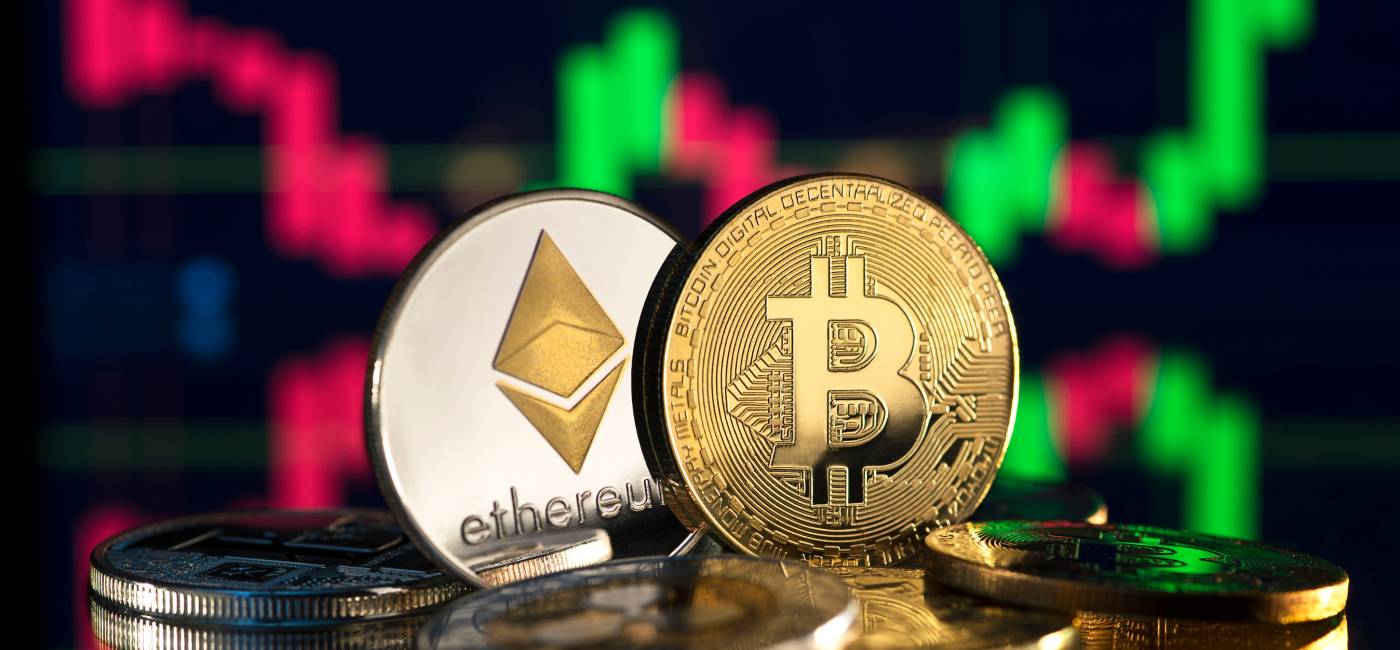
“Thousands of different cryptocurrencies exist, but the ones we see most referenced are Bitcoin and Ethereum,” says Stern. Categories of cryptocurrencies include stablecoins, such as Tether and USD Coin, and memecoins, such as Dogecoin. Binance Coin, Solana and XRP are other examples of cryptocurrencies.
Because Bitcoin dominates the market, cryptocurrencies that aren’t Bitcoin (and sometimes Ethereum) are known as altcoins.
Bitcoin is the original cryptocurrency, developed 15 years ago. Kurdziel says: “It was introduced in 2009 by an anonymous person or group of people using the name Satoshi Nakamoto.” Efforts to track down or unmask Nakamoto have so far been unsuccessful. Kurdziel adds:
“Bitcoin was created to offer an alternative to traditional money systems, especially after the global financial crisis of 2008. Its purpose was to give people more control over their finances, reducing the reliance on banks and governments.”
“Bitcoin has been so successful because it was the first of its kind,” says Stern. “Many people in the crypto world see it as having a lot of authority, and for that reason, it has garnered a lot of trust and recognition.”
Kurdziel adds: “Bitcoin’s limited supply makes it scarce, similar to precious metals like gold, which appeals to investors. It has also become a symbol of innovation and financial freedom. Many see it as a ‘store of value’, like gold, protecting wealth from inflation and unstable economies.”
Otunuga says that Bitcoin’s recent price surge is also down to its increasing adoption and perception as a hedge against inflation. “Its future value will depend on regulatory developments, technological advancements and market sentiment.” For example, many experts believe that Donald Trump will make it easier to buy and sell cryptocurrency, or to include the likes of Bitcoin in personal investments.
Memecoins are typically based on an internet meme (a picture or image that has gone viral). They tend to be especially volatile.
The first and best-known memecoin is Dogecoin, which has been boosted by support from Elon Musk (Tesla, where Musk is chief executive, is one of a few businesses that accepts it as payment). The coin is based on a meme featuring a shiba inu dog and was launched in 2013 by software engineers as a parody of the crypto market. It is currently worth $60bn. The second most popular memecoin is Shiba Inu.
Memecoins, which don’t claim to have any utility, have become more popular through 2024 and have risen further because of Musk’s links to president-elect Donald Trump. According to crypto exchange CEX.IO, the combined market capitalisation of memecoins has risen 330% from January 1 to December 1 2024. They are still a small part of the crypto market at 3.16% (up from 1.3% at the start of the year).

Stablecoins are a type of cryptocurrency that are backed by a specified asset (or basket of assets). Usually this is a national currency, such as the US dollar. The issuers of a stablecoin own the same amount of a country’s currency as the coin they are issuing. In this way the value of a stablecoin is supposed to be pegged to the value of the currency.
This is intended to make stablecoins less volatile than other cryptocurrencies which often do not have assets as backing. Tether is the best-known stablecoin, tied to the US dollar. Others include USD Coin and Stasis Euro (pegged to the Euro).
Currency-backed stablecoins are also known as fiat-pegged stablecoins. Less commonly, there are also commodity-pegged stablecoins, US Treasury-backed stablecoins and even crypto-backed stablecoins.
Stern believes it is more likely that cryptocurrencies will exist alongside traditional currencies, rather than make them obsolete. “There are a number of obstacles, including volatility, while governments and central banks aren’t too keen on relinquishing the control they have over our current monetary systems,” he explains.
“Currently, the technology infrastructure just isn’t built to withstand the high transaction speeds needed for mainstream use. Cryptocurrencies are still something of a work in progress.”

Recent rises in the price of Bitcoin have encouraged many people to invest in cryptocurrency, in some cases because of “FOMO” or fear of missing out. But there are significant potential downsides in doing so. The UK’s Financial Conduct Authority says that investing in crypto assets is “high risk and speculative”.
There have been numerous periods in recent years during which cryptocurrency values have fallen sharply in a short space of time. According to the FCA: “If you decide to invest in crypto then you should be prepared to lose all your money, for any one of a variety of reasons, including sudden market moves, the failure of a firm, poor segregation of client funds or cyberattacks.”
The regulator also notes that there are a large number of scams related to crypto investment. Use the FCA’s ScamSmart website for guidance, especially if you’re presented with an opportunity that sounds too good to be true.
Before deciding whether to invest in cryptocurrencies, it’s important to understand how they work, and the risks involved, including that you might lose all your money. For people who do want to take the risk, there are different ways to invest.
The main option is to buy crypto outright. You’ll be making a completely unregulated investment, so there’s no protection if something goes wrong. You could be vulnerable to online theft, and any mistakes in the transfer process could mean you lose access to your assets.
Cryptocurrencies are usually bought through a platform, such as Coinbase, Kraken or Binance. It’s worth being aware that not all banks allow payments to crypto exchanges.
There are also financial products linked to crypto, such as crypto exchange-traded products (ETPs), but these are only available to professional investors in the UK.
Bitcoin: The first cryptocurrency, invented in 2009 by an anonymous person (or people) calling themselves Satoshi Nakamoto. A response to the financial crisis, it was designed to be a currency that was free from political interference and bank involvement.
Blockchain: A string of connected online databases that record the ownership of digital assets and other transactions. The information on the blockchain is secure and encrypted, making it highly resistant to tampering.
Digital wallet: An online app that stores the passwords necessary to prove ownership of, and access, cryptocurrency stored on a blockchain.


With our Stocks & Shares ISA and General Investment Accounts. Capital at risk.

Find out what changes to the rates and allowances for capital gains tax could mean for you
.jpg?la=en&h=354&w=616&hash=1254A3F816E81965A47EA68E3AEC9F7A)
Our guide shows you how to exchange or sell your old coins and notes – including the easiest way to do it.

Discover our easy ways to take control of your finances, from doing your tax return to assessing your savings.

Swerve under-performing accounts and consider moving your money to savings products with market-leading rates.

Learn how much pension you need & get tips to boost your savings if you're short.

.jpg)

.jpg)