Advice based on recommendations from leading bodies (including RAC) and may vary according to your vehicle’s make, model and specifications. For specific advice, refer to your vehicle’s handbook.

Learning to drive in the UK involves more than mastering the roads. Since being added to the practical driving test in 2003 (and updated in 2017), ‘show me, tell me’ questions have formed part of how learners are assessed on basic car maintenance.
The questions require learners to understand the basic functions of their car’s controls, as well as the locations of the engine oil, brake fluid, and windscreen washer fluid refill points. Over 160,000 learners answer ‘show me, tell me’ questions as part of their driving test every month, according to the Driver and Vehicle Standards Agency (DVSA)*.
Despite this, more than half of drivers (54%) don’t feel confident in their basic knowledge of car maintenance, according to our survey of 1,000 car owners.
Neglecting to maintain your car under the bonnet could lead to unsafe driving, costly repairs, and even impact car insurance claims and breakdown cover if issues are found to be preventable.

According to our survey, more than half of UK drivers (55%) don’t think they’d be able to pass the ‘show me, tell me’ portion of the driving test if they took it today. Explore our interactive engine to test whether you can identify key features under the bonnet, from the engine oil dipstick to the brake fluid reservoir.
Regular maintenance of your car’s vitals is essential to keep your car running smoothly and safely.
Tim Rodie, resident motoring expert at Motorpoint, explains which maintenance tasks you should be able to tackle yourself, and which might require additional expertise.
Tim says: “Maintenance tasks that car owners should feel confident doing themselves include safe, simple and relatively quick tasks that don’t require any specialist tools or training.
“Everyday checks and maintenance, such as checking tyre pressure, topping up fluids and replacing wiper blades, headlight bulbs and air filters all come under the car owner's maintenance tasks.
“It’s time to take it to a professional when the job is safety-critical. Anything to do with diagnostics, brake repairs or electrical faults should be left to the mechanics, or you might face bigger repair bills and serious safety risks.”
Maintenance tasks don’t all follow the same schedule, and not all of them are suited to home handling. The table below shows how often key checks should be made and who is best placed to carry them out.
| Component | Frequency of maintenance | Who should perform this? |
|---|---|---|
|
Windscreen washer fluid |
Check level every few weeks |
DIY |
|
Tyre pressure |
Check levels monthly |
DIY |
|
Engine oil |
Check oil levels monthly (or weekly if you do a lot of miles) and before long car journeys |
DIY |
|
Engine coolant |
Check twice per year |
DIY |
|
Power steering fluid |
Every 40,000 to 80,000 miles |
Professional |
|
Brake fluid |
Every 24,000 miles, or every two years at latest |
Professional |
|
Gearbox oil |
Every 30,000 to 50,000 miles |
Professional |
|
Transmission fluid |
Every 30,000 to 60,000 miles |
Professional |
Advice based on recommendations from leading bodies (including RAC) and may vary according to your vehicle’s make, model and specifications. For specific advice, refer to your vehicle’s handbook.
Our survey found that only a third of UK drivers check their windscreen washer fluid (33%) and engine oil (28%) at least once a month.
More concerningly, many check these levels only when a problem arises, with 27% saying this is true for washer fluid and 20% for engine oil. This could leave drivers more vulnerable to preventable issues - from reduced visibility if they can’t properly clear a dirty windscreen, to more serious engine problems if oil levels are left too low.
Almost one in six drivers (14%) also say they have never checked their engine oil.
Regular maintenance is the best way to ensure your car keeps driving at its best. Luckily, most modern cars alert you when essential fluids are running low through dashboard warning lights.
Have you ever noticed a warning light on your car’s dashboard and ignored it? You might be struggling with dashboard blindness – it’s a common habit and symptoms include:
Our survey found that the average person ignores dashboard warnings for a week before addressing the problem, with half of drivers (51%) waiting a week or more before acting. Ignoring dashboard warnings could be a costly mistake, depending on the specific issue and whether it worsens before it’s addressed.
Two in five drivers (42%) weren’t confident in their understanding of dashboard symbols. Almost two-thirds (63%) would turn to Google upon spotting a warning light appearing, while almost a quarter (23%) would ask AI for help.
To help illuminate what these warning lights could be telling you, Tim explains why some dashboard symbols are often misunderstood and which ones drivers should act on most urgently.
He says: “Not all warning lights require urgent fixes, but it’s important to get them checked as soon as you can to be on the safe side.”

The engine light
“Some of the most misunderstood warning lights are often the ones we see occurring regularly. Motorists might panic when the check engine light comes on, but sometimes it’s due to a slightly off reading or a loose fuel cap. Either way, it’s important to double-check, even if it turns out to be an error.”
The tyre pressure warning light
“Another misinterpreted warning light is the tyre pressure light. You might assume your tyre is flat, but it can be triggered by a small change in tyre pressure on a cold day, which is usually not an immediate safety concern.”
Red or flashing warning lights
“While it’s worth knowing what each dashboard warning light means, red warning lights are the most critical to address. They signal an immediate safety or damage concern, so if you notice any of these flashing, stop driving as soon as possible until the issue is fixed.”
Information on your car’s specific warning lights and symbols, as well as maintenance advice, can be found in your car’s manual.

Some preventable issues can become safety risks if ignored, putting you and your passengers at risk. Tim explains how important simple maintenance tasks can be for preventing major issues.
He outlines: “Checking your car’s fluids should be a part of your car maintenance checklist to help you stay safe behind the wheel. If you notice any of these signs, don’t delay checking your fluid levels.”
Engine oil
“It’s easily overlooked, but engine oil is vital to minimise friction and keep your vehicle running smoothly. It keeps your car’s inner workings clean and reduces corrosion, helping it stay in great shape for longer. Be sure to check before any long journeys.”
If engine oil runs too low, the engine’s moving parts may not be lubricated properly, which can increase friction, heat, and wear on engine components. In more serious cases, this can result in overheating, breakdowns and irreversible engine damage.
Engine coolant
“Low coolant levels can be dangerous because the engine won’t be able to keep its temperature under control.”
Running low on engine coolant can increase your engine’s risk of overheating or result in a head gasket issue. Both will reduce your car’s performance and could cause engine failure.
Brake fluid
“If the brake fluid is too low, it’ll make your braking weaker, which is a big safety concern.”
Low brake fluid levels increase your risk of brake failure, preventing you from being able to stop safely and increasing your chances of an accident. Brake pads and fluid should be checked if ever your brakes feel sluggish or unresponsive.
Power steering fluid
“If power-steering fluid runs low, you’ll feel steering getting heavy and harder to control.”
Low power steering fluid can cause stiff, jerky steering, making the car more difficult to control. Being unable to operate your car effectively can put you and others at risk, so the issue should not be ignored.
If a mechanical fault does cause your car to break down, it’s important to stay calm and pull over safely if you’re driving. For more advice, read our full guide on what to do if your car breaks down.
If your car needs to be towed, you should call your breakdown cover provider or any breakdown service if you do not have cover.
He says: “Average car repair costs can vary depending on the severity of the repair, so it’s important not to ignore the warning signs of a fault.
“If you ignore oil, coolant or other fluid checks, repairs can escalate to thousands of pounds. Coolant system and brake fixes can be up to £500, and steering repairs are between £200 and £1,500. For engine issues, repair costs can be as high as £8,000 in the worst cases, an expense I’m sure we would all like to avoid.
“Some of the issues mechanics often see could be prevented or made less costly to fix if regular car maintenance checks were carried out before the problems got worse.”
A few simple habits can go a long way towards helping you stay safe on the road and avoid preventable problems.
Ali, Saga’s Head of Car Insurance, shares her checklist for keeping on top of the essentials.
Saga Car Insurance surveyed 1,000 UK drivers via OnePulse (June 2026).
*based on average number of tests conducted monthly over a two-year period (May 2024 – April 2026)
Saga Car Insurance is arranged and administered by Ageas Retail Limited and underwritten by Ageas Insurance Limited.


The premium for 50% of all new customers was £289 or less, excludes add-ons and finance, May to July 2026.
There's plenty to explore and learn about our car insurance cover.

Whether you're looking for a straight forward insurance, or cover that's packed with added extras, our over 50s car insurance has options to suit your needs.

Test your first aid knowledge with Saga and St John Ambulance. Explore lifesaving skills, expert advice, and new insights into UK first aid confidence.

Tips for UK road trips and driving in Europe. Route planning, best journeys, car kit and vehicle checks.

Your needs and experience catered for, with over 50s car insurance from Saga

Discover everything you need to know about speed awareness courses and how to qualify for them with our detailed guide.
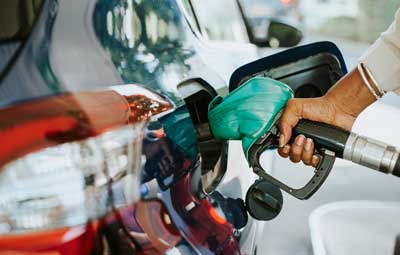
Putting the wrong type of fuel in your car an easy mistake to make. Here’s what to do if it happens to you…
Choose Saga Plus and fix the price of your insurance for your next renewal, if nothing changes. T&Cs apply

The UK has some of the best road trip destinations in the world. But which road trips are best suited to electric cars and the specific model you have? We’ve analysed things like distance and availability of charging points along the best roads the UK has to offer.