Lucy Worsley: America’s split from Britain was a “marriage breakdown”
The celebrity historian explains how the 250-year-old relationship collapse still carries lessons the modern world needs to learn.
The celebrity historian explains how the 250-year-old relationship collapse still carries lessons the modern world needs to learn.
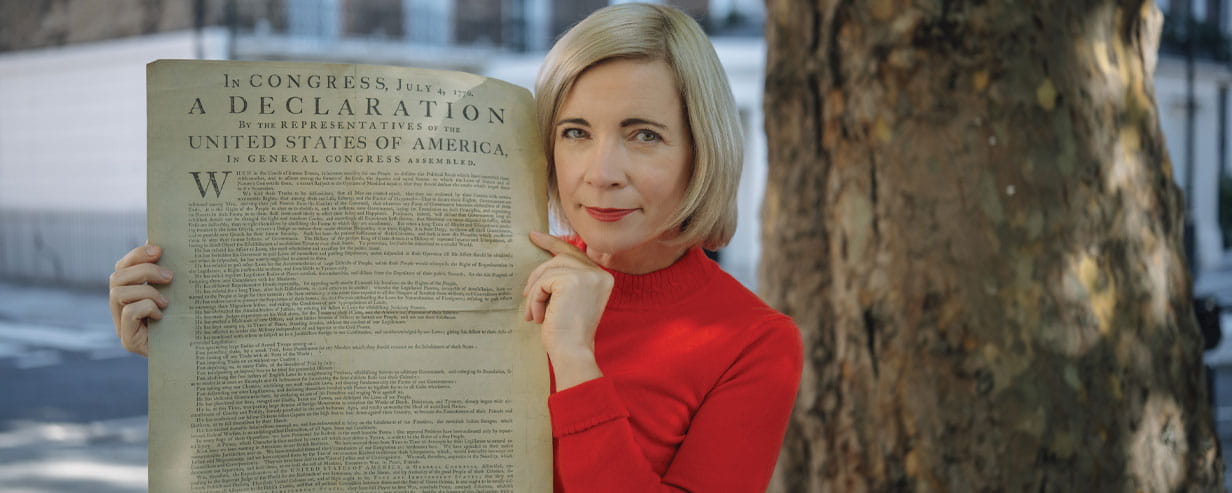
King Charles III and Queen Camilla’s recent trip to the United States to mark the 250th anniversary of its independence from Britain would receive backing from a very surprising historical figure, thinks historian Lucy Worsley.
Talking exclusively to Saga Magazine in the lead-up to her new two-part BBC2 series, Lucy Worsley Investigates: The American Revolution, the TV presenter, and author believes George III, who was King when Britain lost the battle to retain America, would applaud the current monarch’s trip and his diplomatic leadership.
“Once the fight for independence was over, George III did say: ‘Now that you are going to be a separate nation, let me be the first to extend the hand of friendship to you’,” explains Worsley.
“So, he would have been quite into the visit of our current King and the idea of us having a close friends’ relationship. What Charles said in his recent speeches in the US, that we have an extra special connection, is an echo back through time.”
In her research for the programmes, Worsley said there were numerous lessons that still have relevance today and that countries would do well to learn.
“The way we framed our analysis of the revolution was around the idea that it was a relationship going wrong,” she says. “And there are so many parallels because sometimes something happens and two people just see it so differently. That seems apposite when we’re talking about the Britain and America of 250 years ago because they didn’t want to see each other’s point of view. What basically went wrong was a marriage breakdown.”
Worsley was amazed by much of what she discovered while working on the mini-series, but probably the greatest surprise of all was seeing how many opportunities there were for the situation not to result in a war that cost the lives of thousands of soldiers on both sides.
“There were so many twists and turns where if people had just listened a bit harder, talked a bit longer, taken a bit more trouble to understand the other side, the whole thing could have ended differently,” she says. “There’s a life lesson for all of us that is still valuable today.”
British viewers can look forward to understanding more about a historical episode about which we know very little, Worsley hopes. “I think that, in Britain, we feel that this whole incident of losing America is bad and a bit shameful,” she says. “We don’t learn about it in school and kind of don’t like to talk about it really.

“I hope that people will take away two things. Firstly, that the American Revolution wasn’t all about battles in North America. It was about politics and backroom deals, and the manipulation of the media, and public opinion, and also small, everyday disputes between neighbours.
“Secondly, I don’t think people realise that, although the American Revolution was happening across the Atlantic, it also resulted in attacks in Britain. There was the French invasion of Jersey in the Channel Islands as part of this, there were riots in London when Catholics were recruited into the army, and there was trouble in Ireland that resulted in political concessions because the British Empire couldn’t cope with wars on so many fronts all at once.”
Worsley suggests that it could also be time to rehabilitate the idea many people have of George III, who is often perceived as “a bad guy”. “Anybody who’s been to see the musical Hamilton probably doesn’t have the best view of him,” she says. “He’s portrayed as a tyrant in that and it’s how America propaganda painted him in the aftermath of the Revolution, but there’s so much more to him, which you’ll see in the programmes.”
Talking about her role bringing history to life on television, Worsley says she has the best job in the world as “I’m constantly learning – I’ll never get bored as every day is a school day”.
She adds: “When I’m working on a programme, I get private tutorials with the people who know most about a topic in the world. I get to sit down with them for three hours and ask everything viewers might want to know. That’s brilliant.”
Filming in a variety of locations in both the UK and the USA for the two-parter also meant that Worsley discovered some fabulous destinations that she would recommend highly to holidaymakers.
The biggest professional thrill of all for her, though, is when she receives letters from people she has inspired to consider a career in history.
“Just today, I got a letter from a lady who said it was when she read the forward to one of my children’s books, Eliza Rose, that she realised being a curator of historic properties was a job,” Worsley says. “She now works at Oxford Castle and is doing her history degree with the Open University. Job done!”
Lucy Worsley Investigates: The American Revolution begins on Monday 18 May, BBC Two, at 9pm.
(Hero image credit: BBC)


Our online matching service brings you closer to like-minded people on a site you can trust. Create your free profile today

Your chance to win cruise for two to Cádiz, Casablanca and the Canary Islands, worth more than £9,600.
The TV designer on the daily meeting that is the key to living happily with his children and grandchildren.

The radio DJ, 74, on leaving the BBC, continuing his PopMaster quizzes and the joy of the daytime party.


The actors talk ageing, James Bond, the powerful message of the film and why author Richard Osman felt nervous about coming on set.
The clothing designer says it’s time to embrace thrift and shares his tips on how we can dress well for less.
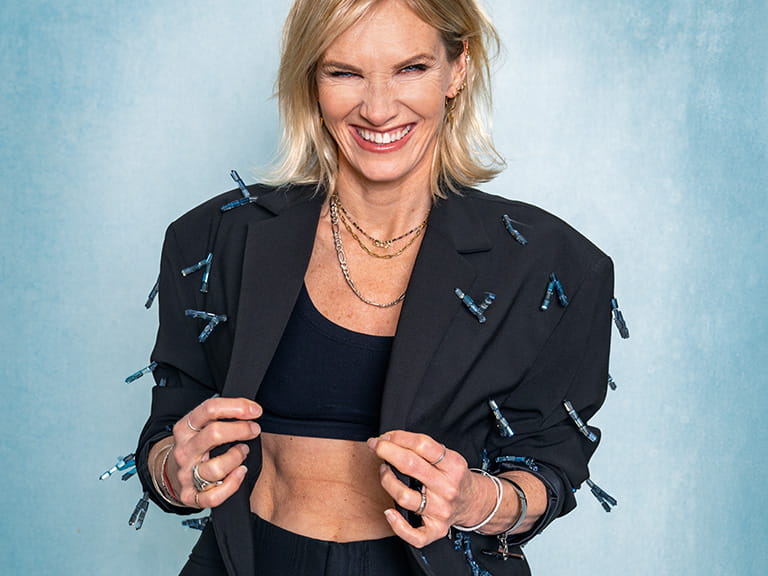
DJ and presenter Jo Whiley on how she's still getting home at 4am and why she thinks Monty Don is as cool as Mick Jagger.
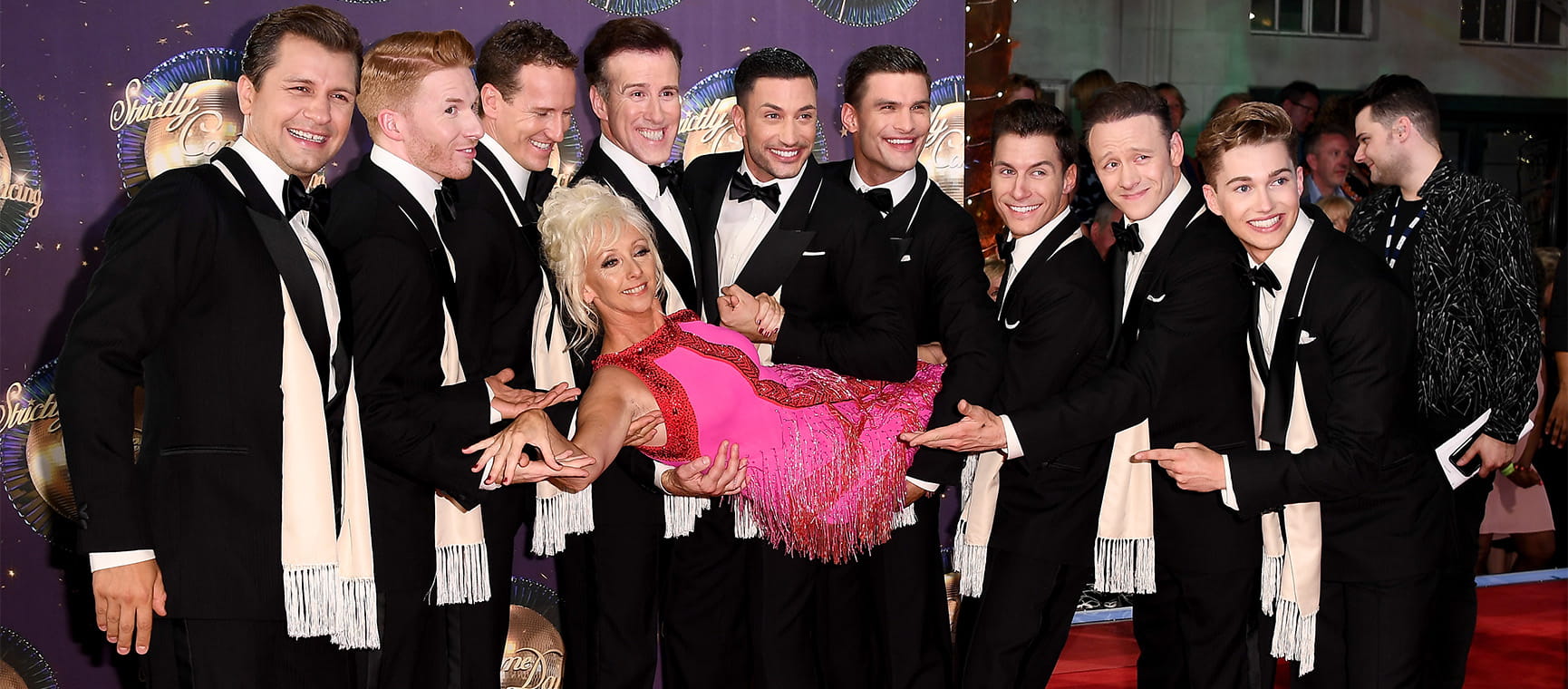
Former finalist Debbie McGee reveals what happens behind at the scenes at TV's most glamorous show.
Stop smoking, go for a walk and do puzzles, says the veteran newsreader.
The author and actor talks about her starring role in the Thursday Murder Club film.

Rock and roll's true survivor - Chris Rea on family, fame and what his battle with cancer has taught him.