Hosepipe ban: who’s affected and what are the rules?
Find out if you have to turn off the hosepipe and shut off the sprinkler this summer.
Getty
Find out if you have to turn off the hosepipe and shut off the sprinkler this summer.
This summer’s record-breaking temperatures have left millions of us living with, or facing hosepipe bans. According to the Met Office, we have already seen a number of remarkable temperature milestones.
Met Office science manager Dr Amy Doherty says: “Not only have we now recorded a record eight days with temperatures exceeding 34°C, surpassing the previous record held by 1976 and 2020, but it is also the first year in the UK weather record to see temperatures reach 35°C or higher in May, June and July.”
But the high pressure has meant that many of us haven’t had rain for weeks and some water companies have been reporting their highest demand on record.
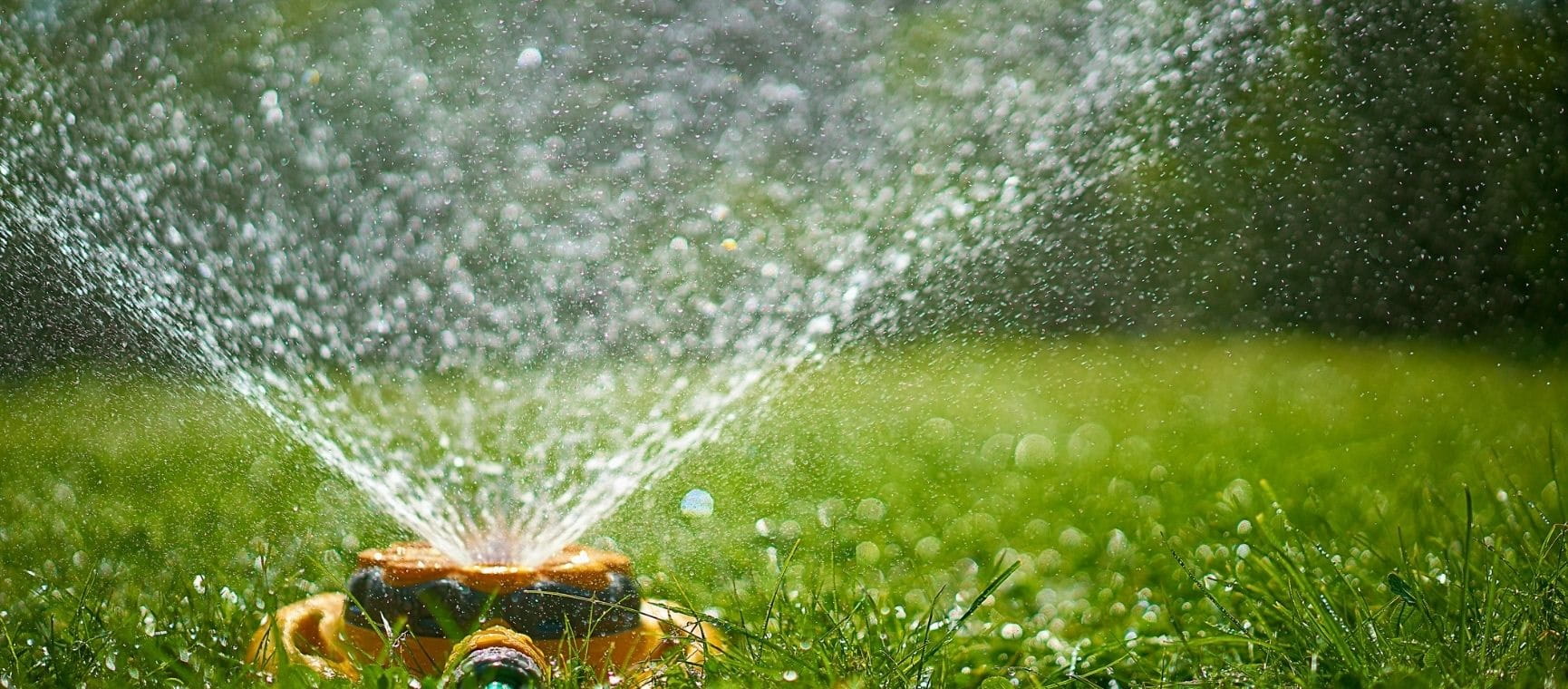
In response some companies have introduced TUBs (Temporary Use Bans), more commonly known as hosepipe bans. This usually means you will not be allowed to use a hosepipe or sprinkler system for jobs like watering the garden, washing your car, pressure washing your patio or filling ponds, paddling pools and hot tubs.
Water companies say a ban can reduce water consumption by 10%, as running a hose uses up to 1,000 litres of water an hour.
We explain region by region who is affected, and the rules you’ll need to follow until any ban is lifted.
The rules may vary slightly, but most water companies have similar restrictions:
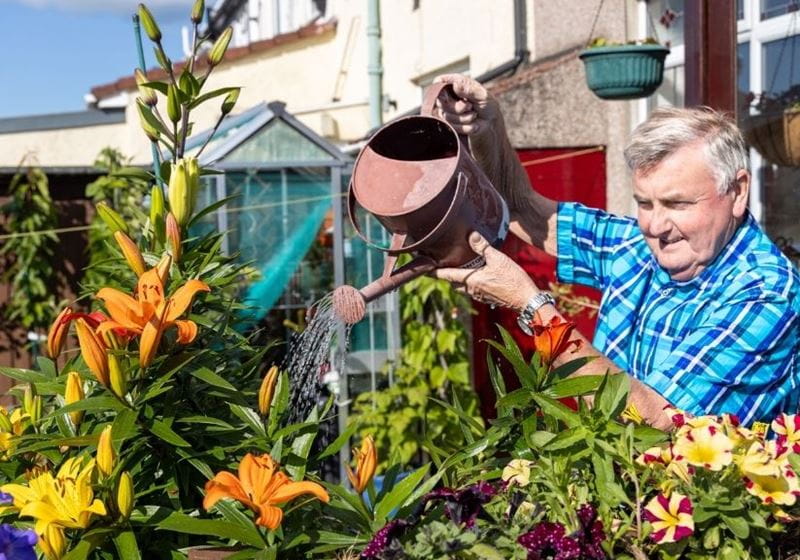
It is important to note, however, that you can continue to use a watering can (or bucket and sponge) to carry out any and all of the above, and that there are exceptions.
You can also still use water that is not sourced from mains water, such as grey water, rainwater from a water butt through a hosepipe, or private boreholes.
Tips on how to reduce your water bill
Anyone found using a hosepipe during a Temporary Use Ban without permission from their local water company could be fined by up to £1,000.
If a water company is made aware of people breaching the conditions, they may be sent a letter or correspondence first reminding them of the ban.
A Temporary Use Ban was put in place due to high temperatures and a record demand for water in Kent at the beginning of July, which was then extended to Surrey, Sussex, Hampshire and Berkshire.
This means that you should not use hosepipes to water gardens, washing cars, planes and boats or filling swimming pools or paddling pools.
This year, South East Water introduced a Summer Hose Check so people in Kent, Sussex, Hampshire, Berkshire and Surrey can check if there’s a hosepipe ban in their region or if they should conserve their water.
A hosepipe ban came into force for Hampshire and the Isle of Wight on 10 July, according to Southern Water.
You can use the postcode checker on Southern Water’s website to see if you’re affected.
With no significant rain in London since 27 June, Thames Water announced a hosepipe ban on 21 July. Check the website for the latest news.
Although there are no restrictions in the county, Yorkshire Water advises that you use water sparingly and reuse it where you can – and check the website to monitor the situation.
Last year, a hosepipe ban affected all customers receiving their supply from Yorkshire Water, which takes in much of Yorkshire, parts of North Lincolnshire and parts of Derbyshire. But this year, the company notes that its reservoirs, rivers and groundwater are in a better position. It’s still worth monitoring if you live in the area.
A temporary usage ban was introduced in July for most of the Anglian Water region. Check the latest situation here.
Check the latest situation and find tips to save water on the Northumbrian Water website.
The last hosepipe ban in Scotland was in 1995, but stay updated with the Scottish Water website.
A hosepipe ban is now in place across parts of west Wales. Check the Dŵr Cymru/Welsh Water website for the latest news.
Check your postcode to see if your area is affected by a hosepipe ban.

To combat the ban, try some of these ways to save water in the garden so that you can protect your plants and flowers.


Saga Home Insurance comes with garden cover included. Find out what’s included and get tips to help secure your garden.

Why settle for less? Switch up your savings with true easy access and a great rate:
In partnership with NatWest, designed for people over 50. Interest paid monthly.
New customers only. UK residents only.

Rekha Mistry shares her top vegetables to grow in your garden all year round.

We explain the science and have 7 of the best scented plants for your garden.
From robot mowers to electric pruning shears, spruce up your outside space with four of the best garden gadgets
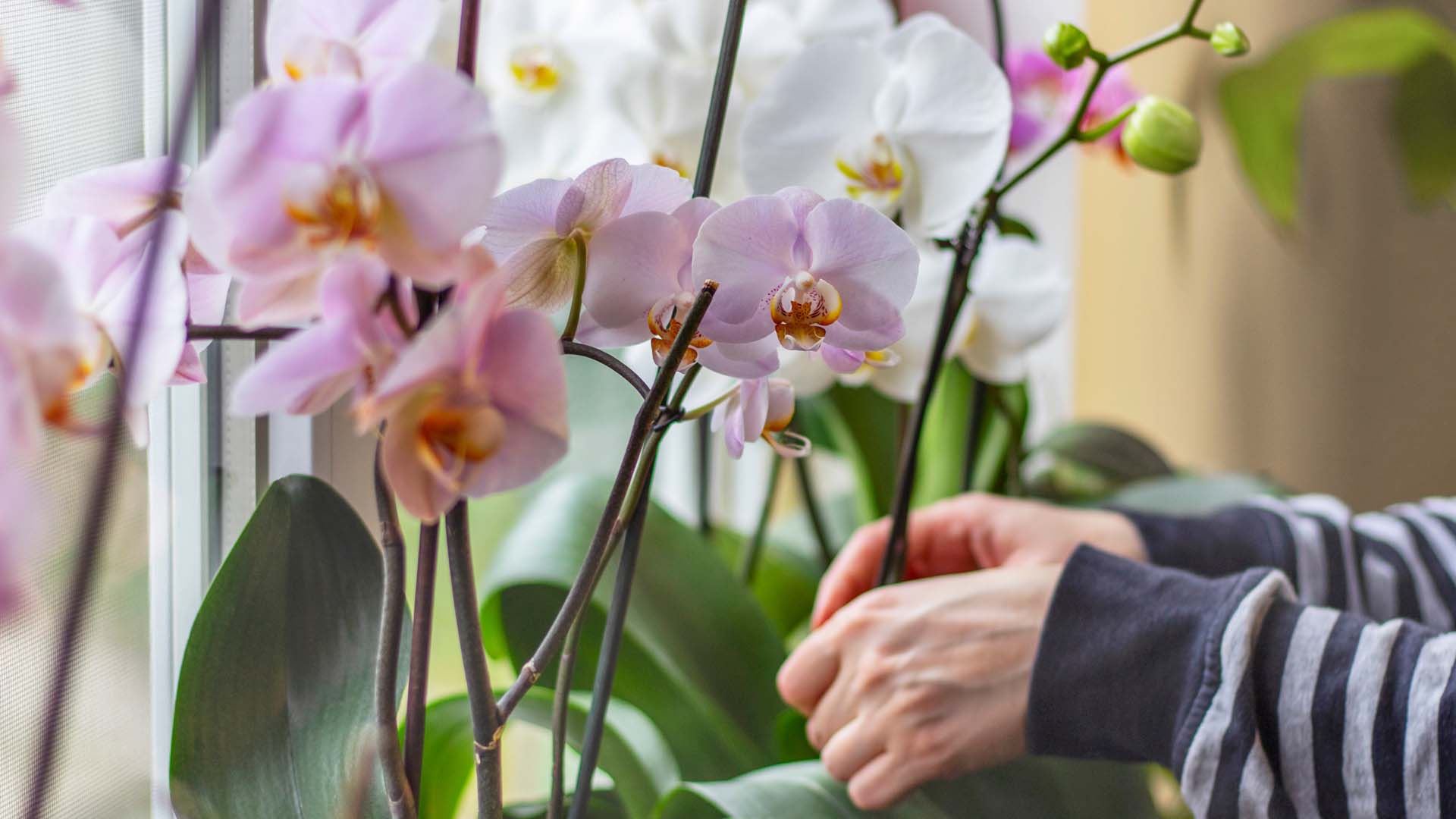
Our expert pruning and watering hacks include a top tip to keep them flowering from Alan Titchmarsh.

The experts explain the best ways to look after our feathered friends.
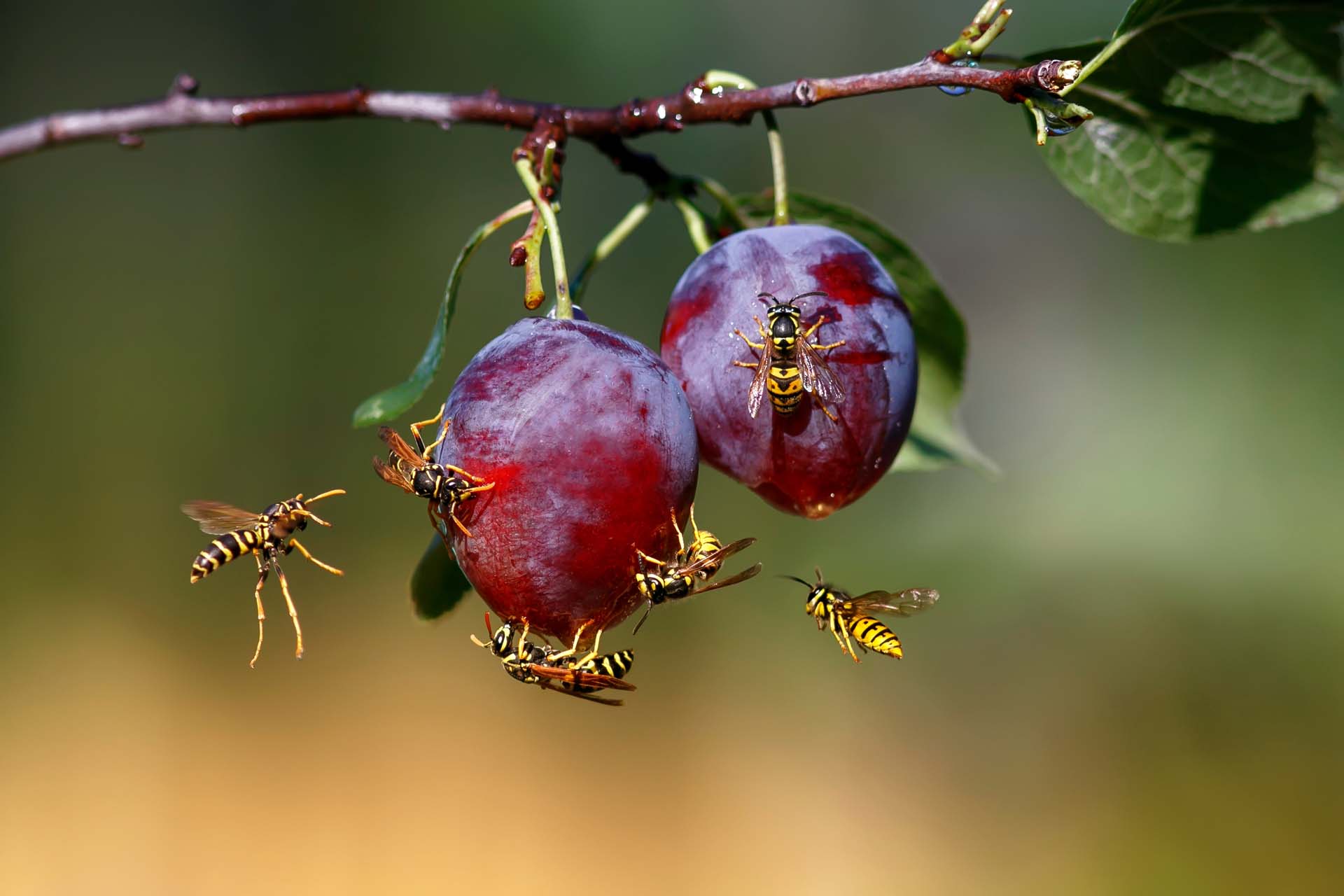
Blighted by buzzing? How to keep wasps out of your garden without harming them so you can enjoy the summer.
Expert advice on how to avoid neighbour disputes, fines or even prosecutions.
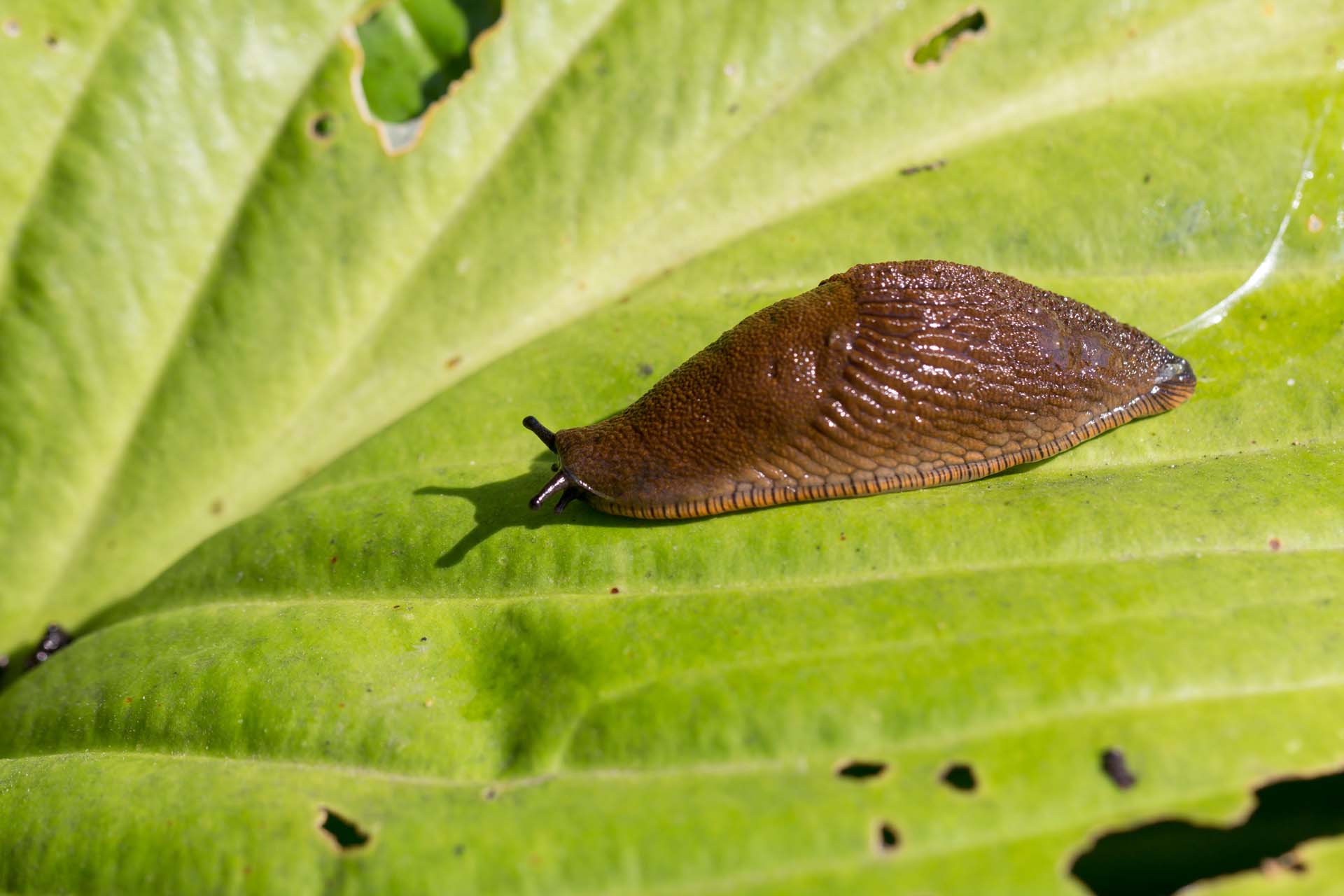
Everything you need to know about Japanese knotweed, the fast-growing plant nobody wants in their garden.