The 9 biggest houseplant care mistakes to avoid
Everything from the wrong water to bad positioning can harm your houseplants, so here’s what not to do to keep them alive and thriving.
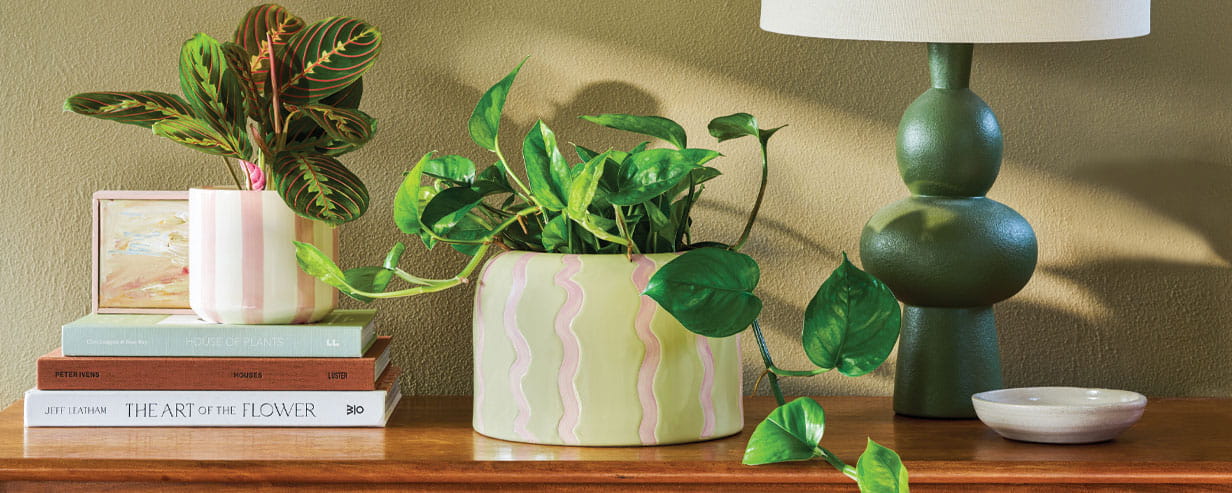
Everything from the wrong water to bad positioning can harm your houseplants, so here’s what not to do to keep them alive and thriving.
We’ve all done it. One quick trip to the supermarket or garden centre and suddenly we’re wheeling home enough greenery to rival Kew Gardens. Whether it’s air purifying spider plants, a pretty peace lily or a statement-making monstera, a bit of greenery makes a home feel alive, doesn’t it? Well, yes – unless, soon after, your houseplants start to die on you.
Sadly, some of us have less of a “plant parent” and more of a “botanical butcher” energy. I should know – a few weeks in and it’s usual for my new potted pals to start drooping, turning yellow, smelling suspicious, or simply giving up on life altogether.
So what are we doing wrong? To get to the root of the problem, we asked some savvy plant-care experts to reveal the biggest blunders people make with houseplants and, more importantly, explain how not to accidentally kill them.
“The most common plant care mistake we see is watering on a fixed schedule rather than checking what the plant actually needs,” says Lucy Hook, plant expert from online flower retailer Bloom & Wild.
“Overwatering leads to ‘wet feet’ and root rot, which is a particular risk for our Sweet Orange Tree. I always recommend the ‘finger test’: tuck your finger into the top two inches of soil. If it feels dry, it’s time for a drink; if it’s still moist, leave it be. These trees prefer a deep, thorough soak less often, rather than frequent shallow splashes.”
“Help! I’ve overwatered my plants. What should I do?”
If you have overwatered, don’t panic. “Simply pause watering for a few days to let things dry out,” says Tessa Cobley, plant pest specialist and owner of Ladybird Plantcare.
“If the compost is very waterlogged, it’s best to repot into fresh, dry soil to give your plant a clean start.”

Just as humans can have food intolerances, some plants are particular about the content of their water.
“The Peacock Calathea is notoriously sensitive to the fluoride and chlorine found in tap water, which can cause the edges of those beautiful patterned leaves to turn brown and crisp,” says Lucy.
“To keep them looking their best, I suggest using filtered water or even better, collecting some rainwater to give them a taste of their natural habitat.”
If you are lucky enough to have a conservatory, it can be a real oasis for plants. We have 12 sun-loving varieties that will make ideal conservatory plants.
If you keep your plants on windowsills, this could be the reason they’re not surviving.
“Cold nights after warm days are catching windowsill plants out, especially during nights in the late winter and early spring,” explains Patrick Martin, a gardening and horticulture expert and the founder of Frantoio Grove.
“The sun warms the leaves by day, so they look happy. But once the sun sets, the glass cools fast and chills the pot and roots, even when the leaves still look fine.”
“Signs that your plants are suffering include ‘morning droop’ that perks up later, limp or papery edges, a few leaves yellowing from the bottom, slow growth, and soil staying wet longer than usual,” says Patrick. “You’ll often see it after a bright day followed by a nippy night, especially when the pot hugs the glass.”
Ferns, calatheas, begonias and other soft, tropical varieties are most likely to suffer. But while snake plants and cacti cope better, even they dislike icy glass on their pots.
“To solve the issue, slide your plants a hand’s width (around three to six inches) back from the pane so the roots sit in room air, not against cold glass, and the night-time shock is softened,” Patrick advises, “And don’t park them between glass and a curtain – that’s the coldest pocket.”

Overnight shock isn’t the only risk for plants on a windowsill.
“In spring, houseplants become more active and release moisture, which can cause mould to grow,” says Kate O’Brien, interior expert at Swift Direct Blinds.
“If you’ve noticed an appearance of mould on windowsills and shelves where plants sit, it’s highly likely that this is the suspect or has exacerbated an existing problem. Mould could also be growing inside the plant pots and trays.”
Kate says: “Proper plant care can help minimise the chance of mould growth, regularly cleaning plant pots and surrounding surfaces, as well as avoiding overwatering, which can increase moisture. Maintain good airflow where plants are growing and rotate them occasionally, so moisture doesn’t build up in one spot.”
Kate recommends adding a splash of Taheebo tea (oil of the Taheebo tree) when you water your houseplants to ward against this.
“Sprinkling cinnamon on the soil can also prevent mould, as they both have anti-fungal properties,” she says.
If you’re wondering why your plants are dying when your home seems immaculate and mould-free, your cleaning routine itself might be the issue.
“Some cleaning products, particularly those containing chlorine-based bleach, are highly reactive and designed to break down organic material,” says El Wegener, spokesperson for eco-conscious cleaning brand Ecover.
“In plant care, it’s widely recognised that these types of ingredients can damage leaf tissue and affect how plants grow if they come into contact with them.
“That’s why simple changes, like applying sprays onto a cloth rather than spraying them into the air, can help reduce any impact in plant-filled homes,” El says.
But just because you don’t want cleaning product anywhere near your greenery, dust build-up is a hidden plant health hazard.
“A layer of dust on the broad, waxy leaves of our Flamingo Flower (Anthurium), for example, blocks the sunlight it needs to photosynthesise, which can stop it from producing those iconic blooms,” says Lucy at Bloom & Wild.
“Simply wiping the leaves with a damp cloth every few weeks keeps the plant ‘breathing’ properly and ensures it can soak up the bright, indirect light it loves.”

“Bringing home a new plant is always exciting – especially when you’ve picked out the perfect spot for it,” says Tessa. “But that doesn’t mean your plant will feel the same. Light needs vary, so it’s always worth checking the label or asking in-store for advice on where it’ll be happiest.”
A simple way to tell if it’s in the right place is to watch how your plant grows. “If it’s leaning towards the window, it’s after more light,” explains Tessa. “Scorch marks or faded leaves, on the other hand, can mean it’s getting too much and would be better off in a slightly shadier spot.
“A frequent pitfall is assuming that a ‘sunny’ spot is good for every plant,” agrees Lucy. “While succulents love the heat, our Peace Lily will quickly wilt and suffer from leaf scorch if left in direct afternoon sun. They much prefer a spot with bright but indirect light.
"If your plant is looking a bit dramatic and drooping, try moving it a few feet back from the window into a softer light – it’ll usually perk back up within a few hours.”
Another of Lucy’s bugbears is seeing people watering their plants from directly overhead. “For plants with very thick, sculptural stems like the Zanzibar Gem, pouring water directly into the centre of the plant can trap moisture and cause the stems to rot at the base,” she says.
“I recommend ‘bottom watering’ instead. Place the nursery pot in a saucer of tepid water for about 15 minutes, allowing the roots to drink exactly what they need while keeping the stems and foliage perfectly dry and healthy.”

For Tessa, however, the most overlooked part of houseplant care is pest control. “Warm rooms, close spacing and steady light can quickly attract unwanted visitors,” she says. “By the time you spot them, the damage is often already done, so early detection is key.’
Culprits often include fungus gnats, thrips, mealybugs and spider mites, all of which are treatable without chemicals, according to Tessa. Here are the best methods for dealing with common pest problems:
These cause silvery streaks, dark specks, distorted flowers, and stunted growth. “Treat by cleaning plants with horticultural soap and introducing slow-release predatory mites to control active populations,” says Tessa.
“Spider mites thrive in warm, dry conditions and often reveal themselves through fine webbing, with leaves turning pale or speckled,” says Tessa, who suggests cooling things down with a mist of cold water, then cleaning the plant with horticultural soap.
“For more stubborn infestations, introduce predatory mites like Phytoseiulus persimilis,” she explains. “These beneficial insects target spider mites without harming your plants and then follow up with slow-release sachets to help keep them from coming back.
These appear as small flies around pots after watering, and their pesky larvae can damage roots in the soil. “Use a combined approach: beneficial nematodes to target larvae and sticky traps to catch adults,” suggests Tessa.
“Mealybugs look like white cottony clusters on stems and joints – they produce sticky honeydew and spread easily,” says Tessa. “Remove them early by wiping and use horticultural soap or predatory insects if infestations persist.”
Off to the garden centre? Don’t make these plant-buying mistakes
(Hero image credit: Patch Plants)

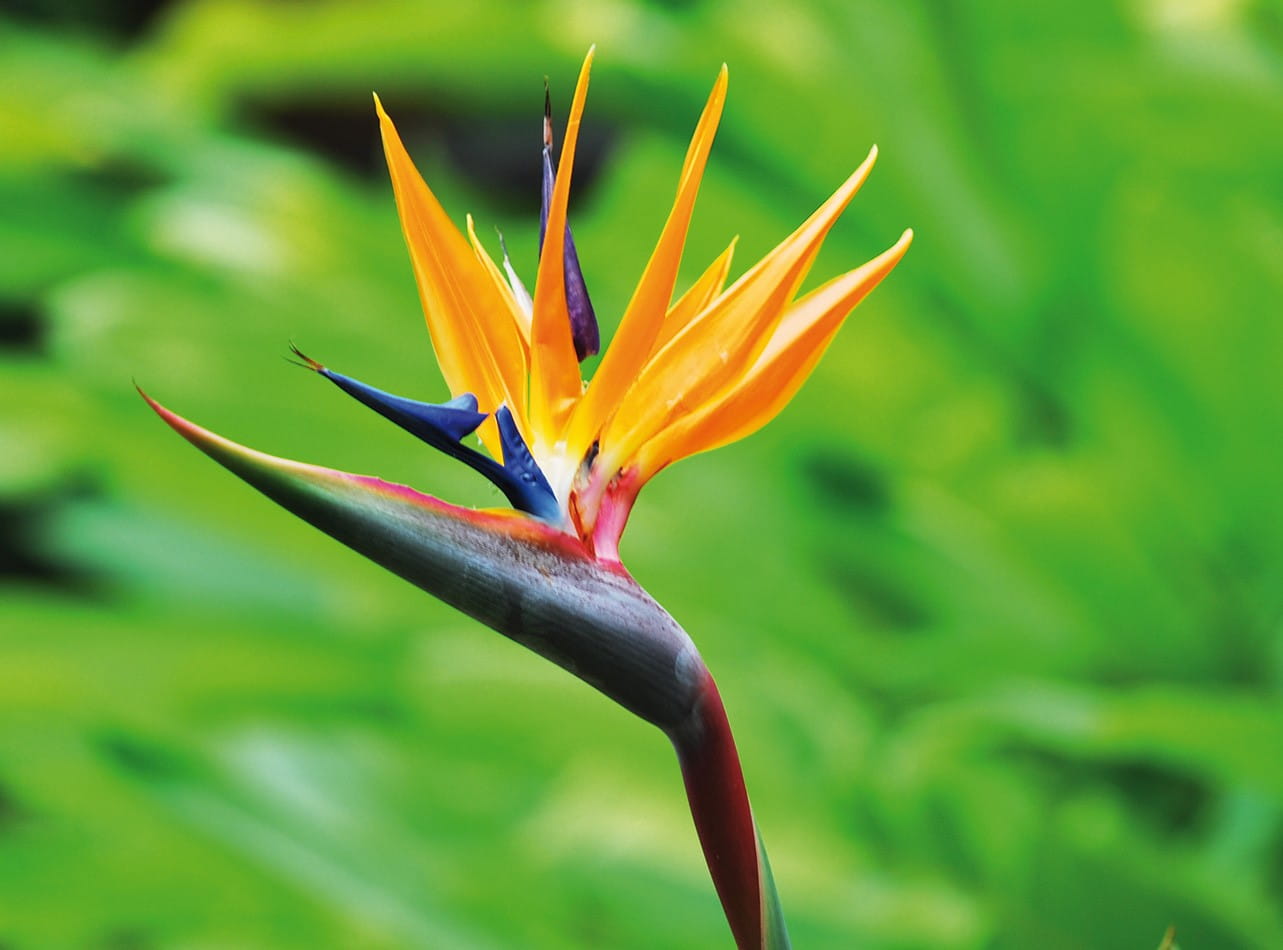
Find out about Saga's Gardening holidays here...
Explore stunning outdoor sanctuaries on Saga’s garden-themed getaways – it doesn't matter if you’re a keen horticulturist or just someone who enjoys colourful blooms.
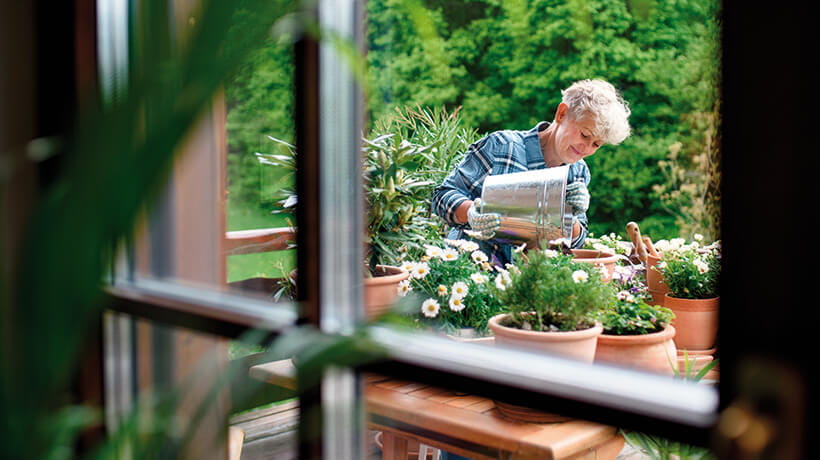
Saga Home Insurance comes with garden cover included. Find out what’s included and get tips to help secure your garden.
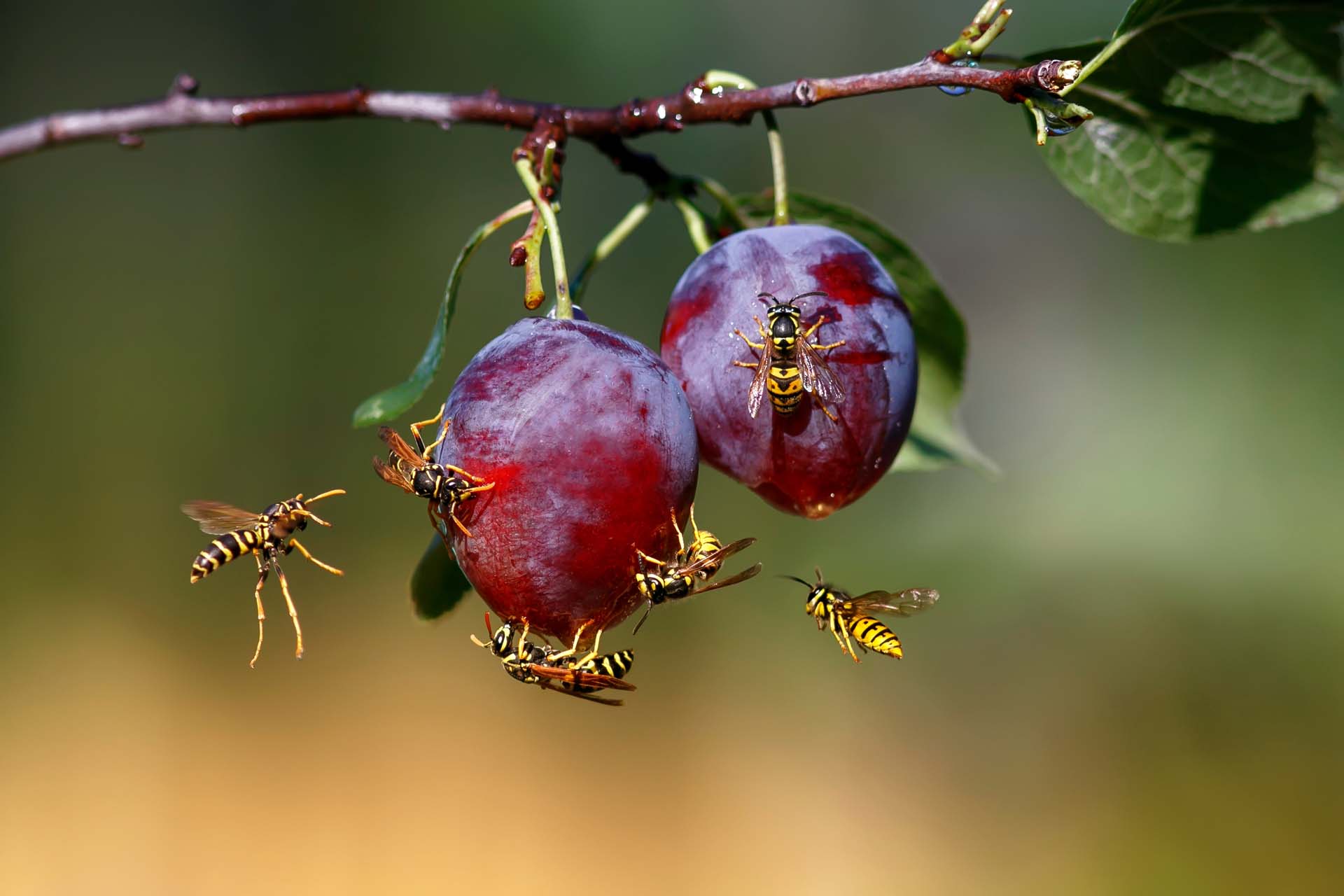
Blighted by buzzing? How to keep wasps out of your garden without harming them so you can enjoy the summer.
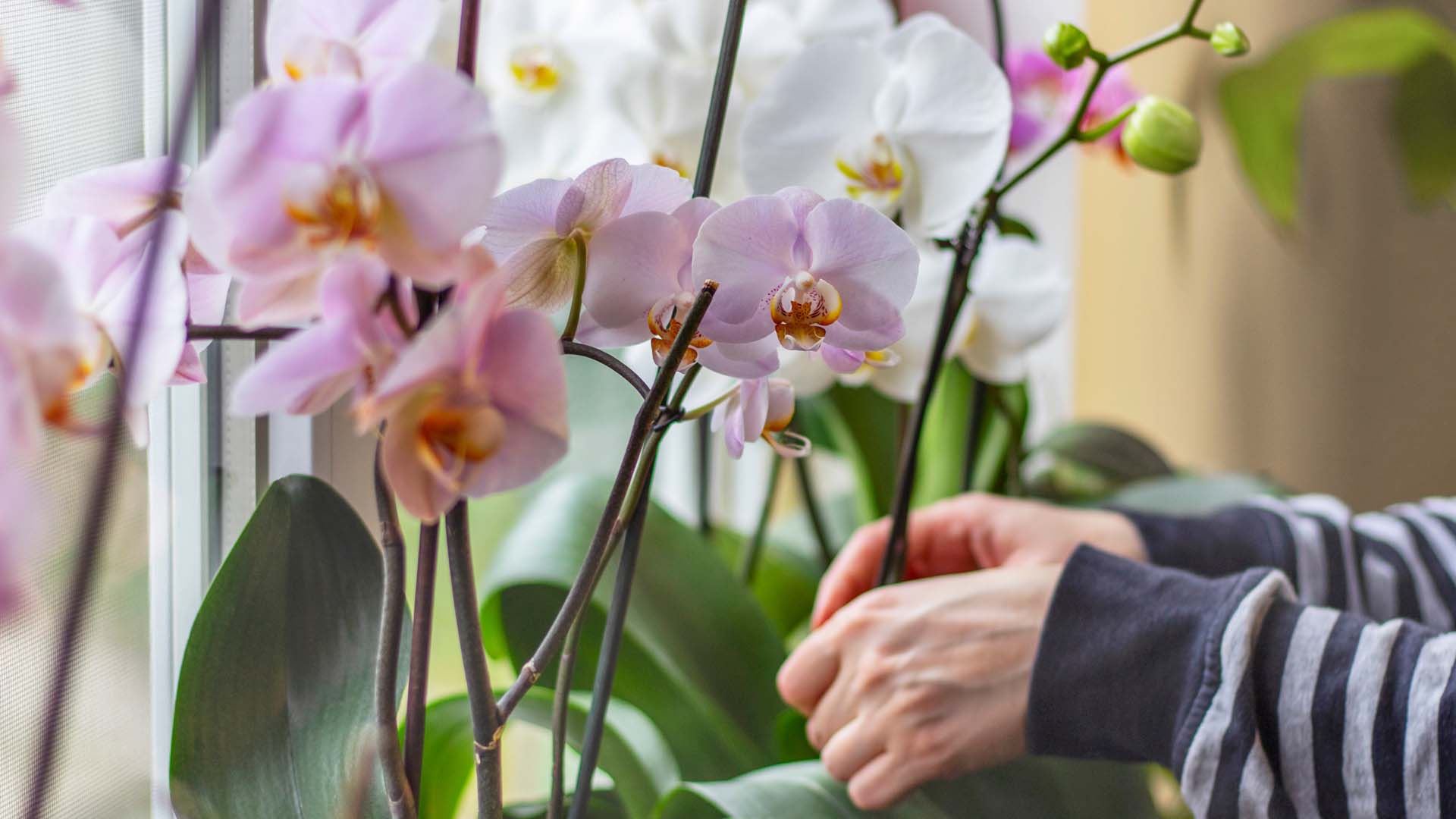
Our expert pruning and watering hacks include a top tip to keep them flowering from Alan Titchmarsh.


Want to know how to get rid of dandelions? Advice on how to tackle them but why they might be worth sparing.