Can you use superglue on cuts?
A walker was surprised when a fellow rambler used glue to close a wound. Dr Mark Porter explains why household superglue isn’t always the safest option.

Adrien Gaudin
A walker was surprised when a fellow rambler used glue to close a wound. Dr Mark Porter explains why household superglue isn’t always the safest option.
Is it OK to use superglue to close small wounds? I cut my thigh climbing over some barbed wire rambling in Yorkshire last month and was surprised when one of the group produced some glue from her first aid kit. She pinched the wound shut and applied the glue.
It worked a treat, but I have since read that it has to be a special type.
The official line is that it’s best not to use household superglue. Firstly it is formulated differently to the medical-grade types designed for use by healthcare professionals. The differences may be small, but the types we use are formulated to reduce irritation and increase flexibility to help wound healing. The downside is these products are expensive: around £15-20 for a tiny, one-use applicator.
Second, if wrongly applied to a bleeding or contaminated wound, superglue can lead to complications including haematoma (blood collecting under the skin) and infection. It works best on clean cuts with edges that meet easily – not always the case when you catch your leg on some rusty barbed wire.
Finally, if you have a wound that might require closure – whether with adhesive strips (Steri-Strips), glue, stitches or staples – then it should be assessed and treated by a clinician. If you are in the middle of nowhere when it happens: clean any debris out of the wound with bottled water; apply a sterile non-stick dressing if you have one; and add some pressure if required, such as with a carefully applied crepe bandage. Don’t apply crepe or other compression bandaging directly to the wound.
Put it this way: if I felt the need to close a wound on a ramble, I would use a reversible method like adhesive strips and then head to the nearest Minor Injuries Unit or Emergency Department. And the staff there will also be able to check you are up to date with your tetanus jabs.
Have you got a medical question for Dr Mark Porter? He can’t reply individually, but will respond to questions on this page*
Email drmark@saga.co.uk
*Always talk to your own GP



Buy direct and start a new Saga Health Insurance policy by the end of 10 December 2026 to get your first 3 months free. T&Cs apply.
Underwritten by Bupa Insurance Limited.

Find out about Saga’s walking holidays here…
Saga’s walking holidays are perfect for exploring Europe’s stunning destinations on foot. They’re suitable for all fitness levels and offer a well-balanced mix of guided walks and relaxation.

Are you retiring at the wrong age? The best age to retire for your body, brain, happiness and pocket.


Everything you need to know about the lung infection, and how you could be ill with “walking” pneumonia without realising it.
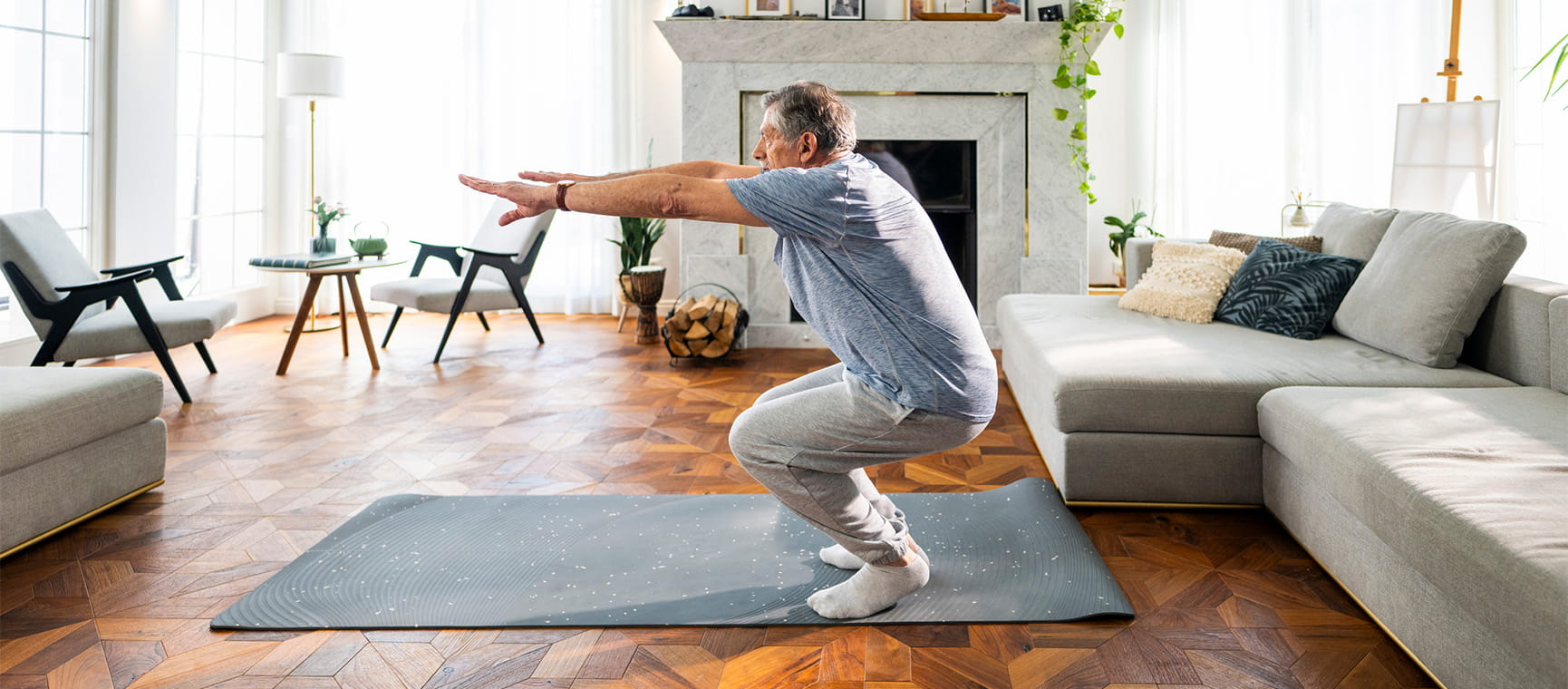
Strong calves for a strong mind: how they support our circulation and brain health, with easy moves to strengthen yours at home.


Our GP Dr Mark Porter explains what can cause itchy skin, which is a common problem as we get older.

Worried you’ve morphed into Victor Meldrew? Find out how to battle that bad mood, and what to do if you’re stuck with a grouchy loved one.

The benefits of heat and cold therapy, and how Nordic bathing won over our nervous writer.

From breathlessness to swollen ankles, a cardiologist explains the warning signs to look out for.

Everything you’re entitled to this year, when you can have it, and the gaps that remain.

Pilates for back pain – what to do if you are suffering, and five gentle exercises that could help.

Dizziness or vertigo: a sensation of spinning, can stop us doing everyday things for fear of falling. Try these tips to stop feeling dizzy


You don’t have to put up with bladder leaks. We try out the latest pelvic floor gadgets for men and women.

Cataracts are a normal part of ageing. Learn how to spot the signs – and when it’s time to consider surgery.