10 everyday sayings that could be ageing you faster - which ones are you guilty of?
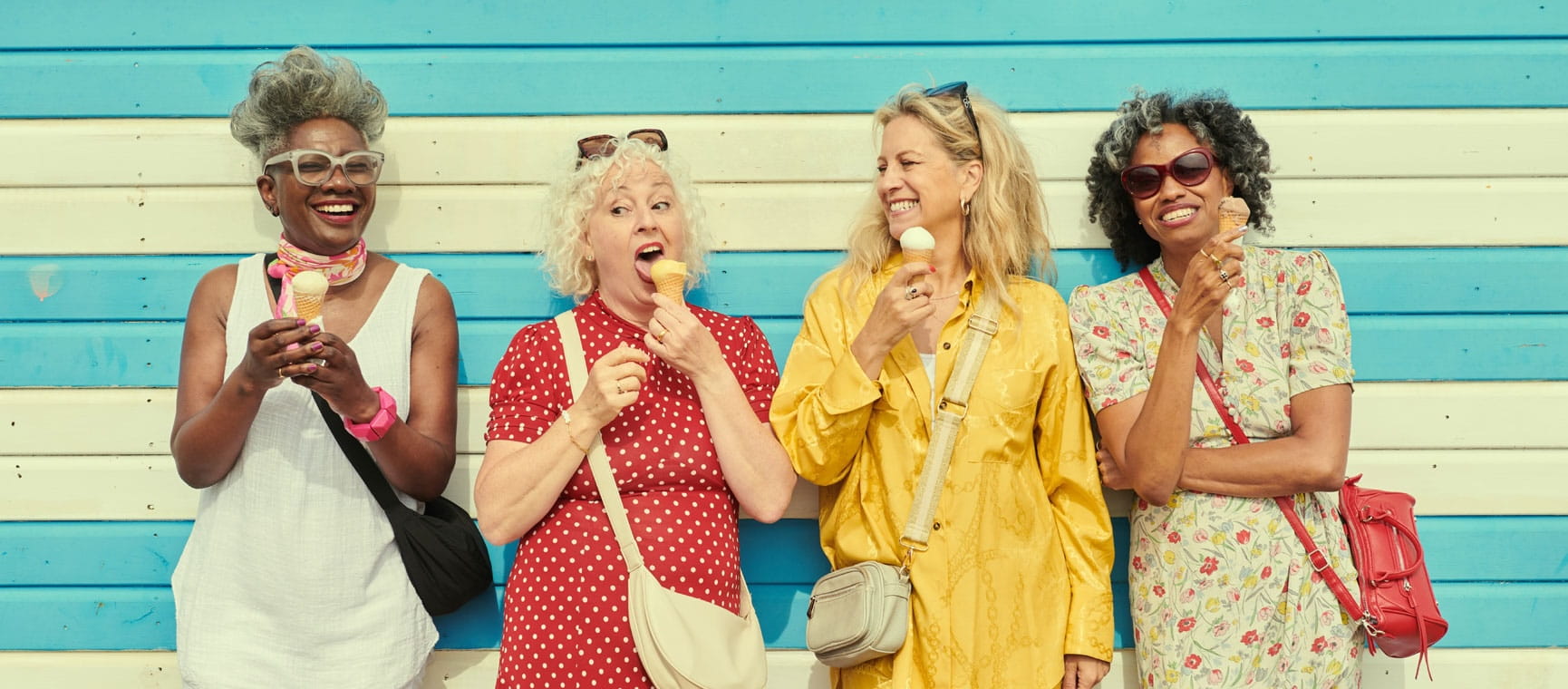
What we say about getting older can affect how we feel, think and even how well we age – say the experts.

Getty
What we say about getting older can affect how we feel, think and even how well we age – say the experts.
This year, researchers at Yale University found that older people can become healthier with age. Nearly half the 11,000 over‑65s they tracked walked faster or scored more highly in cognitive tests over 12 years. The common thread was mindset: those who felt broadly positive about ageing fared better.
The study, led by Dr Becca R Levy, author of Breaking the Age Code, shows how stereotypes absorbed from social media, advertising and everyday comments can become self‑fulfilling. It suggests we need to break them.
“I work with clients on the possibility of improvement every day,” says psychotherapist Grace Warwick. “We explore alternate futures, new adventures and fresh creative chapters. Older people who embrace positive expectations flourish.”
Here, we look at some common things we might say to ourselves that hide a subtle ageism – and experts suggest what might be better to say instead.
This looks like acceptance, but it suggests our life is now fixed.
“Our beliefs about ourselves inform what we think is available to us,” says psychotherapist Lisa Bruton. Negative beliefs close off possibilities. Positive beliefs can encourage people to stay engaged, curious and active.
Not everyone who is young is flexible, open-minded and great at picking up new skills. Not everyone who is old is incapable of change. If we don’t try new things, we won’t grow.
Comments like this hide a sense that we might feel like we belong to a bygone time and don’t fit in with modern life. They assume tastes depend on when we’re born rather than our personality.
“What might you say if this statement didn’t rest on the idea of age?” says Bruton. “Perhaps it would be, ‘I'm not into that style’ or ‘I prefer something else.’”
Age becomes a shorthand for irrelevance, even though people of all ages can love or loathe the same things. Disliking TikTok or a fashion trend doesn’t mean we’re stuck in the past – it simply means it’s not for us.

We may well say this proudly, as though younger people are the ones who have a sense of vitality. But why shouldn’t someone want to feel 80: energetic, experienced and fulfilled?
Bruton argues that age shouldn’t be the first – and perhaps defining – biographical detail about us. Older adults are routinely pushed into clichés, she says: “You’re wise, you’re sweet or you have no libido.” It’s easy for us to absorb them.
“Older people are still individuals,” she says. Rather than equating feeling good with youth, we could describe how we feel.
This might sound like we’re happy about our looks, but the phrasing reinforces the idea that ageing and attractiveness are mutually exclusive.
“This statement suggests that being older is incompatible with being beautiful or vibrant,” says Warwick. The conflation of youth and beauty, she says, is everywhere, from advertising to celebrity culture.
“What would it look like to acknowledge the passage of time without pretending it doesn’t happen?” asks Bruton. Ageing is normal, visible and not something to apologise for. Telling ourselves we “don’t look old” implies that looking older is undesirable, when people can look great at any age.
No one really wants to be “surprisingly sharp”. Comments like this, says Warwick, reinforce an age-based assumption that mental decline is standard.
The statement measures us against a stereotype, when we’re individuals. Many people remain mentally agile well into their 70s, 80s and beyond.
We may well say this light-heartedly, but the jokey tone doesn’t soften the message.
“Just by saying it, you’re reinforcing the idea and increasing the weight behind the statement,” says Bruton. The phrase suggests that life follows a single arc: a peak in midlife, followed by decline.
“The notion that it’s downhill from here also suggests you need to be careful,” she says. “It’s as if the rest of life is a rush towards the end.” Every decade contains its own highs, lows and surprises.

This sounds like admiration, but the qualifier quickly undermines it.
“Phrases like ‘for your age’ contextualise the intended compliment against an expectation of general decline,” says Warwick.
They frame ordinary competence as exceptional and remind us that we’re being seen against a stereotype. Maybe we’re active because we’ve built strong habits and enjoy sport or exercise.
The “for my age” qualifier is again a clear red flag – and the mention of tech compounds the issue.
“This conveys the idea that [being tech-savvy] is an exception to the norm,” says Warwick. It leans on the assumption that older adults are baffled by tech when many people use it confidently because we’ve adapted throughout our lives.
To say that we’re “tech-savvy for our age” might also suggest that we don’t feel as tech-savvy as someone younger. Our age is irrelevant.
Cheery as it sounds, this saying reinforces the idea that energy, humour and curiosity belong to youth.
“These qualities belong to people of all ages,” says Warwick. “They may develop over time.” Many people become more adventurous, expressive and self‑assured as they get older.
Rather than attaching positive traits to being young, we could name the trait itself: it’s more accurate and affirming.
This sounds like we’re saying something good about ourselves, but there might be more to it.
“This statement suggests that, due to age, the person must overcome physical or mental barriers to travel,” Warwick says.
It hints at a hidden anxiety that we need to be brave. We might be travelling solo because we’re experienced, confident and perfectly capable. Perhaps it would be more helpful to focus on our trip.

Some Saga holidays include soothing or spiritual activities like joining a traditional tea ceremony in Japan, practising yoga in India or bathing in Iceland’s Blue Lagoon.

Buy direct and start a new Saga Health Insurance policy by the end of 10 December 2026 to get your first 3 months free. T&Cs apply.
Underwritten by Bupa Insurance Limited.

Are you retiring at the wrong age? The best age to retire for your body, brain, happiness and pocket.


Everything you need to know about the lung infection, and how you could be ill with “walking” pneumonia without realising it.
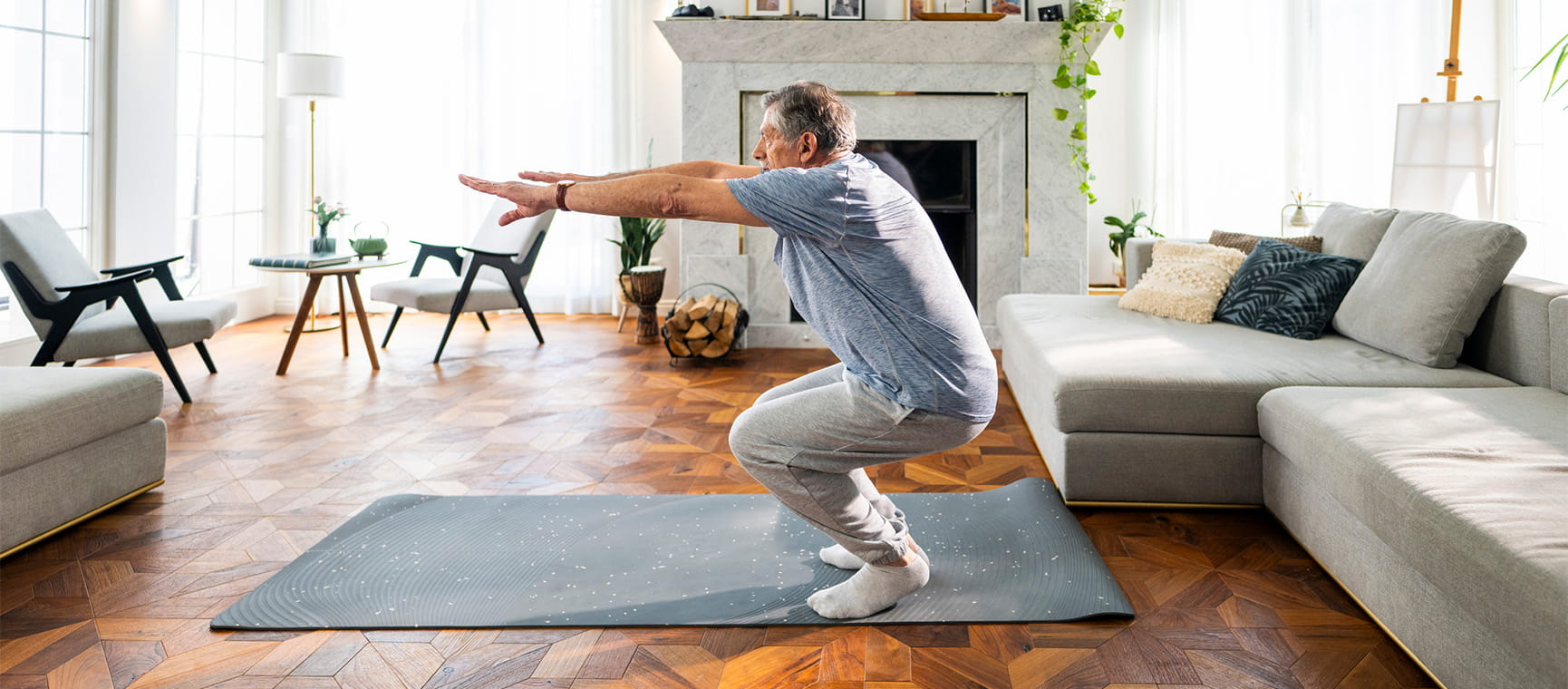
Strong calves for a strong mind: how they support our circulation and brain health, with easy moves to strengthen yours at home.
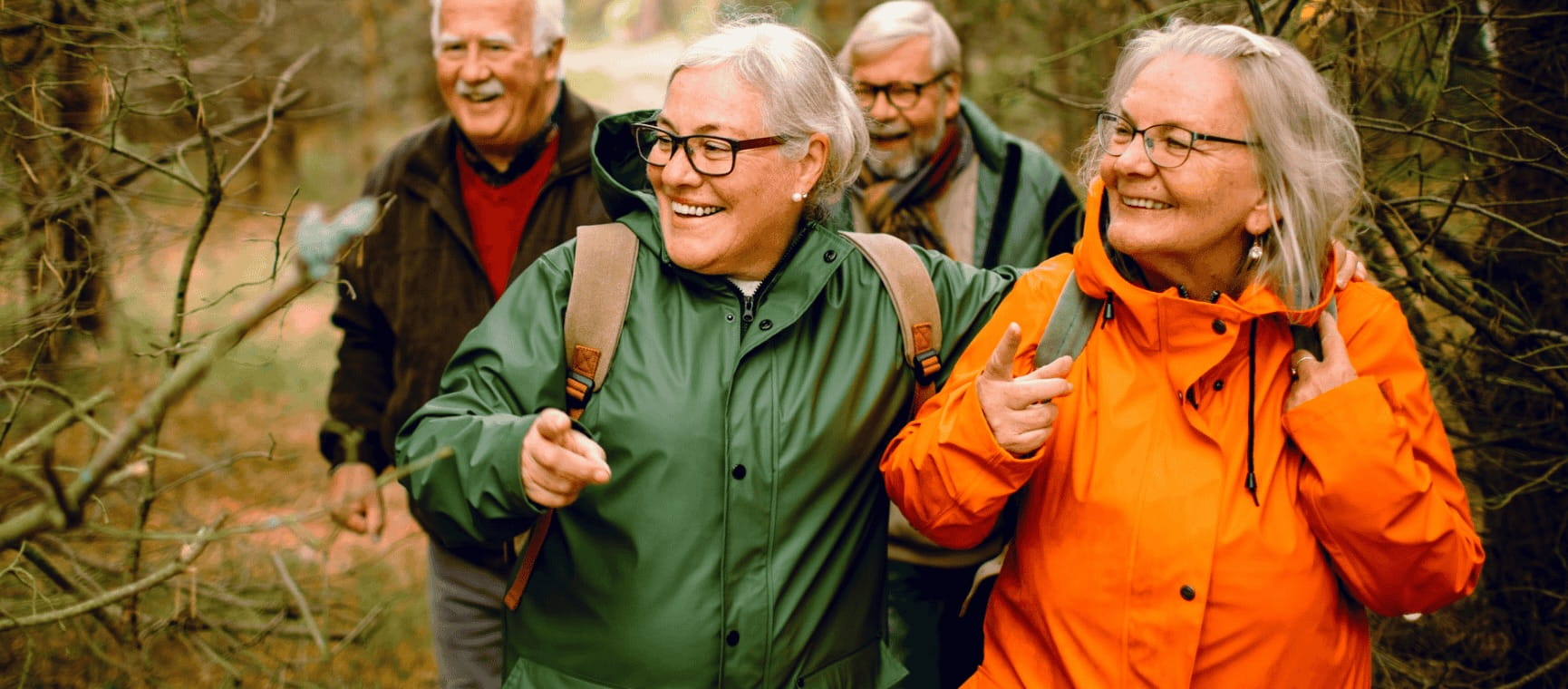

Our GP Dr Mark Porter explains what can cause itchy skin, which is a common problem as we get older.

Worried you’ve morphed into Victor Meldrew? Find out how to battle that bad mood, and what to do if you’re stuck with a grouchy loved one.

The benefits of heat and cold therapy, and how Nordic bathing won over our nervous writer.

Here’s how to spot the symptoms of heat disease and reduce your danger.
Everything you’re entitled to this year, when you can have it, and the gaps that remain.

Pilates for back pain – what to do if you are suffering, and five gentle exercises that could help.
Dizziness or vertigo: a sensation of spinning, can stop us doing everyday things for fear of falling. Try these tips to stop feeling dizzy

You don’t have to put up with bladder leaks. We try out the latest pelvic floor gadgets for men and women.

Cataracts are a normal part of ageing. Learn how to spot the signs – and when it’s time to consider surgery.