Why this year’s flu is so serious for older people – and how to protect yourself
Cases of the flu variant H3N2 are soaring and health officials say it’s the worst form for older people. We explain how to stay safe this Christmas.
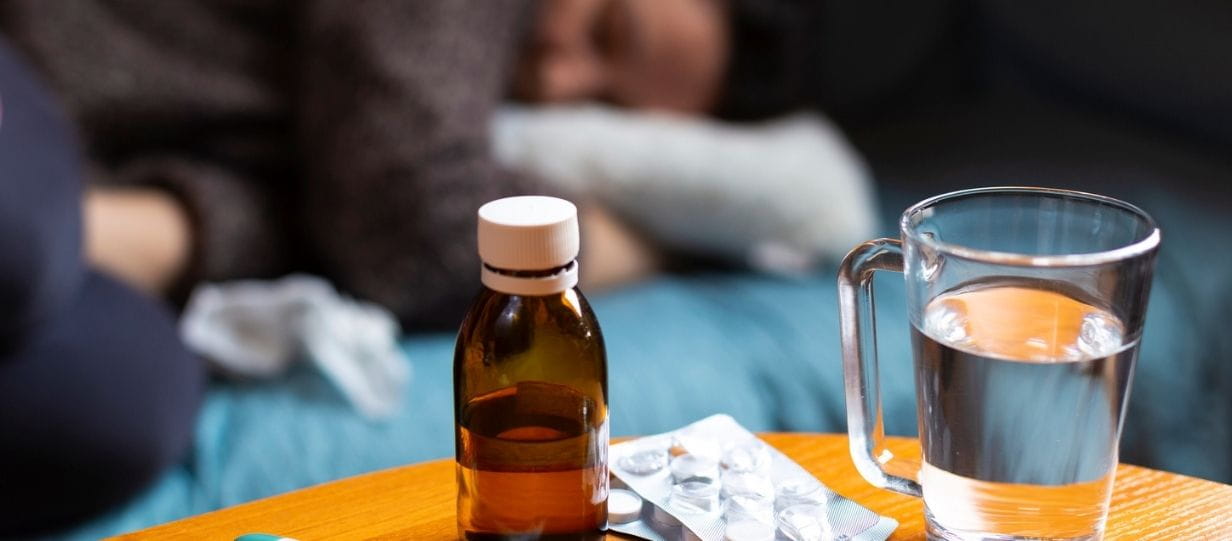
Cases of the flu variant H3N2 are soaring and health officials say it’s the worst form for older people. We explain how to stay safe this Christmas.
Flu season has come early to the UK this year with a variant of the virus H3N2 sending hospital admissions rising sharply and closing some schools.
One NHS leader has described it as a “tidal wave of flu” and in the last week of November flu hospitalisations in Scotland rose by 70%, cases trebled in Northern Ireland, and England saw a surge of 63%.
The latest figures from the UK Health Safety Agency (UKHSA) showed that the positivity rate of flu increased to 21% in the week ending 10 December – up from 17% last week. Despite this increase, the agency says flu cases are still at medium level and not unexpected for December.
The agency did, however, go on to warn that the H3N2 variant is the most serious form of flu for older people.
Dr Suzanna McDonald, national programme lead for influenza immunisation for UKHSA, spoke to Saga Magazine about how to stay safe.
“Flu is not just a nasty cold,” she says. “Thousands of people are hospitalised every year and thousands of people die from it. And with H3N2 we do see much higher hospitalisations with the elderly.”
The organisation is expecting cases to peak around Christmas time.
“It’s very difficult to predict what the rest of the season will look like,” Dr McDonald says. “But based on the trajectories of where things are going, I think it would be reasonable to assume that we might peak with this current virus at around the usual time that we’ve seen in recent previous seasons, which is around Christmas.
Dr McDonald explains that having the flu jab could help save your Christmas and the good news is that more than 71% of the over 65s in England have already been vaccinated. If you haven't, you can still be protected in time for Christmas, but you must take action now.
“When you get a vaccine, it’s not that it gives you instant protection,” says Dr McDonald. "The vaccine has to train your immune system how to fight that flu virus off. And so if you haven’t seen that particular virus before, that’s going to take around about 10 to 14 days depending upon your immune system.
“So we’re in a real crunch point this week with regards to getting vaccinated and giving yourself enough time to help have optimum protection by the time we get to Christmas.”
The jabs aren’t 100% effective, but Dr McDonald says if you do have the vaccine, it will help to reduce the severity of your symptoms, shorten the timespan of your illness and hopefully keep you out of hospital.
And if you can’t get a jab before Christmas then she urges you to still have one to protect you throughout the winter months.
“There are three types of flu viruses, and we can see all three circulate throughout the winter,” Dr McDonald explains. “A couple of years ago in England we saw waves of all three of these flu viruses throughout the winter months – and we could see the same this season.
“So even if you miss out on having a vaccine in time to help protect yourself against this current strain of flu, you can still help to protect yourself against flu viruses that may circulate later in the winter.”
Dr McDonald warns that just having the jab is not enough. The key to staying safe is avoiding contact with anyone with flu and that may mean cancelling or postponing Christmas plans.
“Everyone has to make a risk assessment based on their own family Christmas situation,” she advises. “Communicate as soon as you know that you or one of the kids is sick so that granny and grandad can make that decision about whether they want to take a risk or not.
“And if you are poorly, stay at home. You certainly want to avoid mixing with anyone who’s going to be particularly vulnerable to flu, so young babies, the elderly and anyone with a clinical condition that puts them at higher risk of flu.
“People need to do the right thing. So if you are really unwell with flu, then unfortunately, you should stay in bed. And that means that you should miss Christmas.”
Dr McDonald asks that even if you aren’t bedridden to still think of others.
“If you are desperate to see people on Christmas Day and they are happy to see you, then maybe go for a walk, because if you’re outside, that’s very well ventilated.
“If you are indoors then pop open a window. I know it’s winter, but it is relatively mild at the moment, so if you open a window, that ventilation will help as well.”

Dr Helen Wall, a GP in Bolton, has the following tips for Saga Magazine readers:
Dr McDonald says: “If people are starting to feel a little bit unwell and need some advice, the best thing to do is phone NHS 111 and talk your particular case through on a case by case basis.”
You can also visit the NHS website for information on symptoms and treatment.
The UKHSA is also urging anyone eligible for the Respiratory Syncytial Virus (RSV) vaccine to get theirs as cases of this virus are also on the increase.
UKHSA data for the last week of November showed that cases of RSV continued to increase despite the later start this year.
RSV impacts older adults and can cause severe illness, which is why those aged 75 to 79 or who turned 80 years old after 1 September 2024 are also offered the vaccine.
Flu symptoms often come on quickly. They include a sudden high temperature, an aching body, and feeling tired and exhausted.
You might have a dry cough.
This often includes cold-like symptoms, such as a runny or blocked nose, cough, sneezing, tiredness, and a high temperature.
Signs of a high temperature include your back or chest feeling hotter than usual, sweatiness and shivering (or chills).
RSV can lead to more serious illnesses, such as pneumonia, especially in older people.
Covid symptoms can be similar. They can include a high temperature or shivering (chills); a new, continuous cough (this means coughing a lot for more than an hour, or three or more coughing episodes in 24 hours); a change to your sense of smell and taste; shortness of breath; and feeling tired or exhausted. You might also have sickness or diarrhoea.
(Hero image credit: GettyImages)



Buy direct and start a new Saga Health Insurance policy by the end of 10 December 2026 to get your first 3 months free. T&Cs apply.
Underwritten by Bupa Insurance Limited.

Saga offers escorted tours throughout Europe and as far afield as South Africa, Japan, Canada and Australia, plus hotel stays in popular European hotspots including Spain, Portugal, Croatia and Greece.

Are you retiring at the wrong age? The best age to retire for your body, brain, happiness and pocket.


Everything you need to know about the lung infection, and how you could be ill with “walking” pneumonia without realising it.

Strong calves for a strong mind: how they support our circulation and brain health, with easy moves to strengthen yours at home.

Our GP Dr Mark Porter explains what can cause itchy skin, which is a common problem as we get older.

Worried you’ve morphed into Victor Meldrew? Find out how to battle that bad mood, and what to do if you’re stuck with a grouchy loved one.

The benefits of heat and cold therapy, and how Nordic bathing won over our nervous writer.

Here’s how to spot the symptoms of heat disease and reduce your danger.


Everything you’re entitled to this year, when you can have it, and the gaps that remain.

Pilates for back pain – what to do if you are suffering, and five gentle exercises that could help.
Dizziness or vertigo: a sensation of spinning, can stop us doing everyday things for fear of falling. Try these tips to stop feeling dizzy


You don’t have to put up with bladder leaks. We try out the latest pelvic floor gadgets for men and women.

Cataracts are a normal part of ageing. Learn how to spot the signs – and when it’s time to consider surgery.