How your daily cup of coffee can prevent falls – and its other surprising health benefits
Caffeine can be more than just a morning pick-me-up or a tasty drink, it can have wellbeing and anti-ageing qualities too.

Caffeine can be more than just a morning pick-me-up or a tasty drink, it can have wellbeing and anti-ageing qualities too.
Whether you love coffee for its rich taste or increase in energy, there’s no denying that the beverage is a staple of many people’s daily routines. But did you know that your morning mug may offer more than just a delicious boost?
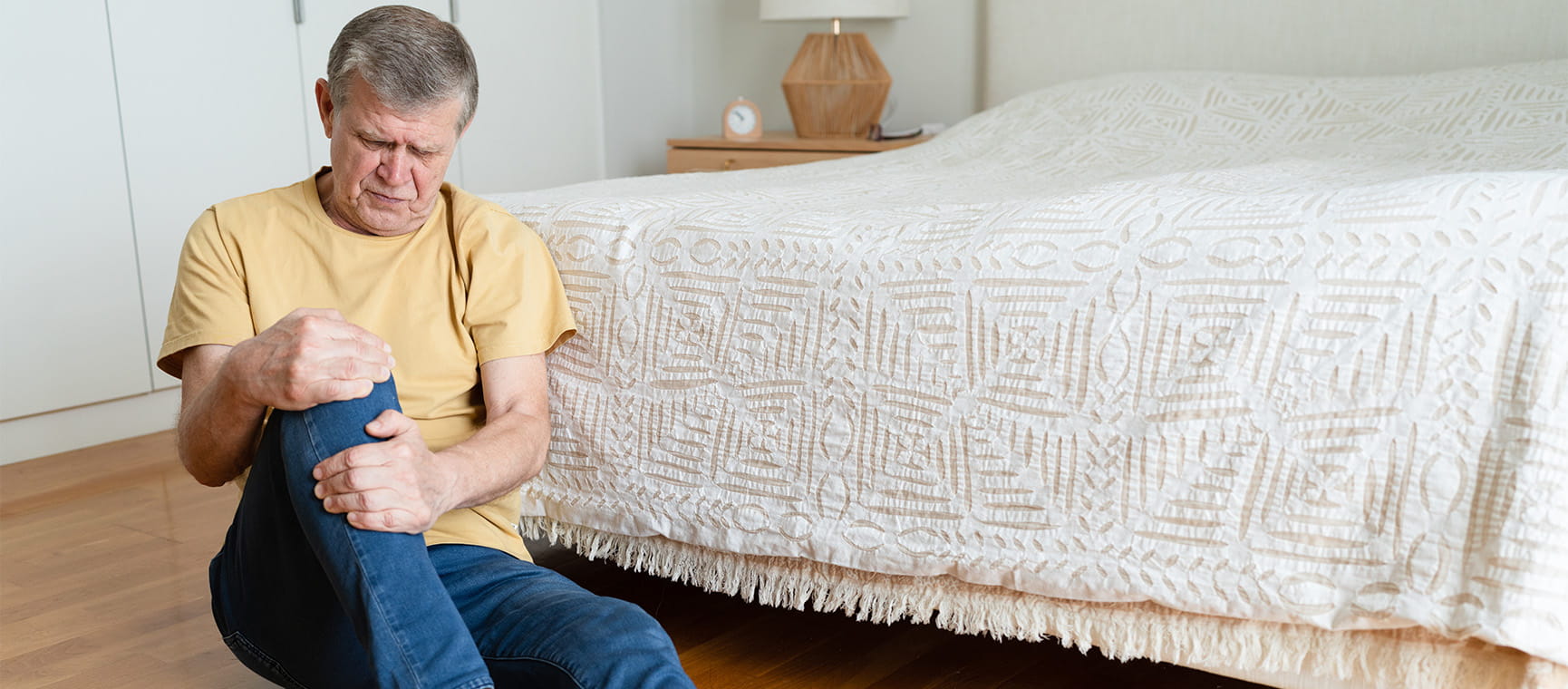
Recent research has found that coffee could reduce the risk of falls in old age, by improving muscle strength and reducing fatigue. A study of 1,161 people over 55 found that those who drank two to three mugs a day had a 64% lower risk of frailty – muscle weakness and tiredness – than people who drank two cups or less.
Professor Margreet Olthof, of Vrije University in Amsterdam, said, “Drinking coffee is a key part of many people’s daily routine and people are constantly looking for ways to maintain their health as they age. Our findings highlight the possible beneficial association between daily coffee consumption and reduced risk of frailty in later life. Coffee consumption may therefore enhance healthy ageing.”
GP Gary Bartlett explains how coffee can prevent falls alongside its other health benefits, while skincare expert Andreea Costina reveals what coffee can do for your skin.
“One of the key components of coffee is caffeine and this is known for its stimulating effects on the brain,” Dr Bartlett reveals. “It can enhance mental alertness by blocking adenosine receptors, which helps to reduce feelings of tiredness".
“For older individuals, this increase in alertness can be significant, as it can improve their attention and speed up reaction times – meaning they are often better equipped to respond to sudden changes in their environment, reducing the chance of a fall".
“Caffeine may also offer mild improvements in coordination and muscle responsiveness by stimulating the central nervous system. While this effect is not that dramatic, even a slight boost in neuromuscular performance can make a real difference for someone whose reflexes or mobility have been compromised by age.
“It’s also worth noting that regular coffee consumption may contribute to better mood and motivation, potentially encouraging greater movement and physical engagement. These two factors are known to reduce fall risk over time.”

Researchers from China and the US found that people who drank two to three cups of tea and coffee a day had a lower risk of stroke and vascular dementia. Participants self-reported their tea and coffee drinking habits at the beginning of the study and people who drank two to three cups of coffee or two to three cups of tea per day had around a 30% lower risk of stroke and dementia when compared to those who didn’t consume either.
However, Dr Rosa Sancho, Head of Research at Alzheimer’s Research UK, said “no firm conclusions can be made” from the study and Dr Bartlett agrees that, while there are reputable studies, you shouldn’t start drinking coffee in the hope it will reduce your chances of a stroke or dementia.
“Some studies show reasonably consistent evidence that moderate coffee intake, roughly 2-3 cups a day, is associated with lower risks of both stroke (mainly ischemic stroke) and dementia (including some reductions in vascular dementia and overall dementia),” he says. “In addition to this, caffeine has short and long-term effects on neuroprotection, alertness, and reduced beta-amyloid aggregation.”
Coffee also contains polyphenols and antioxidants, such as chlorogenic acid and caffeic acid, which help reduce oxidative stress and inflammation and improve endothelial function.
Dr Bartlett adds, “The take-home points are that you shouldn’t start very high doses of coffee hoping to prevent dementia, but if you already tolerate coffee well, moderate consumption of 2-3 cups a day is associated with a lower risk of stroke and dementia in studies. It looks safe for most adults and may be one small protective lifestyle factor among many, including exercise, blood-pressure control, a healthy diet, and not smoking.”
Andreea Costina, biotech engineer and skincare expert, says the right amount of coffee can help improve skin due to natural compounds such as polyphenols and caffeine, which can help protect the skin from environmental stressors like sun damage and pollution.
Speaking to coffee beans retailer Coffee Friend, Costina says, “Some studies have shown that drinking coffee enriched with plant-based compounds can lead to better skin hydration, stronger barrier function, and improved circulation. So, to put it simply, it may help your skin hold moisture better and recover faster from irritation.
“While coffee obviously won’t replace sunscreen and it’s vital you take the necessary precautions when in the sun, it does contain natural compounds like polyphenols, and especially chlorogenic acids. These help fight oxidative stress, which is the kind of skin damage caused by sun exposure and pollution. Think of it like extra protection for your skin’s cells, helping prevent long-term damage to things like collagen and DNA.”

“There has been research that shows people who drink four or more cups of caffeinated coffee a day have a lower risk of developing rosacea,” Costina says. “Decaf didn’t offer the same effect. If hot drinks trigger flushing for you, iced coffee might be a gentler option.
"Although research on coffee and inflammation is mixed, moderate consumption (around two to four cups a day) may help reduce chronic inflammation markers. Just make sure you skip the sugary extras, as those can undo the benefits.”
And according to our skincare expert, the beverage can also help us to look younger.
“A genetic study suggested that people who naturally drink more coffee may show fewer visible signs of aging, especially women,” she says. “This makes sense, as coffee’s antioxidant and circulation-boosting properties may help keep skin looking younger for longer.”
While we all know, we should never overdo coffee, our experts say that your favourite caffeine drink in moderation can be beneficial.
“It’s important to remember that caffeine can affect individuals differently, and excessive intake may lead to jitteriness or disrupted sleep, which could counteract some of the benefits,” Dr Bartlett advises.
“In moderation, though, coffee might offer more than just a morning pick-me-up. For older adults, a daily cup could contribute to maintaining cognitive sharpness and physical readiness - both of which are key to staying steady on their feet.”
Costina adds, “If you’re concerned that coffee dehydrates you, don’t be. While caffeine is a mild diuretic, the water in your coffee outweighs that effect, so your daily cup does count toward your hydration. Just don’t overdo it and drink water alongside your caffeine.”


Buy direct and start a new Saga Health Insurance policy by the end of 10 December 2026 to get your first 3 months free. T&Cs apply.
Underwritten by Bupa Insurance Limited.

Find out about Saga's gastronomy holidays here...
They say the way to the heart is through the stomach, and Saga’s thoughtfully crafted food and wine holidays are perfect if you like trying new flavours and exploring traditional methods of cooking.

Are you retiring at the wrong age? The best age to retire for your body, brain, happiness and pocket.


Everything you need to know about the lung infection, and how you could be ill with “walking” pneumonia without realising it.
Strong calves for a strong mind: how they support our circulation and brain health, with easy moves to strengthen yours at home.

Our GP Dr Mark Porter explains what can cause itchy skin, which is a common problem as we get older.

Worried you’ve morphed into Victor Meldrew? Find out how to battle that bad mood, and what to do if you’re stuck with a grouchy loved one.

The benefits of heat and cold therapy, and how Nordic bathing won over our nervous writer.

Here’s how to spot the symptoms of heat disease and reduce your danger.


Everything you’re entitled to this year, when you can have it, and the gaps that remain.

Pilates for back pain – what to do if you are suffering, and five gentle exercises that could help.
Dizziness or vertigo: a sensation of spinning, can stop us doing everyday things for fear of falling. Try these tips to stop feeling dizzy

You don’t have to put up with bladder leaks. We try out the latest pelvic floor gadgets for men and women.

Cataracts are a normal part of ageing. Learn how to spot the signs – and when it’s time to consider surgery.