The sleep doctor’s guide to NOT waking up at 5am
Older people are more likely to wake up a couple hours before we’d like to. A leading UK professor of sleep medicine explains how to deal with it.

It’s endlessly annoying – waking up at 4am or 5am, eyes pinging wide open, unable to go back to sleep. This kind of early waking becomes increasingly common as we get older – and can be draining if it means we’re not getting enough sleep.
Professor Guy Leschziner, a consultant neurologist at HCA London Bridge Hospital, and professor of sleep medicine at Kings College, London, says there are techniques worth trying to stop this early morning waking, and to prime our body clocks for a good night’s sleep.
“There are multiple reasons,” explains Prof Leschziner. “One is that the brain circuitry that means sleep is stable becomes increasingly less powerful as we get older.
“Another is that your body clock or ‘circadian rhythm’ changes and moves forward. Just as it’s common for teenagers to sleep later in the morning, it’s very common for older people to want to go to bed earlier and wake up early.”
Prof Leschziner points out that the side effects of medication, or the symptoms of the health conditions themselves – such as muscle aches and pains, bladder issues, and sleep apnoea/ snoring – can also result in more frequent nocturnal awakenings.
“Common culprits for sleep disruption include beta blockers which can cause vivid dreams and nightmares, antidepressants which can often trigger restless legs syndrome and diuretics prescribed for blood pressure and heart problems which can cause increased urination,” he says. “If you are on multiple medications (as many people over 60 are), these effects are multiplied.”
“I think the evidence points towards that being a fallacy,” says Prof Leschziner. “We probably need about the same amount of sleep in old age as we do in middle age, it’s just that we are less good at achieving it. Anything between seven to eight hours is considered in the normal range.”
We’re all familiar with that dilemma: it’s too early to get up, but now you’re awake you can’t get back to sleep. Should you cut your losses and get up even if it’s still dark outside, or turn over and hope you’ll nod off again?
“Well, what you shouldn’t be doing is lying in bed awake for long periods as this will weaken your brain’s association between bed and sleep, which is something that can drive the development of insomnia,” Prof Leschziner explains.
“So if you are unable to get back to sleep for 20-30 minutes, then you’re probably better off getting up.”
It’s possible that if you’re not feeling too sleepy during the day, your early waking is purely related to your natural circadian rhythm. But if you feel very sleepy, try going to bed later – although it sounds counterintuitive.
“If you gradually try to go to bed a bit later on a regular basis, you will build up some sleep deprivation. That will push you into a deeper sleep overnight and may make it less likely you will wake up.”
“Exposing yourself to bright light in the evenings, whether that’s sunlight (in summer) or a SAD lamp (a lamp that simulates sunlight, used in the treatment of Seasonal Affective Disorder) later in the evening, can cause a shift in your circadian rhythm so that you wake up later, potentially at 6am instead of 5am for instance,” suggests Prof Leschziner.
“Long naps where you go into deep sleep are not great for your overnight sleep because they lessen the brain’s pressure to stay in deep sleep overnight,” he points out.
“If you do have a nap, don’t sleep for longer than 20 to 25 minutes – that’s enough sleep to refresh you if you’re tired after waking early and it won’t disrupt your sleep. A short nap after lunch is often easier as that’s when your body clock has a bit of a lull anyway and you may find the quality of your sleep is better at this time of day.”
“We know the timing of when you eat has some subtle impact on your circadian rhythm,” says Prof Leschziner. “But it’s very difficult to give one-size-fits-all advice on this.
“Some people will find that if they eat very late, they cause their body clock to shift back, and others will notice if they eat very early this will cause their body clock to shift forward. I’d say, experiment to see if it makes a difference.”
He also suggests avoiding eating a large, carbohydrate-dense meal close to bedtime as this can cause reflux and bloating, which can both disturb sleep.
“People get very obsessed with the timing of when to drink caffeinated beverages such as coffee and tea, and as a general rule we say don’t drink them after lunchtime if you are having problems sleeping,” says Prof Leschziner.
“But individuals process caffeine at different speeds and in different ways, so again that’s not a blanket rule. There are some people for whom caffeine has very little effect on their sleep at all, but for the majority too much caffeine later in the day is going to be a very bad thing and make getting off to sleep difficult.
“What I would say is that if you’re having seven or eight coffees a day, you’re still going to have a lot of caffeine floating around by bedtime – just because you drank them before 3pm won’t matter.
“Large amounts of caffeine can also affect bladder function, making it more likely that you will urinate at night.”
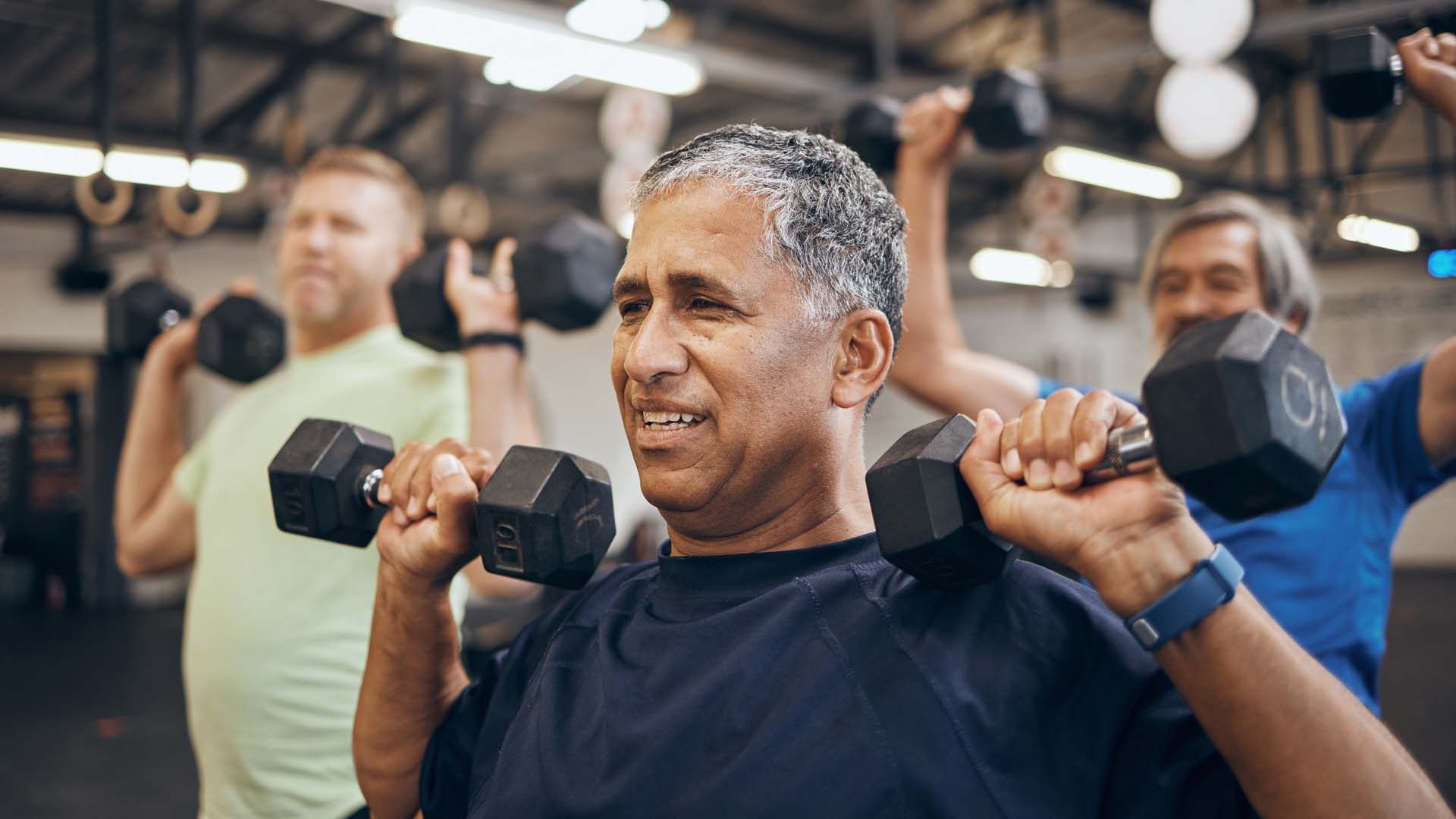
“Exercising late in the day raises core body temperature and your heart rate, and the release of various hormones, so it’s not great for sleep,” Prof Leschziner says. “But exercise taken earlier in the day is good for strengthening sleep, particularly deep sleep. When you stress your body physically that will promote sleep at night. Any sort of exercise that raises your heart rate will do it, including brisk walking.”
“The short answer is no – your body clock decides the best time for you to wake up and 50% of this is genetic. Other factors which influence it include your age and lifestyle factors such as light exposure, what time you are exercising, and eating,” says Prof Leschziner.
“If you’re one of those people who can fall asleep within 30 minutes of getting into bed you probably don’t need a winding down routine,” says Prof Leschziner. “But if you struggle to get to sleep and/or your mind is racing, a winding down routine might be very helpful.
“General advice is to stay away from electronic devices and doing anything mentally stimulating. Try listening to music or the radio, reading a book, or taking a warm bath.”
Some foods have gained a folklore reputation for inducing sleepiness (such as the soporiferous qualities of lettuce eaten by Peter Rabbit in the Beatrix Potter story). A hot milky drink is another popular home remedy, probably because milk contains tryptophan, an amino acid needed for sleep, and small amounts of the sleep hormone melatonin. Tart cherry juice contains both tryptophan and melatonin.
None of these, though, are likely to work miracles. “The scientific evidence around foods and sleep is weak,” says Prof Leischner.
“There is some evidence for the herbal remedies St John’s wort, ashwagandha, and valerian, and the mineral supplement magnesium, but the potency of these effects across the population is relatively small. Some people do find them helpful, but whether this is down to their biological action or a psychological association with falling asleep, we don’t know.”
The National Institute of Clinical and Health Care Excellence (NICE) recommends a specific type of Cognitive Behavioural Therapy (CBT-I), before sleeping pills are tried. You can download the free digital 6-week sleep course on the Sleepio app, recommended by NICE.
Prof Leschziner says that around 50% of cases of chronic insomnia are associated with anxiety and depression, so addressing both of these by seeing your doctor is important for sleep, too.
“Simple things like keeping a worry diary can also be quite useful as writing it down before bed can potentially help you stop ruminating about what’s worrying you in your sleep.”
“For most people not before you’ve tried everything else,” says Prof Leschziner.
“Sleeping pills should only really be used as a short-term solution for a couple of days. They are not a good long-term solution because in the majority of people they stop working.”
He says prescription sleeping pills such as benzodiazepines and Z-drugs (nonbenzodiazepines) have some long-term risks associated with them, including dependency, and there are also concerns about long-term sleeping tablet use and cognitive health in later life.
“There are one or two exceptions to this, but I’d stress that if you have long-term sleep problems you should see your doctor about them to find out what is causing them and not just take over the counter remedies,” he says.
“You may have an underlying medical condition that is the root of the problem, that needs addressing.”
See our other sleep articles:
Jo Waters is an award-winning health and medical journalist who writes for national newspapers, consumer magazines and medical websites.
She is the author of four health books, including What's Up with Your Gut? and is a former chair of the Guild of Health Writers.
Try something different – a new style of accommodation, unbeatable locations and peak season at great prices.
These are a great alternative to traditional hotel breaks with our nationwide chauffeur service included.
Plus, you can save £100 per person for a limited time only. T&Cs apply.
Health insurance for people over 50 that provides a quicker route to diagnosis and planned medical treatment in a private facility.
Underwritten by Bupa Insurance Limited.
We examine the science and how to best look after our brain as we get older.
Want to start winter mornings feeling energised? Follow these five simple tips.
Expert nutritionists break down the most important foods to eat in each decade as we get older.
Your neighbourhood pharmacist now offers a surprising number of services.
10 simple alternative items that can have a big effect on your health – without depriving you.
New measures for GP appointments are in the headlines, but what effect will they have for you when it comes to getting to see a doctor?
Everything you need to know about the lung infection, and how you could be ill with “walking” pneumonia without realising it.