Could you have low testosterone – and is it worth boosting it?
Testosterone levels fall with age – but can testosterone replacement therapy really improve energy, mood and wellbeing?

Getty
Testosterone levels fall with age – but can testosterone replacement therapy really improve energy, mood and wellbeing?
Men in middle or older age are increasingly bombarded online with adverts for testosterone replacement therapy – which, it’s often claimed, can banish fatigue, boost mood and improve concentration.
Little wonder then, that prescriptions for testosterone rose 52% from 2020/1 to 2024/5. And that doesn’t even include private prescriptions, which are thought to be rising at a rapid rate.
Experts recently wrote to the BMJ to question this rise, saying it risked “extending treatment beyond men with clearly defined need to people with non-specific symptoms and borderline test results”.
All men experience a gradual decline in testosterone from around the age of 35. Obesity, Type-2 diabetes and a sedentary lifestyle can also contribute.
Around a quarter of men have a below-average reading, but that doesn’t mean they have a medical condition. A low testosterone reading alone doesn't necessarily mean you have a medical condition. Doctors will consider symptoms alongside blood-test results and other possible causes. Testosterone levels vary, so testing may need to be repeated before a diagnosis is made.
Possible symptoms include reduced libido, erectile dysfunction and loss of spontaneous or morning erections. Some men also experience fatigue, low mood or problems with concentration, although these symptoms are common and can have other causes.
Low testosterone has been associated with an increased risk of heart attacks and strokes.

Up to a fifth of men over 50 may report some symptoms of deficiency. For those with a genuine hormone deficiency, TRT can help, says Channa Jayasena, professor of reproductive endocrinology and andrology at Imperial College London: “There are small but significant benefits”.
Prof Jayasena explains that 30 years ago testosterone treatment was rarely controversial because it was used in a clear cohort of men: patients whose bodies couldn’t produce the hormone, for example men who’d lost a testicle to cancer.
“For these guys, testosterone treatment provides huge benefit and there’s no argument,” says Prof Jayasena.
“But demographics and medicine have changed. As we live longer, more men age with chronic health problems like obesity, cardiovascular disease or diabetes. These conditions are sometimes associated with lower testosterone, but equally may be down to lifestyle.
“In theory, improving overall health could well restore normal levels but there will be a cohort of healthy men doing everything right. For these patients, TRT can be effective if properly diagnosed and accompanied by on-going monitoring.”
“Understanding when treatment is appropriate and how it should be managed isn’t easy,” says Dr Harpal Bains, medical director at London’s private Harpal Clinic.
‘“The aim is to restore function but if testosterone is used when it is not needed [or at too high a dose], it can lead to side effects: most commonly, oestrogen-related changes such as fluid retention, breast tenderness or mood shifts. Under proper supervision, these are usually picked up early and treatment can be adjusted or stopped.”
A decade ago, there were fears that TRT might up the risk of heart attacks and strokes. But large international studies – including work led by Prof Jayasena – now suggest TRT is safer than once thought.
Fears about increased prostate cancer risk have also been dismissed.

GPs can refer a man for a blood test and, if testosterone is low – as defined by guidelines – treatment can be offered. However, even though up to a fifth of men over 50 may report deficiency symptoms, under 1% receive treatment under the NHS.
Clinicians remain cautious and that’s where private clinics have stepped in, marketing treatment directly to men. This is where controversy lies.
“They’re effectively expanding the pool of men who might be labelled as having a problem,” says Prof Jayasena.
“And symptoms are often misunderstood. There is no strong link between the often-cited fatigue, poor mood or lack of concentration, and low testosterone. The symptoms most consistently associated with genuine deficiency are sexual: reduced libido, erectile dysfunction and the loss of morning erections. Other symptoms are often widely common and non-specific.”
However, Dr Bains says that most of her patients claim TRT has benefits beyond libido. She believes that TRT may help restore vitality, support muscle maintenance and bone density, and improve metabolic and cognitive function.
This was the experience of actor Matt Sproit, who entered an uncharacteristic period of low motivation aged 50. ‘The first thing I noticed was my enthusiasm had completely gone," he says. “I just wanted to sit on the sofa and watch TV. I even began turning down jobs unless they were close to home. That was so unlike me.”
He didn’t suspect a hormone problem at first. “I’d always assumed testosterone was about libido, but that wasn’t an issue for me,” he says. “I didn’t realise how much else it could affect.”
He’d been tested previously after declining energy became a concern, but the readings were borderline. He repeated the tests through Voy, a private digital healthcare provider. Low testosterone was diagnosed and he began TRT four years ago. He says the results were transformative: ‘“It’s given me a lot of my life back.”
Matt injects twice weekly, but patches and gels can also be prescribed. It costs £150-£200 a month depending on the prescription.

There are concerns that some men procure TRT without medical supervision or knowing the source; Dr Bains stresses that testosterone is a controlled drug in the UK. Even when TRT is prescribed appropriately, it is not simple.
TRT suppresses the body's natural testosterone production and can also reduce sperm production, so men hoping to have children should discuss this with their doctor before starting treatment.
Prof Jayasena likens it to putting a big electric heater in a room that has a radiator – the radiator’s own thermostat will simply reduce its output.
Monitoring is vital. Patients are typically tested at baseline, again around three months once levels stabilise, then at six to nine months and annually thereafter.
“TRT is long-term care, not a quick prescription,” says Dr Bains. “Expecting to remain strong, mentally sharp and sexually healthy into our sixties and seventies isn’t vanity. Preserving function and vitality is sensible preventative medicine.”
Prof Jayasena accepts TRT has a role. “However, if you improve your overall health, you feel better and are likely to live longer,’ she says. ‘Testosterone alone doesn’t do that. This isn’t an elixir of life. But for some men it can be useful.”
More about testosterone treatment
Join Dr Mark Porter on Saga’s Experience is Everything: The Health Edition, where he talks to experts about staying healthy and well as we age.


Buy direct and start a new Saga Health Insurance policy by the end of 10 December 2026 to get your first 3 months free. T&Cs apply.
Underwritten by Bupa Insurance Limited.

Find out about Saga’s walking holidays here…
Saga’s walking holidays are perfect for exploring Europe’s stunning destinations on foot. They’re suitable for all fitness levels and offer a well-balanced mix of guided walks and relaxation.

NHS England wants everyone to be using its app within three years - we look at the situation UK-wide and what to do if you haven't got a smart phone.
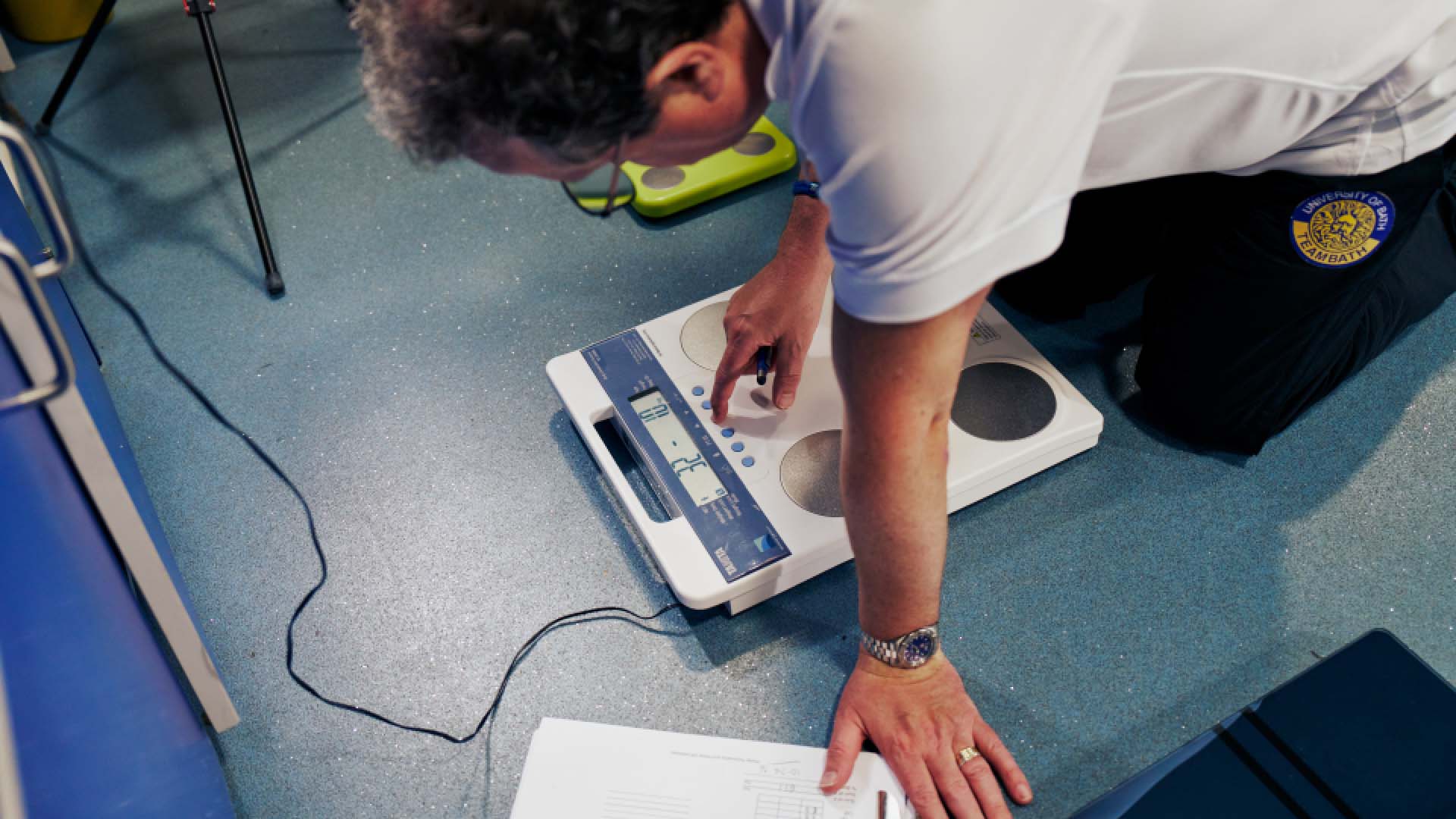
When it comes to tracking your body composition, are smart scales accurate enough to be useful?


The pros, the cons, with expert advice on whether to take your running indoors or out.
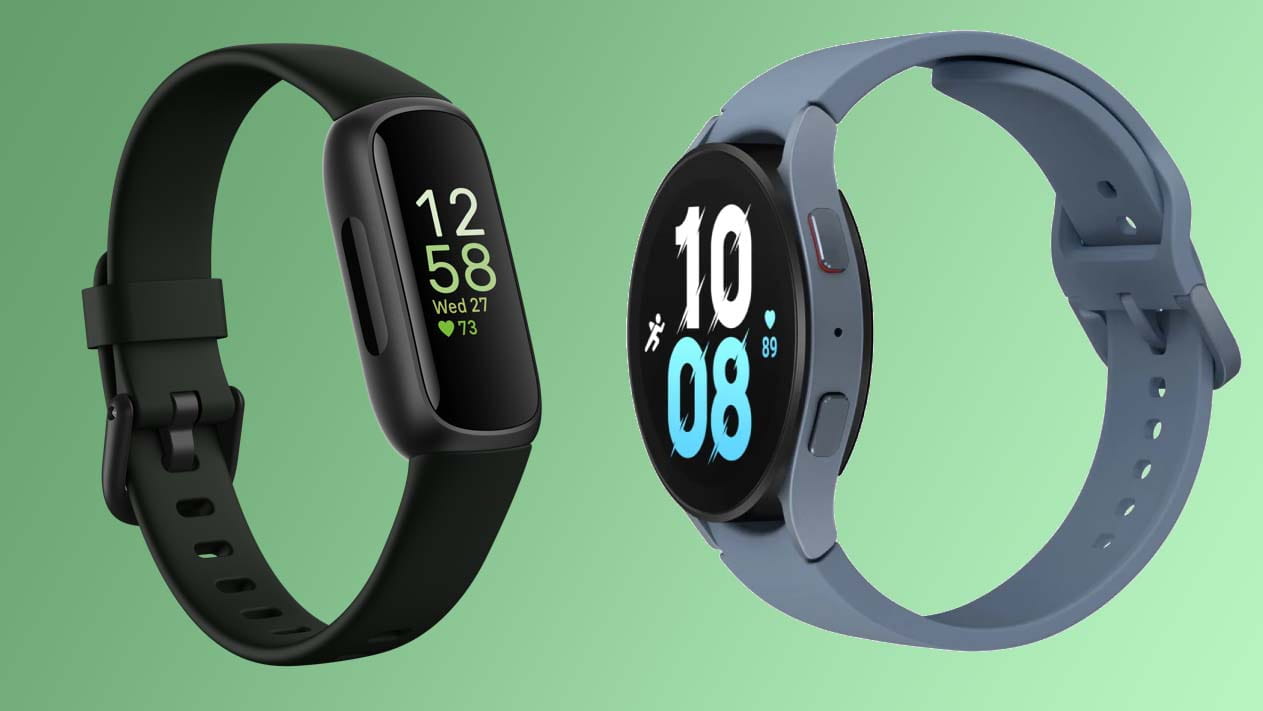
We are here to help you decide which wearable is right for you, a sleek fitness tracker or feature-packed smartwatch
Cleaning with an electric toothbrush is much easier, especially if you have mobility problems in your hands.


Your questions answered about what really is a good 5k time.