Lower your blood pressure: 10 easy, natural ways
High blood pressure affects 60% of those over 60. Medication can help, but there are also plenty of natural ways to bring your numbers down.
High blood pressure affects 60% of those over 60. Medication can help, but there are also plenty of natural ways to bring your numbers down.
High blood pressure, also known as hypertension, affects 60% of people aged over 60 in the UK. And it becomes even more common as you get older, affecting 66% of men over 75 and 77% of women.
Reducing your blood pressure can have striking effects. If you manage to cut your systolic blood pressure (the top number) by 2 milligrams of mercury (mmHg), you reduce your cardiovascular disease risk by 9% and stroke risk by 15%. A 10mmHg reduction in blood pressure cuts the risk of cardiovascular events by 20% and strokes by 27%.
“Bringing your blood pressure down significantly reduces your risk of heart attack, stroke, kidney disease and vascular dementia,” says Dr Pauline Swift, chair of the charity Blood Pressure UK and a consultant nephrologist at Epsom and St Helier NHS Trust, Surrey.
“Some older people worry about lowering their blood pressure too much, and getting dizzy and falling over, but the SPRINT trial found that lowering blood pressure down to a target of 120mmHg had a beneficial effect on older people.
“International guidelines state that you should aim to get blood pressure to 120-130mmHg, or as close to that target as you can tolerate. If you have a condition such as postural hypotension (a drop in blood pressure when you stand up), you should speak to your GP for advice.”
Currently, high blood pressure in the UK is defined as having a consistent reading of 140/90mmHg or higher, or 135/85mmHg if measured at home. Healthy blood pressure is 120/80mmHg or lower.
The treatment target in the UK is to achieve a blood pressure of below 140/90 mmHg, or less than 135/85mmHg if measured at home. If you have diabetes, or heart or kidney disease, the treatment target is lower: 130/80mmHg.
For the over-80s age group, the treatment target in the UK is 150/90mmHg in clinic or 145/85mmHg if measured at home, as arteries become stiffer with age.
Most of us have picked up the main messages about how to bring BP down – a healthy diet, cutting down on salt, losing weight, exercising, stopping smoking, reducing stress and drinking less alcohol. And if all that fails to bring it down enough, there's also the option of taking daily blood pressure pills.
But as well as these, there are some unexpected or more specific lifestyle tweaks you can make to chip away at the numbers and help your BP to come down further.
We asked the experts for their science-backed tips that may help you.
This wall-sit exercise, where you prop yourself against a wall with your thighs parallel to the ground and hold for two minutes, lowers blood pressure.

Why? It’s called an isometric exercise, which involves tensing muscles for a set amount of time and then releasing them. That causes a sudden rush of blood when you relax.
“Isometric exercises are the new kids on the block when it comes to lowering blood pressure,” says Dr Swift. “Doing these exercises for around 10 minutes a day can lower your blood pressure by 5 to 9mmHg in both systolic and diastolic BP. Build up to it gradually.”
To do a wall sit, you need to lean against a wall with your feet one to two feet away, tighten your abdominal muscles, then slide down the wall until your thighs are parallel to the floor, forming a 90° angle with your knees. Keep breathing and hold for 30 to 60 seconds.
A review of 270 trials with 16,000 participants with and without health conditions found that isometric exercise was more effective in reducing blood pressure than aerobic exercise, resistance training and high-intensity interval (HIIT) training, though all of those also significantly reduce blood pressure, so carry on with them too.
“There’s growing evidence that digital interventions that act like a personal health and wellness guru can help lower your blood pressure,” says Dr Swift.

“These interventions, which include wearables like smartwatches and phone apps, appear to make people more accountable for their health, and give them feedback to help them modify their behaviour. This is a rapidly evolving area; we can’t yet recommend individual devices, but work on assessing them is ongoing.”
A large review of 28 high-quality research studies compared blood pressure readings in those who had a digital health intervention with a control group. These included innovations such as text message reminders, wireless BP wrist monitors, home BP monitoring, telemedicine check-ins and pedometers to count steps.
The researchers found that those who used an intervention had a reduction in systolic blood pressure of 4.2mmHg at six months and 4.30mmHg at 12 months.
All vegetables help lower blood pressure, but one small study found that cruciferous vegetables appeared to be more effective than root vegetables in people with mildly high BP.

Study participants were split into two groups, with each participant being given four bowls of soup a day for two weeks. One group was given soup containing broccoli, cauliflower, cabbage or kale, while the second group was given soup containing root vegetables.
Those who had the cruciferous veg soup had lower systolic blood pressure than those in the root vegetable group. After two weeks, the cruciferous veg group had lowered their blood pressure by 2.5mmHg. Both groups also lost weight, which further reduced blood pressure. However, Wincanton GP Dr Campbell Murdoch, who has a special interest in metabolic medicine, warns against awarding 'superfood' status to any particular fruit or veg.
“No one fruit or vegetable is a golden ticket to lowering blood pressure on its own,” Dr Murdoch says. “It’s about eating more real foods, such as plenty of whole food sources of protein and non-starchy veg.”
“One of the key drivers of dietary advice for people with high BP is to address insulin resistance and high insulin levels, which can drive high blood pressure," says Dr Murdoch. “High insulin levels result in the kidneys holding sodium in the body and raising blood pressure.”

Murdoch advises reducing the foods that produce sugars, such as refined 'beige' carbohydrates (white bread, pasta, cakes and biscuits), and focus on eating more protein. “Ideally, you should be eating between 1.5 and 2g of protein per kilo of your body weight [per day],” he says.
Dr Amy McKenzie, director of medical affairs at Abbott’s Lingo, a wearable biosensor that tracks your blood glucose 24/7, says a good tip is to pair carbohydrates such as pasta and bread with protein and non-starchy vegetables to avoid glucose spikes, and to eat earlier in the evening to avoid an overnight glucose rollercoaster.
“Reducing sodium (salt) is an important way of reducing your blood pressure,” says Dr Farhan Shahid, a consultant interventional cardiologist at HCA’s Harborne Hospital, Birmingham. “People tend to focus on not adding salt to their food, which is good, but these days most salt comes from eating processed foods.

“Salt is added to all processed foods, including bread, cakes and biscuits – not just takeaways. I recommend all my patients cook meals from scratch, if possible, to avoid added salt in processed foods.”
The DASH diet (Dietary Approaches to Hypertension) is rich in vegetables, fruit, low-fat dairy, wholegrains, fish, lean poultry, beans and nuts, with lesser amounts of fatty meat, full-fat dairy, sweets and sugary drinks. It recommends eating no more than 6g of salt a day.
Dr Swift adds that high salt consumption can also stop some blood pressure pills, such as ACE inhibitors, from working properly – it can make them at least half as effective.
As a general rule of thumb, for every kilogram (2.2lbs) of weight that you lose, your blood pressure will drop by 1mmHg. Dropping 10kg (1st 8lbs) reduces systolic blood pressure by 5 to 10 mmHg.

Following a healthy diet and increasing physical activity will help you achieve this, but drug treatments may also help if the weight is proving hard to shift.
GLP-1 drugs such as Wegovy and Mounjaro are available on GP prescription if you have a BMI of 40 and at least four other weight-related health problems, such as high blood pressure or raised cholesterol. From summer 2026, Wegovy is expected to be available to more than one million people with a BMI of over 27 who've had a heart attack, stroke or serious circulation problem in their legs. “These drugs have been shown to aid weight loss, alongside diet and physical activity changes, but they also improve blood pressure quite significantly,” says Dr Swift.
Alcohol raises your blood pressure in the short term. This is because it stimulates your nervous system, which makes your heart work harder.

According to the British Heart Foundation, having more than four alcoholic drinks at one time can stop receptors that regulate blood pressure in your brain from working, and lead to long-term high-blood-pressure problems.
“A heavy alcohol intake will increase blood pressure,” says Dr Swift. “If you are drinking more than the upper limit of 14 units of alcohol per week, reducing your intake will contribute towards getting it down.”
“Potassium helps the kidneys clear excess sodium from the body, and helps blood vessel walls relax. And crucially, a higher potassium intake appears to buffer the blood pressure effects of salt,” says Sasha Watkins, registered dietitian with Mindful Chef.

“Good sources go well beyond bananas. Lentils, avocados, salmon, beans, sweet potatoes, leafy greens and yogurt are all excellent.
“Most people in the UK fall below recommended potassium intake levels, which means there is genuine scope here to make a difference through everyday foods.”
However, if you have impaired kidney function or are taking ACE inhibitor blood pressure drugs, consult your GP about how much potassium you should be consuming, as high levels could cause irregular heartbeat and palpitations. The charity Kidney Care UK suggests limiting bananas to one or two per week for people in these groups.
“Beetroot juice gets a lot of attention, but it’s actually rocket that contains some of the highest levels of dietary nitrate, followed closely by spinach, Swiss chard, celery, lettuce, radishes and fennel,” explains Watkins.

When you eat these foods, the body converts their naturally occurring nitrates into nitric oxide, a compound that may help blood vessels relax and widen, which could take some pressure off the arterial walls.
A rocket and spinach salad, or a soup made from leafy greens, is a straightforward way to get more of these vegetables into your diet. But Watkins is keen to stress that no single food works in isolation: “These vegetables can be a useful part of the picture, but blood pressure is shaped by your whole diet and lifestyle – regular movement, managing stress, limiting alcohol and salt, and eating a wide variety of plants all matter just as much.”
A 2025 analysis of 75 clinical trials found an association between dietary nitrate and modest reductions in blood pressure, with effects also seen on vascular stiffness – an important marker of cardiovascular health. The researchers noted that results varied across individuals, and this should be seen as one piece of a broader dietary pattern, not a targeted fix.
Dark chocolate contains compounds called flavanols, which support the health of the endothelium, the thin lining of blood vessel walls, explains Watkins.

“A clinical trial of 44 people found that just 6g of high-cocoa dark chocolate daily – roughly one small square – was linked to a meaningful reduction in blood pressure over 18 weeks. The key caveats are cocoa content (it must be 70% or above) and portion size.
“A small square a few times a week as part of a healthy diet is the kind of amount the research looks at – but this isn’t a green light to eat more chocolate generally,” she adds.
The theory is that plant chemicals called flavanols act on nitric-oxide pathways and dilate blood vessels.
[Hero image credit: Getty]


Buy direct and start a new Saga Health Insurance policy by the end of 10 December 2026 to get your first 3 months free. T&Cs apply.
Underwritten by Bupa Insurance Limited.

Some Saga holidays include soothing or spiritual activities like joining a traditional tea ceremony in Japan, practising yoga in India or bathing in Iceland’s Blue Lagoon.

Are you retiring at the wrong age? The best age to retire for your body, brain, happiness and pocket.


Everything you need to know about the lung infection, and how you could be ill with “walking” pneumonia without realising it.
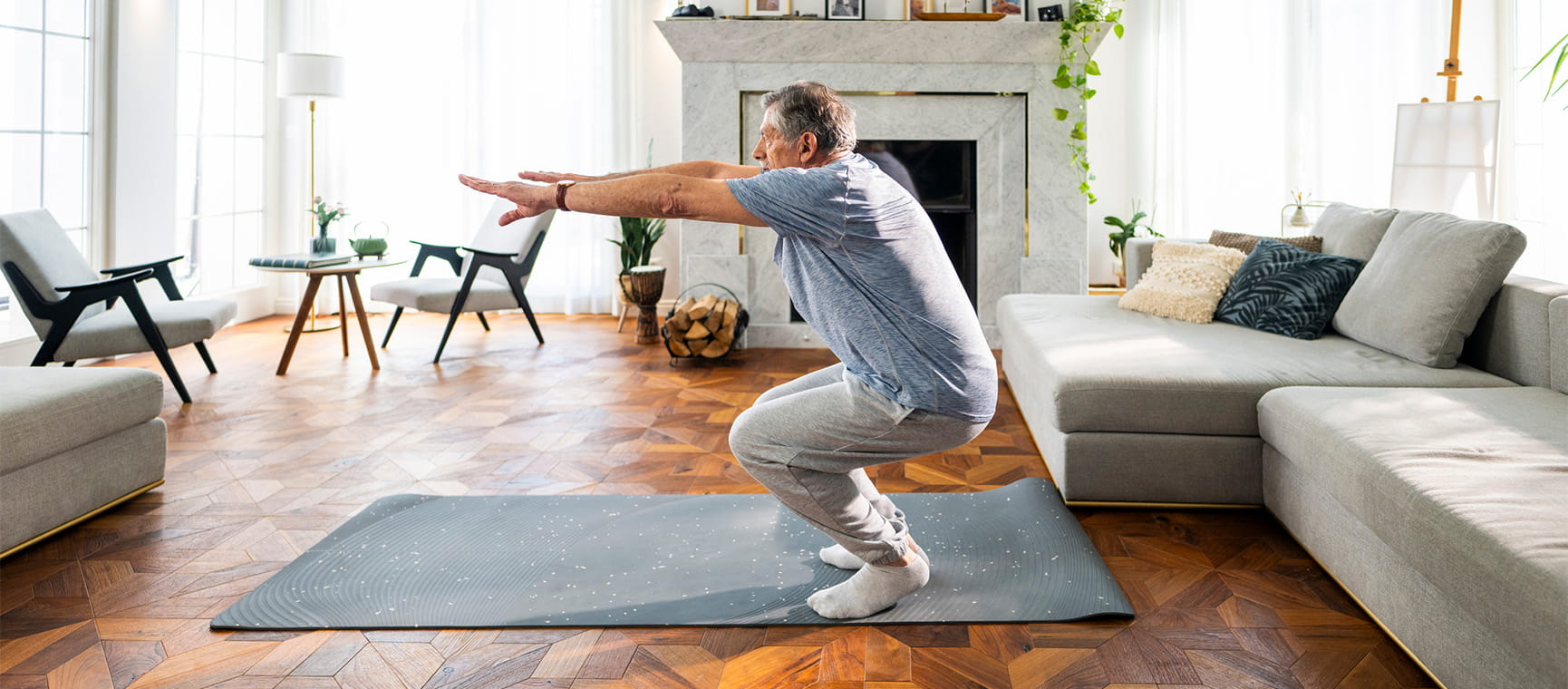
Strong calves for a strong mind: how they support our circulation and brain health, with easy moves to strengthen yours at home.


Our GP Dr Mark Porter explains what can cause itchy skin, which is a common problem as we get older.

Worried you’ve morphed into Victor Meldrew? Find out how to battle that bad mood, and what to do if you’re stuck with a grouchy loved one.

The benefits of heat and cold therapy, and how Nordic bathing won over our nervous writer.

Here’s how to spot the symptoms of heat disease and reduce your danger.

Everything you’re entitled to this year, when you can have it, and the gaps that remain.

Pilates for back pain – what to do if you are suffering, and five gentle exercises that could help.

Dizziness or vertigo: a sensation of spinning, can stop us doing everyday things for fear of falling. Try these tips to stop feeling dizzy


You don’t have to put up with bladder leaks. We try out the latest pelvic floor gadgets for men and women.
Cataracts are a normal part of ageing. Learn how to spot the signs – and when it’s time to consider surgery.