The secret to longevity: the science behind a long life
New studies reveal that you don’t build longevity through dramatic life overhauls, but through tiny daily changes that all add up.

New studies reveal that you don’t build longevity through dramatic life overhauls, but through tiny daily changes that all add up.
There might not be a single superfood, magic workout or perfect bedtime that guarantees a long, healthy life. However, two new studies suggest that small, repeated tweaks to what we eat, how we exercise and when we sleep can, over time, make a sizeable difference to our longevity.
Dr Rini Chatterjee, a doctor who specialises in longevity, explains what these two studies found, and how we can apply the changes to our own lives.
The first study, published in eClinicalMedicine, looked at what happens when sleep, physical activity and diet are all improved, even by tiny amounts. Previous research has shown that all three matter individually for longevity. The team wanted to model their combined effect.
Researchers followed 60,000 adults in the UK for an average of eight years, analysing their sleep, physical activity and diet. They then used statistical modelling to estimate how different combinations of people’s behaviour related to healthspan and lifespan.
Among people with the poorest habits, adding just five minutes of sleep a day, two minutes of moderate-to-vigorous activity and half a serving of vegetables was associated with an extra year of life. At the other end of the scale, the most favourable combination – seven to eight hours of sleep, more than 40 minutes of moderate-to-vigorous activity daily and a high-quality diet – was linked to more than nine additional years of life.
“This study demonstrates that small, combined improvements in sleep, physical activity and nutrition are associated with theoretical increases in both lifespan and healthspan that are clinically meaningful,” wrote the researchers.
Dr Chatterjee agrees that these factors matter for healthspan and longevity, but she warns that the study was “observational, not experimental”. In other words, it doesn't prove that certain behaviours cause people to live longer, only that those who engage in them tend to do so.
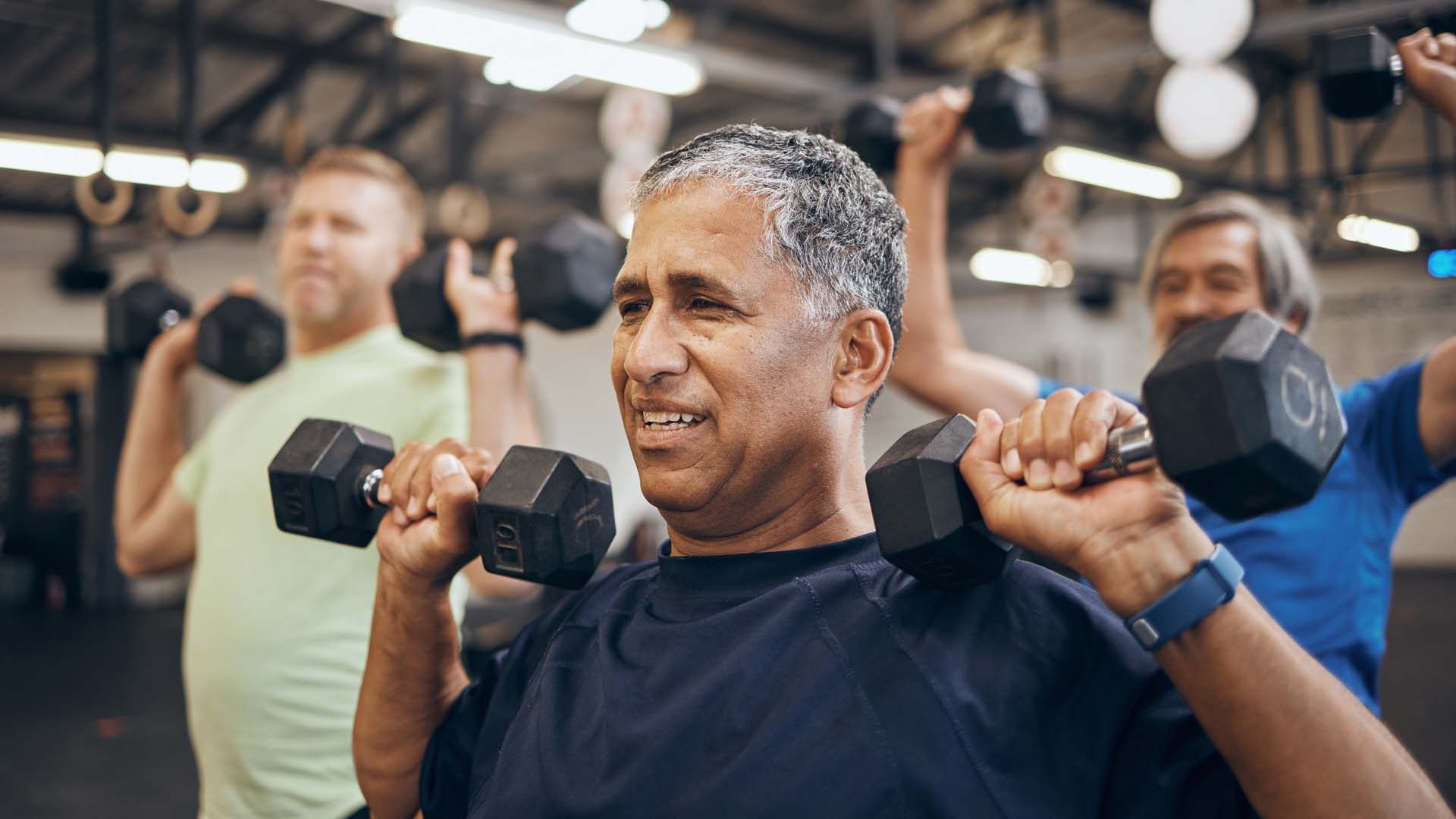
The second study, published in BMJ Medicine, zoomed in on physical activity – not just how much people did, but how varied it was. Researchers analysed data from more than 111,000 adults tracked over 30 years. Participants reported their engagement in activities ranging from walking, cycling and swimming to tennis, stair climbing and yoga.
People who regularly engaged in the widest range of physical activities had a 19% lower risk of death. Risks of dying from heart disease, cancer and respiratory disease were also substantially lower.
The findings support the idea that “promoting engagement in a diverse range of physical activity types, alongside increasing total physical activity levels, may help reduce the risk of premature death,” wrote the researchers.
Walking was especially beneficial. Those who walked the most had a 17% lower risk of death than those who walked the least. Stair climbing was linked to a 10% reduction.
“Exercise is the greatest longevity drug,” says Dr Chatterjee. “It moves needles in all areas of healthspan and longevity.”

Sleep influences blood sugar control, inflammation, immune function and brain health. Small improvements, repeated consistently, can help tip someone away from chronic deficit.
“It’s unlikely that five minutes is biologically special,” says Dr Chatterjee. “More plausibly, it reflects slightly longer time in deeper sleep stages, better circadian alignment and less chronic sleep restriction over months or years.”
To improve your sleep, Dr Chatterjee recommends going to bed and getting up at roughly the same time every day. “It anchors circadian rhythms more powerfully than most supplements,” she says.
She also notes that good sleep starts as soon as you wake up: getting daylight early in the day and reducing bright light in the evening helps the brain distinguish day from night, enabling melatonin to rise naturally. The advice is “simple and boring but effective,” she says.
Two minutes of movement won’t make you fit, but if your current life is pretty sedentary, even tiny increases can matter. In the study, 'moderate' activity meant movement that raises heart rate and breathing, where you can talk but not comfortably sing. Think brisk walking, stair climbing or carrying bags of shopping.
Dr Chatterjee recommends adding a couple of minutes of gentle squats or stretches every hour, walking stairs a little faster than usual, or adding a short, purposeful pace to an existing walk.
“Vegetable intake in studies like this is best understood as a marker, not a mechanism,” says Dr Chatterjee. People who eat more vegetables tend to eat fewer ultra-processed foods, as well as having better nutrient intake and more stable blood sugar over time.
She suggests eating vegetables earlier in the day, using frozen veg for ease and letting vegetables replace something else, such as eating crudités with a dip instead of crisps. Leafy greens, cruciferous vegetables (such as broccoli and cauliflower) and legumes are the most nutritious.

Walking is especially beneficial for our health. “It improves circulation, blood sugar control, joint health and mood, with very low risk,” Dr Chatterjee says. It is also easy to do often and regularly.
She recommends taking a morning walk for light exposure, a loop after meals to help blood sugar, or walking a little at each end of a car or bus journey. For those with mobility issues, indoor walking or flatter routes still count.
“The aim isn’t distance or speed, but regular, comfortable movement that fits real life,” she adds.
If walking is the gateway to moving more, then variety is the long-term goal. “To stay independent as we age, we rely on several systems: strength, stability, aerobic fitness and short-burst power,” Dr Chatterjee says.
Mixing things up allows us to target different systems. Dance classes, walking football, pickleball, gardening, yoga or tai chi can gently challenge balance, strength, co-ordination and heart health all at once.
Introduce new activities slowly. “Start more gently than you think you need to,” Dr Chatterjee says. Engage in shorter sessions, do simple warm-ups and pay attention to how you feel the next day. “Mild stiffness is normal – sharp pain is a sign to ease back,” she explains.
“Most of what improves long-term health isn’t dramatic,” concludes Dr Chatterjee. “It’s the accumulation of small decisions repeated over years.”
A few small lifestyle changes could make a significant and unexpected difference. As Dr Chatterjee puts it: “Healthspan is built through consistency, not intensity.”


Buy direct and start a new Saga Health Insurance policy by the end of 10 December 2026 to get your first 3 months free. T&Cs apply.
Underwritten by Bupa Insurance Limited.
Find out about Saga’s walking holidays here…
Saga’s walking holidays are perfect for exploring Europe’s stunning destinations on foot. They’re suitable for all fitness levels and offer a well-balanced mix of guided walks and relaxation.

We examine the science and how to best look after our brain as we get older.

Want to start winter mornings feeling energised? Follow these five simple tips.

Expert nutritionists break down the most important foods to eat in each decade as we get older.

Your neighbourhood pharmacist now offers a surprising number of services.


10 simple alternative items that can have a big effect on your health – without depriving you.
New measures for GP appointments are in the headlines, but what effect will they have for you when it comes to getting to see a doctor?

Everything you need to know about the lung infection, and how you could be ill with “walking” pneumonia without realising it.