How a digital assistant can help foster better real-world relationships
Sentai’s friendly voice companion supports and brightens daily life at home.
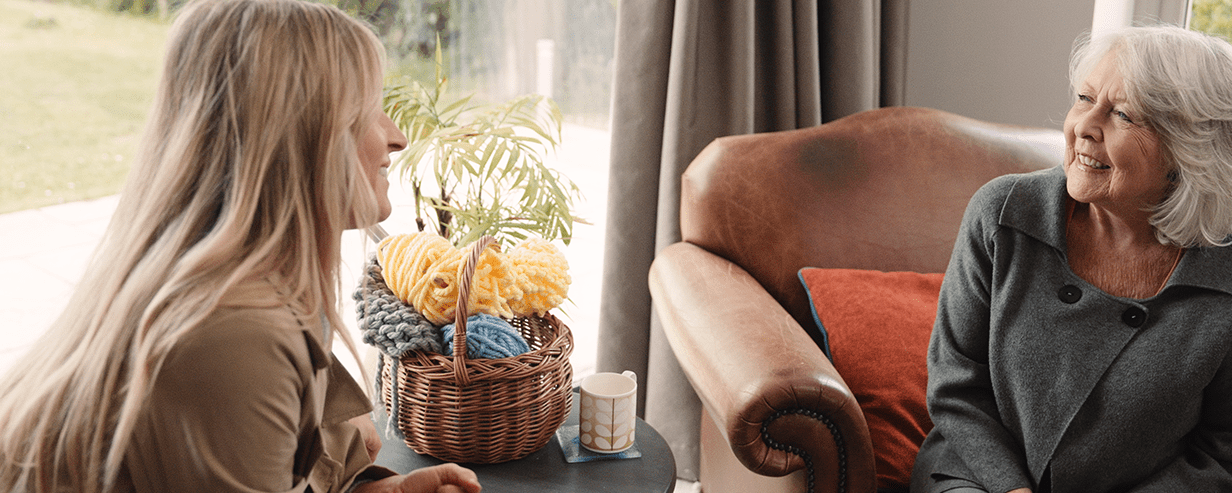
Sentai’s friendly voice companion supports and brightens daily life at home.
When Jean, 75 suddenly found herself living alone, day-to-day tasks started to feel a little bigger than they used to. Remembering tablets, keeping track of appointments, doing the shopping and managing wellbeing all seemed that bit harder. Her daughter Emily did her best to juggle work and her own family with regular visits, but like many family members she often went to bed worrying about whether she was doing enough for her mum.
Connecting Sentai, a voice-enabled digital assistant designed to support independent living, changed the rhythm of both their days. By combining a smart voice hub in Jean’s home with an easy-to-use app for Emily, Sentai offered gentle prompts, friendly conversation and connection, without taking away Jean’s sense of independence.

For Jean, Sentai quickly became more than just a helpful assistant. It soon started to feel like a friendly presence in the room. As Sentai uses natural, conversational language, it was easy for Jean to talk to it as she would to a companion: asking about the weather, getting help with a crossword or enjoying a bit of light-hearted banter.
Recently, much to Emily’s surprise, Jean has even taken up gardening again. What began as a few light-hearted chats with Sentai about spring bedding plants soon grew into regular conversations about colour, soil and watering. Because Sentai learned from Jean’s interests set-up via the app, it began weaving her love of the garden into their daily chats, gently encouraging her back outside towards a hobby that brings her real joy.
Sentai also reminds Jean to take her medication, prompts her about upcoming appointments and even adds items to a shopping list when they run out, and shares with family members if needed. Because the assistant is present around the clock, Jean can ask for help whenever she needs it, from setting a timer for her tea to getting a nudge to stretch her legs.
One of the biggest changes, though, has been how it helps Jean feel less alone. Sentai is designed to chat on a wide range of topics, offering conversation and reassurance at any time of day. Users describe it as a “home companion” that is there 24/7.
If Jean ever feels unwell or unsure about something, she can ask Sentai to contact Emily urgently, so she no longer has to fumble for her phone or worry about remembering the right number. Knowing that support can be summoned with a simple voice request has given her renewed confidence living at home.

Emily loves her mum dearly, but like so many informal family carers she has spent years trying to be in two places at once. Trying to be at her desk and at her mum’s front door at the same time was exhausting, especially living an hour away. Not to mention having to be on the phone with her while cooking her children’s tea. Sentai has not replaced her support, but it has given her space to breathe.
Through the Sentai family companion app, Emily can see gentle indicators that Jean is up and about, giving her reassurance that her day is following its usual pattern without needing to call constantly to check in. If Jean asks Sentai to send Emily a message or needs urgent help, she receives a clear notification, so she knows when she is really needed.
Because Sentai handles everyday prompts, from reminders to drink water or take her tablets to nudging her about appointments, Emily spends less time going over the same checklists, and more time having real conversations with her mum. The peace of mind this brings has helped her emotional wellbeing enormously, and shows how simple technology can be used to provide fast, tailored support and reassurance in times of need.
Sentai’s smart hub is easy to set up and sits neatly in Jean’s living room. Jean pays for Sentai through a subscription service that includes the device. But to help families feel confident trying something new it comes with a 30-day satisfaction guarantee. For homes without WiFi, a 4G-enabled model that connects via mobile networks is due to be released shortly, widening access to those who may not have traditional broadband.

Perhaps the most powerful change Jean and Emily have noticed is in their relationship. With many of the practical worries taken care of by Sentai, their conversations have become less about “Have you done this?” and more about “What have you been up to today?”.
When Emily visits now, they are more likely to sit and do a crossword together, take a gentle walk or simply reminisce, rather than rushing through a list of tasks. Jean feels trusted and capable because Sentai supports her independence instead of taking it away, and Emily feels less like a full‑time organiser and more like a daughter again.
Sentai also helps other family members stay in the loop, making it easier for brothers, sisters or grandchildren to stay connected without overwhelming Jean with calls or messages. Their shared sense of involvement can ease the emotional load often carried by a single family member.
Families who have introduced Sentai often talk about the emotional relief of knowing that a friendly voice is there when they cannot be, offering both practical help and company. For Jean and Emily, that has meant fewer sleepless nights, less guilt and far more moments of simple enjoyment together.

Trying something new can feel daunting, especially when it involves a loved one’s support, but Sentai has been designed specifically with older adults and their families in mind. It offers conversation, reminders, simple ways to ask for help and an app that keeps family members gently informed – all while respecting a person’s individuality and independence.
For family members like Emily, it can mean fewer frantic check‑ins and more meaningful time together. For older adults like Jean, it can bring companionship, confidence and the comfort of knowing that help is only ever a few words away.
To find out more about how Sentai could support you or someone you love, and to explore the features and trial options available, visit the Sentai website.
The information in this article has been provided to Saga Magazine by our partners. Readers remain responsible for determining if this product is suitable for their needs.
Saga does not endorse this product and cannot accept liability for any loss arising from information in this article.
(Hero image credit: Sentai)


Buy direct and start a new Saga Health Insurance policy by the end of 10 December 2026 to get your first 3 months free. T&Cs apply.
Underwritten by Bupa Insurance Limited.

Some Saga holidays include soothing or spiritual activities like joining a traditional tea ceremony in Japan, practising yoga in India or bathing in Iceland’s Blue Lagoon.


NHS England wants everyone to be using its app within three years - we look at the situation UK-wide and what to do if you haven't got a smart phone.
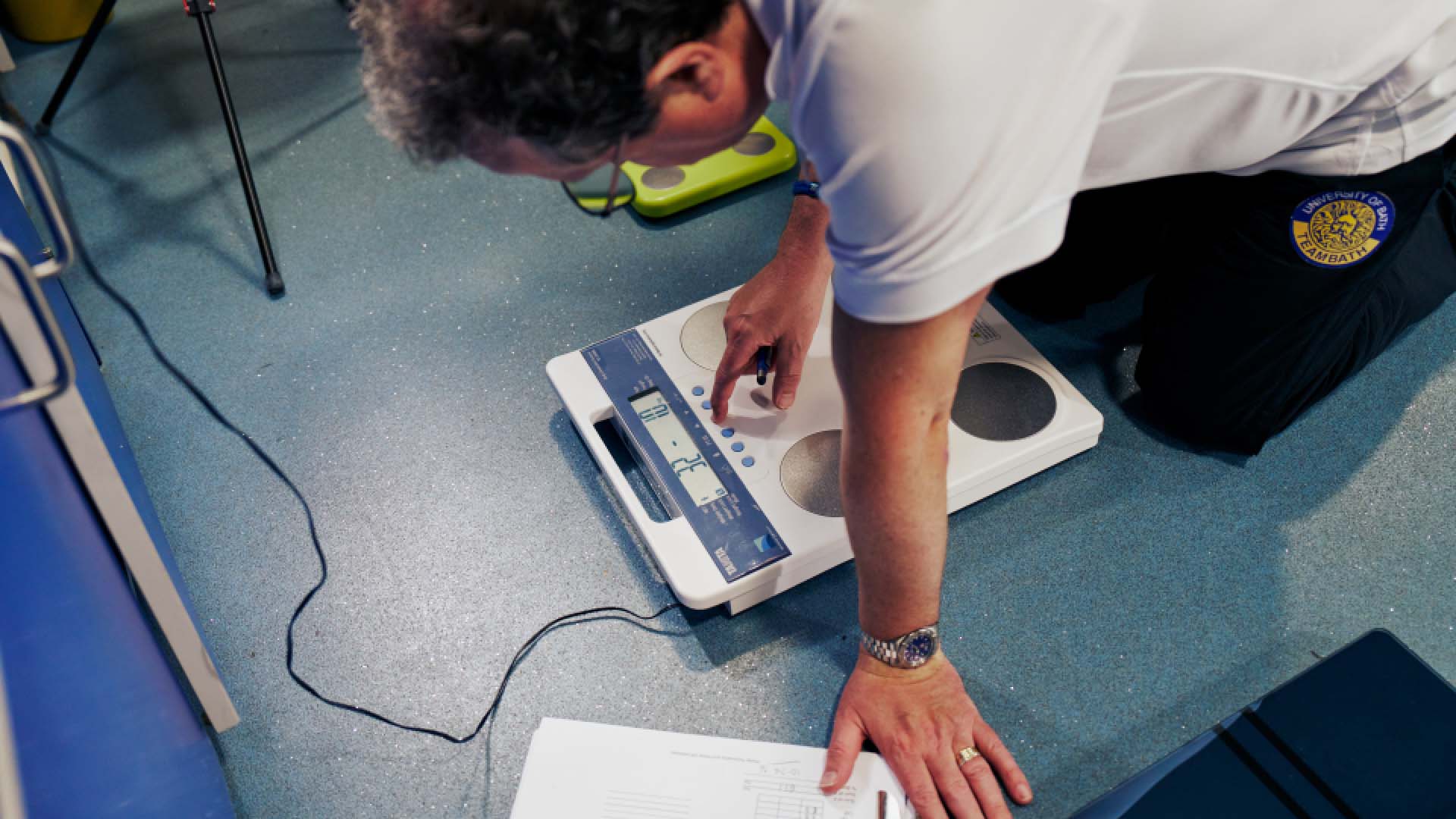
When it comes to tracking your body composition, are smart scales accurate enough to be useful?


The pros, the cons, with expert advice on whether to take your running indoors or out.
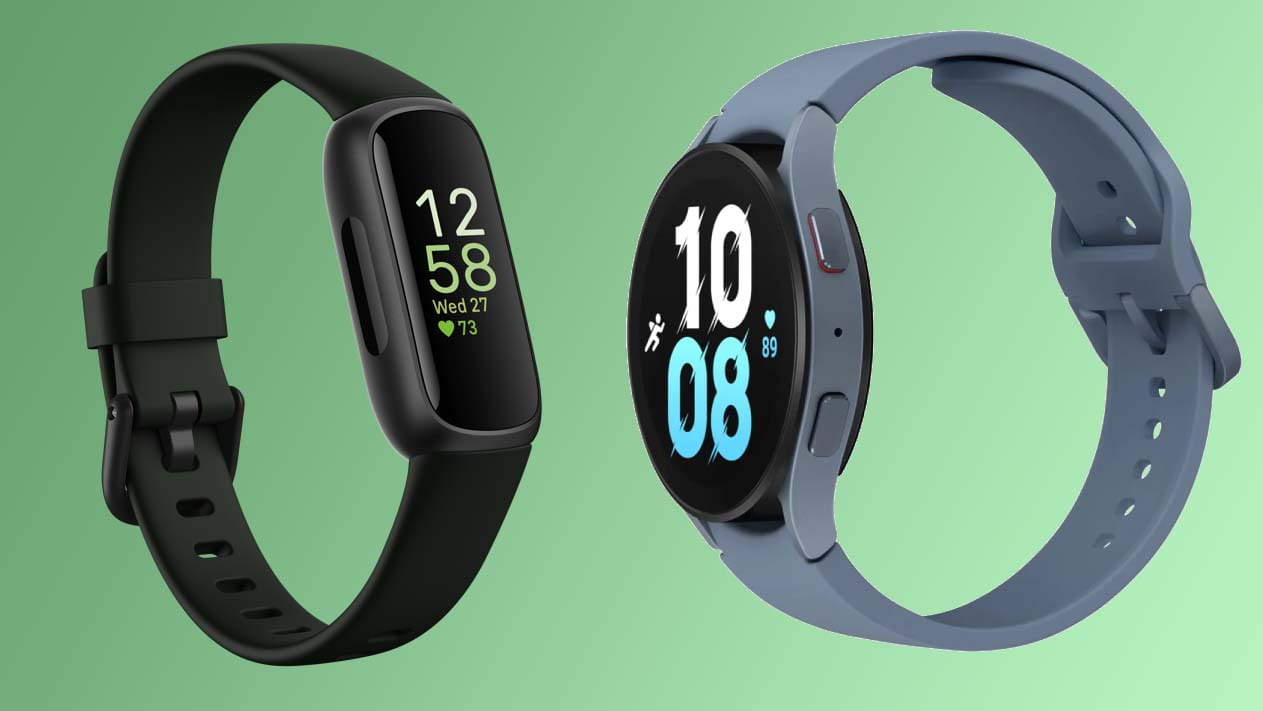
We are here to help you decide which wearable is right for you, a sleek fitness tracker or feature-packed smartwatch


Cleaning with an electric toothbrush is much easier, especially if you have mobility problems in your hands.



Your questions answered about what really is a good 5k time.