Why can’t over-80s get the shingles vaccine?
Some 65-year-olds can get the shingles vaccine on the NHS, but many 68 and 69-year-olds cannot. Over-80s are still excluded altogether. Here’s what’s going on.
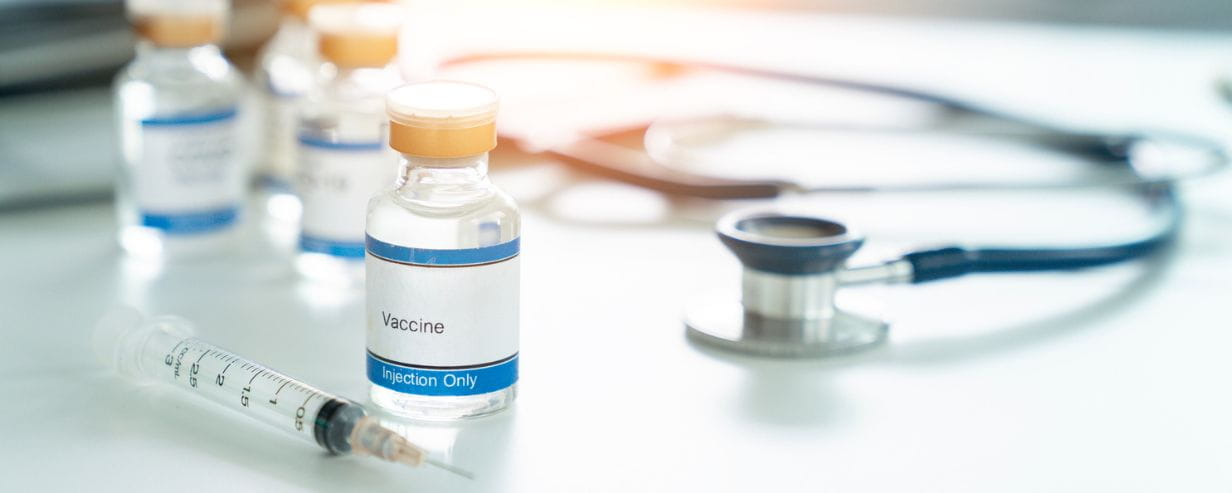
The autumn NHS vaccine campaign is about to get underway, yet one important jab remains unavailable to the over 80s: the shingles vaccine. Yet there’s evidence that it works in this age group. In fact, the government was advised to include the over-80s in the programme back in November 2024 but still hasn’t done so.
Campaigners are calling this ageist and want a swift about-turn. They also want ministers to sort out confusion about who is eligible for the shingles vaccine in the 65 to 70 age group. Currently, 65-year-olds can get it, but – bizarrely – not people aged 68 and 69.
“I’ve been getting so many angry emails from people who want the vaccine but can’t get it,” says Marian Nicholson, director of the Shingles Support Society charity.
“We can call this age discrimination and we are now writing to health ministers asking for vaccine eligibility to be extended.”
Other experts have backed the call for the over-80s to receive the vaccine. It’s not the first time this age group has been overlooked. Saga readers may remember our stories about the RSV vaccine being restricted to the under 80s in the initial rollout launched in 2024, despite evidence that the over 80s would benefit. In February this year, the DHSC finally announced a change of heart.
Shingles, a painful skin rash caused by reactivation of the dormant chicken pox virus, is more common in older people, with 50,000 cases a year in the over-70s in England and Wales, and they are more likely to suffer complications.
Post herpetic neuralgia (PHN), which causes sharp burning nerve pain that can last months or years, is one of the most common complications. Around 50 people a year die from the virus in the UK.
The UK Health Security Agency (UKHSA) says that the vaccine reduces the risk of getting shingles by 62% and the risk of PHN by 88%.
It’s complicated. Originally, the shingles vaccine (the older Zostavax type) was given to 70-79-year-olds. Then when the newer Shringrix vaccine came on the scene, eligibility was extended in 2023 to those who turned 65 on or after 1 September 2023. However, that left those who had turned 65 before this date (even one day before) having to wait until their 70th birthday to get the vaccine.
And there are currently no plans for the vaccine to be offered to the three million people in the UK aged over 80 even though the Joint Committee on Vaccinations and Immunisations (JCVI) specifically recommended in November 2024 that the over-80s should get at least a single shot of Shingrix, if not two shots.
The vaccination campaign is, however, scheduled to be extended to younger people aged 60-65 but not until 2033.
In addition anyone aged over 18 with a severely weakened immune system, including over 80s who are immunosuppressed, is eligible for the shingles vaccine. This was extended to the under-50s in September 2025.
That’s the question that Nicholson is repeatedly being asked by those who fall outside the age criteria.
“The rollout is too complicated – even GPs don’t understand it,” she says. “I think GPs are supposed to invite people along but as they are so swamped with other work, inviting people for their shingles vaccine is not always one of their priorities, and of course some people don’t realise how serious shingles can be for older people and don’t bother to get it.”
Caroline Abrahams, Age UK’s director, says the eligibility criteria for the shingles vaccine are confusing, and the charity has heard from older people who are disappointed and frustrated that they are not yet eligible, particularly when they realise that people younger than they are can receive the vaccine.
“We recognise that changing eligibility for vaccinations takes time and that health services need to consider capacity and cost, but it is disappointing that, two years after the JCVI recommended extending shingles vaccination to people aged 80 and over, this has still not become a reality,” Abrahams says. “Age UK has asked the government when it will but we have not been given a clear timeline.
"Shingles is often extremely painful and it can have a greater and longer-lasting impact on older people, so we would certainly encourage everyone to take up the vaccine when they become eligible.”
Dr Leyla Hannbeck, CEO of the Independent Pharmacies Association, says Shingrix provides highly effective protection against the disease: “We therefore call on the NHS to bring forward their 2033 plans to extend the shingles vaccination program to all adults over the age of 60 including those aged over 80 and offer the vaccine to this cohort already from this year onwards.”
Yes, says Professor Chris Fox, dementia researcher at Exeter University and an old age psychiatrist: “The Shringrix vaccine does work for people over 80 too and is licensed for everyone 50 and over.
“The bottom line is that this is about money – it’s an expensive vaccine that costs around £450 for two shots (if you pay for it privately) and as with the Respiratory Syncytial Virus RSV vaccine – which was also initially not offered to this age group – it is once again the over-80s, the most vulnerable and most at risk of complications, who are not being offered protection by the NHS.
“Anyone who has had shingles and the complications that can follow such as Post Herpetic Neuralgia (PHN) – nerve pain – will know what a horrible disease this can be for older people.”
Complications of shingles include long lasting nerve pain, vision loss, skin infections and neurological problems.
Professor Jugdeep Dhesi, president of the British Geriatric Society, says the phased rollout can be difficult to explain to people. “Such an approach risks creating frustration and, importantly, could leave some older people unprotected for longer,” he explains.
“We need simpler criteria for vaccination against shingles, clearer communication about eligibility with older people and healthcare professionals, and a timely approach to support delivery.
“This vaccination programme should be extended to those aged over 80 years.”
The complicated catch-up programme means that 68- and 69-year-olds can’t get it, yet their younger friends can. “It just seems crazy to me,’ says Jeremy Kidd, 68, operator of a sales business in Hampshire, who contacted the Shingles Support Society for advice.
“My wife Janet is actually younger than me, but she is eligible for the vaccine now, but I have to wait another two years until I’m 70 to get it – it really defies logic,” he says. “I’d like to have the vaccine as soon as possible – apart from reducing the risk and complications of shingles, it may also reduce dementia risk – but I refuse to pay £450 privately for it when people younger than me are getting it free on the NHS.
“Equally, I don’t understand why the over-80s aren’t getting the vaccine as they are most at risk of complications. It’s great the NHS are offering these vaccines, but why exclude the most vulnerable? My father suffered very badly from shingles so I have experience of just how nasty it can be.”
Andrew and Marian Green, from Northamptonshire, a retired energy consultant and a local government officer, were both 66 in September, 2023, so just missed out on eligibility.
“It makes no sense at all,” says Andrew. “We know people who have been badly affected by shingles and want to protect ourselves and we don’t want to wait any longer.”
Even those who have recently turned 70, like Jill Buckley from West Yorkshire, are also reporting difficulties getting the vaccine.
“I turned 70 on 3 July and rang the GP surgery to book an appointment for the vaccine two weeks before my birthday – bearing in mind that I’d already been waiting three years, and but was told I must wait to be invited,” says Jill. “I’m still waiting six weeks on. No wonder uptake has been so low.”
Latest available quarterly figures from UKHSA for England in September 2025 show uptake varied from 16.1% for those who had dose 1 on turning 65 and 22.8% in those reaching 70, to 35.6% for those who turned 66, and 46.9% for those aged 71.
Uptake for the vaccine has been low – less than 50% in most age groups,” says Nicholson. “One of the ways they could get higher uptake is to continue to tell GPs who they can vaccinate, but also allow them to vaccinate anyone over 60 who turns up.”
Professor Fox says the pain of PHN, which can be hard to live with and lead to sleep problems, depression and sometimes social isolation, which may increase your chance of dementia and may make other health conditions worse too.
“People in their fifties could also benefit from the vaccine because a nasty bout of shingles can mean months off work and some people might never go back,” he argues. “It is short sighted to restrict vaccine eligibility to such a narrow group and clearly age discrimination.”
Another less common complication is Ramsay Hunt syndrome, which affects facial nerves near the ear causing one-sided facial weakness, hearing loss, and balance problems.
Another reason why some older people are keen to get the shingles vaccine is the recent publication of research suggesting it might also reduce dementia risk.
A study published in Nature in 2025 showed that vaccinating against shingles was associated with reducing dementia risk by up to 20%. However, Professor Fox says the evidence is mixed on this.
“Cause and effect have not been established yet, it is more an association – one more recent study presented in July this year at an international conference found it may have no effect on dementia after all, but it did reduce shingles cases,” he explains.
“We do think though that all vaccines may reduce dementia risk because they cut the risk of infection and reduce inflammation.”
Dr Julie Yates, UKHSA deputy director for immunisation programmes says: “Recently some studies have suggested that shingles vaccination could also help reduce the risk of dementia – this is an ongoing research area that requires more investigation. JCVI keeps all programmes under review and will consider new evidence in relation to the shingles programme as this becomes available.”
New research published in August 2026 suggests that the Shingrix vaccine could protect against heart disease and stroke.
The research by the University of Oxford suggests that two doses of the jab are comparable to taking blood pressure medication and appears to significantly lower the risk of heart attack and stroke.
The scientists involved say that if everyone over 60 in the UK was vaccinated with Shingrix then tens of thousands of deaths could be prevented.
Dr Maxime Taquet, a clinical lecturer at the University of Oxford, who led the study, says: “If confirmed in clinical trials, vaccinating older adults against shingles could prevent hundreds of thousands of coronary heart diseases, strokes and cases of heart failure worldwide, making it one of the most impactful interventions we could offer to protect both the brain and the heart in later life.
“The effect might be enormous.”
A timetable for offering the vaccine to the 60 to 65 age group has been set for 2033.
A Department of Health and Social Care spokesperson told Saga Magazine it is continuing to roll out the phased expansion of the shingles vaccination programme, following the JCVI’s recommendation to lower the age of eligibility: “We are also carefully considering JCVI advice on expanding eligibility to those aged 80 and over.”
A spokesperson from Public Health Scotland says the shingles vaccination programme was expanded to reduce the eligible age from 70 to 60 years in 2023 for the routine cohort, in a phased implementation over 10 years.
“We recognise people may be disappointed if they are not yet included in the age group to be offered the shingles vaccine,” they stated. “These decisions are based on a combination of factors.”
The 2025/2026 programme is in stage 1 of the implementation of this change, with 65 and 70 year olds on 1 September 2025 eligible.
Jo Waters is an award-winning health and medical journalist who writes for national newspapers, consumer magazines and medical websites.
She is the author of four health books, including What's Up with Your Gut? and is a former chair of the Guild of Health Writers.
Health insurance for people over 50 that provides a quicker route to diagnosis and planned medical treatment in a private facility.
Underwritten by Bupa Insurance Limited.
Your chance to win a 7-night cruise for two on board Spirit of the Rhine, worth more than £4,000.
Are you retiring at the wrong age? The best age to retire for your body, brain, happiness and pocket.
Everything you need to know about the lung infection, and how you could be ill with “walking” pneumonia without realising it.
Strong calves for a strong mind: how they support our circulation and brain health, with easy moves to strengthen yours at home.
Our GP Dr Mark Porter explains what can cause itchy skin, which is a common problem as we get older.
Worried you’ve morphed into Victor Meldrew? Find out how to battle that bad mood, and what to do if you’re stuck with a grouchy loved one.
The benefits of heat and cold therapy, and how Nordic bathing won over our nervous writer.
Here’s how to spot the symptoms of heat disease and reduce your danger.
The NHS winter vaccination campaign kicks off next week. Here’s the lowdown on what you need to book.
Pilates for back pain – what to do if you are suffering, and five gentle exercises that could help.
Dizziness or vertigo: a sensation of spinning, can stop us doing everyday things for fear of falling. Try these tips to stop feeling dizzy
You don’t have to put up with bladder leaks. We try out the latest pelvic floor gadgets for men and women.
Cataracts are a normal part of ageing. Learn how to spot the signs – and when it’s time to consider surgery.