Everything you need to know about statins
Statins are safer than you think, and the benefits may grow as you age. We asked the experts all the important questions – including which side effects are a myth.
Statins are safer than you think, and the benefits may grow as you age. We asked the experts all the important questions – including which side effects are a myth.
Cholesterol-lowering statins don’t cause the vast majority of possible side effects listed in pill package leaflets after all, according to a landmark new study.
The findings compared side effects reported in people who took statins with those who took a placebo (dummy pills) in 19 large randomised controlled trials and found only four out of 66 possible adverse effects had higher rates in patients who took statins.
The team led by Oxford Population Health found that for the vast majority of potential side effects mentioned in medical inserts, there was no evidence of a link to statins, as they were just as common in the placebo group as the statin takers.
Lead author of the study Christina Reith, associate professor at Oxford Population Health, says statins are life-saving drugs used by millions of people in the past 30 years.
“Our study provides reassurance that for most people, the risk of side effects is greatly outweighed by the benefits of statins,” she explains.
The authors called for the undesirable side effect sections on statin product labels to be rewritten as a matter of urgency as they overstate the risk of statins and mislead clinicians and patients.
Dr Shrilla Banerjee, a consultant interventional cardiologist at the private HCA London Bridge Hospital, and the NHS Surrey and Sussex NHS Trust said that the study provided important evidence that would help dispel some of the myths that still persist about statins.
“The statin side-effect controversy has been longstanding,” says Dr Banerjee. “Sometimes I prescribe a statin for a patient and they’ll say they are not keen, even some of those who have had a heart attack,” says Dr Banerjee, adding that there has been a lot of misinformation and poor medical opinion reported in the tabloid media and some of the broadsheets too.
“What’s brilliant about this study is that it refutes the belief that statins cause so many side effects such as memory problems, sleep disturbance and sexual problems,” she says.
“A lot of the side effects attributed to statins are due to wear and tear on the body that happens to people who don’t take statins as well.”

Although the researchers discovered that statins were associated with a 0.1% excess risk of abnormal liver test results, this didn’t translate into more liver disease and appeared to be associated with the highest doses.
The review also found occasional changes in urine composition (such as higher levels of protein) and higher rates of oedema (swelling, most commonly in the lower legs causing puffy ankles) in statin takers.
However, taking a statin didn’t cause a meaningful increase in memory loss, dementia, depression, sleep disturbance, erectile dysfunction, weight gain, nausea, fatigue, headaches, or any of the other conditions listed on patient information leaflets.
The review by the Cholesterol Treatment Trialists’ Collaboration carries a lot of scientific clout as it only included gold standard randomised double blind trial evidence.
This means side effects in statin-takers were compared with those in placebo groups, and neither the doctors nor the patients knew which group they were in. On average patients were followed up for five years in 19 trials involving 155,000 people.
Dr Michael Zemenides, a GP and co-founder of the A-Z General Practice at HCA Wellington Hospital in north London, says trials with large numbers of people are statistically powerful: “It makes it incredibly unlikely that these results are down to chance or just coincidence.”
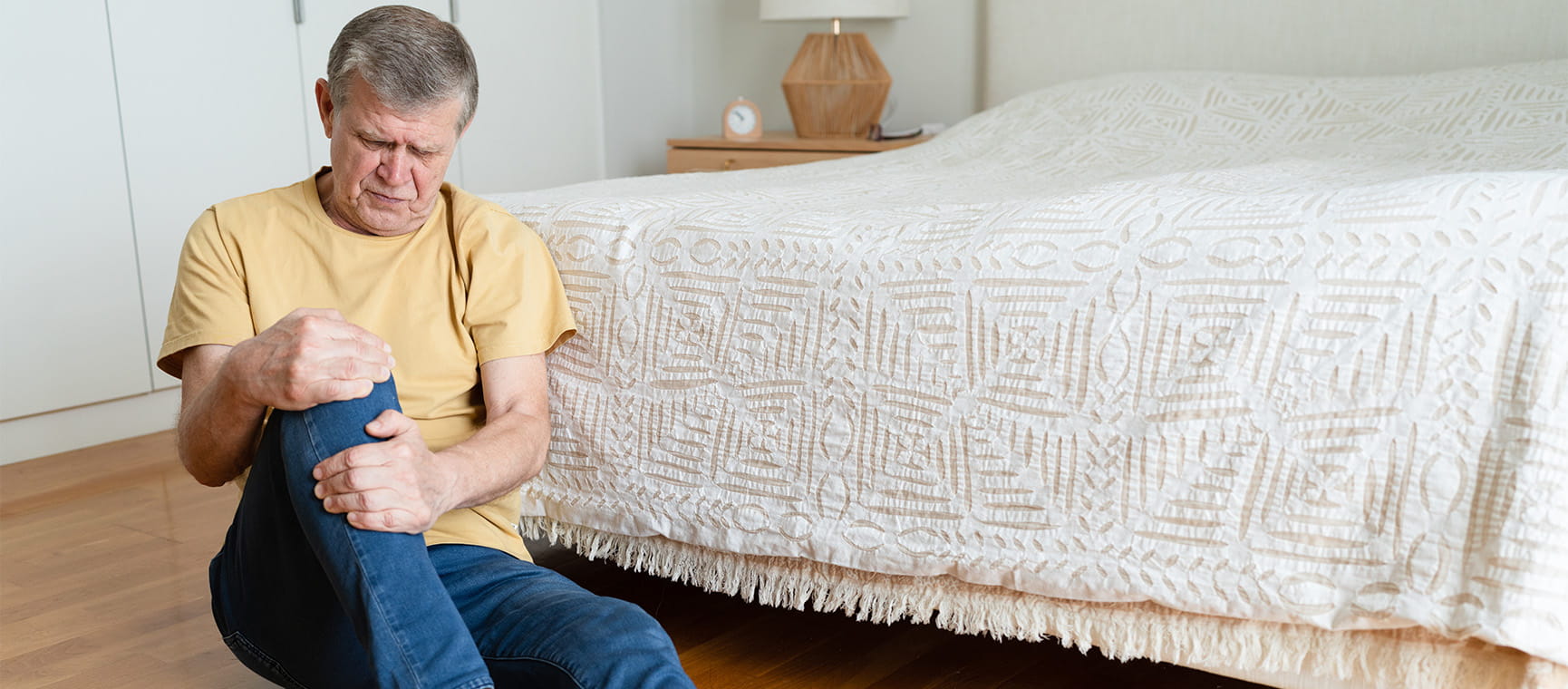
Muscle pain is a commonly reported symptom in people who take statins. But the same team of researchers reported in 2022 that statins are not the cause of muscle pain in 90% of people who experience muscle symptoms when taking the drugs. They concluded that only one in 15 of reported cases of mild muscle pain or weakness were found to be attributable to statins and these occurred mainly in the first year of taking the drugs.
Dr Banerjee says statins are not always the cause of aches and pains that sometimes occur just simply because of ageing, but doctors can alter the dose of statin or switch people to a different type of statin to see if it makes a difference.
A 2022 review showed statins can also increase the risk of developing type 2 diabetes, by at least 9 to 12%, although in some studies the risk was substantially higher at 55%. The authors concluded that clinical statin treatment trials have significantly underestimated the risk of statins on the risk of type 2 diabetes.

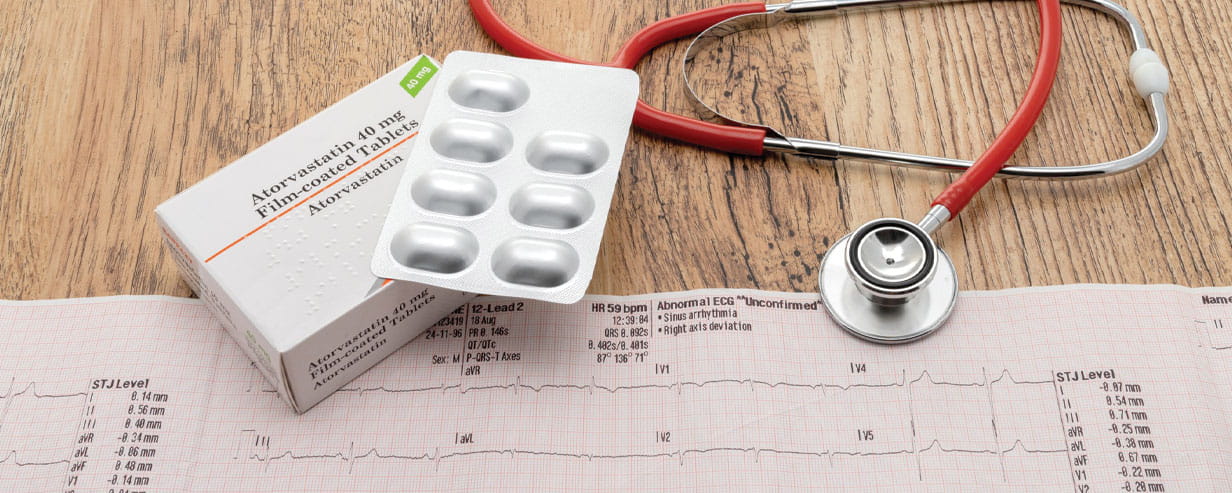
Atorvastatin taken at 40mg per day for five years in 10,000 patients would typically prevent 1,000 heart attacks and strokes in those who have already had a major cardiovascular event and 500 in people at high risk of a stroke or heart attack.
“If we can bring down your ‘bad’ LDL cholesterol to target then we can reduce the risk of you having a heart attack or stroke quite significantly,” explains Dr Banerjee. “Some statins will reduce your relative risk of having a stroke or heart attack by 22%.”
Dr Zemenides adds that statins can stop cholesterol forming fatty plaques in the arteries and around the small vessels around the heart and brain, and prevent blockages which can lead to heart attacks and strokes.
“Narrowing of the small blood vessels can causes mini strokes or transient ischaemic attacks (TIAs), restricted blood flow can cause cognitive impairment, chronic kidney disease and peripheral artery disease in the legs causing claudication – similar to angina but in the legs,” he says.
Dr Zemenides says only a minority of patients will experience side effects of statins, but if they do, they shouldn’t stop taking them and should see their doctor.
“If people get side effects such as muscle pain it’s important we take it seriously, but also we need to keep it in perspective,” he explains. “The majority of these side effects can be managed by adjusting the dose, taking statins on alternate days, or switching to another type of statin to see if you tolerate that better.
“Just because one type of statin hasn’t worked well for you doesn’t mean there isn’t another one that you will tolerate better.”
Dr Banerjee says some patients could take a statin holiday to see if their symptoms disappear when they stop taking it, explaining: “If their symptoms stop, there are other drugs, alternatives to statins that can be prescribed to bring cholesterol down, including ezetimibe a daily pill and injectable drugs called PCSK9 inhibitors and also another new therapy called inclisiran, which involves a twice yearly injection.”
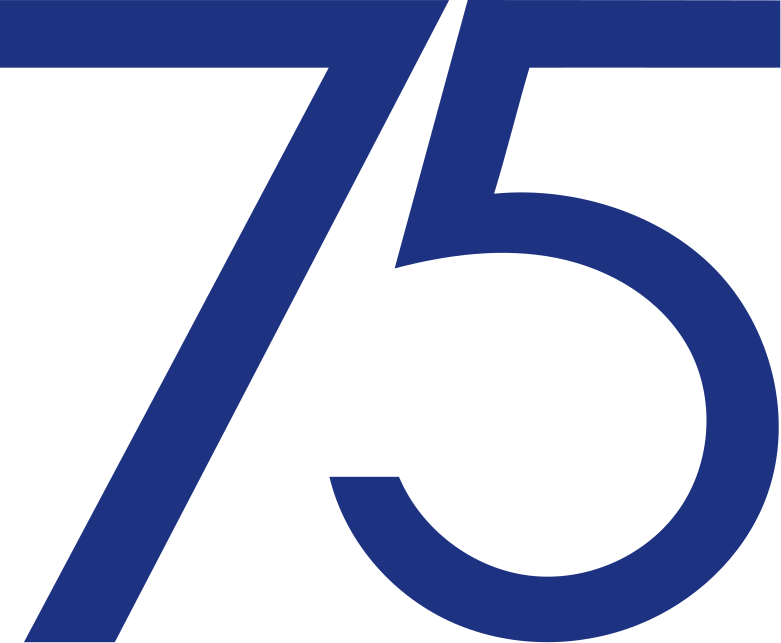
Dr Zemenides says studies show clear benefits in people age over 75 in terms of preventing heart attacks and strokes, so age alone is not a reason to stop, or avoid statins, particularly if you’ve had a previous heart attack or stroke.
“I’d say the older you get, the potentially more you will benefit from statins because you tend to have more risk factors such as high blood pressure or diabetes, and there’s the compounding effects of physical inactivity, ‘bad’ cholesterol, obesity, alcohol and smoking over so many years,” says Dr Zemenides.
“So, in those patients it’s even more important that we find the right statin for them to take. However, if someone is dead against taking the medication we can’t force them, it’s down to their personal choice – all we can do is explain the benefits.”

An estimated eight million adults in the UK are being prescribed statins. The top five statins prescribed include atorvastatin (Lipitor), fluvastatin (Lescol), pravastatin (Lipostat), rosuvastatin (Crestor) and Simvastatin (Zocor).
A healthy LDL cholesterol level target for adults without confirmed heart conditions is below 2mmol/L for and less than 1.6mmol/L for those who have had a heart attack or stroke.
Foods such as porridge, oats, and nuts, including walnuts and almonds and can bring down cholesterol, as can cholesterol-lowering spreads and yogurt drinks.
Diet can lower cholesterol by 20%, compared to 30% for low dose statins and 40% for high dose statins.
Regular physical exercise can decrease bad LDL cholesterol and boost “good” HDL cholesterol. A 2024 review of studies found all types of aerobic activity lowered cholesterol in middle aged and older people, with swimming and dancing having the most significant effects.
(Hero image credit: Getty)

Some Saga holidays include soothing or spiritual activities like joining a traditional tea ceremony in Japan, practising yoga in India or bathing in Iceland’s Blue Lagoon.

Buy direct and start a new Saga Health Insurance policy by the end of 10 December 2026 to get your first 3 months free. T&Cs apply.
Underwritten by Bupa Insurance Limited.

Are you retiring at the wrong age? The best age to retire for your body, brain, happiness and pocket.


Everything you need to know about the lung infection, and how you could be ill with “walking” pneumonia without realising it.
Strong calves for a strong mind: how they support our circulation and brain health, with easy moves to strengthen yours at home.

Our GP Dr Mark Porter explains what can cause itchy skin, which is a common problem as we get older.

Worried you’ve morphed into Victor Meldrew? Find out how to battle that bad mood, and what to do if you’re stuck with a grouchy loved one.

The benefits of heat and cold therapy, and how Nordic bathing won over our nervous writer.

Here’s how to spot the symptoms of heat disease and reduce your danger.


Everything you’re entitled to this year, when you can have it, and the gaps that remain.

Pilates for back pain – what to do if you are suffering, and five gentle exercises that could help.
Dizziness or vertigo: a sensation of spinning, can stop us doing everyday things for fear of falling. Try these tips to stop feeling dizzy


You don’t have to put up with bladder leaks. We try out the latest pelvic floor gadgets for men and women.
Cataracts are a normal part of ageing. Learn how to spot the signs – and when it’s time to consider surgery.