What your stride length says about your health
Why do scientists think the length of your stride might offer a powerful clue to your future health – and what’s so special about 64cm?

Why do scientists think the length of your stride might offer a powerful clue to your future health – and what’s so special about 64cm?
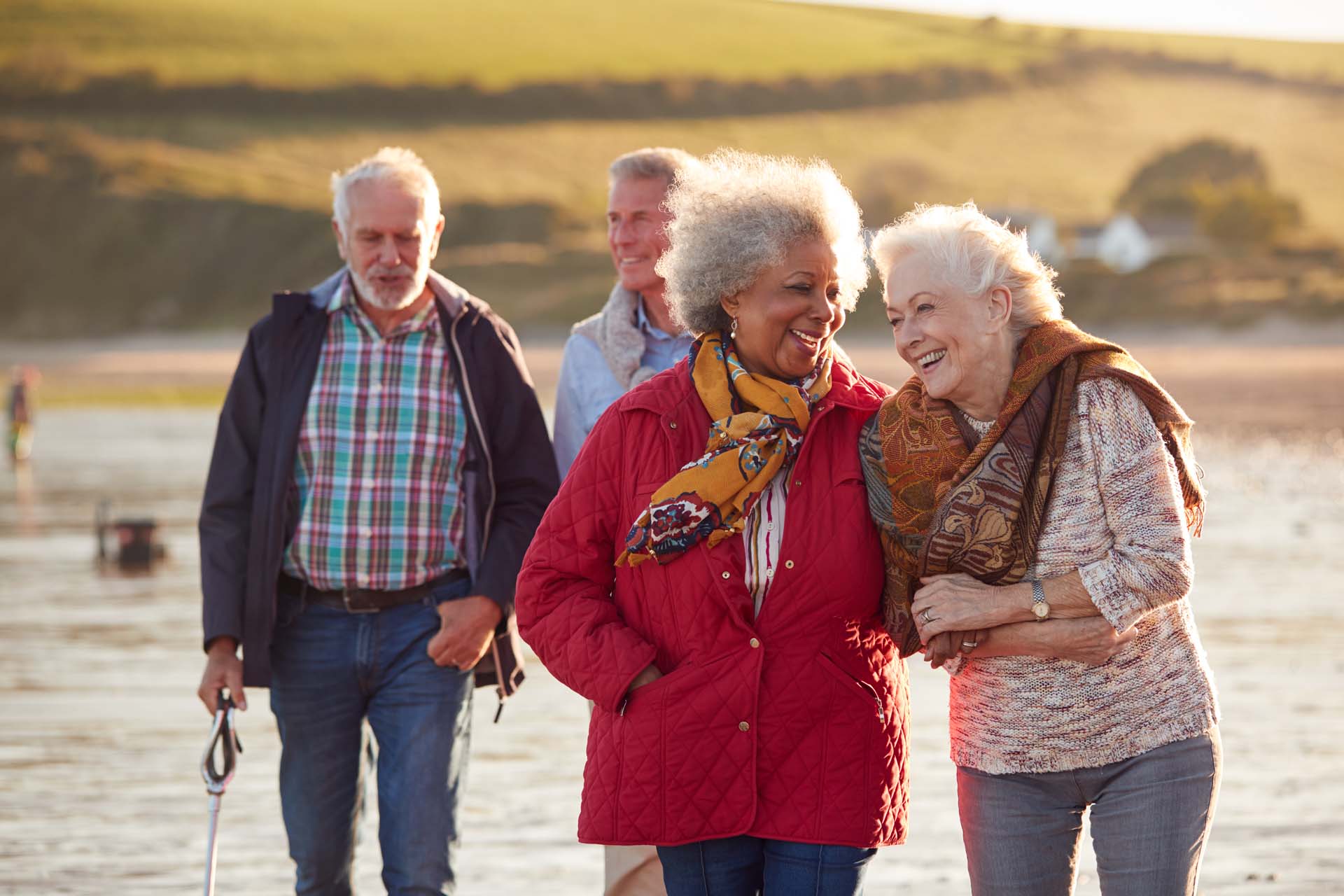
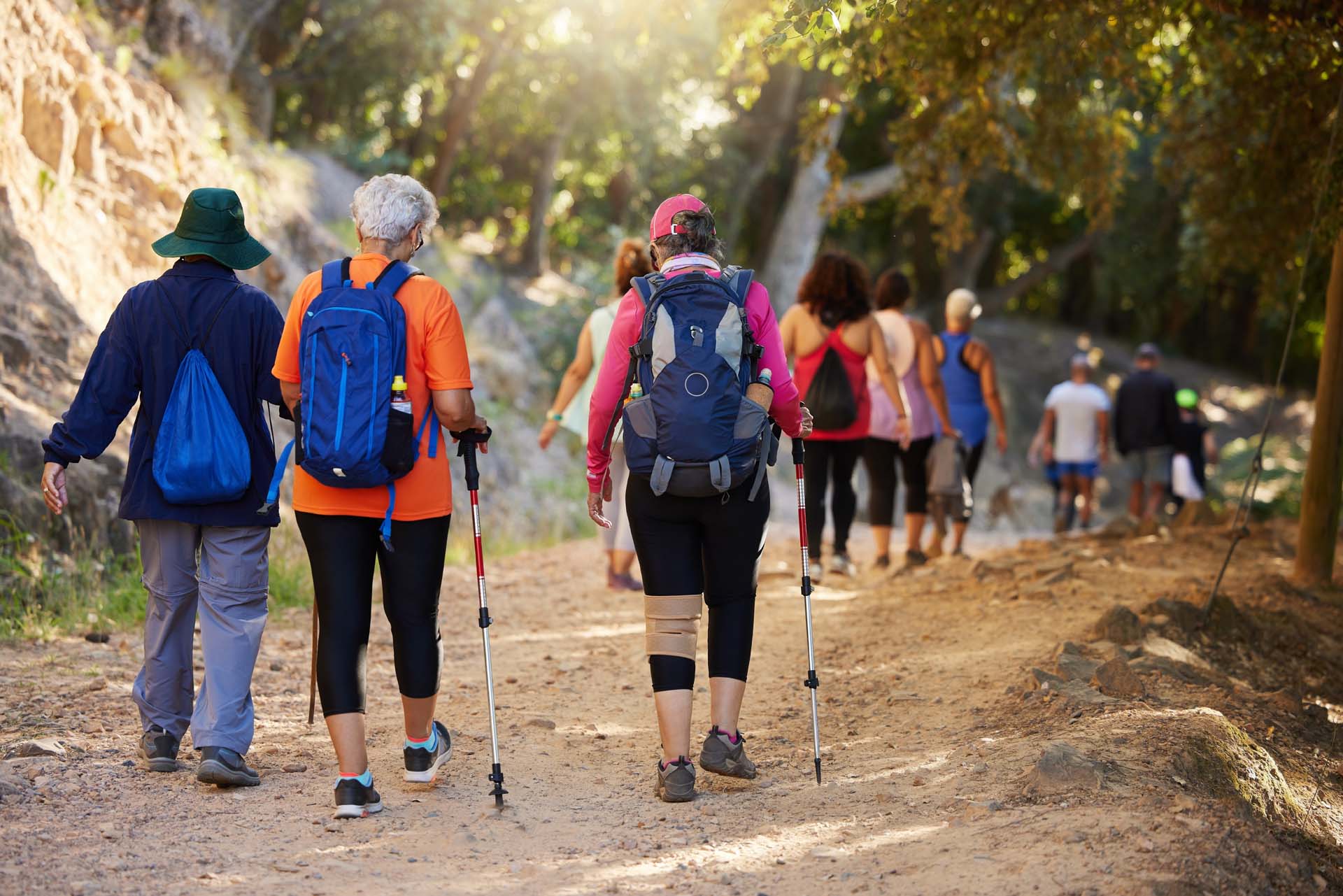
For something that seems so simple and natural, walking is a surprisingly complex activity, requiring co-ordination between your brain and muscles from all over your body. And it turns out that how we walk as we get older – both in terms of speed and stride length – can reveal a lot about our future health.
A major analysis of 11 studies involving more than 14,000 older adults found that those with a shorter, more uneven stride were significantly more likely to develop serious health problems. These included a higher risk of falls, loss of independence, disability and even early death.
The researchers even identified a surprisingly specific tipping point: 64cm (around 25 inches), below which risks rose sharply.
In simple terms, stride length is the distance between two contacts of the same foot – so, for example, from the back of your right heel when it touches the ground to the back of the same foot when it next touches the ground.
The simplest way to work it out at home is to walk a measured distance at your normal pace and count your steps. Then divide the distance by the number of steps and multiply by two.

The average stride length is 158cm for men and 132cm for women, but it’s a very individual thing.
“There's nothing magical about 64cm in itself, and there’s no single healthy stride length that applies to everyone – height and age come into it, too,” says Gladys Pearson, professor of musculoskeletal frailty and rehabilitation at Manchester Metropolitan University.
“What matters is what stride length reflects. A longer, more comfortable stride suggests that your body is functioning well.”
Although Professor Pearson was not involved in the study, her research on physical activity and ageing has helped shape government guidelines.
To stride out with ease, you need coordinated force through the ankle, knee and hip, together with joint mobility. You also need the confidence to balance on one leg without fear of toppling over. Tendon stiffness is also important. Stiffer tendons – the tissues connecting muscle to bone – help generate power.
A shorter stride, by contrast, can be a sign of less so-called physical “reserve” – defined as the ability to maintain physical function and resist decline despite age-linked changes, illnesses, injuries or other stressors.
“It can indicate less muscle power, less range of motion (ROM) and poorer balance,” says Professor Pearson. “If strength and tendon stiffness are lacking – especially in the calves, quadriceps and hips – people often take shorter steps.”
Sometimes, reducing the length of your stride can be a sensible tactic, Professor Pearson explains. “It keeps the body’s centre of mass under better control, so it feels safer.” But if it becomes a habit, it can be a sign of declining mobility.
Pain, fear of falling, ankle or hip stiffness, and slower reaction times can all influence the stride length. And because walking is a complex, whole body activity, a shorter stride can also reflect strain on other parts of the body, including the heart and circulatory system. It can also offer clues to brain and nervous-system health.
A shorter stride can suggest that the brain’s motor planning – the internal blueprint that enables us to think of a goal, plan how to achieve it and coordinate our muscles to achieve it – and timing systems are less efficient.
“It can also be a sign that sensory feedback from the feet and legs is poorer,” explains Professor Pearson.
A short stride is unlikely to be the cause, per se, of future health problems. “It’s better understood as a visible sign that underlying systems are becoming less resilient, a warning flag rather than a diagnosis,” Professor Pearson points out.

Stride length is only part of the picture. Another closely related metric, our walking speed, has also been recognised as a potent indicator of health. Indeed, US researchers once called walking speed the “sixth vital sign”. Other vital signs include temperature, pulse, respiration, blood pressure and oxygen saturation.
A landmark study that tracked more than 34,000 people aged 65-plus for up to two decades found that the faster people walked, the longer they lived. The study, published in 2011, revealed that at age 75 those with the slowest walking speeds had roughly a one-in-five chance of surviving the next decade. This rose to around 80-90% in those who walked fastest.
Remarkably, walking speed proved as accurate at predicting life expectancy as more conventional yardsticks such as age, sex, use of mobility aids, chronic conditions, smoking history, blood pressure, body mass index and hospitalisation. Since then, numerous studies have underlined this. In recent years, studies have also linked a slower walking pace to a higher risk of cognitive decline and dementia.
Both walking speed and stride length are aspects of gait, or the way we walk, and are closely intertwined, as Professor Pearson points out: “In older adults, longer stride length appears to protect against future decline in walking speed, suggesting it’s not just incidental but a key component of mobility in ageing.”
An explanation for this is that walking and thinking share some of the same brain networks, particularly those involved in attention, planning and executive function, the mental processes we use to plan and execute tasks and manage emotion.
“The evidence is stronger for speed than for stride length alone,” Professor Pearson explains. “But shorter strides often sit within the same broader pattern of cautious or impaired gait.”

Not deliberately, say the experts. “Overstriding can be counterproductive and may increase instability,” cautions Professor Pearson. “A better approach is to walk regularly, aim for a purposeful pace when appropriate, and build the strength and confidence that allow your stride length and speed to improve naturally.”
Even small changes can make a difference. Swapping sitting time for light activity can improve walking speed and other recognised markers of lower body strength and balance, such as the ability to rise from a chair without using your arms.
Interestingly, research by Professor Pearson and others in the field shows that people who meet the government’s physical activity recommendations, including even highly trained athletes, still experience muscle decline with age.
“It isn’t simply down to laziness, it’s biology,” she points out. But physical activity really helps.
“People who are inactive or who sit a lot, even though they may also exercise, tend to lose function faster and have less physical reserve.”
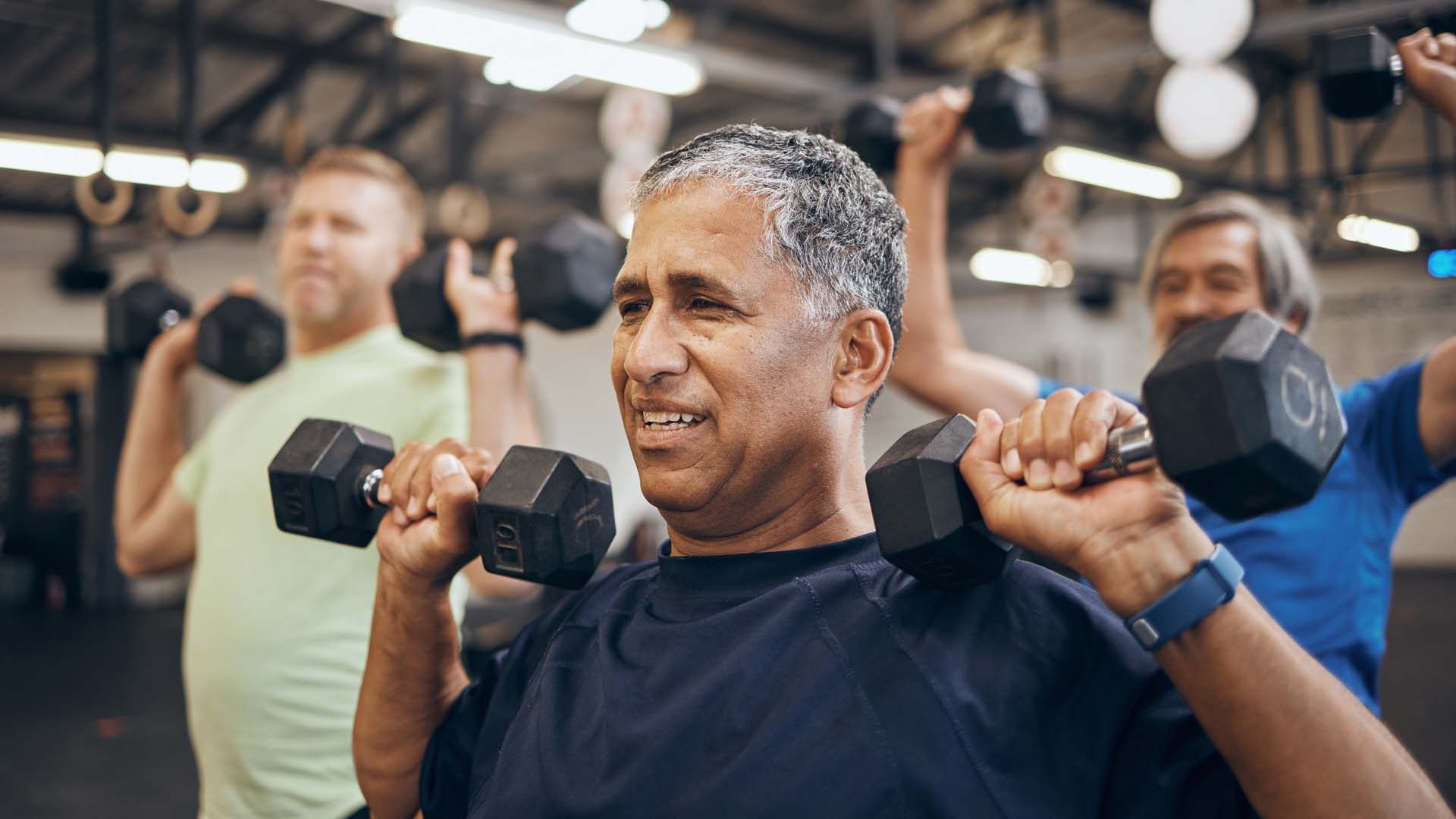
Regular walking, resistance exercise (using weights, bands, kettlebells or body weight) a couple of times a week, and balance and mobility work can all help maintain our strength and ability to stride out with aplomb.
“Try not to sit or stand still for more than about 30 minutes – get up and move for at least two minutes before settling again,” Professor Pearson advises.
Above all, don’t wait until your walking noticeably declines. “Keep using your muscles now. Mobility is much easier to maintain than to rebuild.”
Discuss with your GP, physiotherapist or falls service, especially if you experience pain, dizziness, memory changes and/or unexplained fatigue.
(Hero image credit: Getty)


Buy direct and start a new Saga Health Insurance policy by the end of 10 December 2026 to get your first 3 months free. T&Cs apply.
Underwritten by Bupa Insurance Limited.
Find out about Saga’s walking holidays here…
Saga’s walking holidays are perfect for exploring Europe’s stunning destinations on foot. They’re suitable for all fitness levels and offer a well-balanced mix of guided walks and relaxation.

We examine the science and how to best look after our brain as we get older.

Want to start winter mornings feeling energised? Follow these five simple tips.

Expert nutritionists break down the most important foods to eat in each decade as we get older.

Your neighbourhood pharmacist now offers a surprising number of services.


10 simple alternative items that can have a big effect on your health – without depriving you.
New measures for GP appointments are in the headlines, but what effect will they have for you when it comes to getting to see a doctor?

Everything you need to know about the lung infection, and how you could be ill with “walking” pneumonia without realising it.