The viral health trends that could do you more harm than good
From garlic up the nose to mouth taping, experts reveal which social media wellness hacks work – and which to avoid.
Getty
From garlic up the nose to mouth taping, experts reveal which social media wellness hacks work – and which to avoid.
If you spend anytime on social media you don’t have to scroll for long before you'll see the latest viral health trends.
It might be someone pouring apple cider vinegar into a glass before breakfast, a woman rubbing beef fat into her face, or a man taping his mouth shut at bedtime and crediting it with the best sleep of his life.
Then in the comments you'll spot your sister-in-law asking where to buy the apple cider vinegar gummies.
Nutritionist Karen Newby, author of The Natural Menopause Method, has seen it all before.
“They are often marketed very well and with massive health claims,” she says. “People are often so exhausted and time-starved that they want a quick fix.”
According to Ofcom, three-quarters of UK adults now use the internet for health and wellbeing, with a third of us looking up symptoms. None of that is a bad thing in itself. The problem is what gets served up alongside the facts.
So, we asked the experts to walk us through the trends doing the rounds, and to tell us which are worth taking seriously, which are a waste of money, and which should be ignored entirely.
Raw milk has been promoted on social media as being better for gut health, eczema and even lactose intolerance. The evidence doesn’t support those claims though and the risks are real.
Between 1992 and 2017, raw milk in the UK was linked to 26 outbreaks of food poisoning (a total of 343 cases), 41 hospital admissions and one death.
Jane Morrill, head of food policy at the Food Standards Agency, advises certain groups to avoid it completely.
“Unpasteurised milk may contain harmful bacteria that can cause food poisoning, and we advise that people with a weaker immune system are particularly vulnerable,” Morrill says. “These include people aged 65 or over, pregnant women, infants and small children, and people with compromised immune systems such as cancer patients.”
One of the most common claims is that raw milk is easier to digest for people with lactose intolerance. Dr Ravina Bhanot, a GP and founder of The One, says that doesn’t stack up.
“Raw milk contains identical lactose to pasteurised milk,” she explains. “It will not help lactose intolerance, which is one of its most commonly promoted uses.”

This is the trend that dentists most want to see disappear – namely people using lemon juice, baking soda, hydrogen peroxide of unknown strength, and occasionally all three at once, in order to whiten their teeth.
“The biggest issue is that many of these DIY methods prioritise short-term whitening over long-term dental health,” says award-winning cosmetic dentist Dr Manrina Rhode. “Lemon juice is highly acidic and can permanently erode tooth enamel. Once enamel is lost, it doesn’t grow back.”
Hydrogen peroxide is particularly risky because it’s also the active ingredient in professional whitening. In the UK, over-the-counter products are legally capped at 0.1%. Dentists can use up to 6%. Products sold online or in cleaning aisles may contain much higher strengths, often used without trays, gum protection or clinical supervision.
For anyone over 50, the risks increase. Enamel naturally thins with age, gums may recede and expose root surfaces, and crowns and fillings won’t whiten no matter what you put on them.
A consultation with a registered dentist is the only safe route to whiter teeth. Home whitening trays supplied by a dentist are considerably cheaper than in-chair treatment while still being properly regulated.
If you’re tempted by something online because the price looks good, Dr Rhode has a simple test:
If you can’t find answers to all three, leave it alone.
The idea is simple. Stick medical tape over your lips at bedtime, force yourself to breathe through your nose and wake up better rested, less snore-y and possibly with a sharper jawline thrown in. The before-and-after videos are convincing. The evidence is less so.
A 2025 systematic review looked at the studies available on mouth taping for sleep problems. Across 10 trials and 213 patients, researchers concluded that it offered minimal benefit beyond very mild cases of sleep apnoea and carried a serious risk of harm for anyone with nasal obstruction.
Dr Rhode says there is a kernel of logic behind the trend, but that’s where it stops.
“Mouth breathing can contribute to dry mouth, bad breath and an increased risk of tooth decay and gum disease, because saliva plays an important protective role in the mouth,” she says.
“However, it is not a treatment for the underlying reason someone is mouth breathing. If a person is breathing through their mouth because of nasal congestion, allergies, a deviated septum or sleep-disordered breathing, simply taping the mouth shut does not address the root cause.”
Dr Bhanot is particularly concerned about people who may already have undiagnosed sleep apnoea.
“In undiagnosed moderate-to-severe sleep apnoea, mouth taping can worsen the amount of oxygen reaching the body,” she explains. “It should be avoided altogether by anyone with nasal obstruction, respiratory disease, or after alcohol or sedatives.”
Speak to your GP if you suspect sleep apnoea, and see your dentist if dry mouth, gum problems or bad breath are becoming regular issues. Mouth breathing can have several causes, but taping over the symptom won’t deal with any of them.

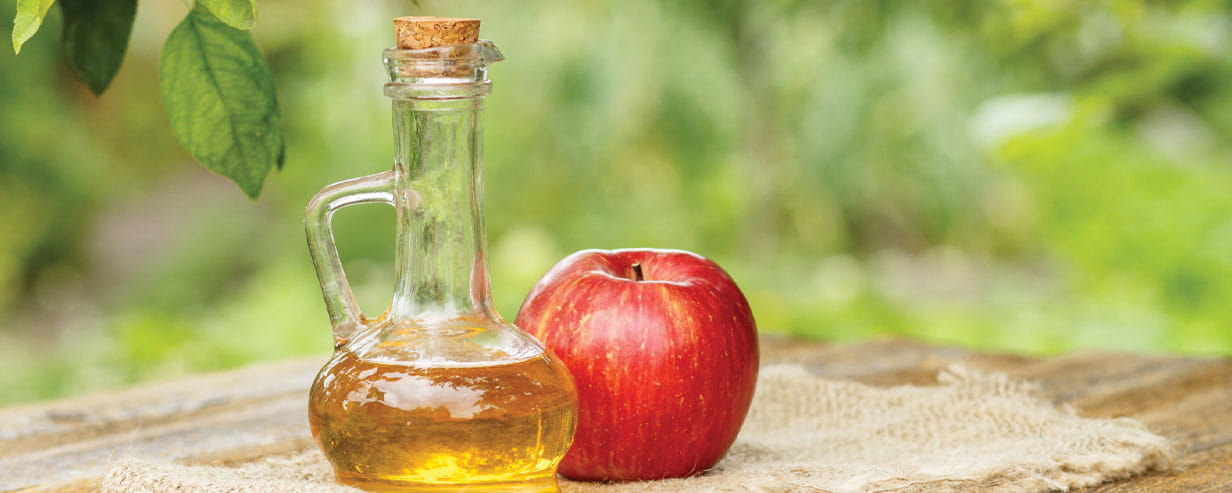
The claims are everywhere. A shot before breakfast will sort your blood sugar, shrink your middle and probably tidy the kitchen while it’s at it. The truth is more interesting than a simple debunk.
There is some research on apple cider vinegar and blood sugar, particularly in people with Type 2 diabetes, but the evidence is still limited and it’s easy to overstate it. One widely reported 2024 weight-loss trial in BMJ Nutrition, Prevention & Health has since been retracted after concerns about its data and analysis, so it shouldn’t be used as proof that vinegar helps with weight management.
“Claims need to be taken with caution, although there is a lot of research into this product,” says Newby. “It has some benefits for reducing fasting blood sugar.”
What tends to be glossed over is the downside. Regularly drinking vinegar can erode tooth enamel, irritate the oesophagus and lower potassium levels. It may also interact with medication, including insulin, diuretics and heart medication such as digoxin.
If you do use apple cider vinegar, dilute it well in water, drink it through a straw and rinse your mouth afterwards. If you take regular medication, check with your pharmacist first.
That may be less exciting than a wellness reel, but it’s a lot more useful.
Rendered cow fat has been popping up online as the ancestral skincare your great-grandmother supposedly knew all about. The science is thin.
“There is a tiny droplet of biological logic here, but it is being significantly overstated,” says cosmetic doctor Dr Memee Ahmed.
“There are no robust clinical trials demonstrating that beef tallow meaningfully improves acne, eczema or signs of ageing,” says Dr Ahmed. “What we have is anecdote amplified by social media.”
The bigger issue is that it won’t suit everyone. Tallow can block pores, while homemade versions may harbour bacteria, become contaminated or go rancid.
Dr Ahmed recommends keeping things simpler and safer: a gentle fragrance-free cleanser, a moisturiser containing ingredients such as ceramides, peptides or hyaluronic acid, and a broad-spectrum SPF every morning.
Electrolyte drinks are increasingly being sold as essential for daily hydration. For most of us, they aren’t.
“We are dehydrated when we wake up, but that doesn’t mean we need an electrolyte,” says Newby. “We haven’t run a marathon. A glass of water, or hot water with a slice of lemon, will do it.”
The sodium content is worth checking too. If you’re managing high blood pressure, a daily electrolyte drink may not be your friend.

A peeled garlic clove shoved up each nostril has been promoted as a natural way to clear congestion. Please don’t.
The dramatic mucus drainage seen in videos is usually irritation, not decongestion. There’s also the risk of the cloves getting stuck.
“Garlic causes a non-specific inflammatory response, not a decongestant effect,” says Dr Bhanot.
In other words, your nose is not being healed. It is complaining.
The appeal of natural products is easy to understand.
“There is a genuine and justified wariness about long ingredient lists, synthetic additives, and the relentless marketing of products we don’t need,” says Dr Ahmed. “People want to simplify, and they want to trust what they are putting on their skin.”
The trouble is that “natural” is a marketing word, not a safety guarantee.
“Poison ivy is natural,” says Dr Ahmed. “So is arsenic. Natural does not mean safe, and it certainly does not mean effective. What matters is the evidence.”
The same logic applies to many wellness trends, whether it’s raw milk or garlic up the nose. “Ancient”, “ancestral” and “natural” may sound reassuring, but they are not quality controls.
If you want a wellness trend with proper evidence behind it, fibre maxing is one of the better ones.
The name may be irritating, but the idea is sensible: add more fibre-rich foods to your meals and snacks. Most of us in the UK don’t eat enough fibre, and higher intakes are linked with better gut health and a lower risk of several chronic diseases.
Newby is a fan. “It’s about adding more fibre sources into every meal and snack,” she says. “More nuts, seeds and nut butter on your porridge or overnight oats. Pulses, sauerkraut, hummus, falafel, avocado and sprouted beans for a fridge-raid lunch.”
The wider point, she says, is to stop treating food as a problem to be solved.
“Food should be a celebration, not a form of control,” says Newby. “Eat as close to nature as possible, make time to cook, even if it’s only 15 minutes, and see it as the essential part of your self-care routine, before any of those twinkly wellness products promising us they will solve everything.”
Which may be the only health tip on this page worth screenshotting.


Some Saga holidays include soothing or spiritual activities like joining a traditional tea ceremony in Japan, practising yoga in India or bathing in Iceland’s Blue Lagoon.

Buy direct and start a new Saga Health Insurance policy by the end of 10 December 2026 to get your first 3 months free. T&Cs apply.
Underwritten by Bupa Insurance Limited.

Are you retiring at the wrong age? The best age to retire for your body, brain, happiness and pocket.


Everything you need to know about the lung infection, and how you could be ill with “walking” pneumonia without realising it.

Strong calves for a strong mind: how they support our circulation and brain health, with easy moves to strengthen yours at home.


Our GP Dr Mark Porter explains what can cause itchy skin, which is a common problem as we get older.

Worried you’ve morphed into Victor Meldrew? Find out how to battle that bad mood, and what to do if you’re stuck with a grouchy loved one.

The benefits of heat and cold therapy, and how Nordic bathing won over our nervous writer.

Here’s how to spot the symptoms of heat disease and reduce your danger.

Everything you’re entitled to this year, when you can have it, and the gaps that remain.

Pilates for back pain – what to do if you are suffering, and five gentle exercises that could help.

Dizziness or vertigo: a sensation of spinning, can stop us doing everyday things for fear of falling. Try these tips to stop feeling dizzy


You don’t have to put up with bladder leaks. We try out the latest pelvic floor gadgets for men and women.

Cataracts are a normal part of ageing. Learn how to spot the signs – and when it’s time to consider surgery.