Easy ways to eat more fibre – and why it’s so important for your health
It’s surprisingly easy to up the amount of fibre in your diet with just some small changes.
It’s surprisingly easy to up the amount of fibre in your diet with just some small changes.
Until recently, fibre was very much the forgotten nutrient. While people get concerned about their protein levels, very rarely do you hear them worrying about their fibre intake. However, multiple surveys have shown that we don’t get enough fibre in our daily diets in the UK.
The National Diet and Nutrition Survey 2019 to 2023 found that only 4% of those polled were getting the 30g a day recommended. Older people in the 65-to-74 age group had an intake of 16.9g a day – just over half of what they should be having.
Yet Gen Z have put this misunderstood and underappreciated nutrient on the map with the latest social media trend: fibremaxxing.
It involves packing as much fibre as possible into every meal.
In the 90 days before this article was written, Google searches for fibre in the UK rose by 33% to more than 1.9 million – although it’s not necessarily a new trend (anyone remember the F-Plan Diet in the 1980s?).
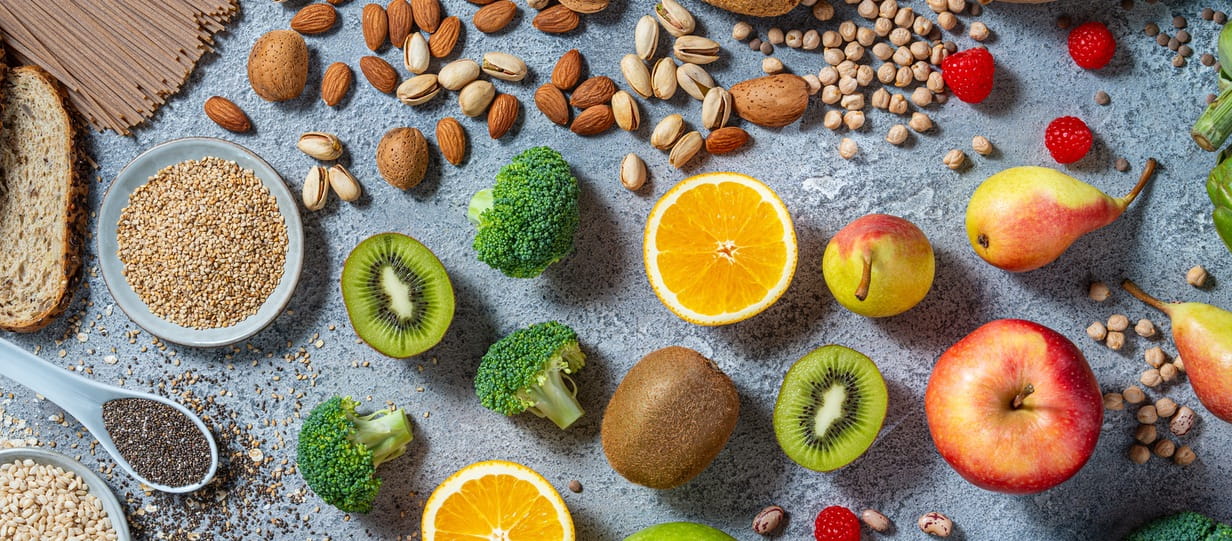
Fibremaxxing has seen people adding wholegrains, pulses, nuts, seeds, fruits and vegetables to meals. Bran, chia seeds, flaxseed and psyllium husk are also added to the mix to cram in even more fibre.
One TikTok trend even includes an “internal shower” drink made up of 1-2 tablespoons of chia seeds in 8-10oz of water, with the juice of half a lemon left to gelatinise before drinking, which is said to relieve constipation.
“As far as social media health trends go, fibremaxxing is probably one of the healthier ones because it promotes increasing fibre intake, which most of us need to do,” says registered nutritionist Rob Hobson, author of the Low Appetite Cookbook and consultant at Healthspan.
“But I do have some reservations because if you eat too much too quickly, you can end up with bloating, excess gas and constipation, especially if you’re not drinking water with it.
“Also, if you’re suddenly filling your plate full of fibre, it might fill you up too much and reduce your appetite. This is useful if you're trying to lose weight, but potentially problematic as you get older when your appetite tends to drop. The risk is that if people then get a negative reaction to high-fibre foods, they’re never going to blame fibremaxxing; they'll blame the food. And it’s going to be really hard to get them to eat those foods again.”
Hobson advises sticking to the 30g a day recommended amount, and increasing your fibre intake slowly and gradually – using natural foods rather than gels or supplements – to see how your digestive system reacts.

For every 7g of fibre you eat (equivalent to two slices of wholemeal bread), there’s an 8% reduction in colon cancer risk, a 9% reduction in coronary heart disease and heart attack risk, a 7% reduction in stroke risk, and a 6% reduction in type 2 diabetes risk.
It also seems to slow biological ageing – research has shown that every 10g increase in fibre per 1,000 calories might lengthen the telomeres associated with healthy ageing.
Emerging research is discovering that fibre may help maintain brain health and even play a role in reducing dementia risk. One study found that people over 60 who eat more fibre have improved cognitive function.
“Spread your fibre intake across all your meals rather than dumping it all in one, as this can result in the opposite effects to what you intended, and you end up with bloating, constipation and a sore tummy,” says Hobson.
“You also need to drink plenty of fluids, as fibre draws in water in the bowel, meaning you can become dehydrated if you don’t drink enough.
“Another danger is that if you fill your plate with too many fibre-rich foods, you won’t have room for other nutrients such as protein. You have to get the balance right between too much and too little.”
Kirsten Jackson, specialist IBS dietitian and author of Take Control of your IBS, says there is no established upper safe limit for fibre content. “Through my own practice, I've seen issues arise causing symptoms of bloating, constipation or diarrhoea, and abdominal pain at around 40g per day,” she says. “But there is no official cut-off.”
“No, if anything, it’s even more important that people in the older age group have enough fibre, as they stand to benefit more,” says Hobson. “This is not only because they’re more prone to constipation, but because of the added benefits that fibre has for preventing heart disease including strokes and heart attacks, by lowering cholesterol and reducing blood pressure, plus cutting the risk of type 2 diabetes and colon cancer.
“You also lose some of the diversity of bacteria in your gut microbiome as you get older, and so fibre will help feed these too.”
Jackson says that older adults may experience less tolerance to increasing fibre as our gut typically slows down a little with age. “So, this may mean fibre (which feeds the microbiota giving off gas) will sit in the bowel for longer and produce even more gas,” she says.
“But we do typically see that older adults can tolerate a good amount of fibre; it just means taking a little more time with a slower increase.”

You need a mixture of different types of fibre.
Yes, they can. “The only issue is choosing the right types of fibre,” says Jackson. “So, I usually get people to start with low-fermenting sources, otherwise known as low FODMAPs.”
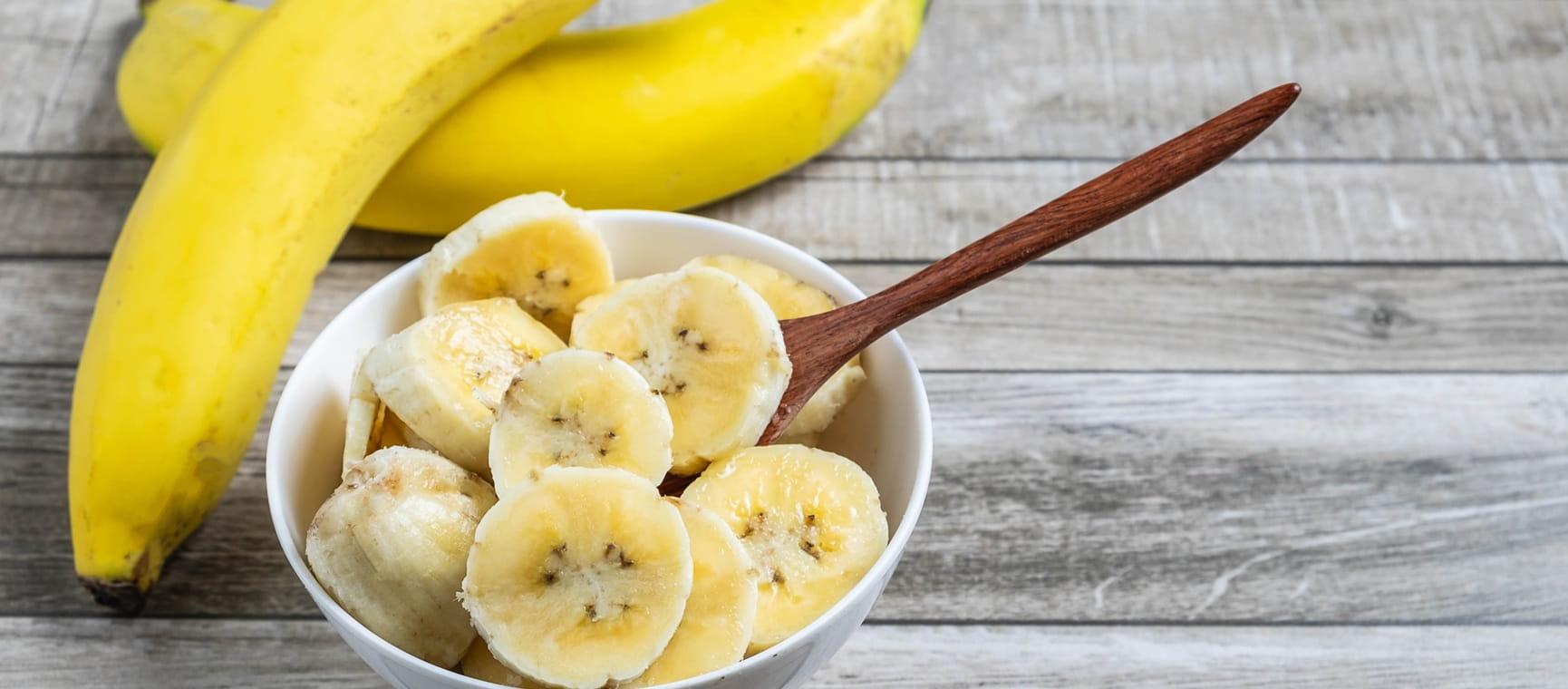
Low FODMAP foods that contain fibre include rice, oats, lentils, almonds, sunflower seeds, bulgar, bananas and chickpeas.
“Then, once their intake is good and they are tolerating it, they can move on to find out how much of the fermenting fibre they can tolerate,” says Jackson.
“I would also encourage that people with constipation reduce or avoid their intake of chia seeds (despite popular social media channels promoting an ‘internal shower’), because chia fibre has a high viscosity (thickness), and this can slow the gut down further, causing issues.”

Our experts have these easy ways to increase the amount of fibre in your diet, and some of them may surprise you
A high-fibre food is one that has 6g of fibre per 100g. Foods labelled as a source of fibre contain 3g of fibre per 100g.
“Increasing fibre can seem really daunting, especially if you've been eating a certain way for many years,” says Jackson. “But that’s due to this myth that fibre only comes from vegetables. You can get fibre from wholegrains, fruits, vegetables, seeds and nuts too.”
Jackson advises swapping white rice or pasta with wholemeal alternatives, and adding dried fruit to breakfast cereals, as well as baking with wholemeal flour instead of white flour, or even experimenting with oat flour.
Hobson recommends beans on toast as a fibre-rich lunch. “A slice of wholemeal toast and half a can of baked beans will give you a third of the recommended 30g a day with zero effort,” he says.
“Bulk out shepherd’s pie and bolognaise with a can of lentils (7.4g of fibre per 100g), black beans or chickpeas, or add a tin of mixed bean salad – they’re cheap and make you feel fuller for longer.”
A review of 21 randomised controlled trials, published in the American Journal of Clinical Nutrition, found that adding fibre-rich pulses such as beans, lentils, chickpeas or dry peas, over six weeks led to 0.34kg weight loss. The authors said that one serving of pulses per day may be a useful weight-loss strategy.
Coffee contains fibre from the coffee beans, so you can get a surprising amount if you drink several cups a day.
“You can get around 1.5g from each cup of coffee you drink, depending on the size,” says Hobson. “It’s not a high-fibre food as such, but it all helps towards the 30g a day target.”
A study published in the Journal of Agriculture and Food Chemistry found that freeze-dried instant coffee had the highest fibre content at 0.75g of fibre per 100ml.
Jackson says that a 100g bar of dark chocolate with at least 70% cocoa content contains 11g of fibre – or 2 to 3g for a couple of squares.
The cocoa fibre content also acts a prebiotic food for boosting the growth of “friendly” gut bacteria. Bear in mind though that chocolate also contains saturated fat and sugar, so shouldn’t be a dietary staple.
A bowl of shredded wheat or other bran cereal contains between 13 and 24.5g fibre per 100g. A 50g bowl of porridge contains 4g of fibre, and you could top it up with frozen raspberries (1.3g of fibre) and add a handful of walnuts or almonds for another 4g of fibre.
Figs contain 6.9g of fibre per 100g and strawberries 3.8g and can easily be added to a breakfast cereal.
Hobson recommends adding them to overnight oats (7.8g per 100g) with a sprinkling of seeds on top.
“Kiwi fruits are also fibre-rich if you eat them with the skins on – giving you 6g a fibre per fruit,” he says. “Two a day will give you a third of the daily fibre content recommended.”
An 180g jacket spud contains 5g of fibre, add half a can of baked beans, and you are having more than 10g of fibre.
“These are the types of small changes that can make a big difference,” says Hobson.

“Most fibre supplements do not have any advantage over just eating fibre in your diet – if anything, we should be taking a diet-first approach,” says Jackson.
“However, if you're someone who's unable to increase your intake through diet alone, or you struggle with consistency, then these supplements can be really useful as they are better than the alternative of not having enough.”
Jackson says she uses psyllium husk all the time in IBS patients because it helps bulk out stools, which is helpful for both constipation and diarrhoea.
“It's also ‘low fermenting’, which means it’s unlikely to cause bloating as there isn't as much gas produced when the gut processes it,” she explains. “However, some products on the market (ironically a lot more expensive) are claimed to be ‘prebiotic’ fibres, and these can lead to a lot of excess gas, bloating and pain in some people as a side effect of feeding the gut microbes.”
Hobson adds: “Psyllium husk is one of the fibres supported in the British Dietetic Association’s recent evidence-based guidance on chronic constipation. As a soluble fibre, it forms a gel in the gut that can help improve stool frequency and consistency, particularly when combined with adequate fluid intake.”
Jackson says that fibre powders are really good for improving gut function, specifically constipation or diarrhoea, but they don't give us the same overall health benefits as high-fibre foods, which contain other nutrients such as polyphenols, vitamins, minerals and even protein sometimes.
Other fibre supplements include inulin (from chicory root) and methylcellulose (useful for people who struggle with constipation).
(Hero image credit: Getty)

Some Saga holidays include soothing or spiritual activities like joining a traditional tea ceremony in Japan, practising yoga in India or bathing in Iceland’s Blue Lagoon.

Buy direct and start a new Saga Health Insurance policy by the end of 10 December 2026 to get your first 3 months free. T&Cs apply.
Underwritten by Bupa Insurance Limited.

Expert nutritionists break down the most important foods to eat in each decade as we get older.

We reveal the 7 best tinned foods to supercharge your health while saving you time and money.
From ketchup to mayo – how healthy are your sauces? We find out the pitfalls and surprising benefits of our favourite condiments.

Could honey be the sweetest way to supercharge your health this year? Our experts explain the benefits and which to buy.
Our expert guide to the common foods you shouldn't mix with prescription drugs.

Experts reveal whether chilled supermarket soups are worth the extra cost and if some flavours are better for you than others.

Looking after your gut health could be one of the biggest things that you can do for your overall health. Here are the best foods to keep your gut happy.
The foods that could help you live longer and protect against chronic illness.


A dietician reveals which foods can help protect vision and prevent age-related eye conditions.
Everything you need to know about protein, from how it benefits your body to the best high-protein foods – and how much you really need.