What foods nutritionists eat to prevent chronic illness in older age
Find out what experts really consume and what they avoid in order to live better for longer.

Find out what experts really consume and what they avoid in order to live better for longer.
Amid the diet trends that have come and gone over the decades, it turns out that a simple foundation of healthy food habits is all we need for fewer chronic illnesses, slower ageing and better brain health.
This was crystal-clear in an intensive study on how the foods we eat can shape our health in later life. The key findings were simple: we need a consistent dietary pattern that features plenty of fruit, vegetables, legumes, nuts, whole grains and healthy fats, while limiting processed food, sugary drinks and solid fats.
Explains Age UK’s charity director, Caroline Abrahams: “Research shows that people who eat plenty of fruit and vegetables are less likely to develop heart disease and certain cancers.
“Whereas beans, pulses, fish, eggs, meat and other proteins all contain protein, minerals and vitamins that help maintain and repair your body after an injury or surgery.”
But how can we shape this knowledge into an achievable daily diet that leaves us nourished, happy and never hungry?
Top nutritionists share how their expertise, life experience and views influence what and how they eat today, to protect their future health.
Amanda Ursell, 61, is a nutritionist, journalist, consultant and broadcaster; Mary Merheim, 58, is a nutrition consultant and author of Navigating Nutrition in Later Life; and Dell Stanford, 58, is a senior dietician at the British Heart Foundation.
“I studied for my degree in nutrition and post-graduate diploma in dietetics in the 1980s," says Amanda, "and, despite popular diet crazes promoting high-protein plans one moment and intermittent fasting the next, grounded, science-based healthy eating advice given by national health bodies and institutions hasn’t really changed since then, wherever you are in the world.
“Plenty of fruit and vegetables; wholegrain, starchy carbohydrates and some lean proteins were – and remain – the basic building blocks of a healthy style of eating. And, to be honest, as boring as it sounds, I’ve largely stuck with this since that time."
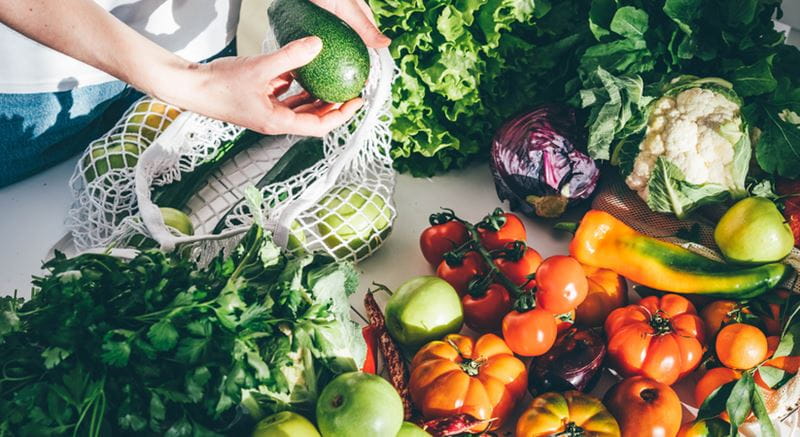
“The main change I’ve made within these basic ‘rules’ is to focus much more on sustainable sources of protein – which, in practice, means less meat, and more lentils, haricot, butter, red kidney and many other beans ending up in my cooking," explains Amanda.
“I read human environmental studies for a year – before nutrition – and it’s so good to see the link between what’s good for us and what's also good for the planet becoming more widely known and promoted by organisations like the British Dietetic Association.”
“Of course, the genetic hand we're dealt, and lifestyle choices like smoking and physical activity levels, impact profoundly on how we age," says Amanda. "But research is also revealing how chronic inflammation, for example, is fuelled by diets based on processed foods rich in fat, sugar and salt, and low in fibre.
"They may also play a role in some of the most challenging diseases associated with ageing, including rheumatoid arthritis, cancer, heart disease, diabetes and even Alzheimer’s.
“Healthy and sustainable diets rich in fibre promote a vibrant array of ‘good’ probiotic bacteria in our guts – which, in turn, impact on everything from our mood and appetite to the levels of inflammation in our bodies.
“For me, this is a huge motivation to keep plodding on with the simple approach to the formula of healthy eating. It clearly won’t eliminate all risk of disease, but I believe it’s an important foundation and is something over which we have control.”
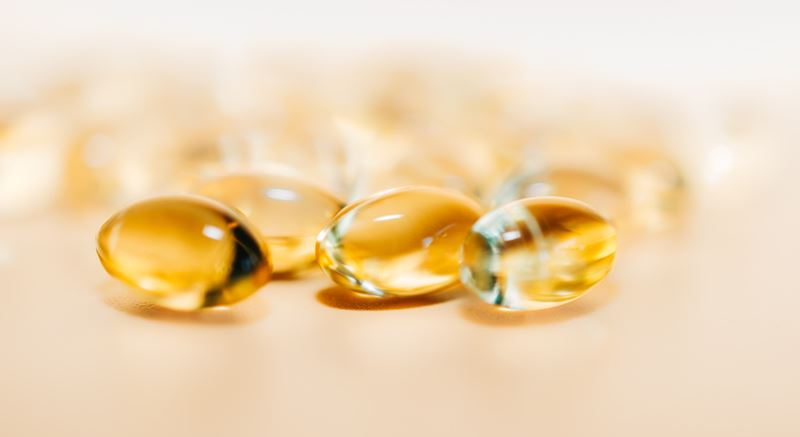
“I also take vitamin D," reveals Amanda. "Once we get to 65 years of age, we are officially in an ‘at risk’ group for this vitamin, and NHS advice in the UK is to take 10mg as a supplement all year round. This nutrient is vital for helping us absorb calcium and phosphorus – needed for healthy bones and teeth – but also for assisting our immune systems in fighting infections and supporting our nerve health. Crucially, it also aids our muscle strength, which, in turn helps to prevent falls.
“In addition, I take a daily vitamin and mineral supplement. Just a standard one from a high-street chemist, but I make sure it has 14mg of iron, which is around the recommended intake. It helps to avoid the risk of anaemia, which can leave you feeling down, dizzy, apathetic and wiped-out.
“My grandmother lived until she was 98. I remember her saying, ‘I don’t want to be one of those people whose get-up-and-go has got up and gone.' I think of her when I take it.”
“My priority is a well-balanced diet that involves eating foods I enjoy," says Mary. "I make sure I include plenty of protein for muscle maintenance, which is so important as we approach later life.
“I also make sure I have calcium-rich foods for bone strength. However, calcium isn’t an instant fix, so it’s something I’ve worked hard at prioritising for a while now.
“Fresh or frozen fruit, vegetables and salad for my digestive tract and immune system are daily features of my diet.
“Fat is another important part of my food intake, as our brains need fat for functions like maintaining the synapses between cells. Sometimes, we need a quick energy boost to get through modern life, so I make a point of not completely avoiding ‘good’ fats or natural sugars!
“As for supplements, I don’t currently take any – possibly controversially! I prefer to get all my nutrients from food itself."
“Much of my work is advising families with a relative who's lost their appetite, and I'm constantly aware that this can be down to loneliness and loss," continues Mary. "Across cultures, sharing food brings a sense of joy and celebration, and so it’s a way of reminding ourselves that we don’t just eat for sustenance. Cooking for others can keep our creative minds working and maintain relationships.
“I find getting too strict about healthy eating can sometimes make it a chore rather than a pleasure, especially when life gets us down. Occasionally, a dopamine hit from a bit of sugar and fat, or a good glass of wine, brings pleasure and reward. All part of boosting happiness!”

“I hardly drink any alcohol. I’m a big believer in listening to your body, and mine just seems to say, ‘No, thanks.' I used to worry what people thought when I avoided it, but as I’ve got older, I've felt more confident in ploughing my own furrow.
“I rarely eat sweets, biscuits, cakes and so on. Not because I’ve got supernatural powers of denial, but simply because – like many people – once I start, I get a sugar rush and find it incredibly hard to stop, so it’s easier not to start. I do like dark chocolate, but I seem to be able to just have a few squares and not want to devour the whole bar!”
“I try to avoid processed foods as much as I can. It's so shocking how much hidden salt, sugar and trans fats are in things we don’t even think of as highly processed, like pasta sauces, flavoured yoghurts, butter substitutes and packet mixes for things like casseroles and chicken seasonings.
“I’m not a fan of sausages, pork pies or any sort of pastry, which is good because I encourage people to avoid these if they can. They fill you up with very few health benefits!
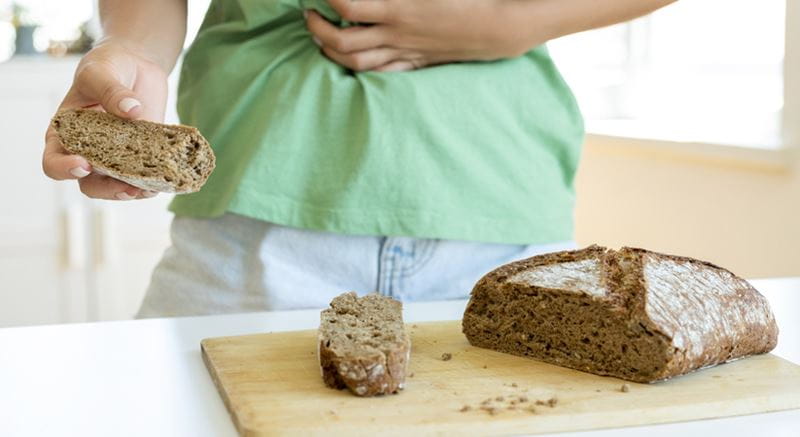
“I don’t eat bread much either, apart from sourdough occasionally. I find that it bloats me, and our bodies really aren’t designed to digest refined wheat.”
“I try to have eggs regularly. The yolk, like orange and yellow fruit and vegetables, contains beautiful ‘xanthophyll’ plant nutrients, which eye experts recognise are important for eye health as we age. They are also present in dark green vegetables, but are hidden by the dominant green of chlorophyll.
“And I make sure to have some omega-3 oils every day. I alternate between plant-based sources like walnuts, oily fish and an omega-3 supplement. The essential fats help to dampen inflammation and are good for our brain health, so it makes sense to me.”
“I eat lean meat or fish, cheese or yoghurt, and vegetables every day without fail. It’s simple food, really.”
“Each day includes at least five portions of fresh, frozen, dried or canned (in water or juice, not brine) fruit and vegetables of any kind, plus lean protein such as fish, eggs, pulses, nuts or reduced-fat dairy with each meal.
“Calcium is important for bone health in post-menopausal women, so I try to include 2-3 portions of dairy foods, including the lower-fat varieties and non-dairy calcium-rich foods; fortified soya milk; green leafy vegetables; fish with edible bones (usually pilchards or sardines); nuts and pulses.
“To hit my 30g of daily fibre, I’ll have wholemeal bread, pasta, oats and/or pulses, plus a small handful of unsalted nuts for heart-healthy fats.
“Keeping hydrated for all-health in later life means I drink 6-8 cups of water or sugar-free drinks each day.”
“Breakfast is often peanut butter on toast, porridge with soya milk, or boiled or poached eggs with wholegrain bread.
“Lunch is frequently a baked potato with baked beans and some kind of salad (depending on what’s in the fridge), or hummus with pitta and, again, salad.
“For dinner, five days out of seven it’s some kind of pulses in bakes, soups, casseroles or stir fries, maybe some salmon one day, and a roast chicken dinner on a Sunday.”
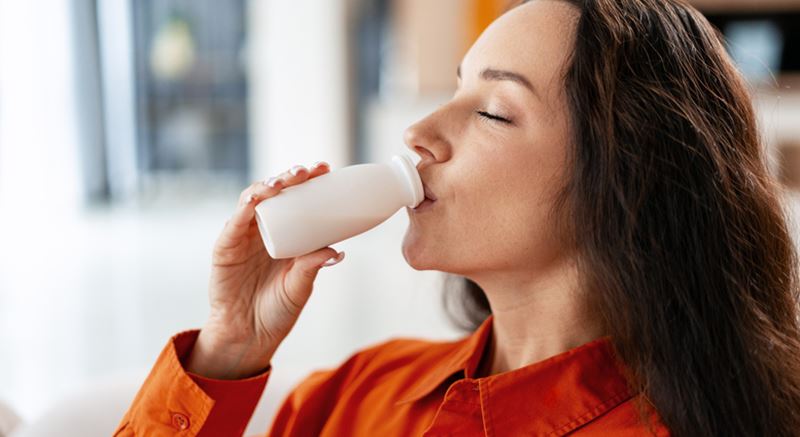
“I love overnight oats for breakfast. Oats are great for slow-releasing energy, and are a much gentler form of fibre than wholemeal wheat. I include live yoghurt or kefir, and frozen berries and banana.
“I currently teach in a school that makes amazing lunches, so my lunch is often my main meal of the day. They make a great fresh soup, creative salads and the best apple crumble!
"I make a point of eating with other people during lunch, as I live alone and meals are always better shared. Research has linked loneliness with an increased risk of chronic illness, so eating with others whenever I get the opportunity is very important to me.
“In the evening, it’s usually a piece of meat, fish or an egg-based recipe with fresh vegetables.”
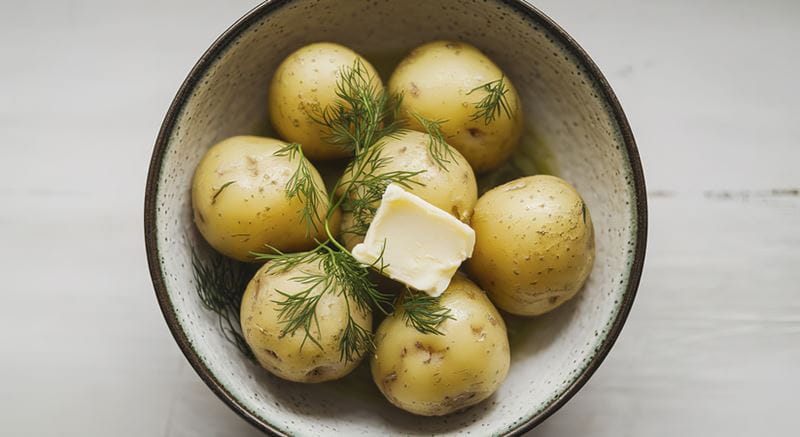
“It’s important that I like the food I eat,” says Mary. “And if that means adding a bit of butter to potatoes or occasionally having crisps or chocolate as a snack, then I'll do that. Food feeds our emotions as much as our bodies.
“I’d never suggest that people deprive themselves of a ‘guilty’ pleasure now and then. It’s more about balance than focusing on every single mouthful. And remembering that those doses of dopamine can help to protect our physical health as we age, via our mental wellbeing.”
“Porridge with berries and milk in the morning gets my day off to a great nutritional start with some wholegrains, a portion of fruit and a portion of calcium-rich milk.
“Homemade vegetable soup with beans or lentils, and a slice of wholemeal bread, is my ‘go to’ lunch. It’s filling, gives me another two portions of vegetables, and the pulses add protein. I usually follow it up with some plain yoghurt and fruit.
“Then it's baked or grilled salmon for dinner, with wholegrain herby couscous and roasted vegetables (a mixture of red onions, courgettes, peppers, tomatoes, garlic and a drizzle of olive oil).”
“As for snacks, it’s often a handful of unsalted nuts (usually walnuts, pistachio and almonds), which helps to keep my hunger pangs at bay mid-morning, or a small banana.
“Before bed, a cocoa drink made with raw cacao or cocoa powder and skimmed milk helps me sleep. It also gives me another portion of calcium (from the milk) and protective polyphenols from the cocoa.”
“To be honest, you can make your own version with the fruits you enjoy, but the proportions in Jamie Oliver’s recipe are a great starting point.”
“As with the overnight oats, you can adapt lentil soup recipes and add your favourite vegetables, but a good one to get you going is a Waitrose version. It’s great for protein, which is important for maintaining muscle mass as we age.”
“James Martin has a recipe for baked apples that uses ginger and cinnamon. I’d serve it with yoghurt rather than ice cream, to boost protein and calcium. To cut down on energy costs, you can also make baked apples in the microwave instead of in a conventional oven."
“Overnight oats for breakfast are a revelation. Fibre, protein and vitamins all in one delicious little pot.”
“I really do believe in simple foods, so I love an omelette or a crustless quiche. Eggs are little powerhouses packed with all the nutrition an embryo needs to develop into a fully functioning chick. I add peppers, onions, tomatoes and mushrooms.”
“This is one of my all-time favourite recipes. You honestly can’t taste the avocado, and it’s so utterly delicious.”
Dell’s favourite recipes are chicken and chickpea curry, salmon traybake and vegetable chilli with wholegrain rice.


Buy direct and start a new Saga Health Insurance policy by the end of 10 December 2026 to get your first 3 months free. T&Cs apply.
Underwritten by Bupa Insurance Limited.

Some Saga holidays include soothing or spiritual activities like joining a traditional tea ceremony in Japan, practising yoga in India or bathing in Iceland’s Blue Lagoon.

Are you retiring at the wrong age? The best age to retire for your body, brain, happiness and pocket.


Everything you need to know about the lung infection, and how you could be ill with “walking” pneumonia without realising it.
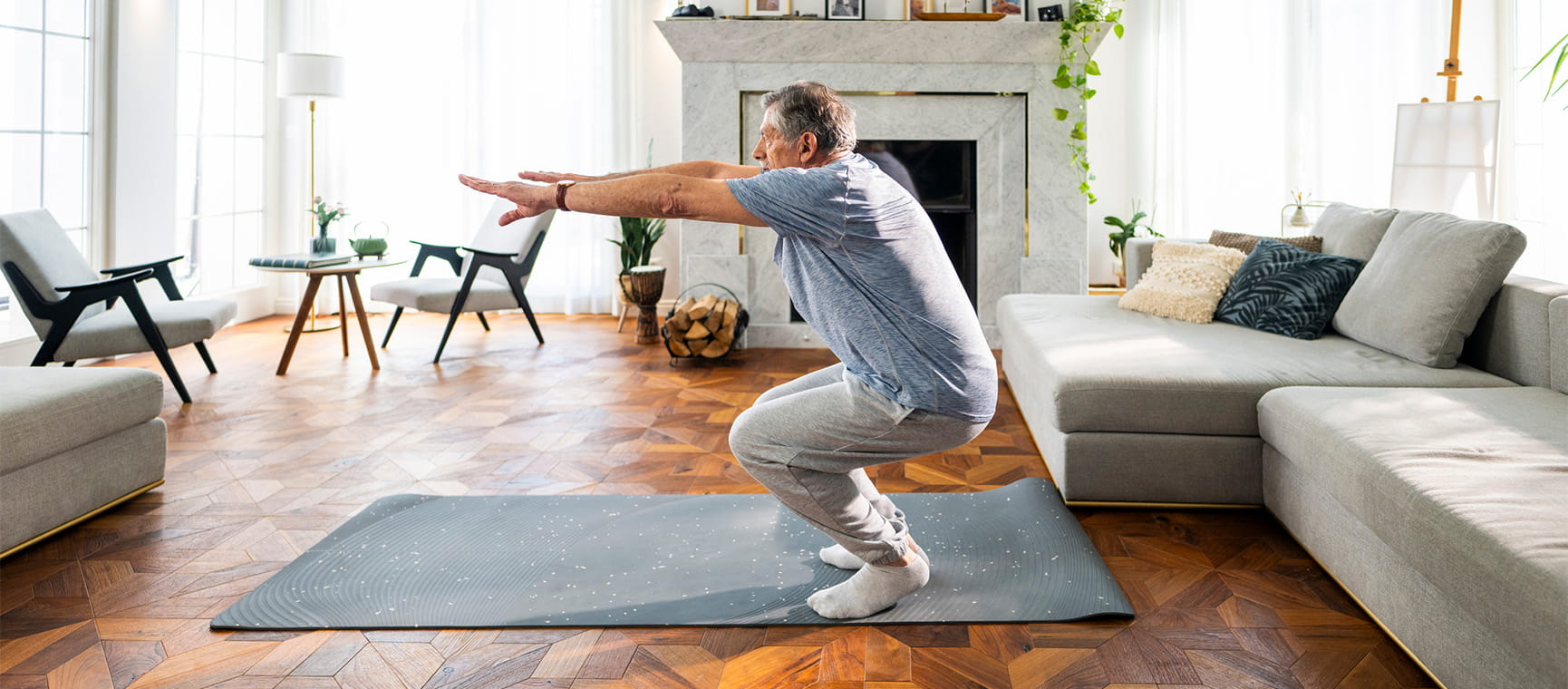
Strong calves for a strong mind: how they support our circulation and brain health, with easy moves to strengthen yours at home.

Our GP Dr Mark Porter explains what can cause itchy skin, which is a common problem as we get older.

Worried you’ve morphed into Victor Meldrew? Find out how to battle that bad mood, and what to do if you’re stuck with a grouchy loved one.

The benefits of heat and cold therapy, and how Nordic bathing won over our nervous writer.

Here’s how to spot the symptoms of heat disease and reduce your danger.

Everything you’re entitled to this year, when you can have it, and the gaps that remain.

Pilates for back pain – what to do if you are suffering, and five gentle exercises that could help.
Dizziness or vertigo: a sensation of spinning, can stop us doing everyday things for fear of falling. Try these tips to stop feeling dizzy


You don’t have to put up with bladder leaks. We try out the latest pelvic floor gadgets for men and women.

Cataracts are a normal part of ageing. Learn how to spot the signs – and when it’s time to consider surgery.