The 12 appliance mistakes pushing up your winter bills
From your fridge-freezer to your washing machine, discover the everyday mistakes costing you money and the simple ways to cut your energy bills.
Getty
From your fridge-freezer to your washing machine, discover the everyday mistakes costing you money and the simple ways to cut your energy bills.
You can't control the energy price cap, but you can control how much energy your appliances use.
And some surprisingly expensive habits are hiding in plain sight: the plug-in heater warming a chilly room, the second freezer humming away in the garage or the dishwasher load rinsed under hot water before the machine even goes on.
We asked the experts which everyday appliance mistakes could be costing you money and the simple changes that can bring your bills down.
Consumer group Which? measures the energy use of the appliances it tests in its labs and worked out what each costs to run in a typical household at today’s prices.
The most expensive appliance in a category can cost up to four times as much to run as the cheapest in its class.
| Appliance | Average cost a year | Cheapest to priciest |
|---|---|---|
|
Washer-dryer
|
£216
|
£141–£315
|
|
Condenser tumble dryer
|
£139
|
£114–£181
|
|
American-style fridge-freezer
|
£117
|
£61–£172
|
|
Freestanding fridge-freezer
|
£79
|
£38–£147
|
|
Integrated fridge-freezer
|
£78
|
£46–£143
|
|
Dishwasher
|
£68
|
£43–£100
|
|
Electric range cooker
|
£67
|
£39–£99
|
|
Washing machine
|
£64
|
£37–£85
|
|
Built-in single electric oven
|
£63
|
£49–£76
|
|
Built-in double electric oven
|
£61
|
£50–£69
|
|
Freestanding electric cooker
|
£59
|
£53–£75
|
|
Heat pump tumble dryer
|
£54
|
£33–£94
|
|
Kettle
|
£39
|
£24–£55
|
|
Air fryer
|
£33
|
£17–£53
|
|
TV
|
£29
|
£12–£58
|
It sounds counterintuitive, but a near-empty fridge isn’t the cheapest to run.
“Keeping a reasonable amount of food inside can actually help the appliance maintain a stable temperature, as the contents retain the cold,” says Chris Grundy, senior cooling product marketing manager at Hoover and Haier.
“The important thing is not to overfill the fridge. You need enough space for air to circulate freely, otherwise, the appliance may have to work harder.”
The same goes for frost. A thick layer of ice in the freezer makes the appliance work harder, so defrost it when it builds up and keep the vents clear.
Your fridge-freezer is the one appliance that never gets a day off. It runs 24 hours a day, 365 days a year, so its efficiency matters more than almost anything else in the house.
Even among new models, the difference is big. Which? testing puts the average freestanding fridge-freezer at £79 a year to run at today’s prices, but the most expensive model it tested costs £147, nearly four times the cheapest at £38.
An older machine can cost more again.

“The fridge-freezer is the one appliance nobody ever thinks to question,” says Tina Loveland, senior designer and smart home specialist at Appeal Shading.
“It’s always been there, it’s always been on, and because it doesn’t make much noise most of the time, it doesn’t feel like it’s costing anything. But if yours is more than 10 years old, there’s a good chance it’s one of the most expensive things running in your home.”
Checking the energy label or using a plug-in energy monitor to measure how much it actually uses takes minutes.
If you have a second fridge or freezer in the garage that’s kept on out of habit, Loveland estimates it could be adding a further £80 to £100 a year.
Colder isn’t better. The Food Standards Agency recommends keeping your fridge at between 0°C and 5°C.
“When people are trying to save money, it’s easy to assume that turning the fridge down as far as possible is the best approach,” says Grundy.
“In reality, around 5°C or below is generally enough to keep food safely chilled, while turning the temperature down unnecessarily can use more energy and could even cause some foods to freeze.”
If you rinse plates before putting them in the dishwasher, it's a habit worth breaking.
“Modern dishwashers are designed to deal with food residue, so in most cases you can simply scrape leftover food into the bin and let the dishwasher do the cleaning,” says Rosy Green, dishwashing product marketing manager at Hoover and Haier.
“Running hot water over every plate means you’re using additional water and energy for a job the dishwasher is already designed to do.”
The programme you choose matters too. In the Which? tests, the eco setting was around 30% cheaper to run than the main programme. The quick wash, which many of us pick thinking it’s the thrifty option, used more energy and water than the main cycle. The catch with eco is time: it averages almost four hours, against two and a half for a main wash.
“They can take longer, but they’re designed to use less water and energy overall,” says Green. “Running a full load rather than several smaller ones means you’re making better use of the water and energy required.”
A dishwasher costs around £68 a year to run, according to Which? (based on five cycles a week).
That’s roughly 26p a go, so two half loads cost you twice what one full load would.

Most of the energy that a washing machine uses goes on heating the water, so turning the dial down is one of the simplest savings there is.
“Modern detergents are designed to work effectively at lower temperatures, so for everyday laundry, a 20°C or 30°C cycle can often get the job done while using less energy than a hotter programme,” says Richard Howarth, senior laundry product marketing manager at Hoover and Haier.
Washer-dryers are popular in smaller homes because one machine does two jobs. But they’re expensive to run. Which? puts the average annual cost at £216, based on washing four times and drying three times a week. That’s more than a separate washing machine (£64) and condenser tumble dryer (£139) put together and nearly double the cost of a washing machine paired with a heat pump dryer (£54).
“The drying cycle in a washer-dryer uses water to cool the drum, which is a much less efficient process than a dedicated tumble dryer,” says Loveland.
“For households that have the space for two machines, separating them, particularly by pairing a washing machine with a heat pump tumble dryer, is almost always the cheaper option in the long run.”
Running a washing machine with only a handful of items wastes energy and water.
“Where possible, wait until you have a full load, while being careful not to overload the drum,” says Howarth. “Eco programmes can also be useful. They can take longer, but a longer cycle doesn’t necessarily mean a more expensive one.”
He also advises going easy on the detergent.
“Using too much can leave residue on fabrics and may affect how effectively the machine rinses them,” he says. “Check the recommended dosage and adjust it according to the load.”

They don’t. Which? puts the average heat pump dryer at £54 a year to run, against £139 for a condenser model.
“Heat pump dryers are generally the most energy-efficient type because they recycle warm air inside the appliance rather than continually generating new heat,” says Howarth.
“The trade-off is that they tend to dry clothes at lower temperatures and cycles can take longer. But if your dryer is working hard throughout the winter, using less energy per cycle can make heat pump technology a worthwhile consideration over time.”
It’s not only the appliances you use that add to your bill. Plenty of gadgets draw power around the clock on standby, from the set-top box under the telly to the clock on the microwave. In fact, leaving everyday appliances on standby could be costing you almost £190 a year.
The fix is simple: switch off at the wall or plug several devices into one extension lead so you can turn them all off at once.
A fan heater for a chilly room feels like a cheap fix. It isn’t. A standard 2kW heater running for four hours every evening from November to March (around 150 days) uses roughly 1,200 units of electricity.
At today’s price, that’s more than £300, enough to knock the washer-dryer off the top of the table.
“A £25 fan heater feels like a sensible solution for a cold room,” says Loveland. “But the running cost is considerable, because these are high-wattage appliances drawing at full power whenever they’re on. And they keep pushing warm air into a room without addressing why that room is cold in the first place.”
Tackling the cold at the source is cheaper. Thermal curtains or blinds, draught excluders, and sealing gaps around window frames all cut how much extra heat a room needs, so you can put the heater back in the cupboard


Guard against inconvenient and unexpected boiler failure with Saga Home & Heating Emergency cover and boiler service option.

Trusted advice, practical tips, exclusive interviews, puzzles, competitions and more every week. Sign up to our free newsletter.

Your chance to win cruise for two to Cádiz, Casablanca and the Canary Islands, worth more than £9,600.

Home chefs are turning to their air fryer and slow cooker to save money on their energy bills. Which is cheaper to run?
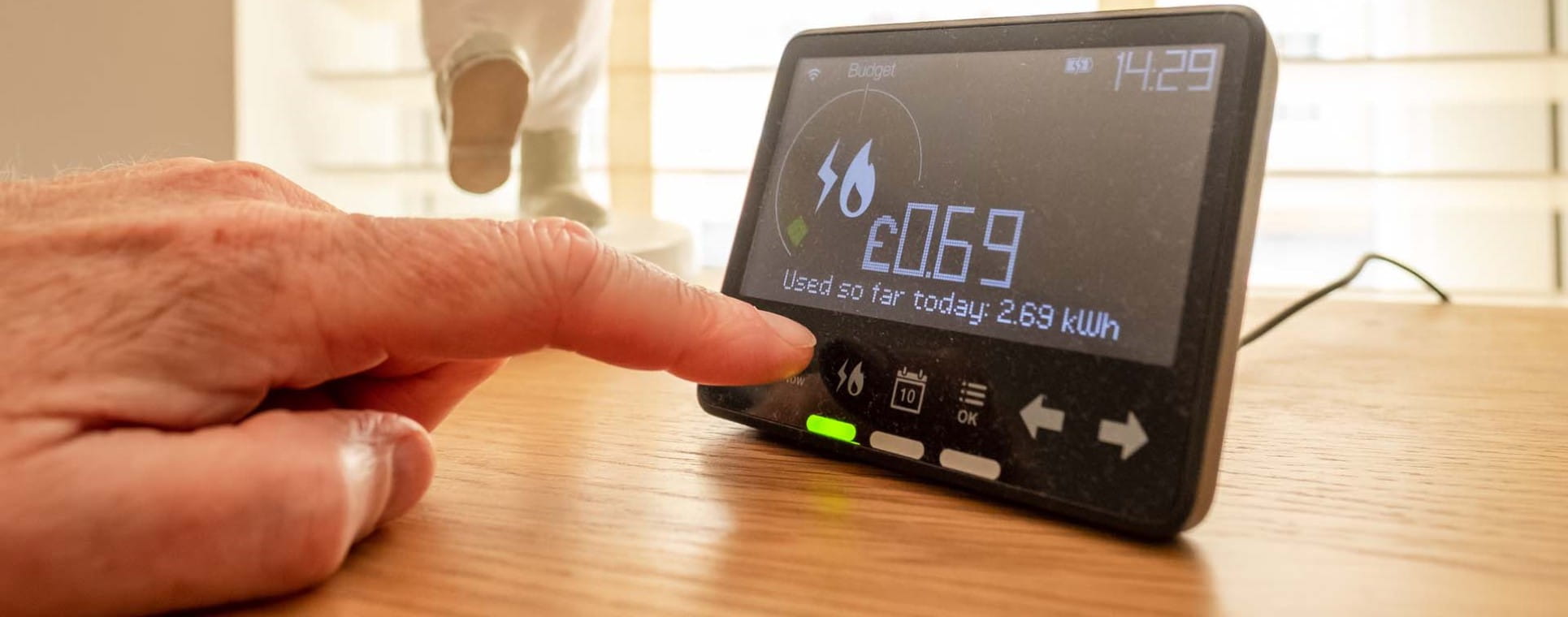
Find out if a smart meter offers you more benefits than your traditional energy meter.



As well as being a healthy option, air fryers are said to save money – but in reality, how economical are they?