Food prices, energy bills and the general cost of keeping a household running have all taken their toll in recent years and for many of us, the squeeze is still very much on. But where there’s a will, there’s a way, and Saga Magazine readers have been finding creative, practical cash-saving solutions for decades.
Our readers know a thing or two about making their money go further. Here are their cleverest tips, from slashing supermarket bills to cashing in on loyalty cards, cutting utility costs and making money from what you already own.
1. Make sure you get the best value from loyalty cards. With Tesco you can triple the value if you use it for days out or eating out. Over-60s can get a Senior Railcard: swap £10 of Tesco vouchers and get a one-year £30 travel card for a third off train ticket prices.
2. Iceland offers 10% off for all shoppers aged 60 and over, every Tuesday in store. You’ll need to show valid ID and have a free Iceland Bonus Card. Sign up at iceland.co.uk before you go.
3. “Bend down and look at the lower shelves – it’s where supermarkets put cheaper and better-value products. I believe the same applies to the top shelf, but I can’t reach!”
4. Only use “buy one, get one free” or 3 for 2 offers if they are items you use anyway. Don’t be seduced into buying things you don’t need.
5. Don’t assume lower-priced food or cleaning products mean lower quality. Switching more of your weekly shop to budget supermarkets can make a noticeable difference, with some shoppers cutting their grocery and household bills by a third or more without feeling they’ve compromised.
6. Really stock up when your supermarket has a special offer on a (non-perishable) product you love.
7. Do smaller, more frequent shopping when already out and about so that a large weekly food shop doesn’t get lost at the back of a full fridge and wasted. Menu planning also helps here.
8. If you are buying a gift of flowers, the “cheap” supermarkets sell the same flowers often for less than half the price of “normal” supermarkets. Wrap the blooms in a piece of on-trend brown paper (cut from the roll you bought at the cheap shop) and prettify it with ribbon from the tin where you save offcuts.

9. Wilted salad leaves, brassicas and carrots will revive in cold water in the fridge.
10. Buy a large sliced loaf of bread and pack the slices in dated freezer bags, according to how many you need each day. Just take out the packet beforehand to thaw, and the bread is always fresh.
11. “The cost of my favourite instant coffee has gone up by 25%, so I have decreased the amount I use in each cup by 20%. It makes no difference!”
12. If onions are getting old, slice them and open-freeze by spreading them out on a tray, then put them in a sealable food bag, ready to use. This can be done with a lot of food getting old: don’t throw it, freeze it.
13. Put leftovers from tins in jam or pickle jars so you can see them clearly in the fridge.
14. “I am solo now so rarely bake using the oven. If I do make something, it’ll be a fridge cake. The fridge has to be on so it’s better to use it rather than the oven when you can.”
15. Cooking from scratch can cut your meal costs by up to 60% compared to ready meals. A homemade shepherd’s pie for four costs around £4 in ingredients, while the supermarket equivalent can set you back £6-£8. Make double and freeze half, and you’ve got two meals for the price of one.
16. We all know about freezing stews and casseroles but look at also cooking sausages in batches of at least 12 to freeze separately. You can also buy whole cooked chickens, cut them up and freeze the various parts. Both make a quick and easy meal.
17. “Use food waste apps such as toogoodtogo.co.uk which sells leftover stock from shops and restaurants. It’s pot luck – you won’t know what’s going to be in your magic bag until you collect it and everything has a short date, but I’ve had £20 worth of items for just over £3, and I freeze some. It’s great fun, too, and my teenage grandsons love it!”
18. Frozen and tinned produce are just as good as fresh, so buy when fresh is out of season.
19. Use eco wash balls. Costing about £20, they clean without the need for washing tablets, powder or conditioner and last up to 1,000 washes.
20. Use only basic cleaning materials, such as bleach, soap powder, soap, soda crystals, bicarbonate of soda, scourers and kitchen roll.
21. Most major cinema chains now offer discounted screenings specially for over-60s, usually at quieter times during the week and often with a free tea, coffee and biscuit thrown in. Odeon Silvers, Showcase Silver Screenings, Everyman Silver Screen and Picturehouse all run schemes, with tickets starting from as little as £2. Some even include cake. Check your local cinema’s website to see what’s on and when – prices and days vary by location.
22. Your local library is one of the most underused money-saving tools around. Books are free to borrow, and you can request the latest novels if they’re not already on the shelf. Most libraries now also let you borrow ebooks and audiobooks for free through apps such as Libby and BorrowBox – all you need is your library card. Titles are automatically returned at the end of the loan period, so no late fines either. Some libraries also loan CDs and DVDs for a small fee. Check your local library’s website to see the full range of what’s available.
23. Each May, BBC Gardeners’ World magazine includes a 2-for-1 entry card valid at over 360 gardens across the UK and Ireland and it stays valid until the following March, so you have almost a year to use it. At £9.99 the May issue pays for itself the first time you use the card, and many issues also come with free seed packets. There’s an app too, if you’d rather go digital.
24. Shop around for rewards on the things you use every day, such as insurance and bank accounts.

25. When you buy plants, try to pick those that you know will bulk out. It’s amazing how much joy you get reviving a reduced item, seeing it flourish in the weeks ahead. Our experts have more tips on how to avoid plant-buying mistakes.
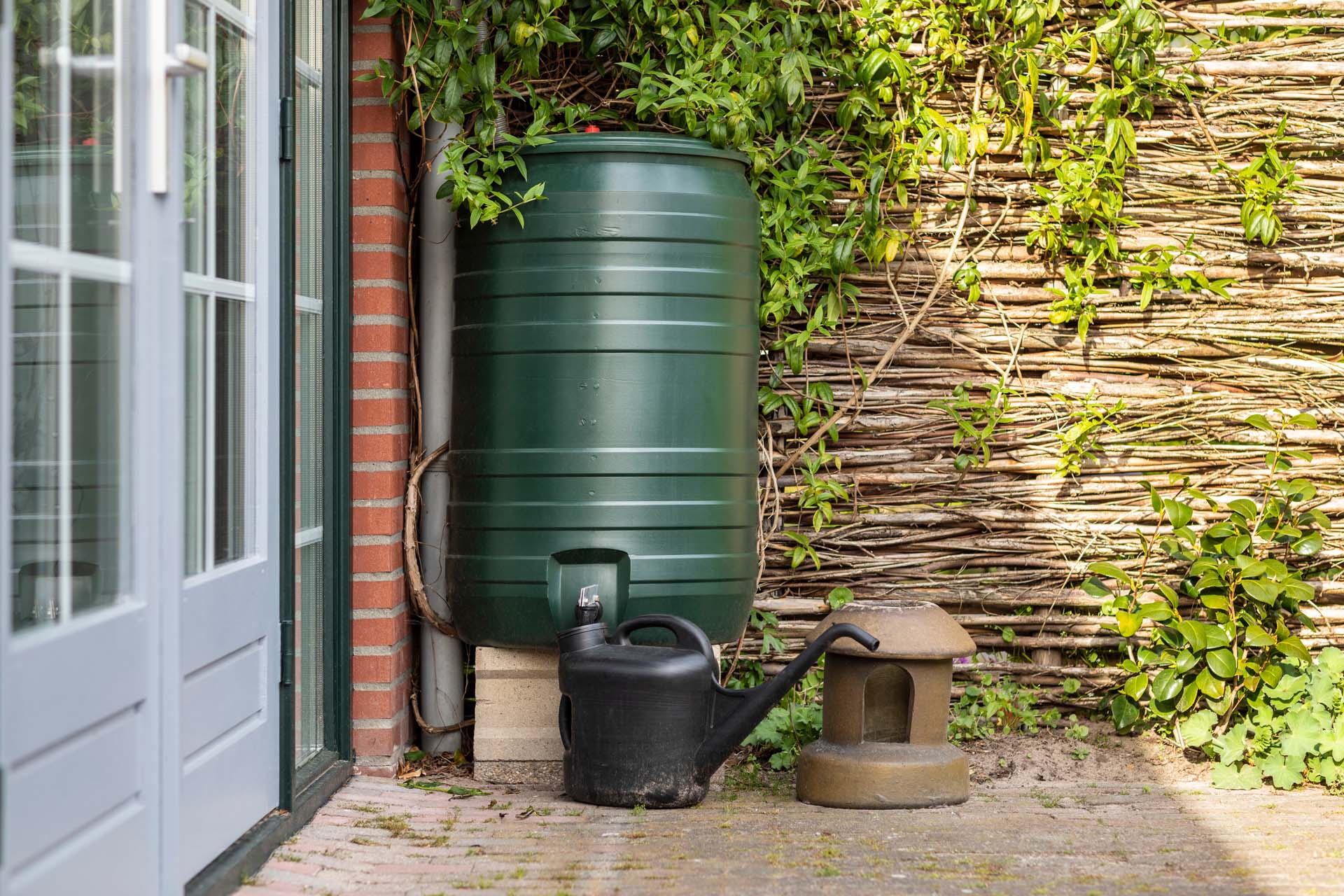
26. “We all know about the benefit of a water butt for the garden but we take it a stage further. Our bathroom is almost directly above the butt so using a length of hose we syphon out the bath or shower water into the butt below. I stand there with my thumb over the bottom end while my wife pours water into the top end using a jug and funnel. When the pipe is full she puts it into the bath and secures it there with a weight.”
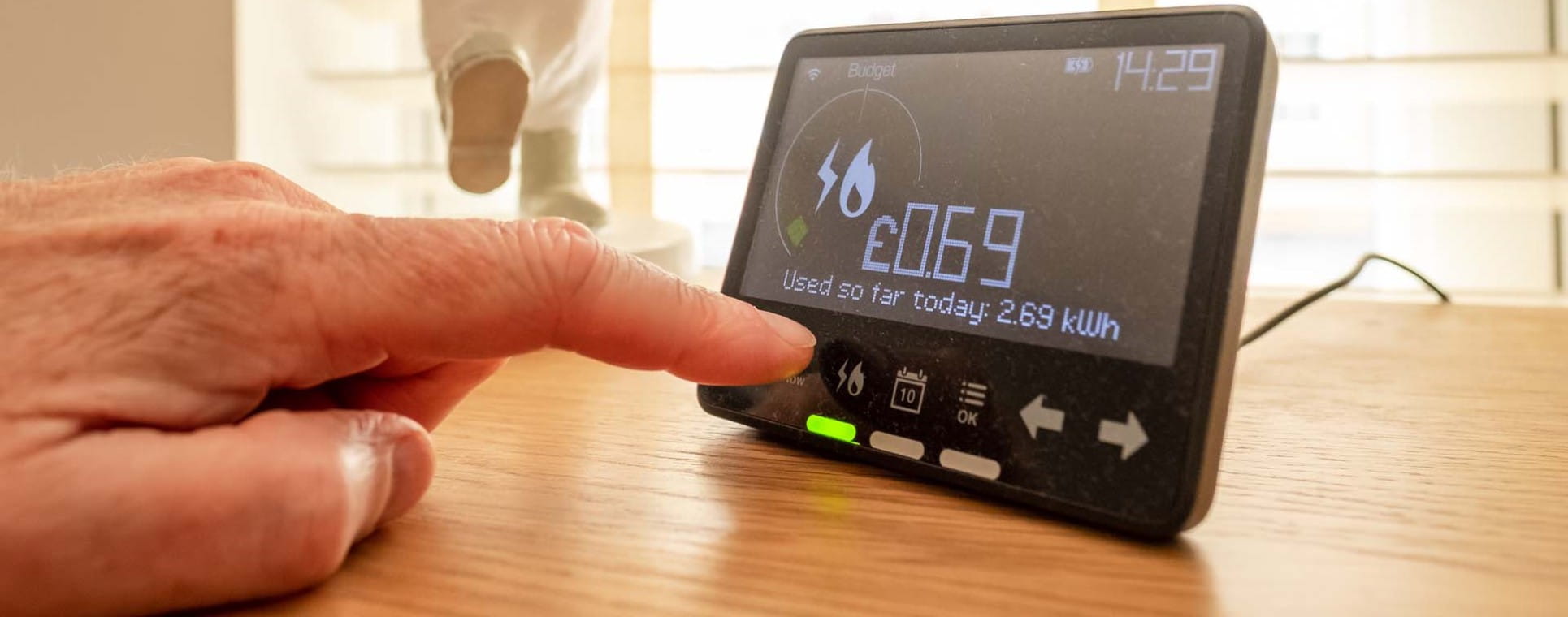
27. Pay your electricity or gas bill monthly by variable direct debit (instead of a fixed monthly sum) so you just pay for what you actually use.
28. If you have a smart meter, the free Equiwatt app rewards you for cutting your electricity use during peak hours. You opt in to hour-long power-down events – essentially agreeing to switch off appliances for a bit – and earn points you can redeem for gift cards at Amazon, John Lewis, Sainsbury’s and more. Worth delaying the kettle for.
29. If you have a combi boiler, turn off the hot water preheat setting, especially overnight. The preheat setting keeps a small amount of hot water ready inside the boiler at all times so it reaches your taps quicker, but it means your boiler is firing up every 90 minutes or so. You can save 5-10% on your gas bill by turning it off (some boilers don’t let you). And keep your boiler regularly serviced and maintained.
30. “My hot water supply often takes about 30 seconds to come through when I wash up, so I harvest the cold water in a jug until it runs hot. I then use this to water my plants or to fill the kettle. My water bill has reduced since I have been doing this.”
31. If you live alone or with one other person in a mid-sized house, a water meter could save you a small fortune. Unmetered rates are based on property size, so single occupants in larger homes often pay for far more water than they use. Call your supplier to request one. It’s usually free, and you can switch back within 12 months if it doesn’t save you money.
32. Take in solar garden lights to use indoors at night – they light hallways well.
33. “I use a one-cup kettle as I live on my own and drink tea all day. When I first bought it I checked the amount of energy I used on an average day – mainly making tea! – and it’s nearly half of what boiling a normal kettle cost me.”
34. Don’t throw away bottles of lotion, shampoo or laundry liquid before you’ve got every last drop out. Cut the top off or add a little water and rinse. You’ll often get several more uses out of something you thought was empty.
35. “One day I ran out of face cream so I cut the tube open into two pieces – it was full of cream that lasted me more than 10 days. Since then I have cut all tubes in half, whether it be tomato paste, cream cheese, toothpaste, make-up or pain-reliever creams.”
36. Cut the sealed end off a nearly empty toothpaste tube, make a little “hat” for it out of foil, and you will gain several more cleans from it.
37. Switch off your shower while shampooing your hair, and again while giving yourself a scrub down with shower gel.
38. Boots Advantage Card is one of the best loyalty schemes going, and the recycling perk makes it even better. Bring five empty beauty, health or dental products from any brand to a participating store and get 500 points worth £5 when you spend £10. You’ll need to download the free Recycle at Boots app and upload photos of your items for approval first, so do that before you go in. Toothpaste tubes, toothbrushes, mascara wands and pump bottles all count – things that can’t be recycled at home.
39. Use cashback sites like Quidco or TopCashback. You just access the shop you want – participating retailers include Argos and Amazon – via the site and earn a slice of their commission.
40. Online retailers often offer a welcome discount if you subscribe to their newsletter. Subscribe, get the discount, then unsubscribe if you don’t want further emails. My epitaph will say: “She never paid full price!”
41. Sign up to apps like Shopmium, which is free to join. You search for the offers you like and buy the products as usual, then get cashback when you submit the receipt. You can often try new products for free, too. You need to build up £10 before you can withdraw, so it suits regular shoppers better than occasional ones.
42. My John Lewis members can get £5 off selected beauty brands by dropping off five empty beauty containers at the beauty counter, or £5 off Fashion Rental by handing in five items of unwanted clothing. Both schemes are free to use. Just check johnlewis.com for the full terms as there are minimum spends and brand restrictions to be aware of.

43. “If you’re rattling around in a house that’s too big, rent out a room – my lodger is here Sunday night to Thursday and it’s good to have someone youthful around again!”
44. Always check you’re getting the best interest rate on your savings. Banks regularly launch new accounts paying significantly more than older ones, and your loyalty won’t be rewarded automatically. It takes minutes to switch, and there’s usually no penalty for closing an old account.
45. “My husband and I live near a busy station and we no longer run a car. We rent out our driveway and earn £110 a month – it’s easy money.”
46. Sell unwanted books, CDs, DVDs and games through sites like musicMagpie, WeBuyBooks, World of Books or Zapper. Download their free apps, scan the barcode with your phone camera and get an instant valuation. Postage is free and you can often arrange a home collection. Prices vary between sites so it’s worth checking a couple before you commit.
47. Follow our columnist Paul Lewis’ money blog to receive regular financial guides and easy-to-understand explanations.
48. “I mend most of my own clothes. I once patched a pair of jeans with pink hearts and made my own fashion statement!”
49. Join the Nextdoor app for the latest news on your local area, plus many free items people are getting rid of, including plants and household goods.
50. Use old curtains as winter door coverings behind exterior doors.
51. If you take more than one prescribed medication regularly, a Prescription Prepayment Certificate (PPC) could save you a significant sum. A single NHS prescription currently costs £9.90, but a PPC covers all your prescriptions for a set fee – currently around £31.25 for three months or £111.60 for a year. If you need more than three items in three months, it pays for itself. Apply at nhsbsa.nhs.uk.
52. “I cut the laddered leg off a pair of tights and then during the winter, instead of putting on a pair, I wear two one-legged tights!”
With thanks to all our brilliant money-saving readers including: Jill Barber, Christine Casey, Steve Cox, Anne Davis, Jeanne Distin, Valerie Finch, Ann Garton, Sue Hayes, Sue Hinton-Lever, Janice Hosking, Susan Hughes, Lynda Jaques, Valerie Little, Sheri Martin, Lindsay McCutcheon, Ruth Morris, Stella Peppercorn, Christine Phillipson (aka Coupon Woman), Stephen Redmond, Joan Richards, Tony and Margaret Roberts, Judy Slawinski, Sheilagh Stones, and Carol Willment.



Your chance to win cruise for two to Cádiz, Casablanca and the Canary Islands, worth more than £9,600.

Staying warm is important to protect our health. Here's how to achieve it without bumping up your energy bills.