The frozen foods that are healthier than fresh
Are we overlooking the nutritional benefits of frozen foods? Experts explain their benefits and reveal which ones are actually better for you.
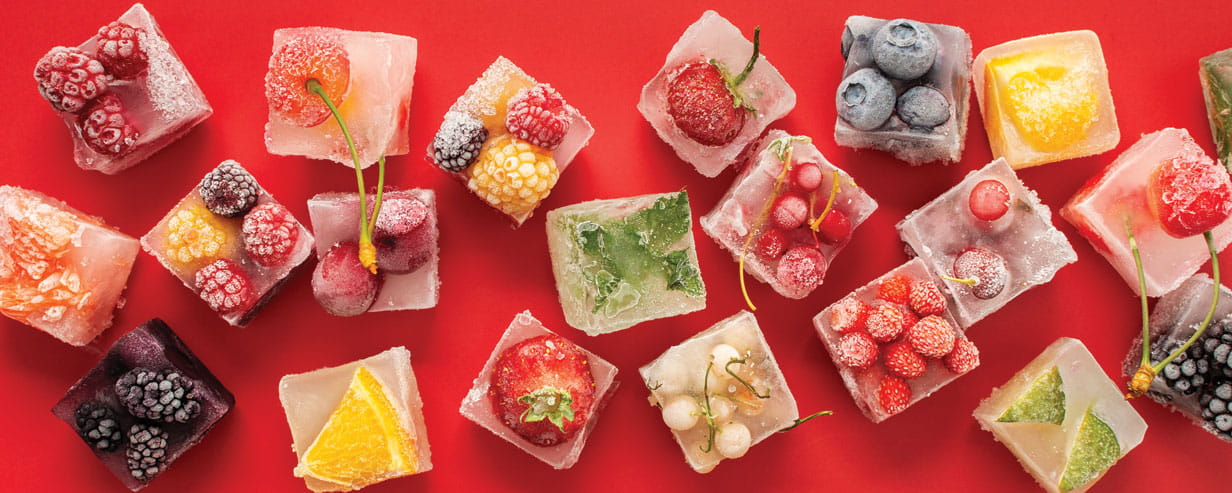
Are we overlooking the nutritional benefits of frozen foods? Experts explain their benefits and reveal which ones are actually better for you.
Supermarket freezer items are often considered a second-best addition to our at-home menus. But dietary specialists say it’s time to give some of our frozen foods more credit for being fresher and more nutrient-dense than their unfrozen counterparts.
Nutritionist, author and broadcaster Amanda Ursell believes that the supermarket freezer aisles may remain tarnished by the convenience food uprising of the 1970s, when microwave meals and Findus Crispy Pancakes made their mark.
“Memories of crinkle-cut frozen vegetables and the first ready meals probably don’t help the image of frozen foods,” says Ursell. “Combined with the idea that frozen also equals ‘processed’, I do feel that some parts of this supermarket offer could do with a bit of a positive PR make-over.”
When it comes to thrifty cooking and convenience, some of us have already cottoned on to certain perks of the freezer aisle.
Ocado reported an 18% surge in frozen-food sales last year, with 47% of shoppers claiming to have upped their freezer buys, citing easier meal-planning and time-saving as their main drivers. Higher quality, more choice, less food waste and greater attempts to up our fruit and vegetable intake have also played a part. Frozen herbs and garlic, in particular, have seen a steep rise to freezer fame in the last couple of years, according to Ocado.
Having the freezer stocked up with key ingredients can be a real game-changer if you’re cooking for one, says nutrition consultant and author of Navigating Nutrition in Later Life, Mary Merheim. “So many recipes only require a small amount of some ingredients, and are often sold in quantities too large for one meal when buying fresh. You may not want a whole bunch or plant of a particular herb, a whole onion or even a whole pepper.
“I always have frozen chopped herbs, garlic, onions, mushrooms and peppers, so that I can just use a handful at a time.”

Ursell prasies the underrated convenience of a well-stocked freezer to save you from the dreaded food waste that often comes with fresh produce – no matter how good our intentions.
And she says we all have days when we just don’t feel like shopping: “Being able to ‘decant’ the exact portion size to suit your needs offers a huge advantage to frozen foods in my view. This is true of packets of frozen vegetables as well as portions of a fish pie mix.
“They make a nutritious stand-by as well, if on some days we may not feel physically or emotionally up to venturing to the shops.
“The healthier ranges of ready meals can also be a realistic option if you simply don’t feel like cooking. OK, they may not taste quite like home cooking, but they are certainly better than skipping meals or relying on a bit of toast to get by on.”
It’s easy to forget the perilous journey our fresh supermarket fruit and vegetables have been on before they hit our plates. Harvesting often occurs before fruits such as bananas and tomatoes are fully ripe, to increase their transportation survival chances. But this often means less flavour and fewer nutrients than fully vine-ripened produce.
And then there’s the sorting and packing process, where the less attractive harvest can be cast aside or treated with wax coatings to improve its appearance and shelf life. Prolonged cold storage often follows, before lengthy transportation times to the supermarket aisles.
However, our local independent greengrocers offer superiority in the 'freshness' stakes, with most sourcing their produce from nearby farms or wholesale markets, meaning less time in storage and transport.
Ursell explains how the freezing process of fruit and vegetables can help with that all-important vitamin and mineral retention: “The levels of certain nutrients, like vitamin C, folate and some B vitamins – which are vulnerable to the effects of light and oxidation – start to fall as soon as fruits and vegetables are harvested.
“Some can lose up to half within days, and then more during storage, transportation and sitting around at home before we use them.”
Meanwhile, most fruit and vegetables in our shop freezers have been frozen within a few hours of harvesting at peak ripeness.
A study that compared the nutritional value of fresh and frozen sweetcorn, carrots, broccoli, spinach, peas, green beans, strawberries and blueberries found the freezer produce to be either equal or higher in most experiments. The only exception was carrots, which were susceptible to lower beta-carotene levels when frozen.
Scientists found that fruit and vegetables use their own nutrients when picked, breaking them down in order to keep their cells alive, and often resulting in fewer vitamins and minerals in our meals.

Merheim believes that certain greens pack more of a nutritional punch when bought frozen: “Peas, spinach, green beans and broccoli are all great frozen options for maximum vitamin C content.
“We often think that ‘frozen’ means nutrients are effectively deadened, but that’s just not the case. Green vegetables in the freezer have all their nutrients locked in, rather than steadily losing them over time.&rdquo
Ursell is a keen supporter of the humble frozen pea: “The level of vitamin C (which aids iron absorption, helps to reduce cholesterol levels and protects against free radicals) in green peas tumbles to half within two days of harvesting.
“High-tech freezing techniques promptly after picking can help to halt these losses in their tracks, so they’re a very worthy addition to our freezers with their convenience, versatility and high vitamin C content.”
Sadly, fresh spinach suffers a rapid, steep decline in folate – which is beneficial for brain function, heart health and cell production – post-harvest, according to a study. The data found that after eight days at fridge temperature, the leafy green only retained 53% of its folate.
Interestingly, the research also highlighted a “freshness paradox” with spinach, in that it preserves its green, just-picked appearance, when in reality our fresh leaves may already be several days old when we grab a bag at the supermarket.
“The probability is that those fresh spinach leaves in our fridge drawers are already well on their way to losing over half of their nutrients,” explains Merheim. “So it makes sense to opt for frozen spinach over fresh.”
Research has shown that fresh florets suffer a drop in vitamin C levels surprisingly quickly; well before they start to lose their green hues. After one week in the fridge, they lose around half of their vitamin C content.
“Along with a quick decline in its vitamin C levels, broccoli also starts to lose its valuable antioxidants if not eaten within a few days of harvest,” says Merheim. “So, again, frozen broccoli can be a better nutritional choice.
“Unfortunately, broccoli is susceptible to becoming much softer after being frozen, so is often seen as inferior. But this texture factor doesn’t affect its nutrient density, contrary to what people might think.”
While green beans are a little more robust, they can also lose around a third of their vitamin C following a week in the fridge. For all green vegetables, this decline in nutritional content is far quicker at room temperature.
“Buying frozen green beans is a great way to make sure you’re getting the most of that all-important vitamin C,” says Ursell.
“However, we do need to be careful to get these foods back home as quickly as possible after buying them, and then storing them as the packaging directs, to help lock these nutrients in.”

Although we’re all fond of our fruit bowls, could we be missing out on a wealth of nourishment within certain frozen fruits? Most definitely, says Merheim: “Frozen fruit tends to be picked at a more ripe stage than fresh fruit – especially berries, mangoes and pineapples.
“This means they have had more time to convert sunshine into natural sugars, antioxidants and vitamin C. And we also avoid that disappointment of finding a squidgy, brown banana at the bottom of the fruit bowl.”
Frozen strawberries, raspberries, blueberries and blackberries have been proven to contain higher levels of polyphenols and vitamin C than their fresh equivalents after just three days in storage.
Only when picked and eaten within one-to-two days do fresh berries match their frozen versions’ nutrient levels, according to researchers. This is, again, down to the rapid post-harvest freezing process at the fruits’ optimum vine-ripened stage.
“The delicate, perishable nature of fresh berries, and their rapid loss of essential nutrients, mean that frozen just makes more sense,” says Merheim. “Less waste, and locked-in vitamins and polyphenols – frozen berries are a win-win.”
And the same goes for fresh mangoes and pineapples, which are often picked unripe for transport, and also decline in the vitamin C, folate and antioxidant stakes in as little as three days.
So those bags of frozen smoothie mixes are well worth grabbing. “It can be impractical to buy a whole, fresh pineapple or mango if you’re living alone,” says Merheim. “And those pricey, pre-chopped packs can perish very quickly.
“When bought frozen, they often have a better flavour, texture and colour (from their ripened state), and they’re often far richer in vitamin C and antioxidants.”
The omega-3 levels in salmon, mackerel and sardines can start to lower in just three days after filleting, dropping to 75% in the fridge. These fatty acids offer a wealth of benefits to heart and brain health, and flash-freezing at sea locks them in.
“Again, it’s really important to get these kinds of frozen foods back from the shops and into your own home freezer as soon as possible, and to then store and defrost such frozen fish as the packaging directs,” advises Ursell.
(Hero image credit: Getty)



Buy direct and start a new Saga Health Insurance policy by the end of 10 December 2026 to get your first 3 months free. T&Cs apply.
Underwritten by Bupa Insurance Limited.

Enjoy a 4-bottle case of hand-picked wines from Vintage by Saga - just £15.96. Perfect for cosy autumn evenings & good company.

Expert nutritionists break down the most important foods to eat in each decade as we get older.

We reveal the 7 best tinned foods to supercharge your health while saving you time and money.
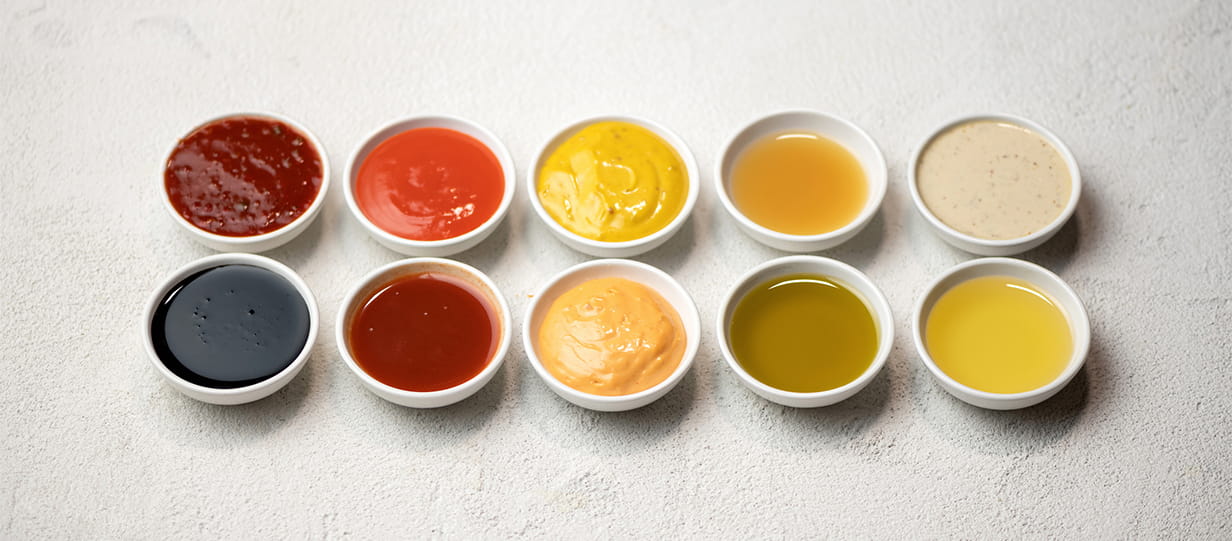
From ketchup to mayo – how healthy are your sauces? We find out the pitfalls and surprising benefits of our favourite condiments.

Could honey be the sweetest way to supercharge your health this year? Our experts explain the benefits and which to buy.
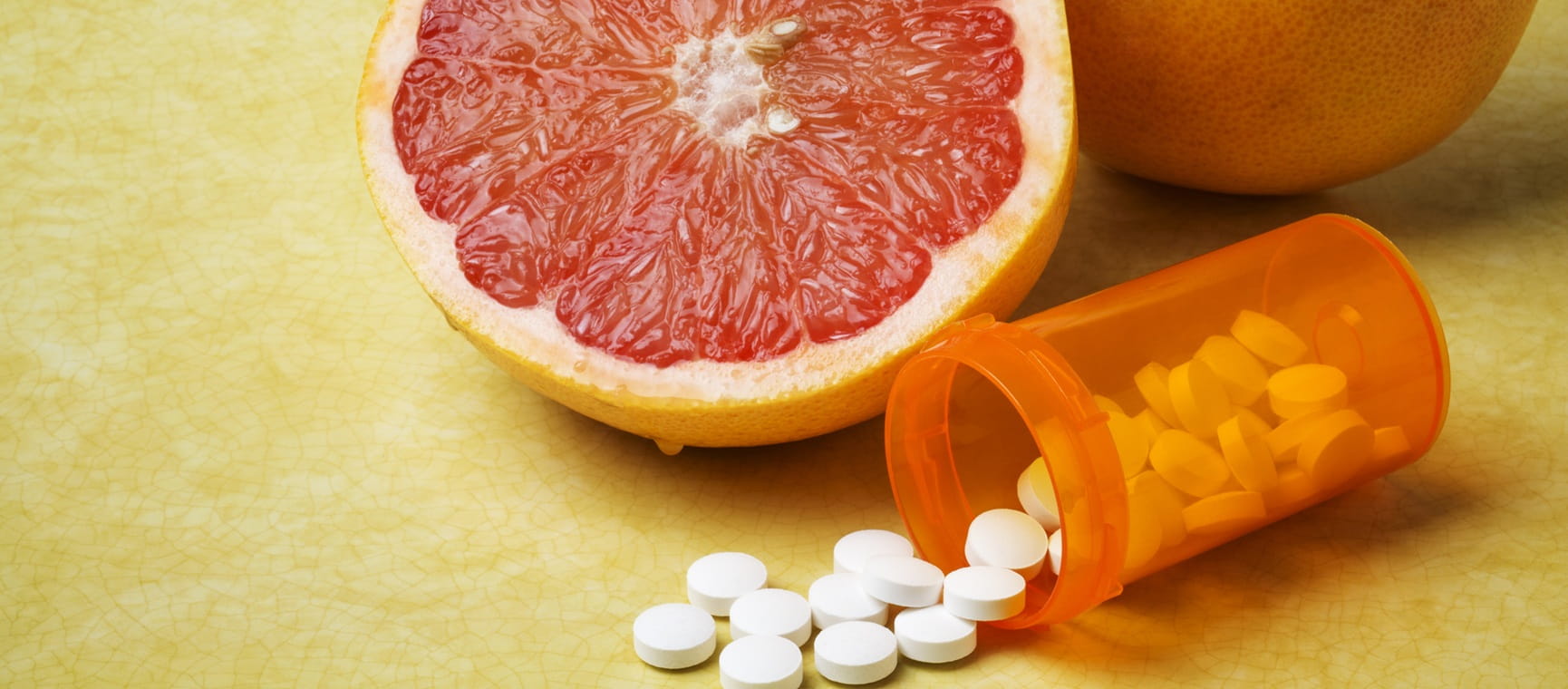
Our expert guide to the common foods you shouldn't mix with prescription drugs.

Experts reveal whether chilled supermarket soups are worth the extra cost and if some flavours are better for you than others.
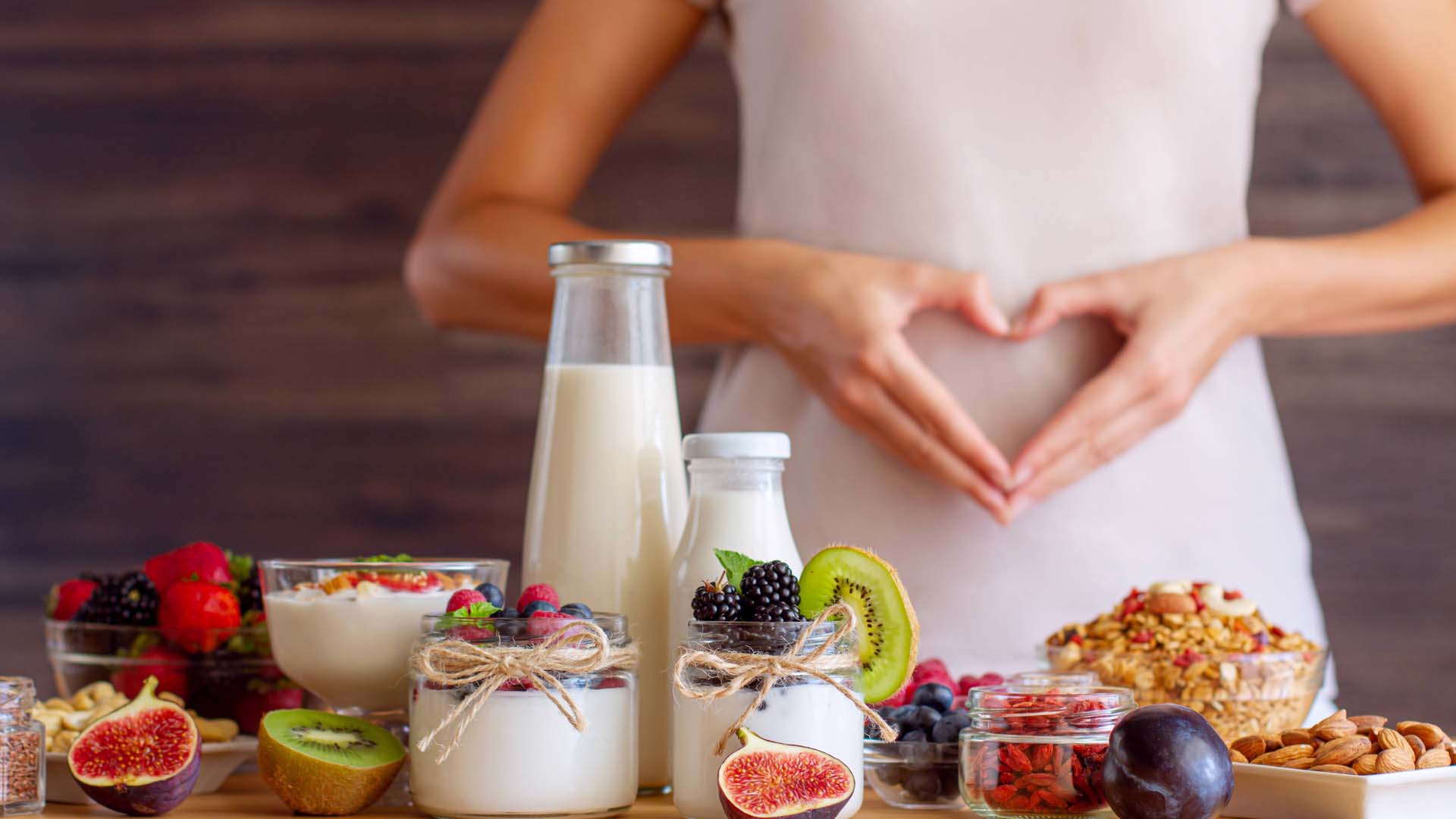
Looking after your gut health could be one of the biggest things that you can do for your overall health. Here are the best foods to keep your gut happy.
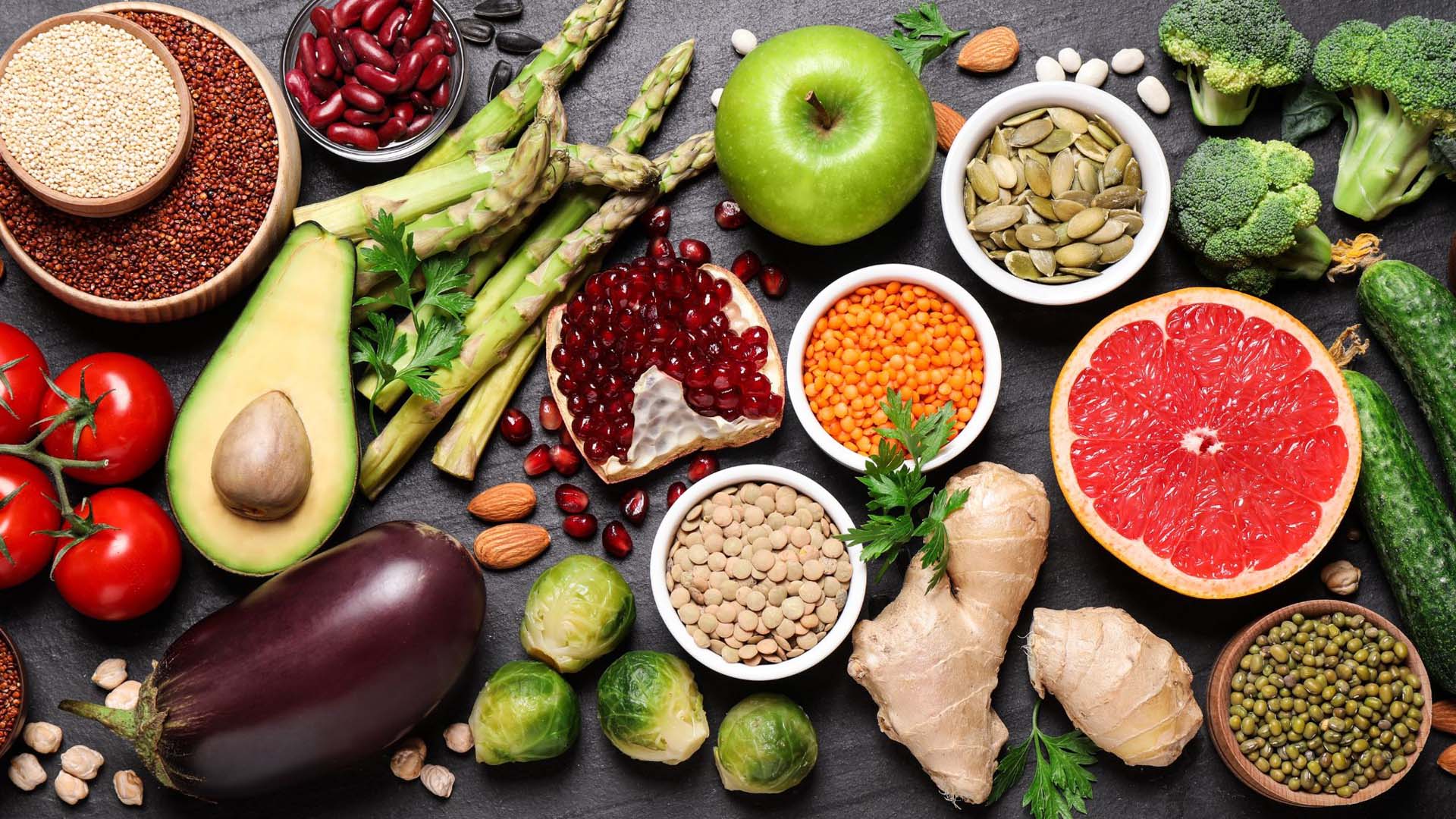
The foods that could help you live longer and protect against chronic illness.
A dietician reveals which foods can help protect vision and prevent age-related eye conditions.
Everything you need to know about protein, from how it benefits your body to the best high-protein foods – and how much you really need.