Can ready meals ever be healthy?
Are ready meals always bad for you? Experts explain the pros and cons and pick out the healthiest ones.
Are ready meals always bad for you? Experts explain the pros and cons and pick out the healthiest ones.
More than three in ten of us eat a ready meal at least once a week, according to a 2025 poll by Censuswide.
Many of us know they aren’t always good for us. “Ready meals often get criticised because lots of them are classed as ultra-processed foods [industrially made products with lots of additives] and some can be high in salt, saturated fat and low in fibre,” says Nichola Ludlam-Raine, a dietitian and author of How Not to Eat Ultra-Processed (RRP £19.99, Ebury Press).
“However, this concern is often overstated. Not all ultra-processed foods are nutritionally poor – some ready meals contain vegetables, wholegrains and good sources of protein, making them a convenient and balanced option. It’s more helpful to judge a meal on its nutritional content rather than the level of processing alone.”
What should we really be looking for? We asked the experts for guidance.
The average British adult consumes around 8.4g of salt a day, well above the recommended 6g maximum. Excess salt raises blood pressure, increasing the risk of heart disease and stroke. Older adults, whose kidneys process sodium less efficiently, are especially vulnerable.
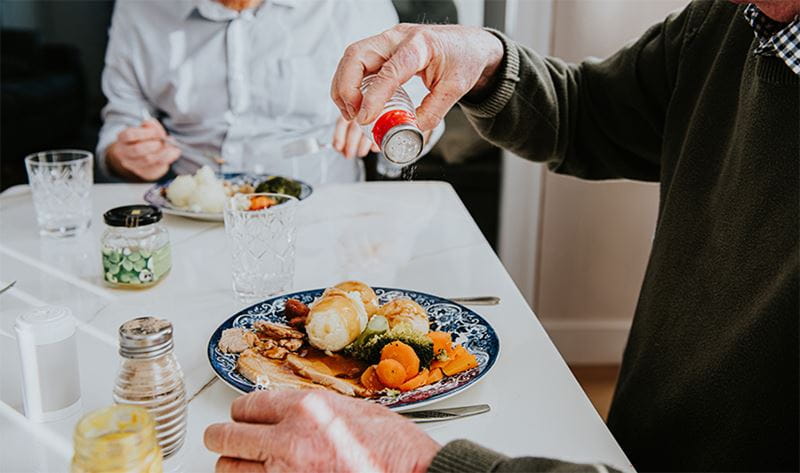
More than half of the hundreds of supermarket ready meals analysed by campaign group Action on Salt last year had high salt levels. “Anything over 1.5g per 100g is high,” says dietitian Emma Shafqat. “Look carefully at the traffic light ratings on the label.” Green is good, amber is okay in moderation, red should be consumed with caution.
While ready meals are often high in salt, many are low in fibre. Just 4% of adults eat the recommended 30g of fibre a day, with the average intake sitting at about half that, according to the National Diet and Nutrition Survey 2019-2023, a rolling government study tracking what we eat.
Fibre is essential to prevent constipation. It also feeds the gut microbiome, which is linked to immunity, mood and inflammation, lowers LDL cholesterol and reduces the risk of heart disease, Type 2 diabetes and colorectal cancer.
Where possible, avoid ready meals with large amounts of refined white pasta or white rice. “Look for wholegrains such as brown rice, bulgur, barley and pulses such as lentils, beans and chickpeas in the first half of the ingredients list, and more than two portions of vegetables,” says Shafqat. The fibre content should be at least 6g per meal and ideally more than 8-10g.
If you love the look of a particular low-fibre dish, you can up the nutritional content by stirring in a tin of lentils or a handful of frozen spinach, or you could eat a slice of wholegrain bread with your meal.
In a big review of scientific literature, published in BMC Medicine in 2023, researchers found that swapping animal foods, especially red and processed meat, for plant foods like nuts, legumes and wholegrains was linked to lower risks of heart disease, Type 2 diabetes and early death.
To an extent, the same goes for ready meals. “Plant-based or vegetarian meals often come out well,” says Ludlam-Raine, “especially if they contain beans, lentils and lots of vegetables.” This means they may well be high in fibre and can be a good source of protein. In this case, they may be an excellent choice.
However, you’ll also need to check how much saturated fat and calories they contain – both can rise if the meals have cream or cheese-based sauces. Dishes with lean meat or fish might be better.
Older adults benefit from around 20-25g of protein per main meal, according to the British Heart Foundation. Protein helps maintain muscle strength, immunity and recovery, which decline with age.
“Look for a clear protein source like chicken, fish, eggs, beans or lentils listed as a main ingredient,” says Ludlam-Raine.
Portion sizes are tricky, says Ludlam-Raine, because “it’s not one-size-fits-all. Calories can be a rough guide – many are 400-600 kcal – but it’s also about how satisfied you feel after you’ve eaten.”
If a ready meal is too small, you might need to supplement it or add a side dish. “Including an extra source of protein, like beans, eggs or leftover chicken can help with satiety,” says Ludlam-Raine.
“Healthy ranges often compensate with smaller portions,” adds Shafqat. “They may well be high in calories for their size.”
“Ready meals are often much lower in potassium, magnesium and iron compared with home-cooked meals,” says Shafqat. “They tend to contain smaller amounts of nutrient-rich foods like meat, beans and vegetables, and rely more on refined ingredients and fillers, which reduces their overall nutrient content.”
Potassium, found in meat, beans, vegetables and wholegrains, is essential for regulating blood pressure, while magnesium, present in leafy greens such as spinach, nuts, seeds and pulses, helps with muscle function, nerve transmission and energy metabolism. Iron, found in red meat, lentils, chickpeas and kale, carries oxygen in the blood. Iron deficiency is especially common in older women.
If you eat a lot of ready meals, supplement your diet during the day with a banana or avocado for potassium and a handful of pumpkin seeds or almonds for magnesium. You could also drink a glass of orange juice with your meal to boost absorption of plant-based iron.

Shafqat recommends COOK, which makes its meals in small batches using minimally processed ingredients. The range includes Classic Fish Pie, Moroccan Spiced Lamb Tagine and Vegetable & Lentil Lasagne. Check the salt content isn’t too high.
“Some supermarket ranges are designed with nutrition in mind and tend to offer more balanced portions and clearer nutritional targets,” says Ludlam-Raine, who mentions this one from Sainsbury’s.
Dishes such as Teriyaki Chicken with Wholewheat Noodles & Edamame and Fajita Chicken with Brown Rice & Pearl Barley combine lean protein, wholegrains and vegetables. Sauces can increase the salt content, though, so try not to eat too many other salty foods that day.
Ludlam-Raine also namechecks this calorie-controlled range from Tesco. Dishes such as Tomato & Basil Chicken, Tesco 3 Bean Chilli with Rice and Cod Mornay, Mash & Peas contain lean protein.
Fibre and vegetables can be modest, so you might like to add greens or a salad.
The Count on Us range gets general approval from both our experts as it tends to be lower in saturated fat, with salt in the amber category rather than red.
Dishes include Roasted Vegetable, Mozzarella & Tomato Pasta Bake and Mini Chicken Fillets in Gravy with Mash, Carrots & Peas. If you find portions small, supplement your ready meal with a side dish.
Dishes such as the Smoky Chicken Burrito Bowl and Green Pesto Chicken might feel more substantial, with higher protein and more generous portions. They often combine grains, pulses and meat. Watch out for pesto and spicy sauces that can push up fat and salt.
“I don’t think any supermarket performs well across its whole range,” cautions Shafqat. “Individual product choice matters more than brand loyalty.”
(Hero image credit: GettyImages)

Find out about Saga's gastronomy holidays here...
They say the way to the heart is through the stomach, and Saga’s thoughtfully crafted food and wine holidays are perfect if you like trying new flavours and exploring traditional methods of cooking.

Buy direct and start a new Saga Health Insurance policy by the end of 10 December 2026 to get your first 3 months free. T&Cs apply.
Underwritten by Bupa Insurance Limited.

Expert nutritionists break down the most important foods to eat in each decade as we get older.

We reveal the 7 best tinned foods to supercharge your health while saving you time and money.
From ketchup to mayo – how healthy are your sauces? We find out the pitfalls and surprising benefits of our favourite condiments.

Could honey be the sweetest way to supercharge your health this year? Our experts explain the benefits and which to buy.
Our expert guide to the common foods you shouldn't mix with prescription drugs.

Experts reveal whether chilled supermarket soups are worth the extra cost and if some flavours are better for you than others.

Looking after your gut health could be one of the biggest things that you can do for your overall health. Here are the best foods to keep your gut happy.
The foods that could help you live longer and protect against chronic illness.


A dietician reveals which foods can help protect vision and prevent age-related eye conditions.
Everything you need to know about protein, from how it benefits your body to the best high-protein foods – and how much you really need.