We tested 7 hot water bottles – our winner costs just £10
With energy bills a concern, a hot-water bottle is a simple way to stay cosy without turning up the heating. We find the ones worth snuggling up to this winter.

With energy prices rising and the cost of living still squeezing household budgets, we’re all looking for ways to save a few pennies.
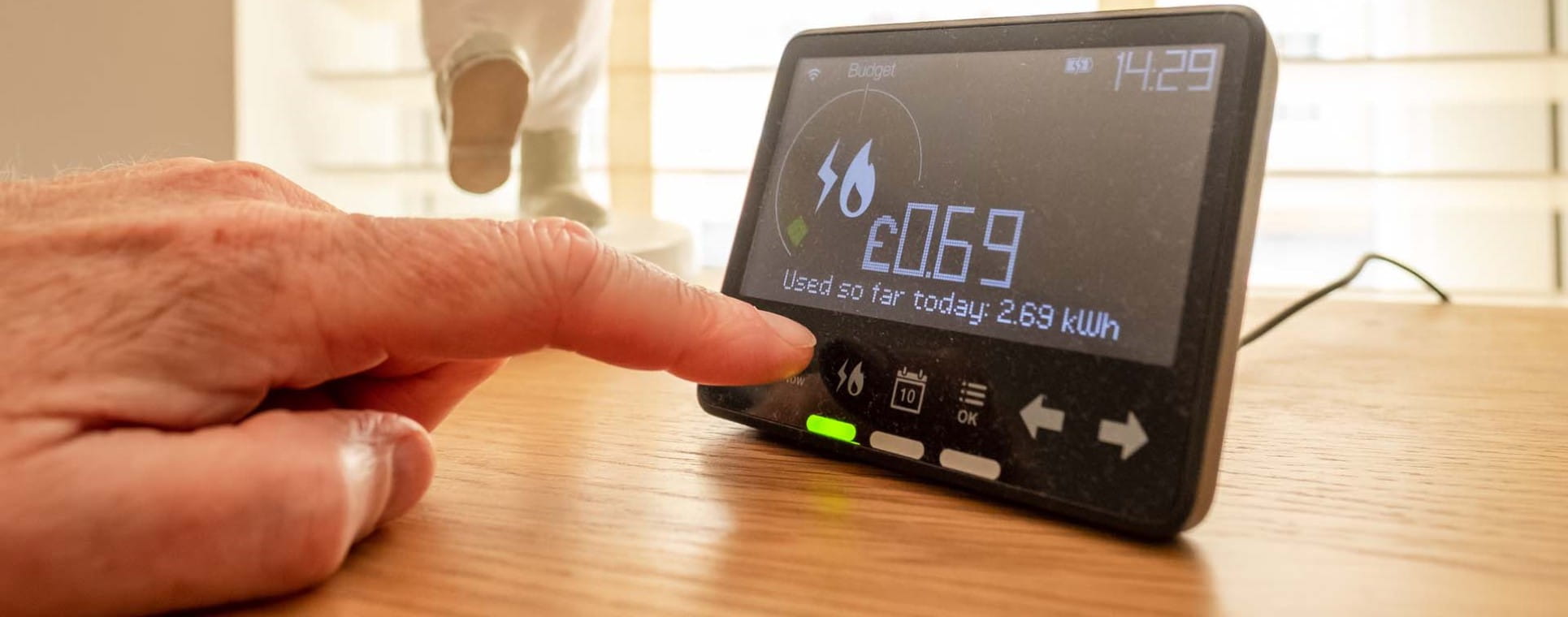
Under the current energy price cap, a typical household paying by Direct Debit would spend £1,723 a year on gas and electricity, which is why the phrase “heat the human, not the home” has never felt more relevant.
You could pile on every layer you own and end up resembling a cosy Michelin Man, but there’s an easier and cheaper solution: the humble hot water bottle.
Hot water bottles have been keeping us warm for at least 200 years, evolving from heavy metal and ceramic containers into the familiar rubber bottles we know today.
According to a recent Uswitch poll, 1.7 million UK households say they won’t turn their heating on at all this winter, with half of them relying on alternatives such as extra layers, hot water bottles and heated blankets to stay warm.
If ever there was a time to dig out a trusty hot water bottle, this is it. So, in the interest of keeping the nation warm, I tested eight to find the best for keeping you cosy this winter.
I measured each product’s temperature using an infrared thermometer at 30-minute intervals over a 90-minute period, taking readings at 30, 60 and 90 minutes to see how well it retained its heat.
I also considered how comfortable each was to use, how cosy it felt to snuggle up with and how easy it was to use in everyday life. I chose hot-water bottles at a range of price points to suit different budgets.
Before we get to the winners, a quick word on running costs, because this is where the hot water bottle really earns its place. Boiling a full 1.7-litre kettle takes around four minutes and costs roughly 5p to 6p, which is enough to fill most standard bottles.
Even if you refill yours every evening through the colder months, you’re looking at a few pounds for the whole winter.
This hot water bottle ticks pretty much all the boxes. The soft faux fur cover makes it wonderfully cosy, while the cable-knit design gives it a more stylish look than your average hot water bottle.
It does a good job of holding on to its heat, too. In our temperature test, it measured 46°C after 30 minutes and was still a respectable 40°C after an hour. The cover is also machine washable, which is handy if it becomes a regular fixture on the sofa or tucked under the duvet.
At just £10, it’s excellent value for something that’s both practical and pleasingly cosy.
If you’re looking for a hot water bottle that won’t cost the earth to run, the STOOV is worth considering. Rather than boiling a kettle, it uses a rechargeable battery and infrared technology to provide warmth directly. There are three temperature settings – 38°C, 45°C and 58°C – so you can choose how toasty you want to be.
In our test, it maintained a steady 45°C, which is a real plus if you prefer knowing exactly how warm your hot water bottle is rather than guessing.
There are other practical benefits, too. You don’t have to handle boiling water, so there’s no risk of accidentally scalding yourself while filling it, and there’s no need to replace a traditional rubber bottle.
The main drawback is the initial outlay, and there’s a little assembly involved. You’ll also need to remember to charge it, rather than simply filling it when you fancy a bit of warmth. The cover was lovely in rust red, although the felt fabric did attract quite a few dog hairs (my fault for having a husky!).
The biggest selling point for me though is how little it costs to run. A full charge uses around 0.0396kWh of electricity, costing approximately 0.87p at our assumed rate of 26.32p per kWh. That’s less than a penny for six to 10 hours of warmth, making it a particularly economical option if you use it regularly.
If you’re someone who likes to keep cosy while pottering around the house, this wearable hot water bottle could be just the thing. It wraps around your middle, providing warmth around your tummy or lower back (depending on how you wear it) while leaving your hands free to get on with things. It’s also a good option if you want to target a particular area rather than simply warm your feet in bed.
It performed well in our temperature test, measuring 44°C after 30 minutes and 38°C after 90 minutes.
There are a couple of niggles, though. While you can use it without wearing it, the Velcro fastening has a habit of catching on your clothes. The bottle itself is also smaller than a standard hot water bottle, so you don’t get quite as much coverage.
In traditional Chinese medicine, winter is associated with the kidneys, which are thought to store the body’s vital energy, or qi. This is why keeping warm, particularly around your lower back, abdomen and feet, is considered important during the colder months.
The idea is to conserve energy and protect the body’s warmth, rather than letting the cold get in.
Sometimes you don’t need anything fancy, and this basic hot water bottle does the job for less than the price of a coffee. At just £3.99, it’s easily the cheapest of our picks. It got very hot when first filled, so I’d be inclined to use it to pre-warm the bed or pop a towel around it for a little extra protection.
It scored well in our temperature test, too, reaching 56°C after 30 minutes. However, without a cover or towel to insulate it, the temperature dropped quite noticeably, falling to 48°C after an hour and 38°C after 90 minutes.
It’s not the prettiest or most luxurious option, but if you’re watching the pennies, it’s hard to argue with the price.
Who says your hot water bottle has to be boring? Piglet in Bed has a lovely range of covers in pretty prints and colours, so you can match yours to your bedroom décor – or even your pyjamas, if you’re anything like me.
I tested the Rhubarb & Rose Pembroke Stripe design (£35) and loved how it looked in my bedroom. The linen fabric also meant the heat came through more quickly than with some of the thicker covers I tried. You can mix and match designs to suit your mood, too.
Just remember, these are covers only, so you’ll need your own hot water bottle.
This is a hot water bottle with a touch of luxury. Made with natural lambswool, it’s beautifully soft, wonderfully cosy and looks more like a stylish bedroom accessory than something you’d normally tuck under your duvet. It also comes with a pillow insert, which makes it particularly comfortable to rest against and you can use it with or without the hot water bottle, so it’s not just for winter.
The thick lambswool cover does mean the warmth takes a little longer to come through. It measured 29.1°C after 30 minutes in our test, but the upside is that the wool helps retain the heat for longer, keeping the temperature more consistent.
There are a couple of practical drawbacks. Getting the bottle inside the cover can be a bit fiddly, particularly with the pillow insert in place, and the price puts it firmly in the luxury bracket. But if you’re after something that feels like a proper treat, rather than just a way to warm your toes, this is a lovely, very snuggly option.
If you like to get properly wrapped up warm in bed, this longer hot water bottle is a great option. It’s lovely to cuddle up to, and its generous length means you can stretch it across your body rather than just warming one spot. It also maintained a pretty consistent temperature throughout our test. It’s big enough to share, too – handy if you’re feeling generous (or fighting over the duvet!).
The downside is that it needs more water to fill and its long shape isn’t quite so practical if you just want something to rest on your lap.
If you’re a fan of the Lake District, sheep or just generally cute things, this little bottle is hard not to love. It’s small, so I wasn’t expecting much from it in our tests, but I actually found it surprisingly useful. Its size makes it perfect for resting on your lap while working from home or tucking behind your back when you’re sitting at your desk.
It provides a lovely bit of targeted warmth without being too bulky, and it’s cute enough to leave out on display, too. It didn’t retain its heat as well as some of the others we tested, but it would make a lovely little gift.
Lakeland StaySnug Grey Velvety Heated Throw, £44.99
If a hot water bottle isn’t quite enough to keep you cosy, a heated throw could be a better option. This one is lovely and soft, and provides warmth over a much larger area, making it ideal for snuggling up on the sofa or keeping warm in bed. It has nine heat settings and nine timer settings, so you can adjust it to suit you. It’s also relatively economical to run, with Lakeland estimating the cost at around 26p a day. It’s also machine washable, which is a useful bonus.
I tested it out on a night when I was curled up on the sofa and it kept me lovely and snug. The only downside was having to get up and walk around. Sadly, you can’t take it with you! I also found myself wishing it got a little hotter, although perhaps I’d become accustomed to the more concentrated warmth of a traditional hot water bottle.
It’s a good option if you’re trying to keep the central heating down, particularly when you’re sitting still for long periods. And with a two-metre power cable, you’ve got a reasonable amount of room to get comfortable.
Hot water bottles don’t last forever and an ageing rubber bottle can split or leak, potentially causing nasty burns. As a general rule, hot-water bottles should be replaced around every two years, or sooner if the manufacturer’s instructions recommend it or you spot signs of wear.
Look for a little flower-shaped stamp, usually near the neck of the bottle. This is a date code that tells you when it was made:
If the rubber feels brittle, looks cracked, has become stretched or is showing signs of wear, don’t take any chances, replace it. And remember, never fill a hot-water bottle with boiling water; follow the manufacturer’s filling instructions.
Jayne cut her online journalism teeth in an era when a dialling tone and slow page load were standard. During this time, she’s written about a variety of subjects and is just at home road-testing TVs as she is interviewing TV stars. A diverse career has seen Jayne launch websites for popular magazines, collaborate with top brands, write regularly for major publications including Woman&Home, Yahoo! and The Daily Telegraph, create a podcast, and also write a tech column for Women’s Own.
View author page
Whether you're looking for straightforward insurance or cover that's packed with extras, our home insurance has plenty of options for people over 50.
Your chance to win cruise for two to Cádiz, Casablanca and the Canary Islands, worth more than £9,600.
Staying warm is important to protect our health. Here's how to achieve it without bumping up your energy bills.