How to heatwave-proof your home: 8 upgrades worth considering
From insulation and ventilation to awnings and window film, renovation experts explain which home improvements can make a real difference during heatwaves.
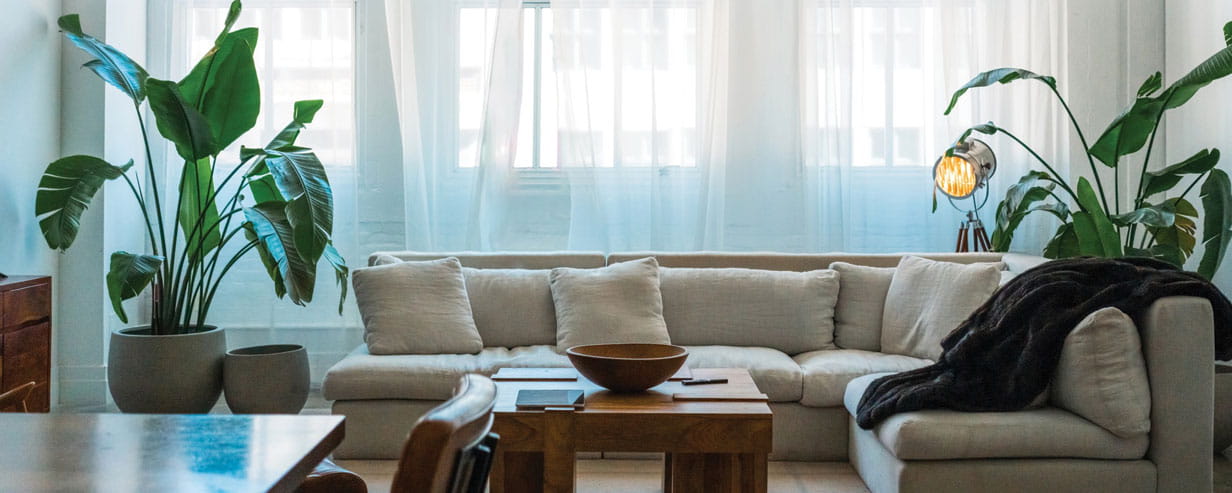
Heatwaves used to be a sweaty novelty. Now they’re a fixture. While most of our homes aren’t designed for extreme heat, there are ways to make them more comfortable.
“Lots of the most effective retrofit measures create a thermal barrier to stop heat getting into your home,” says Ellora Coupe, renovation expert and founder of Her Own Space, a platform for women retrofitting their homes.
“As well as keeping your home cool in summer, they will keep it warm in winter.”
We asked two experts which improvements are the most effective.
You don't need to do everything at once. Some measures cost only a few pounds, while others involve major renovation work, but together they can make a significant difference.
“People usually think insulation is just a way to stop heat leaving their home, but it also stops heat entering,” says chartered architect Peregrine Mears.
Without insulation, heat from outside radiates straight into a house. Insulation slows the transfer of heat. Experts call this decrement delay or thermal lag.
Loft insulation tends to be the cheapest and easiest method, says Mears. Upgrading walls and floors is more expensive.
Coupe recommends using biogenic materials such as wood fibre or hemp. Biogenic materials are plant- or animal-based. They are breathable and vapour permeable. “You want materials that manage humidity as well as temperature,” she says.
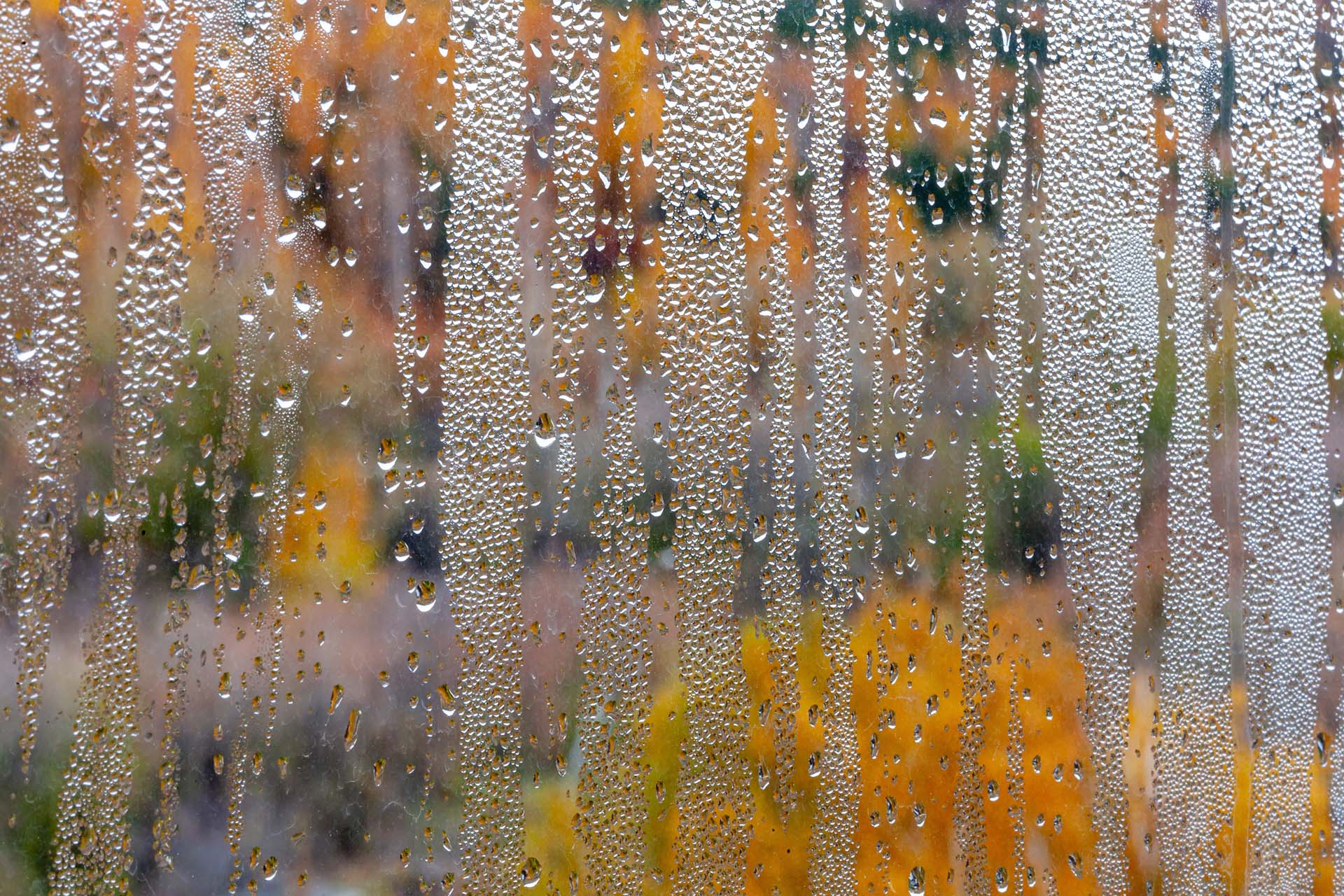
Synthetic materials, such as PIR (a type of foam), are vapour resistant. If they’re put in incorrectly or added to older buildings with breathable solid walls, they can trap moisture, leading to condensation, timber rot and mould.
“Triple glazing is much better than single glazing if you want to stop your home overheating,” says Coupe. Multiple layers of glass slow the transfer of heat. Some manufacturers say their double glazing is similar to triple glazing – check the specifications.
If you live in a conservation area, you might need to get the local council to sign off your plan. Approval is generally granted if you keep the profile of your window, says Coupe.
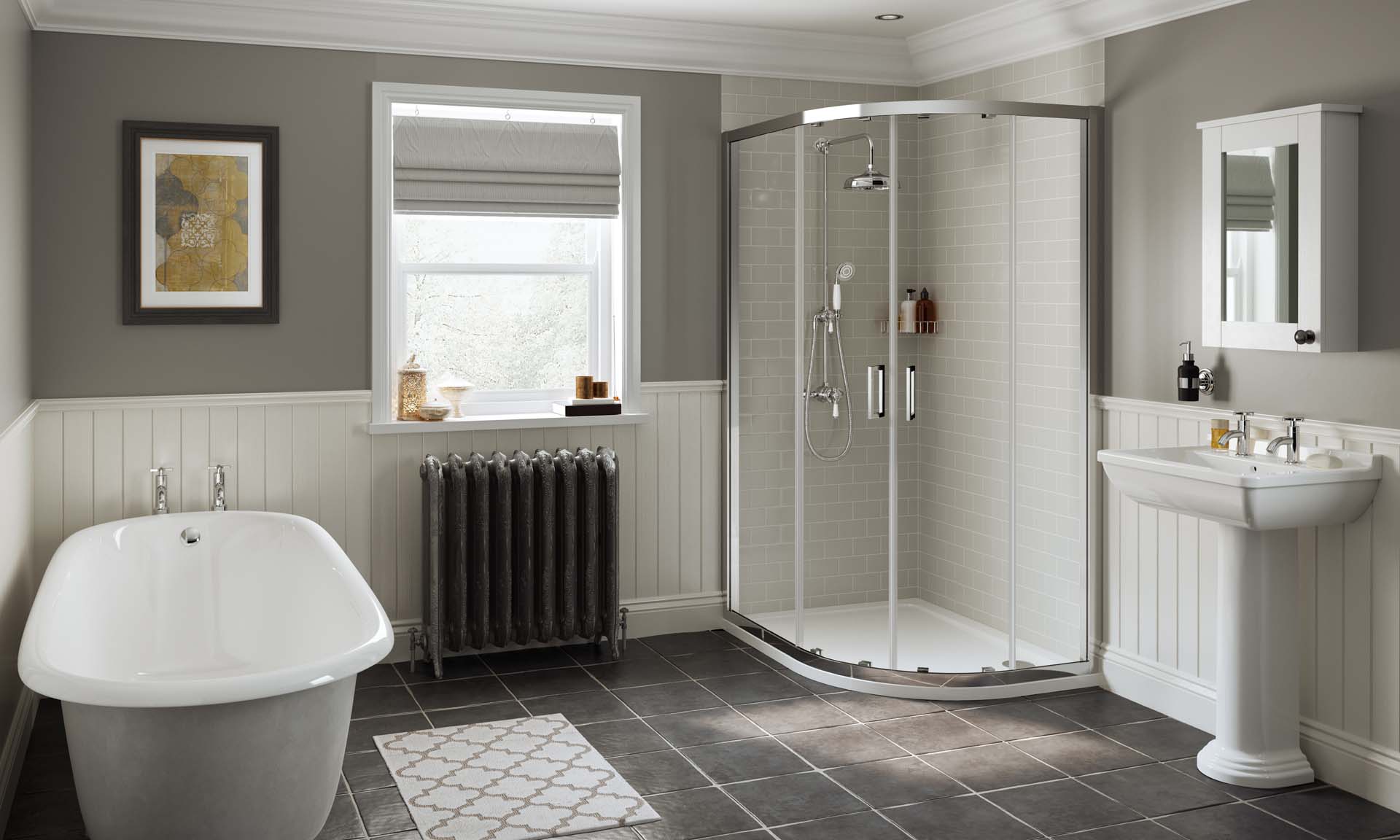
“Stone or ceramic tiled floors feel cooler underfoot,” says Mears. This is because their high thermal conductivity pulls heat from your skin fast. Avoid vinyl, which can warp and fade in the heat.
If you live in a flat, check your lease. Some prohibit hard floors because of noise. Acoustic underlay can help.
The colour of a wall can have a psychological effect on whether you feel hot or cold, but unless the wall receives direct sunlight it won’t change the temperature,” says Mears. If the wall does get direct sunlight, darker colours absorb more heat than lighter ones, so the room will be hotter.
"The composition of the paint matters more than the colour,” says Coupe. She recommends mineral-based paints, such as Graphenstone and Keim, for interior and exterior walls. These are porous. Moisture can move through them and escape. Acrylic paint seals your walls, trapping moisture behind a plastic film.
“Any external shading is far more effective than inside shading, such as blinds or curtains, because you’re stopping the heat before it comes into the home,” says Coupe.
“Pull-out or roller awnings are a relatively inexpensive way of creating shade to glazed openings,” says Mears. For something more substantial, look into a brise soleil (a fixed horizontal shading structure) or a pergola.
If you live in an upper-floor flat and have sash windows, consider a detachable external shade from Shaded, says Coupe. These come in different sizes and you can fit them yourself.
PRO: Stops heat getting near your home.
CON: A brise soleil can be expensive. Awnings need maintenance and winter storage.
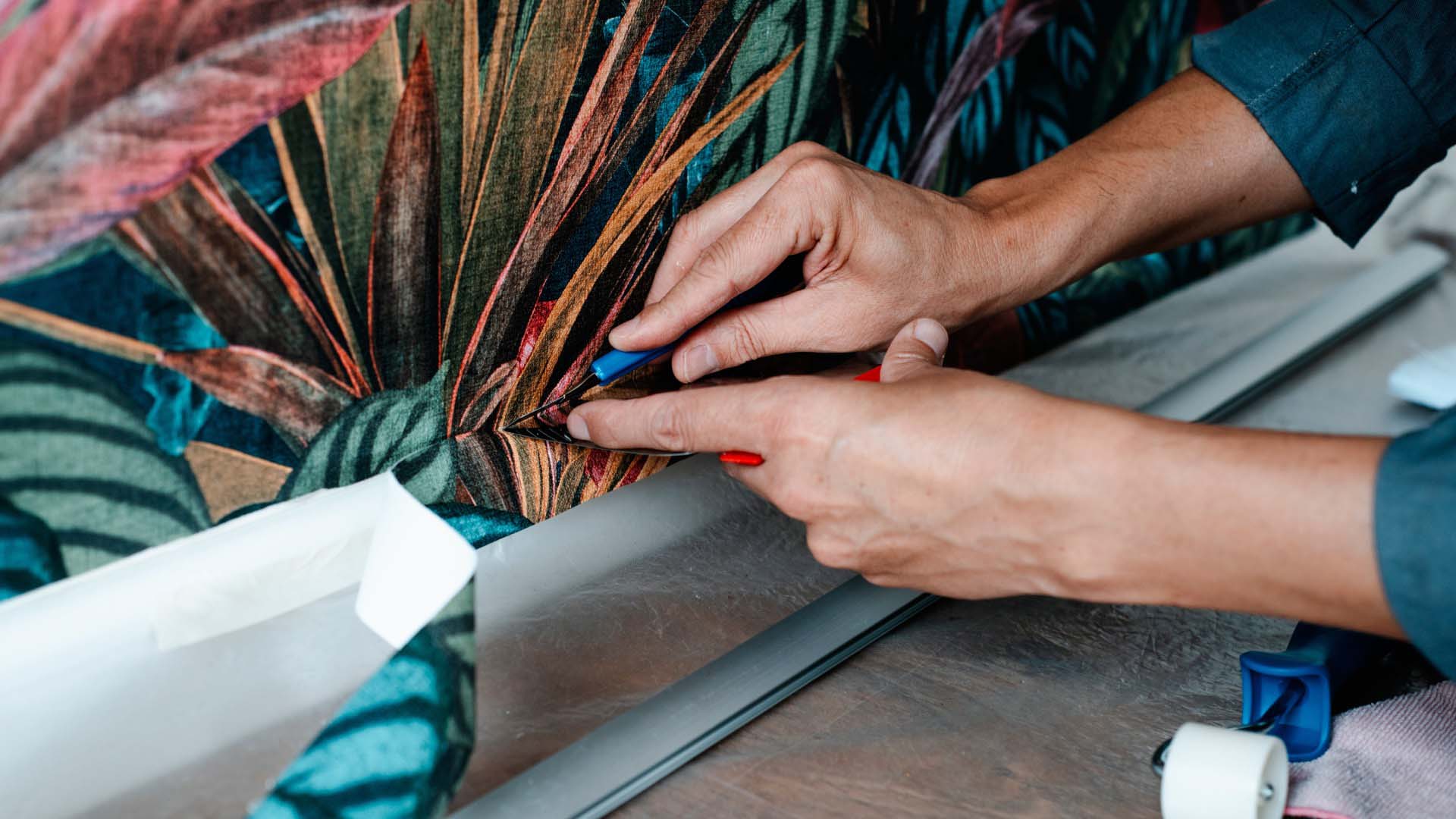
Attaching solar control film onto the inside of existing glass reduces the amount of solar radiation passing through, says Mears. Some are a bit like sunglasses and add a tint to the window. Others are reflective. The Window Film Company offers a good range.
“This can have a significant effect, particularly on older properties where you’ve got very thin glass that doesn’t provide much protection,” says Mears.
PRO: Relatively cheap (£30 to £50 a square metre). Lasts up to 10 years.
CON: It’s fiddly for small panes, such as ones that make up big Georgian windows.
Humid air is especially uncomfortable. “Changing your cooker hood or improving your extractor fan in your kitchen or bathroom can significantly reduce moisture in your home,” says Coupe. The average cooker hood runs at 300-500 m³/h, while the most powerful ones reach 700-900 m³/h.
For a more comprehensive fix, consider MVHR (Mechanical Ventilation with Heat Recovery): a suitcase-sized unit that circulates fresh, filtered air throughout the home. MVHR recovers heat from outgoing air and transfers it to incoming fresh air. If you’re getting MVHR to heatwave-proof your home, you need one with an active cooling system. Established manufacturers include Zehnder.
“Standalone units are relatively inexpensive to buy but use a lot of electricity,” says Mears.
The smarter approach is to pair any cooling system with solar panels. “The time you’ll want the electricity is when you’ll be getting more solar energy,” says Coupe.
Before taking any measures, get a retrofit assessment, says Coupe. This is a whole-house plan covering ventilation, insulation and energy use. It costs around £500. A combination of measures will be more effective than one in isolation. Focusing on one room could have unintended consequences elsewhere.
Certified retrofit coordinators must be registered with TrustMark. For assessments incorporating biogenic materials, Coupe recommends Retrofitworks and Cosy Homes London.
Check if you’re eligible for a free assessment under the Warm Homes: Local Grant scheme.
Sarah Schütte, a solicitor-advocate, offers legal advice.
Laura Silverman is a freelance journalist. She has chased news leads for the Sun, written arts reviews for The Times, interviewed politicians for Country Living and edited features for the Telegraph. She has also written books about wild swimming and Mary Shelley.
View author page
Whether you're looking for straightforward insurance or cover that's packed with extras, our home insurance has plenty of options for people over 50.
Your chance to win a 7-night cruise for two on board Spirit of the Rhine, worth more than £4,000.
Taking on easy DIY projects is a great way to pass a weekend.