How to cope when you find yourself alone in your 60s, 70s and 80s
A life coach shares her practical tips on how to find your feet again and adjust to living alone in later life.

A life coach shares her practical tips on how to find your feet again and adjust to living alone in later life.
Finding yourself alone later in life can feel very different to being alone at any other stage.
It might be something you expected, or it may have come completely out of the blue. Retirement, bereavement, children moving away, changes in health or routine – all of these can shift the shape of your days, and suddenly life can feel a little quieter than you’re used to.
For some, that quiet can feel peaceful, but for many, it can also feel unfamiliar, unsettling and quite lonely at times.
The important thing is this: if you are finding it hard, there is nothing wrong with you.
You are adjusting to change and, like any change, it takes time, awareness and a few practical steps to find your feet again.
One of the most helpful places to begin is simply being honest about what feels different.
It’s not just about being physically alone, it’s often about the loss of structure, shared routines, or having someone there to talk things through with.
Rather than brushing that aside, it helps to recognise it.
Ask yourself:
This isn’t about dwelling on what’s gone, but about understanding what you might need more of moving forward – whether that’s conversation, routine or simply feeling connected to something.

One of the biggest shifts people notice is the loss of routine.
Without work, family at home or regular commitments, days can start to blur into one another. When that happens, it’s very easy to feel a bit adrift.
You don’t need a packed schedule, but a gentle structure can make a real difference.
Think in terms of small anchors in your day:
It’s not about being busy, it’s about giving your day some shape so that it feels more manageable and purposeful.
When people feel alone, there can be a tendency to think they need to build a whole new social life. That can feel overwhelming and often stops people from doing anything at all.
In reality, connection doesn’t need to be big or complicated.
A short chat with a neighbour, a weekly phone call, a regular coffee with one person – these small, consistent moments of contact often matter far more than occasional big plans.
If reaching out feels difficult, keep it simple and specific: “Would you like to meet for a coffee on Thursday?”
Most people appreciate being asked; they’re often just waiting for someone else to suggest it.

This is one of the biggest sticking points.
Many people worry about bothering others, or feel that they shouldn’t have to be the one making the effort, but the reality is that a lot of people are thinking the same thing.
When everyone is waiting, nothing changes.
Taking that first step, whether it's sending a message, making a suggestion or starting a conversation, can feel uncomfortable, but it’s often what gets things moving again.
It doesn’t need to be a big gesture. Just something small and genuine.
Friendships in later life don’t always look the same as they used to.
People’s circumstances, energy levels, finances and responsibilities can all be different. That doesn’t mean the connection has gone, it may just need to be approached differently.
Shorter meetups, more flexible plans, or less frequent contact can still hold real value.
Letting go of how things “used to be” can create space for something that works now.
When you’re alone more often, it’s not just company that’s missing, it’s often a sense of purpose.
Having something that gives your day meaning, however small, can make a big difference to how you feel.
This doesn’t have to be anything dramatic:
The key is choosing something that feels manageable and realistic for you, not something you feel you should do.

If you’re spending more time at home, your environment matters.
Small changes can help your space feel more comfortable and supportive:
It’s not about a big overhaul, just making everyday life feel a little easier and more pleasant.
There’s a big difference between being alone and feeling lonely.
Over time, some people find that being alone can also offer space – space to think, to rest, to do things at their own pace.
That doesn’t replace connection, but it can change the way you experience your time.
It’s OK for this to feel uncomfortable at first. It’s a shift, but it’s also something that gets easier with time.
If you find yourself alone in your 60s, 70s or 80s, it doesn’t mean you’ve missed your chance for connection, routine or enjoyment. Life may look different but different doesn’t mean less.
What helps most isn’t trying to change everything at once. It’s making small, practical adjustments that bring a bit more structure, a bit more connection and a bit more ease into your everyday life. It often starts with one simple step.
Silver Line run by Age UK is a free confidential telephone support service for older people, providing friendship and conversation.
Befriending Networks has a directory of organisations providing in person, telephone and online services.
Cruse Bereavement Support has a helpline and local support services.
If you love walking the Ramblers has a network of groups across the UK.
U3A is one of the largest membership organisations in the UK to find fun in retirement.
[Hero image credit: Getty]



Our online matching service brings you closer to like-minded people on a site you can trust. Create your free profile today

Some Saga holidays include soothing or spiritual activities like joining a traditional tea ceremony in Japan, practising yoga in India or bathing in Iceland’s Blue Lagoon.
.jpg?la=en&h=549&w=823&hash=85077D343B0A5A78958C76A24A1B44E8)


Deborah Chambers was left feeling shaken and low by her midlife divorce. One day she embraced her silver hair - and a new world of opportunities opened up.
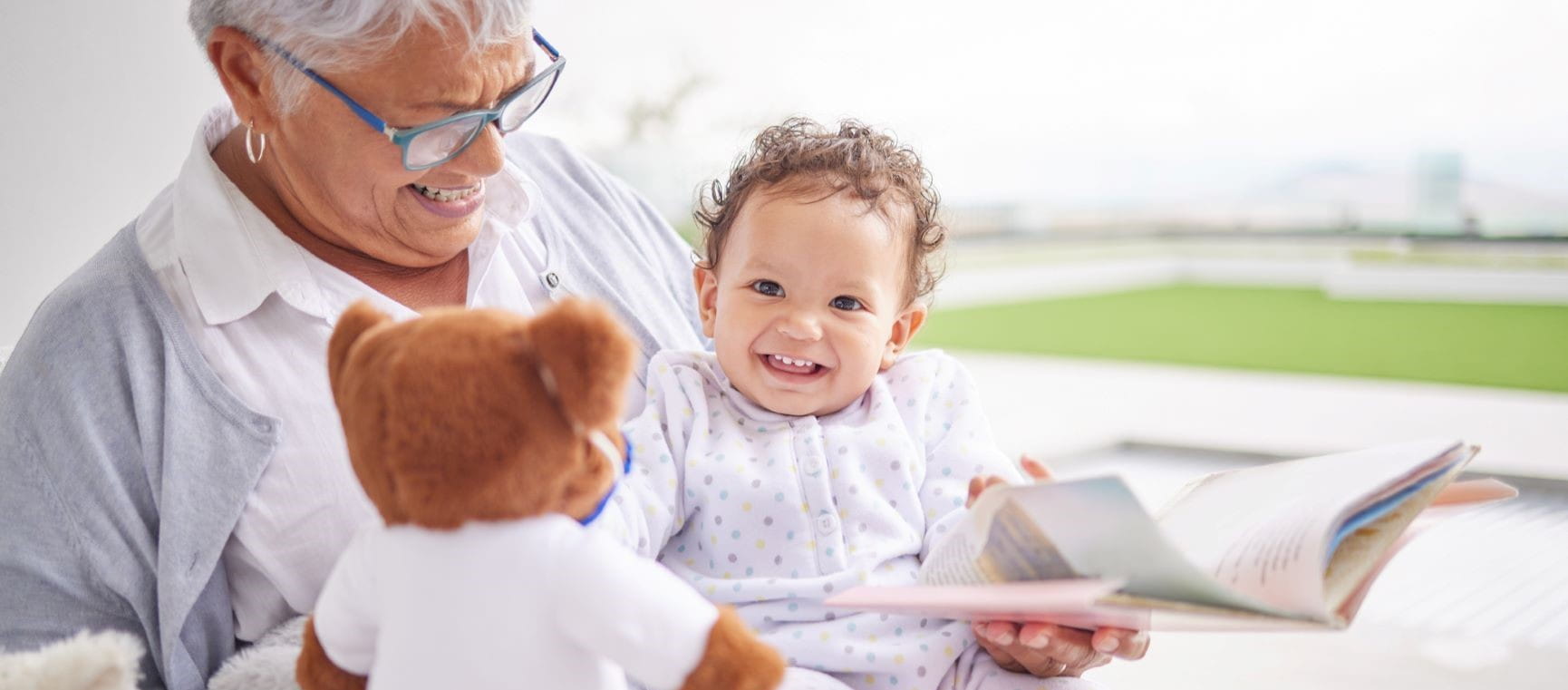
The joy of a first grandchild can also create new challenges. We've got the best advice on how to navigate becoming a first-time grandparent.
Dr Miriam Stoppard tells a woman whose new relationship lacks physical fire to allow time for the spark to build up into a blaze.
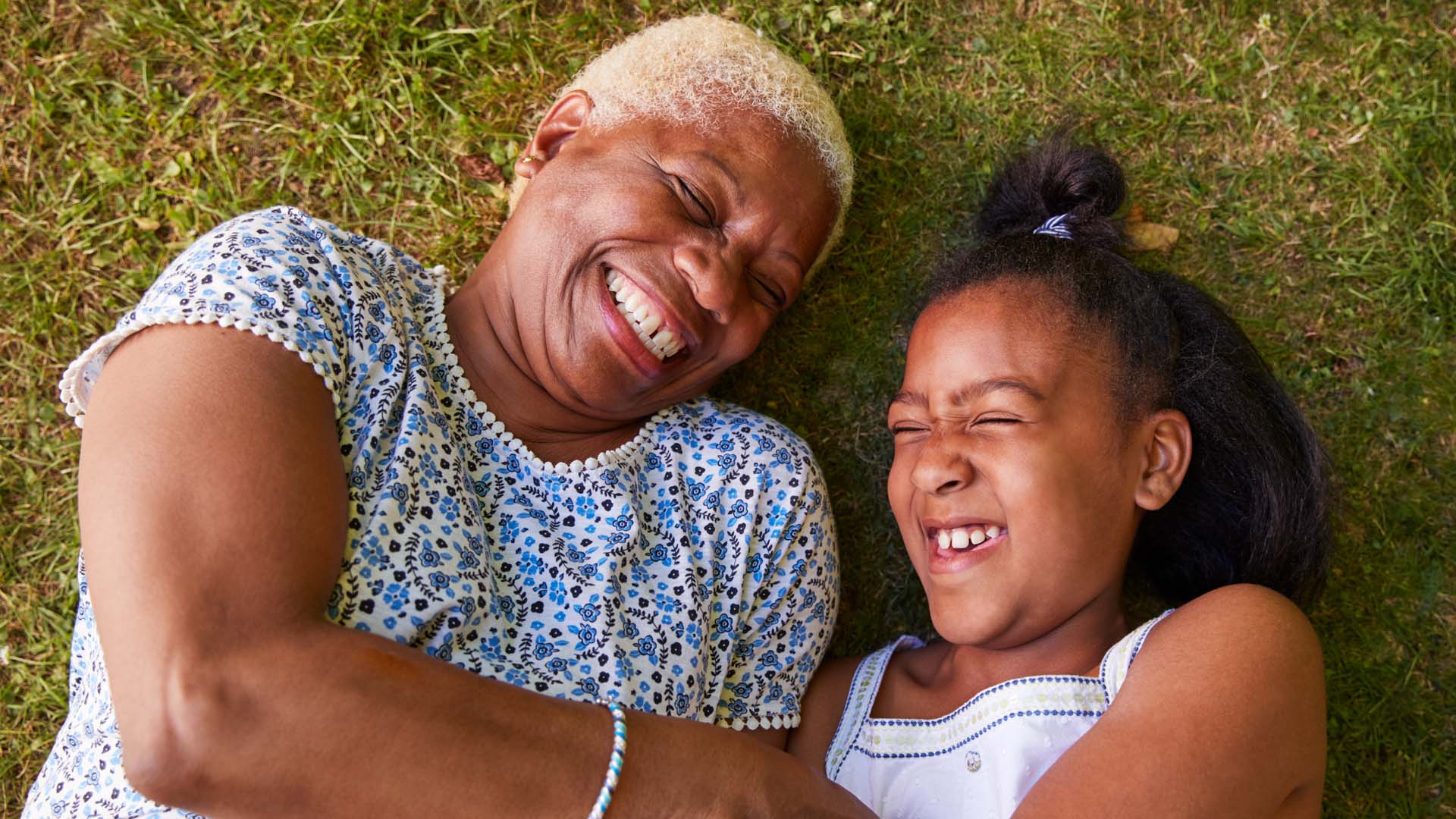
The power of age gap friendships - we share the benefits and how to make them.
.jpg?la=en&h=576&w=823&hash=4516D8557DC47B1E21444166FFB91605)

As a growing movement tries to address the fact that one in five men say they have no close friends, we explore the roots of male loneliness and find out what we can all do to help.

.jpg)