Pea, ginger and coriander soup
Diana Henry's pea soup recipe is full of the warming flavours of fresh root ginger and coriander.

This pea soup recipe couldn’t be easier, especially because the peas take next to no cooking, but you can do the same thing with sweetcorn and with cubes of pumpkin or carrot (the same flavours work with those).
Even soups that seem hearty – don’t have to have taken an afternoon to make. Really, soups can provide almost instant warmth and sustenance.
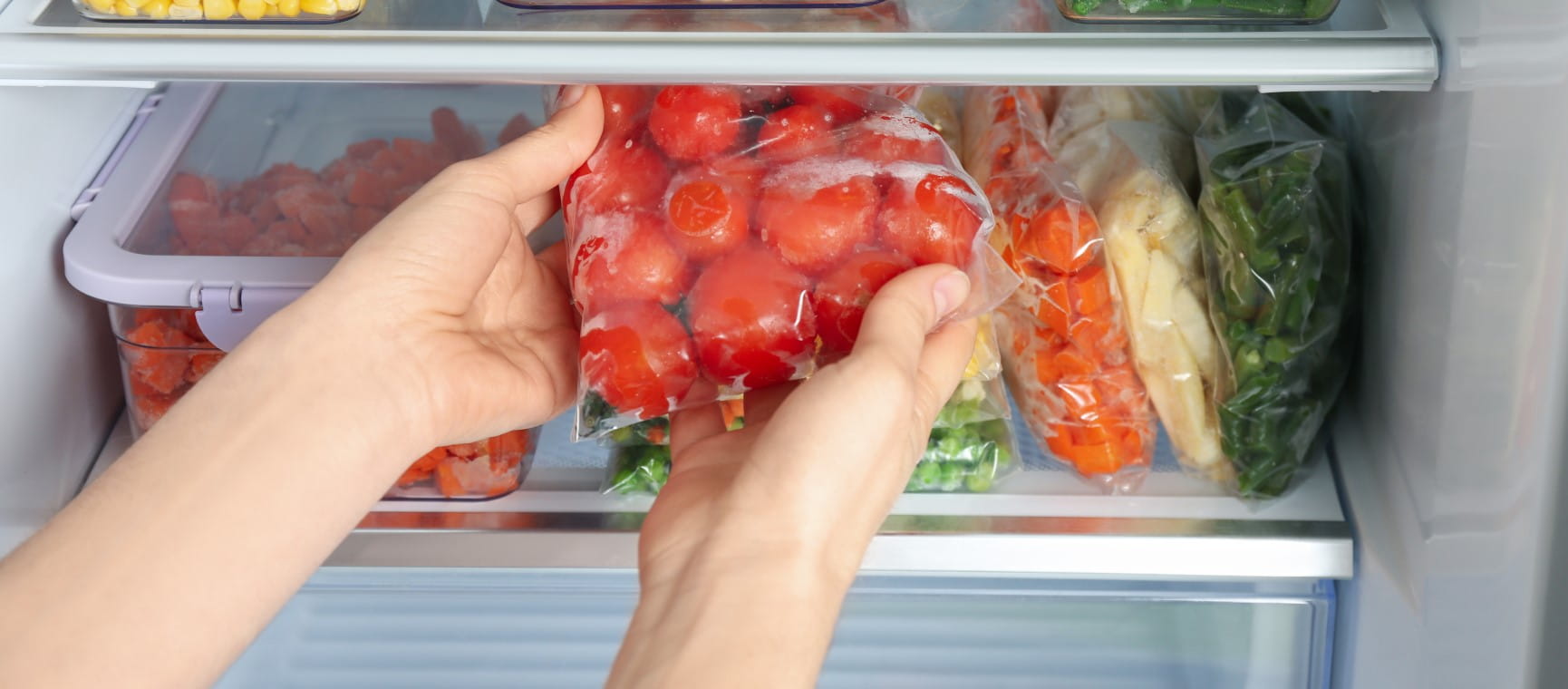
If you're cooking for two it’s still worth making the full quantity. Have it the next day or freeze it. It’s extraordinary what you can turn frozen peas into.
If you don’t like coriander try basil instead, and add some chopped lemon grass to the onion mixture. A drop of chilli sauce, dotted on top along with the cream, is lovely too.
Soup is essentially about melding flavours, bringing them into a whole. That’s true of all dishes, of course, but particularly of soup.
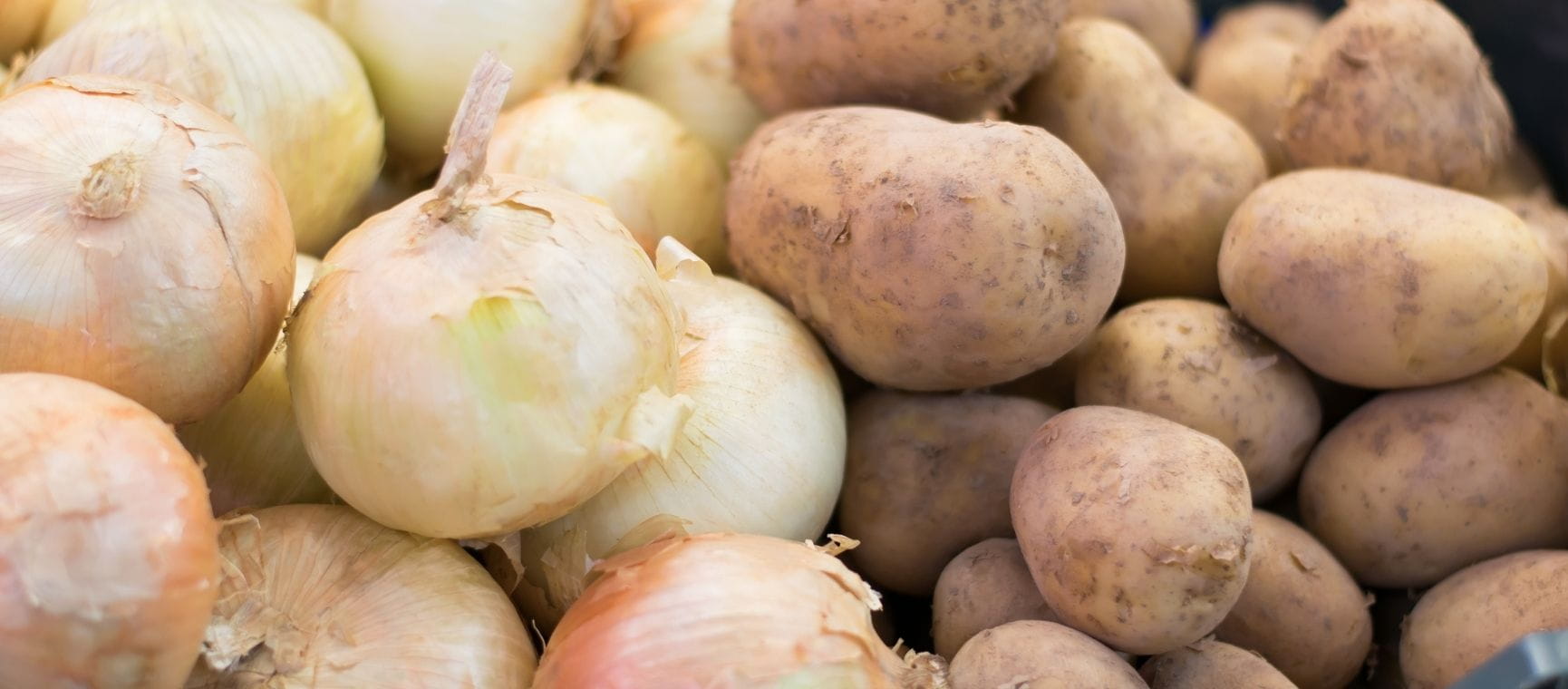
One of the ways to achieve this is to sweat the vegetables. It doesn’t have to take long. Just put the base vegetables – which can be as simple as onion and some potato or leek – into a pan with warm butter or olive oil.
Sauté over a gentle heat, turning the vegetables over in the fat, then add a splash of water (about two tablespoons), turn the heat right down and cover the pan. You can now cook the mixture for anything from ten to 30 minutes, depending on how much time you have (add a splash of water every so often).
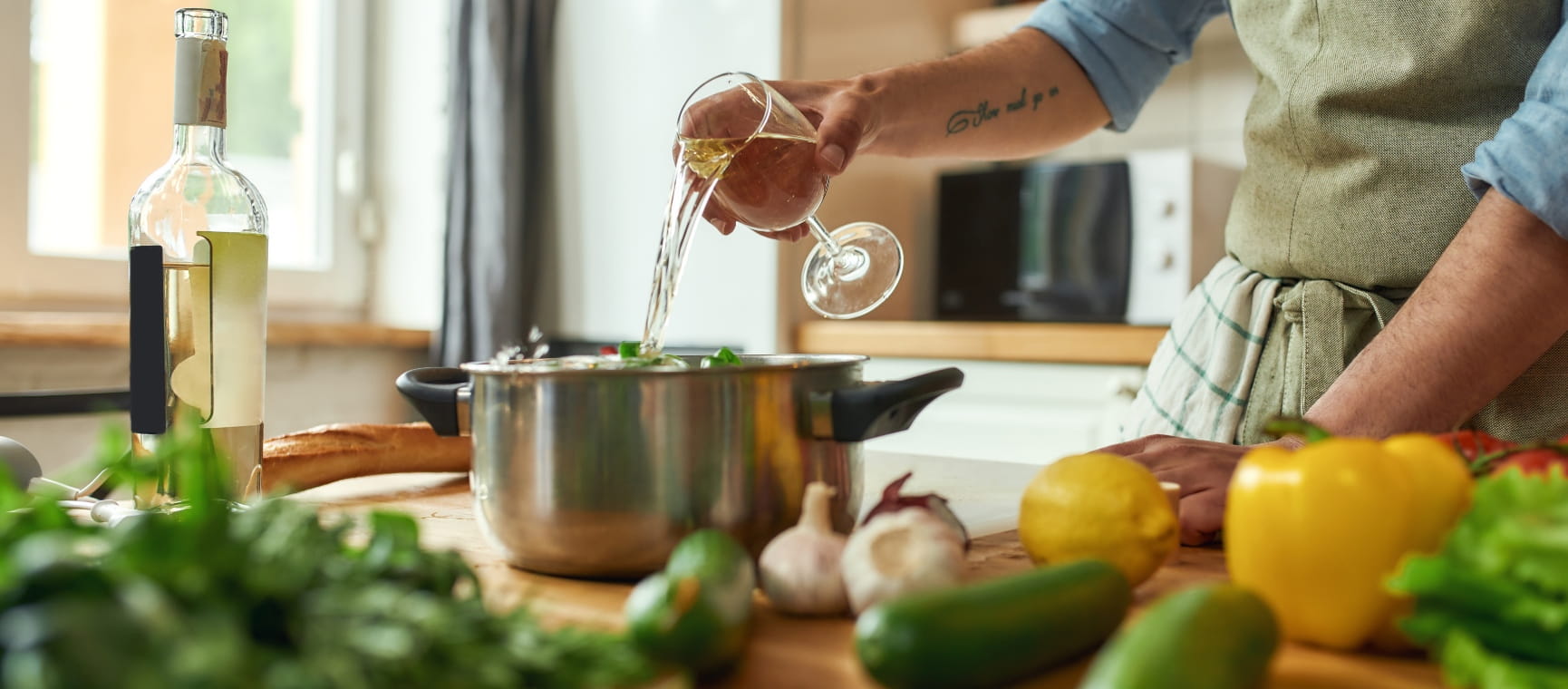
The slow cooking draws out the sweetness in the vegetables and ensures that even the simplest soup has a good flavour. Seasoning is key, too, and a squeeze of lemon can also help bring disparate flavours together.
It’s easy to think of soup as a demanding affair. It conjures up images – and smells – of slowly simmering vats of stock, pot barley that takes an age to soften, and lots of chopping.
I used to feel that a soup wasn’t worthy of the name if it wasn’t entirely home made. But now I often make soup without starting off with a pile of bones. There are plenty of fresh stocks on the market and, though they don’t have the deep flavour of homemade stock, they’re perfectly good. I also – the confessions are coming thick and fast – use bottled stock concentrate.
At one time I wouldn’t have dreamt of this, but being so purist meant that I sometimes didn’t make soup even when I wanted to. It’s partly to do with my thinking about vegetables and health. How can you get some of your ‘five a day’ in an easy, warming, fairly low-calorie way? Soup. And there’s nothing superior about making it from scratch.
When it comes to commercial stocks I buy Waitrose fresh stock, and TRUEfoods as well (the latter is not a lot more expensive and it has a better flavour). In concentrated form Knorr’s Touch of Taste is good (and excellent for beefing up the flavour of fresh bought stock).
(Hero image credit: Shutterstock)
Diana Henry is one of the UK’s best-loved food writers.
She has published 12 recipe books, writes for the Sunday Telegraph, Waitrose Weekend and other national publications and has a series of popular food podcasts.
Find out about Saga's gastronomy holidays here...
They say the way to the heart is through the stomach, and Saga’s thoughtfully crafted food and wine holidays are perfect if you like trying new flavours and exploring traditional methods of cooking.
Skip the queues this Christmas with high quality wines delivered direct to your door. Save £89 on your first case and receive a free bottle of champagne
Italian chef Aldo Zilli’s heart-healthy chicken kiev recipe tastes incredible
Make the most of an autumn harvest with Jamie Oliver’s simple but delicious air fryer pear and blackberry crumble.
Mary Berry’s recipe for fruit scones, plus her tips for making the best scones.
The celebrity chef shares his recipe for red prawns on a bed of white beans and vegetables.
The best ways to boil an egg, which may surprise you, and the egg-boiling mistakes to avoid.