6 bird-feeding mistakes you’re probably making
As the RSPB and RHS issue new advice to feed birds seasonally and safely, the experts explain the best ways to look after our feathered friends.
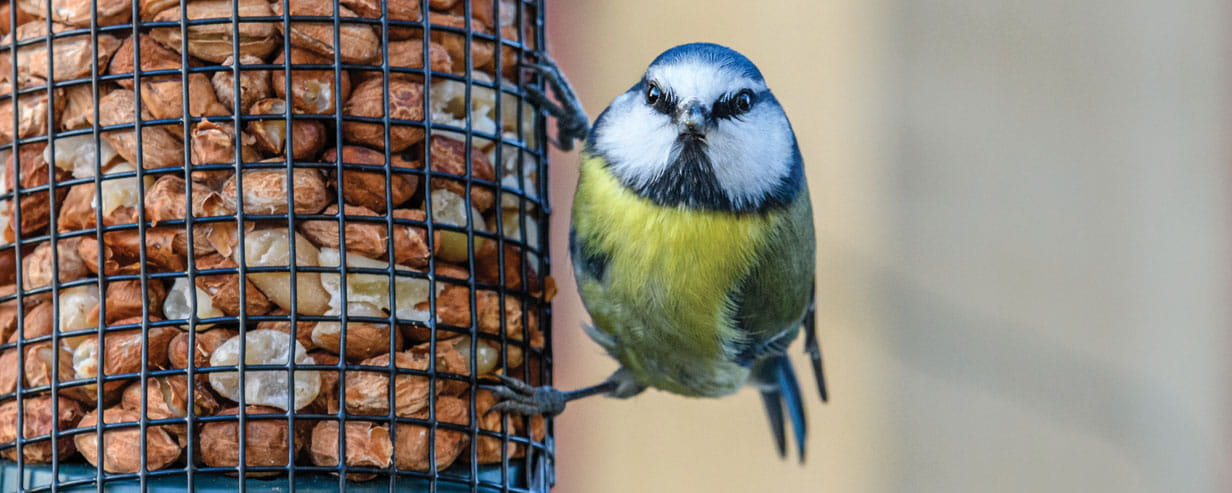
As the RSPB and RHS issue new advice to feed birds seasonally and safely, the experts explain the best ways to look after our feathered friends.
There are many ways we can attract wildlife to our outside spaces, from not mowing our lawns as much, to growing butterfly-friendly plants.
But when it comes to our feathered friends, sometimes our best intentions can accidentally lead to bird-feeding mistakes – from using the wrong food to not cleaning their feeders.
The Royal Horticultural Society and RSPB have issued new guidance on bird feeding during summer and autumn. They advise against offering supplementary seed mixes and peanuts from May to October because that’s when the risk of spreading disease via bird feeders is at its highest.
The advice was issued to stop spread of spread of a highly contagious parasitic disease called trichomonosis and while small amounts of suet, mealworms and fatballs are recommended in the summer the most important thing is to keep bird feeders and the area around them clean.
The best shrubs to tempt wildlife into your garden
The RSPB’s latest guidance is to “feed safely and seasonally”.
Wildlife educator and consultant Kate McRae, better known as WildlifeKate, tells Saga: “We love feeding our birds. Thousands of people enjoy it and that connection to nature is very good for our mental wellbeing.
“The RSPB’s message is to feed safely and feed seasonally. Some feeders have been a real hive of disease and unless you’re willing to be diligent with hygiene, you shouldn’t be feeding the birds.”
We’ve spoken to experts to reveal the common bird-feeding mistakes you’re probably making. But there’s good news: there are simple ways you can make your garden a safer place for birds. We’ll tell you how.
Dirty feeders cause disease to spread.
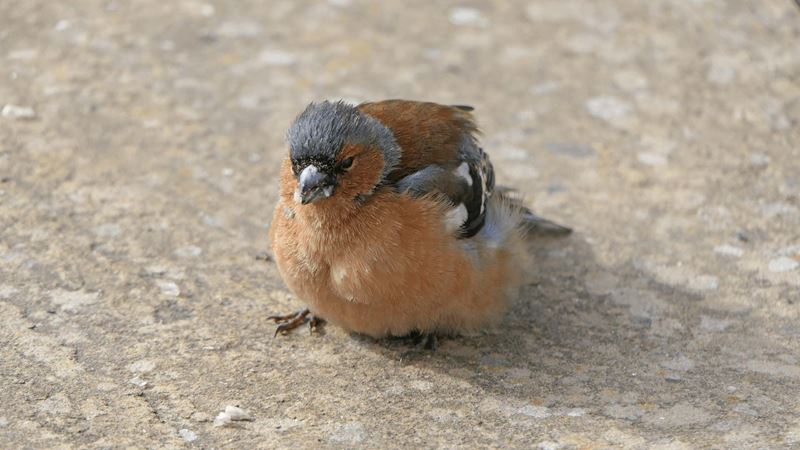
The RSPB has issued new advice after a scientific review showed that trichomonosis was spreading through bird feeding. Birds badly affected by it, such as greenfinches and chaffinches, are in decline as a result.
But there are things we can do to combat it. WildlifeKate says the first step is to use the correct bird feeder – and that means one that’s easy to keep clean. Wood is not a good choice as it’s tricky to clean and you need to pay attention to every part of the feeder.
“Don’t buy any feeders that don't come apart for easy cleaning,” she says. “Food gathers in the base, everything gets wet and you get seed sprouting in there. Wet, soggy food is a harbour of disease, so your feeder needs to keep the food dry.”
Dr Emily Attlee, conservation scientist and co-founder of Seedball, tells Saga: “Hygiene is just as important as feeder choice. Flat tray feeders and bird tables may seem convenient, but they can quickly become contaminated if not cleaned regularly and thoroughly.
“Shared feeding surfaces increase the risk of disease transmission between birds, including illnesses such as trichomonosis, which has had a serious impact on finch populations in the UK in recent years. Keeping feeders clean, well-maintained, and species-appropriate is one of the most effective ways to support garden bird health.”
You wouldn’t want to eat off a dirty plate, so apply the same principle to your bird feeders. Helen Moffat of the RSPB advises people to clean bird feeders regularly. “Use a mild anti-bacterial cleaner, such as washing-up liquid, and nothing as harsh as bleach-based products,” she explains. “There are some purpose-made cleaners out there too. Save cleaning equipment to use just for this job and do it outside where possible – anything you can do to make the process as hygienic as possible.”
WildlifeKate maintains a strict hygiene routine with her own feeders. “I wipe all the ports and all the perches every day,” she says. “And then, at least every week, I take all my feeders completely apart, and I clean them all thoroughly.”
Not sure what a bird sick with trichomonosis looks like? The RSPB says that signs may include fluffed-up plumage, laboured breathing and lethargy (the bird might not fly away if you approach, for example).
Birds with trichomonosis might also regurgitate food and have difficulty swallowing. They may have a swollen throat or stretch their necks in discomfort. The RSPB says finches may have matted, wet plumage around the face and beak, and uneaten food in and around the beak. Visit the RSPB website for further information if you’re concerned.
Little and often is best.
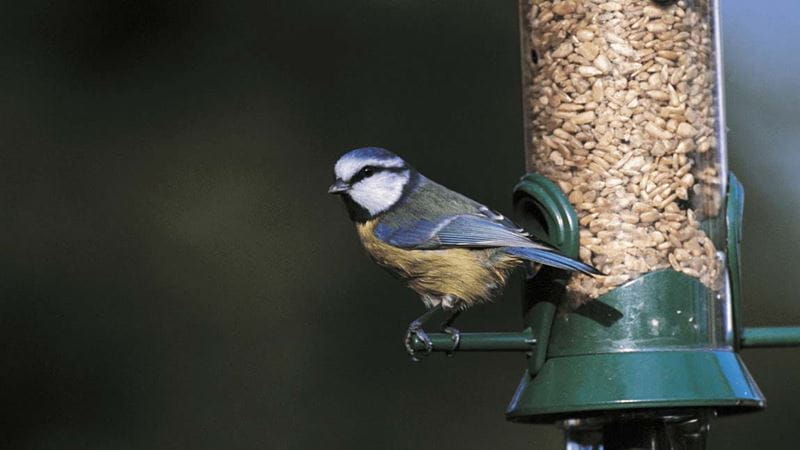
Another way to reduce the risk of bird disease spreading is eliminating the build-up of food waste. The RSPB advises offering small amounts of mealworms, suet and fatballs over the summer season, but even in the winter, when birds need more food, don’t be tempted to overdo it.
“It’s better to put food out little and often,” says Helen Moffat from the RSPB. “The issue around overfilling is that food can go off, particularly in hot or wet weather. You don’t want to put out vast amounts unless you know your garden birds are going to eat it all fairly quickly.
“When birds need lots of energy for nest-building and then to feed broods, you might find that your feeders are emptying almost as quickly as you can fill them, in which case, fill them right up.”
She adds that if you are just starting to put food out, birds can take a while to find new sources, so put out smaller amounts until you find the right level that works. It’s also wise not to leave food out overnight, as this can also attract rodents to your garden.
How no-dig gardening can boost your blooms
The RSPB advises seasonal feeding.
1 May to 31 October
Don’t fill your bird feeder with seeds or peanuts. Offer small amounts of mealworms, fatballs or suet.
1 November to 30 April
Offer a full range of bird foods, including seeds and peanuts. Make sure they are in a rigid mesh feeder, as large pieces of nut can choke baby birds.
If you're going to feed peanuts, make sure they are in a rigid mesh feeder, as large pieces of nut can choke baby birds. Avoid putting fat out in the summer months, as fatty foods can go off in summer and birds don’t need high energy food as much when it’s warmer.
Bread can lead to malnutrition.
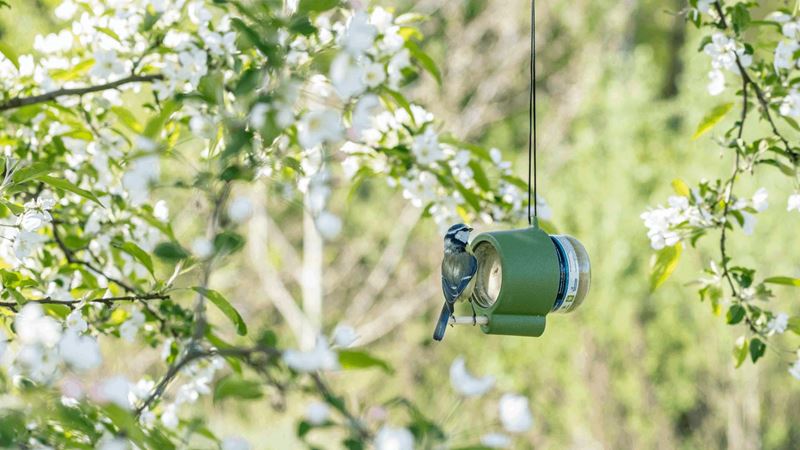
We’ve probably all been there. Rather than throwing stale bread away, we’ve broken it up and thrown it out for the birds. But regularly feeding bread to birds can lead to problems for them.
“Although it might seem kind to offer birds leftover bread, it actually provides very little nutritional benefit,” says Attlee. “Bread is essentially ‘empty calories’ for birds – it fills them up without delivering the fats, proteins, and micronutrients they need to stay healthy. If birds rely too heavily on it, it can reduce their appetite for natural foods and lead to malnutrition over time.”
In fact, feeding bread is far from kind as it can be particularly problematic for younger birds. “Bread can also swell in the stomach once eaten and may contribute to digestive issues, particularly in younger or weaker birds,” says Atlee. “It also encourages unnatural feeding behaviours, especially in urban areas where birds become dependent on low-quality human food rather than foraging as they normally would.”
The RHS recommends plants as the primary food source for summer months, including:
A bird bath is important for their feathers.
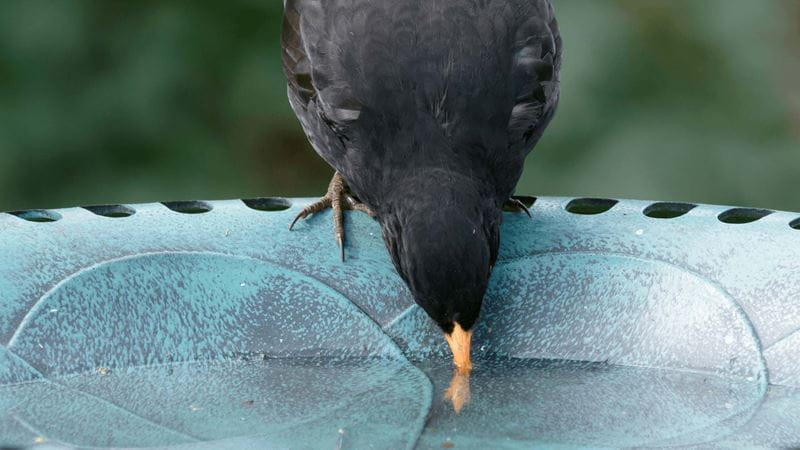
Watching birds splash about in a bird bath will bring joy to just about anyone. Bathing regularly helps birds to keep their feathers clean so they can keep flying properly. But only offer a bird bath if you can change the water every day to keep it hygienic.
Helen Moffat from the RSPB says a big bird-feeding mistake people often make is forgetting to put out fresh water for the birds. “Birds need to drink and bathe daily – especially in hot weather,” she says. “So fresh water can literally be a lifesaver in the summer.”
“Fresh” is the key thing here – change the water every day and make sure you don’t site it too near your feeders, as it could become contaminated with food. Your water station will no doubt attract lots of visitors, so make sure you clean it thoroughly once a week to stop the spread of disease.
Birds need protection and cover.
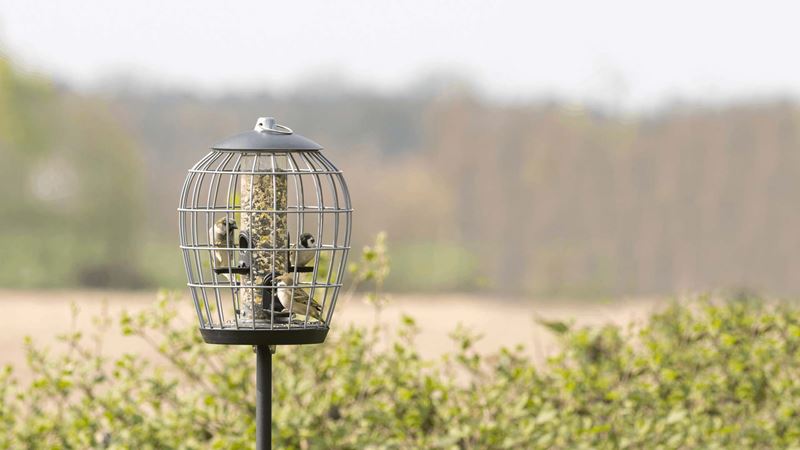
If space allows on your property, it’s useful for birds to have a safe place to feed from comfortably.
“Birds like cover,” says Helen Moffat at the RSPB. “So put your feeders near to areas where birds can quickly flit back and forth.”
Place bird feeders near shrubs, trees and bushes, but not directly underneath them. If birds are roosting in trees, don't put your feeder below as that can lead to contamination from droppings. The RSPB advises taking in seed feeders over the summer, so give them a deep clean before you put them back out in the autumn.
If your garden is also visited by lots of neighbourhood cats, then consider how close they can get to the birds, too.
One major grass-cutting mistake people make is mowing their lawns too short. The Wildlife Trusts encourages people to let their grass grow long in spring, which will help provide habitat for insects – a vital food source for birds.
The Wildlife Trusts and RHS have a joint website, which encourages gardeners to reimagine their lawns and help wildlife. For more information, visit Wild About Gardens
Because birds don’t feed from just one place.

Eating off the floor is, of course, unhygienic, so make sure you sweep up stray food so the birds aren’t tempted by it.
“Don’t have one big feeding station in the same place all the time, because the food falls on the ground, and then that harbours disease if you don’t clear it up every day,” says WildlifeKate. “That food’s then getting wet and birds are walking around in it. It’s effectively a big bird table on the floor.”
The overall message is to feed safely and keep an eye on the birds for any signs of distress or illness. Getting closer to our feathered friends and observing them will help us all to respond to their needs.
“Every garden is different – conditions are different, the seasons are different – so we've got to adapt, we've got to watch our garden birds and our feeders, and respond to what you see,” says WildlifeKate “Develop your garden to provide natural food as well. Planting things with berries and plants that give excellent seed heads that will keep the birds going through the winter.”
Attlee agrees that what we plant in our gardens can become the safest and most sustainable way to feed the birds. “Support birds through wildlife-friendly planting. Species such as poppies, sunflowers, and marigolds are excellent choices because they produce abundant seed heads once they finish flowering,” she says.
“These seeds provide a naturally balanced, nutrient-rich food source that birds are adapted to digest, while also supporting biodiversity in your garden. In short, you’re not just feeding birds – you’re helping to create a sustainable food cycle that benefits them long-term.”
There’s a quick window safety tip that could save millions of British birds from crashing into our houses each year.
Simply get some special window stickers and apply them to the outside of your windows. The RSPB sell these attractive swift and swallow designs for just £8.


Do you have insurance for your outbuildings? Make sure you have the right cover for the structures in your garden.
Find out about Saga's Gardening holidays here...
Explore stunning outdoor sanctuaries on Saga’s garden-themed getaways – it doesn't matter if you’re a keen horticulturist or just someone who enjoys colourful blooms.
Rekha Mistry shares her top vegetables to grow in your garden all year round.

We explain the science and have 7 of the best scented plants for your garden.
From robot mowers to electric pruning shears, spruce up your outside space with four of the best garden gadgets
Our expert pruning and watering hacks include a top tip to keep them flowering from Alan Titchmarsh.

As the RSPB and RHS issue new advice to feed birds seasonally and safely, the experts explain the best ways to look after our feathered friends.
Blighted by buzzing? How to keep wasps out of your garden without harming them so you can enjoy the summer.
Expert advice on how to avoid neighbour disputes, fines or even prosecutions.
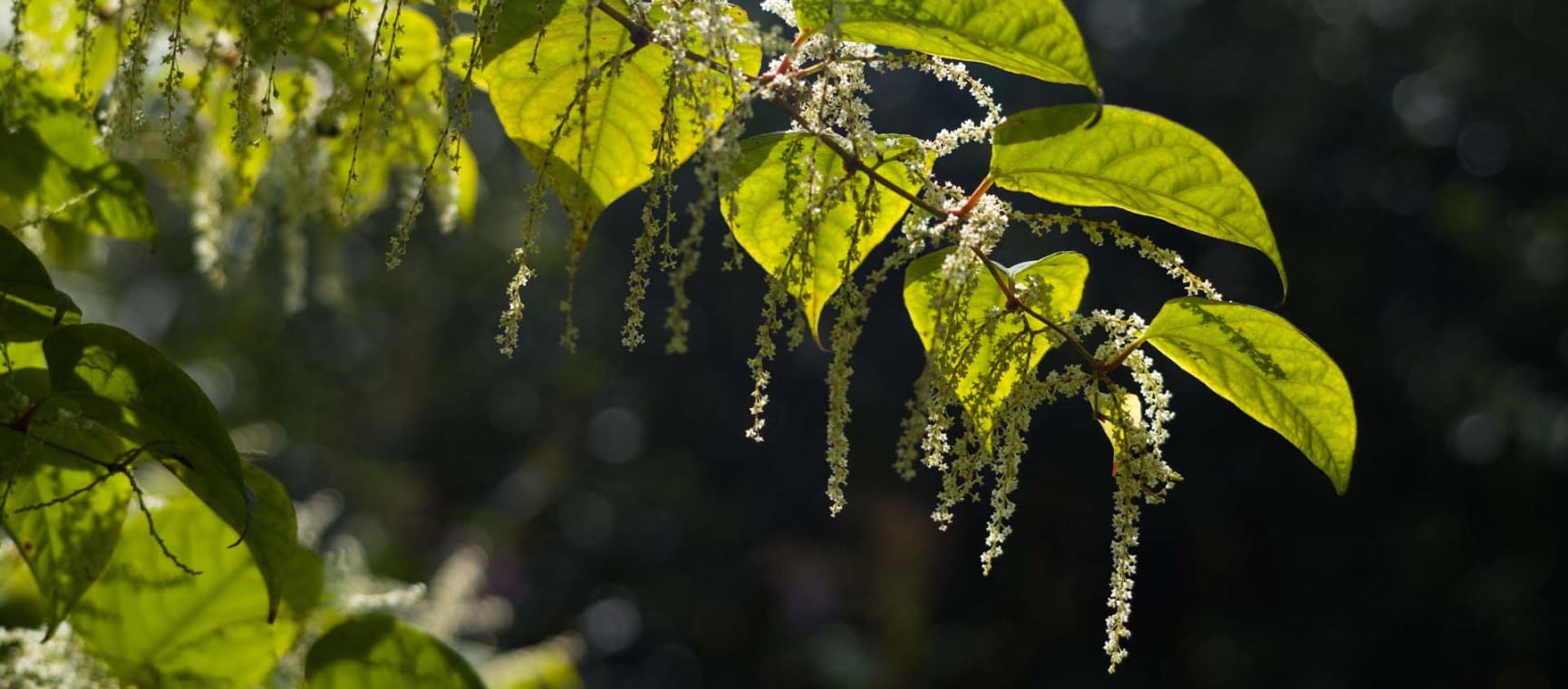
Everything you need to know about Japanese knotweed, the fast-growing plant nobody wants in their garden.