Are alcohol-free drinks really that healthy?
Almost half of UK adults now buy non-alcoholic beer, wine and spirits, but how healthy are they? Read out our guide to the best - and the worst for your health.

Almost half of UK adults now buy non-alcoholic beer, wine and spirits, but how healthy are they? Read out our guide to the best - and the worst for your health.
If you’re cutting back on the booze, alcohol-free versions of your favourite tipples can help bridge the gap in a way that no amount of Diet Coke or orange juice will.
But while curbing your alcohol intake undoubtedly improves health by reducing blood pressure, dropping cholesterol, and lowering the risk of stroke, cancer and liver disease, switching to 0% drinks isn’t necessarily a panacea.
Research published in June studied the effects on the body of drinking non-alcoholic beer compared to drinking water for four weeks. The study highlighted that not all alcohol-free (AF) drinks are created equal.
Drinking two 330ml bottles daily of AF wheat beer increased insulin and triglycerides (fats in the blood), while drinking ‘mixed beer’ (blended with fruit juice or lemonade) increased fasting glucose and triglycerides, which the researchers attributed to the calorie and sugar content.
However, pilsner drinkers fared better: levels of LDL (bad) cholesterol and biomarkers of liver damage both fell without significantly affecting glucose metabolism.
"I worked as a diabetes dietitian for over a decade and always told patients that although non-alcoholic beers are better for overall health and your liver, they can contain more free sugars and carbohydrates than alcohol, so you have to drink them mindfully," says dietitian Nichola Ludlam-Raine at the British Dietetic Association.
While it’s true that alcohol contains seven calories per gram, removing it from the equation doesn’t necessarily mean sugar-free.
"Sugar and syrup are often added during the manufacturing process to enhance flavour," explains Ludlam-Raine. "A bottle of non-alcoholic prosecco can contain up to 35g of sugar – that’s more than your entire sugar allowance for the day (30g).
"Ciders are even worse. A 500ml bottle of Kopparberg Strawberry and Lime Alcohol-Free contains over 50g of sugar, which is insane.
"There’s a health halo effect around AF drinks, where the consumer is directed to look at one area of the product – in this case that it doesn’t contain alcohol – while having their attention diverted from less favourable aspects. That lulls people into a false sense of security."
Then there’s the difference in the way the body processes AF drinks compared to alcoholic drinks. "When you’re not eating, the liver releases glucose into the blood to keep blood-sugar levels steady," explains registered dietitian Dr Duane Mellor at Aston University.
"Alcohol interferes with that process. When you have a standard alcoholic drink, the glucose in the drink pushes your blood sugar up slightly, but the alcohol suppresses the liver’s own release of sugar later. AF drinks don’t have that suppressing effect, so you’ll have a bigger blood-sugar spike."

However, Dr Mellor does see the merit in these drinks. "Drinking water is always the healthiest option, but it’s also boring," he says.
"AF drinks help you reduce your alcohol intake and allow you to seamlessly blend into a social situation."
Karen Tyrell, CEO of the charity Drinkaware, agrees: "One in five UK adults now drink AF as a deliberate way of moderating their alcohol consumption. Younger adults have led the way but the trend is really growing in older adult populations, too."
Older people are society’s biggest drinkers: 40% of men aged 65-74 drink more than the recommended 14 units a week, as do 38% of men aged 55-64. Women aged 55-64 are the heaviest female drinkers, with 23% consuming more than 14 units.
"Health can be a big motivator as we age," says Tyrell. "The way our body metabolises alcohol can shift, making us react less favourably to it. We may be on various medications that may not interact with alcohol. AF products are a great solution to these challenges."
Do read the label, though – alcohol-free drinks can have up to 0.5% alcohol by volume.
AF drinks have definitely improved in the last 30 years. "In the past, the flavour suffered because manufacturers used heat to evaporate the alcohol, or fermentation was cut short so that alcohol wasn’t created," says Dr Mellor.
"The technique is more sophisticated now. The AF drink is created in exactly the same way as the standard version, then the alcohol is evaporated in a vacuum, meaning lower temperatures can be used to preserve the taste."
AF products are also better labelled now, with any drink containing less than 1.2% alcohol required by law to list the ingredients and nutritional info on the bottle (this isn’t required with alcoholic drinks).
"This is a useful tool when keeping track of your sugar intake," says Ludlam-Raine.
"Also look at the carbohydrates (which turn into sugars in the body) and additives. You don’t have to moderate AF drinks in the same way as alcohol, as they carry a different risk, but I would treat them like a soft drink."
Dr Mellor sees no problem in drinking them every day if it helps moderate your alcohol intake: "The ritual of drinking an AF beer or wine can help you relax, and provide conviviality with friends, and there are health benefits to those things, too."
Beer is one of the healthiest options in AF drinks. It generally contains less sugar than AF wines, ciders and spirits, and can even have health benefits.

Pilsners reduce bad cholesterol and biomarkers of liver damage, while a study found that they also increase healthy bacteria in the gut.
"Non-alcoholic beer can be probiotic – that is, it contains live beneficial bacteria that have been shown to play a role in managing gastrointestinal disorders," says Dr Mellor.
"Compared to soft drinks, non-alcoholic beers can be higher in thiamine, niacin, vitamin B12 and potassium."
Erdinger Alcohol Free Wheat Beer is even marketed as an isotonic sports drink, with vitamins B9 and B12, plus polyphenols listed in the ingredients.
However, the high carb content can be an issue if you’re pre-diabetic or diabetic, says Ludlam-Raine. "Some AF lagers contain more carbs than standard versions, which turn into sugar in the blood," she explains.
"Peroni 0.0% has over 18g of carbs in a 330ml bottle, which is the same as a slice of bread – compared to 9.9g in standard Peroni."
Erdinger AF is even higher, with 26.5g of carbs in a 500ml bottle, compared to 13g in standard Erdinger.
Non-alcoholic wines tend to be slightly higher in sugar, as the natural grape sugars are more concentrated.

"Typical values are around 5g carbohydrate (mainly sugar) per 100ml for non-alcoholic wine, versus around 1g–3g per 100ml for most dry alcoholic wines," says Ludlam-Raine.
"Sparkling styles can be higher still – sometimes 7g to 8g per 100ml – because sugar is often added during production to balance acidity."
The sugar in wine is primarily fructose, though, which causes a smaller immediate rise in blood glucose. "That doesn’t mean it’s 'healthier' in excess," explains Ludlam-Raine.
"Fructose is processed in the liver and, in large amounts, can contribute to increased liver fat and triglyceride levels."
De-alcoholisation does not lower red wine’s heart-healthy antioxidant content, though, according to an Italian study.
"AF spirits vary so drastically," says Ludlam-Raine. "At one end of the spectrum there’s Seedlip, made simply from distilled botanicals with no sugars, sweeteners or calories."

"At the other end you have Three Spirit Livener, a spirit alternative that has 20g of carbs and 16g [4 tsp] of sugar in 100ml.
"Many 0% spirits contain long lists of sweeteners, preservatives and E numbers, which make them ultra-processed. Also, what are you adding to them?
If people use full-sugar mixers, it’s a recipe for sugar intake overload, which isn’t good for blood sugars or dental health."
(Hero image credit: Getty)

Some Saga holidays include soothing or spiritual activities like joining a traditional tea ceremony in Japan, practising yoga in India or bathing in Iceland’s Blue Lagoon.

Buy direct and start a new Saga Health Insurance policy by the end of 10 December 2026 to get your first 3 months free. T&Cs apply.
Underwritten by Bupa Insurance Limited.

Expert nutritionists break down the most important foods to eat in each decade as we get older.

We reveal the 7 best tinned foods to supercharge your health while saving you time and money.
From ketchup to mayo – how healthy are your sauces? We find out the pitfalls and surprising benefits of our favourite condiments.

Could honey be the sweetest way to supercharge your health this year? Our experts explain the benefits and which to buy.
Our expert guide to the common foods you shouldn't mix with prescription drugs.

Experts reveal whether chilled supermarket soups are worth the extra cost and if some flavours are better for you than others.
Looking after your gut health could be one of the biggest things that you can do for your overall health. Here are the best foods to keep your gut happy.
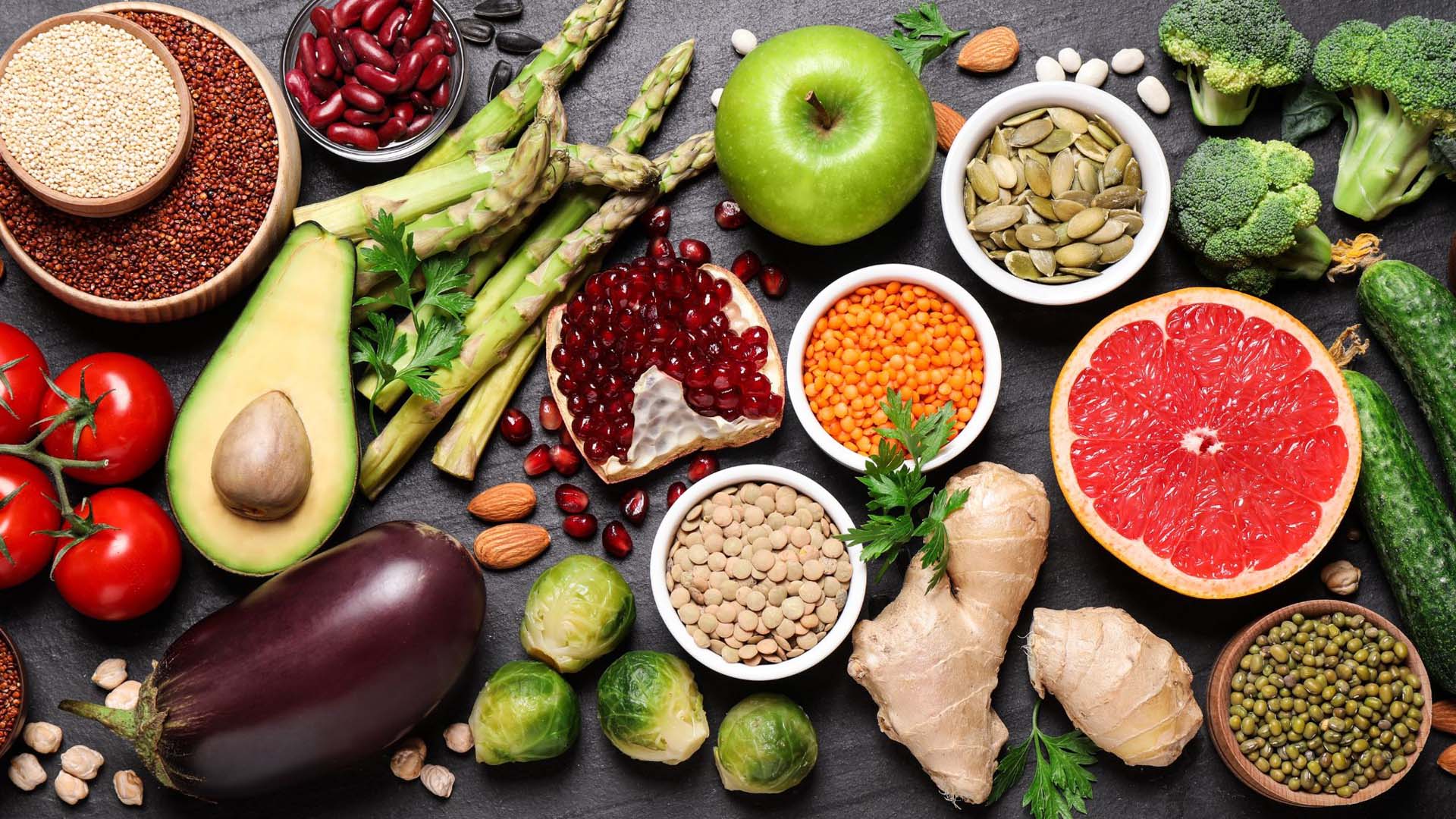
The foods that could help you live longer and protect against chronic illness.

A dietician reveals which foods can help protect vision and prevent age-related eye conditions.
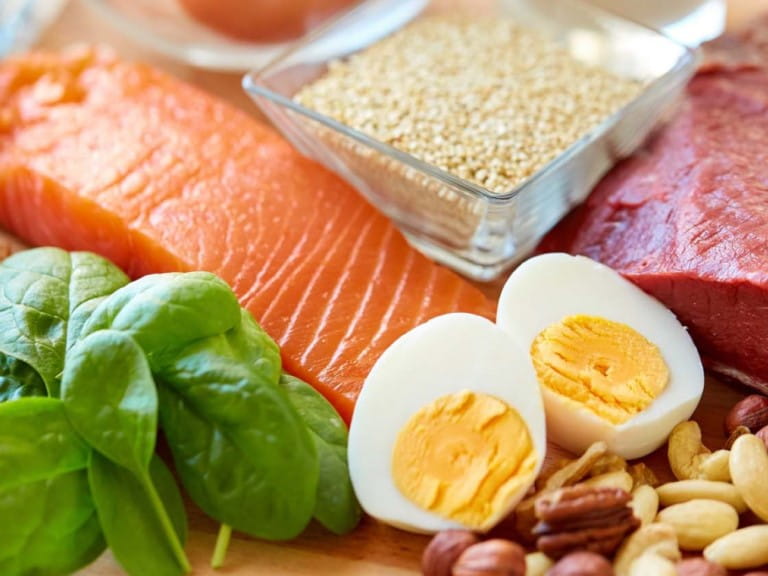
Everything you need to know about protein, from how it benefits your body to the best high-protein foods – and how much you really need.