How the clocks going forward affects your health, and what to do about it
Why do you feel so tired when the clocks go forward? Experts share 4 ways to avoid losing sleep.
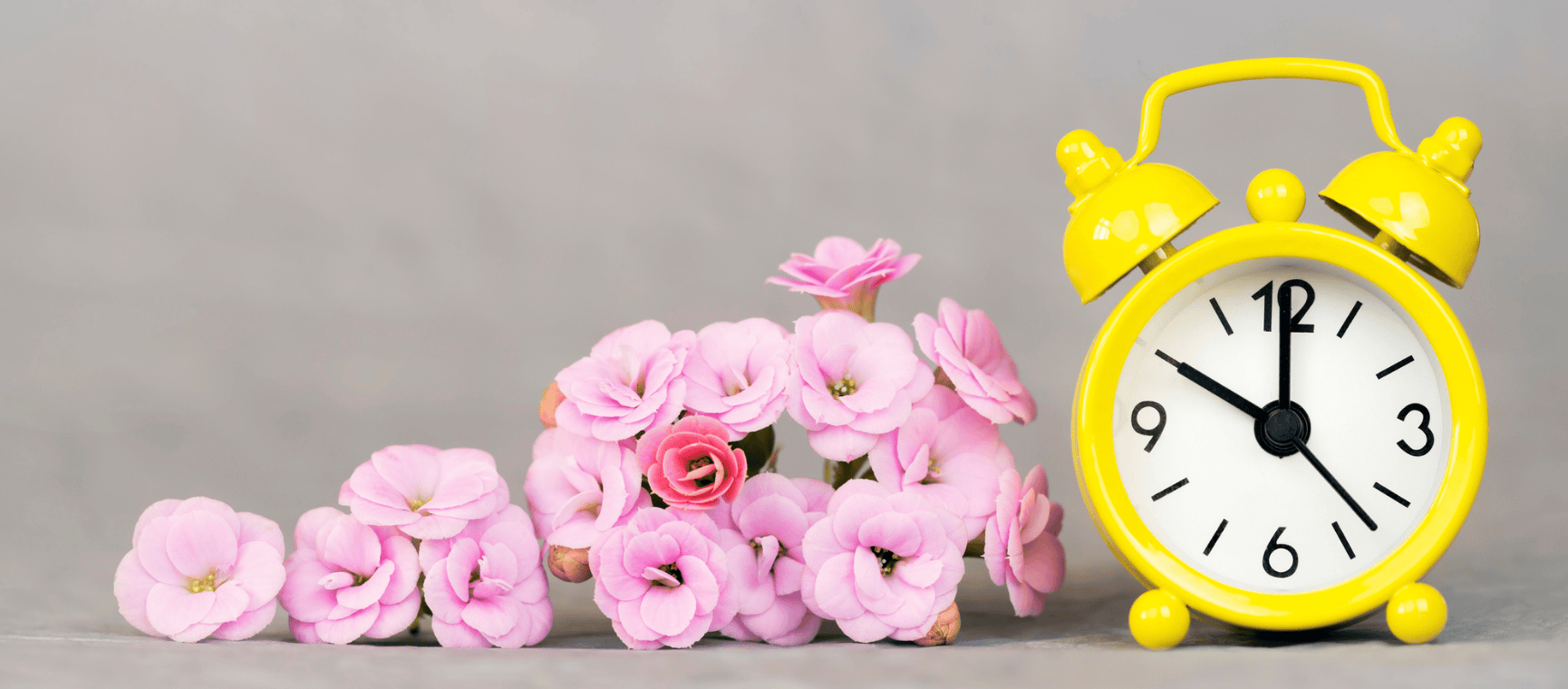
Why do you feel so tired when the clocks go forward? Experts share 4 ways to avoid losing sleep.
It’s spring and the clocks are going forward by an hour. Everyone loves the lighter evenings, but there is a downside – many of us lose precious sleep.
That one hour of sleep we sacrifice on the night the clocks go forward really does make a difference. Research has shown that even an hour less sleep can have a negative effect on our health and ability to perform tasks.
Dr Jeffrey Kelu, an expert in circadian rhythms at King’s College London, said: “The acute effect of the spring clock change is a sudden reduction in sleep duration, caused by the overnight loss of one hour, and the difficulty in adapting to earlier wake times.
“This can lead to chronic ‘circadian misalignment’, a condition known as ‘social jet lag’, which is associated with an increased risk of obesity, metabolic syndrome, and mood disorders.”
So even if you do get a lie-in, the change in clocks can still act a bit like jet lag, meaning you may be tired and grumpy for a few days.
The good news is, there are things you can do to make it easier. We’ve spoken to sleep experts to find out their best advice.
It can take a few days for our circadian rhythm (our body’s internal clock) to adjust to the change. Going to bed slightly earlier for a few days leading up to it can help, says clinical psychologist Dr Nicole Moshfegh.
“The best way to help our bodies prepare for the hour we’ll lose is to gradually adjust the time difference,” she advises. “If we suddenly have a shift of more than 45 minutes in our wake time, our body will become confused.
"We’ll likely experience some challenges as a result – similar to jet lag.”
Moshfegh says that going to bed and getting up 15 minutes earlier in the days leading up to the clock change will make it easier for our bodies to adapt.
The clocks move forward an hour to British Summer Time at 1am on Sunday 29 March 2026.
.jpg?sc=max&mw=800&h=450&la=en&h=549&w=824&hash=2798B519C39FFE54D79E96AEF5CB26B8)
Keeping good sleep habits is key to helping you have a stress-free time change, advises psychotherapist Dee Johnson.
“Don’t drink alcohol as a nightcap, and try to leave three hours after a big meal before going to bed,” she says.
“In addition, stay away from screens when you’re winding down, as the exposure to the blue light confuses our internal body clock.”
Johnson also advises using an eye mask if you don’t have a blackout blind. This will help stop the early daylight waking you up too soon.
Mulberry Silk Eye Mask, Boots, RRP £12
Even though a nap might seem like the best way to “catch up” on that lost hour, you’ll just confuse your body more, says neurologist Dr Chris Winter.
“Resist the temptation to sleep in late, or nap during the adjustment,” he says. “Get up at your usual wake time and seek light instead.”
Winter also suggests using either natural light or a light therapy lamp to help your body understand that it’s time to start the day, and to help reprogram your circadian rhythm.
Ulightown SAD Lamp, Amazon, RRP £24.98
.jpg?sc=max&mw=800&h=450&la=en&h=549&w=823&hash=A2B3144BFEE04089F0729602F320172A)
Having more light during the day is a positive thing.
“It means we can socialise and do activities for longer, which is a massive mental health bonus,” says Johnson.
The positive effects of more daylight include getting more vitamin D, which is needed to keep bones, teeth and muscles healthy.
Research has also shown that exposure to sunlight can lower blood pressure. The clock changing is designed to give us more light at the times when we’re more likely to be outside, so try to make the most of it if you can and get active outdoors, by walking or cycling.
Plus, it might mean that the clock in your car finally shows the correct time again.
We have a builder to thank for promoting the idea of British Summer Time. Surrey-born owner of a house-building firm William Willett published a pamphlet in 1907 called The Waste of Daylight. He campaigned and gained support from MP Robert Pearce.
It took a few years but, on Sunday 21 March 1916, the clocks were put forward by an hour.


Start a new Saga Health Insurance policy by the end of 28 May 2026 and you’ll get a free £250 M&S gift card. T&Cs apply.
Underwritten by Bupa Insurance Limited.

Including exclusive savings for Saga Magazine subscribers, and a special discount of up to 10% when you book two or more cruises back-to-back.

We examine the science and how to best look after our brain as we get older.

Want to start winter mornings feeling energised? Follow these five simple tips.

Expert nutritionists break down the most important foods to eat in each decade as we get older.

Your neighbourhood pharmacist now offers a surprising number of services.



10 simple alternative items that can have a big effect on your health – without depriving you.

New measures for GP appointments are in the headlines, but what effect will they have for you when it comes to getting to see a doctor?

Everything you need to know about the lung infection, and how you could be ill with “walking” pneumonia without realising it.