Can creatine boost brain power as well as muscle health?
A new study suggests creatine can help people with Alzheimer’s. Experts reveal its health benefits and why not everyone can take it.

A new study suggests creatine can help people with Alzheimer’s. Experts reveal its health benefits and why not everyone can take it.
A firm favourite in sporting circles for their strength and recovery benefits, creatine supplements are now making their mark in the healthy ageing realm, with new claims of cognitive support in Alzheimer’s sufferers.
Creatine rose to fame as a fitness booster when British athletes Sally Gunnell and Linford Christie reportedly used it during training for the 1992 Olympics in Barcelona, where they both bagged gold medals.
Since that time, body builders have taken creatine to boost energy in their muscles and enhance physical performance. But now a new study suggests that the supplement could offer benefits beyond the gym, pointing towards its potential benefits to brain health in people with Alzheimer’s disease.
“Creatine is a naturally occurring compound made from three amino acids: arginine, glycine and methionine,” explains Sophie Medlin, consultant dietician at City Dieticians and a supplement specialist. “It is mostly produced in the liver and kidneys, and then is stored largely in muscle cells.”
When it comes to boosting energy in the muscles – and potentially the brain – creatine acts much like a backup battery for our cells when our main supply (known as adenosine triphosphate or ATP) runs low.

A recent study by the University of Kansas Medical Centre suggests this creatine-driven rise in brain energy could support cognitive function in people with Alzheimer’s.
One of the key issues in the neurodegenerative condition is a breakdown of the brain’s ability to produce and use energy efficiently. The research sought to see if creatine could have a similar effect on the mind to that on muscle energy, offering improvements in how the brain powers its cells and the communication between them.
It’s important to note that this was a small-scale study over eight weeks, with 19 participants aged 60 to 90 with an Alzheimer’s diagnosis. Each took 20g of creatine monohydrate daily, which is a far higher amount than the standard 3-5g used in sports performance. But researchers claimed to observe marked improvements in working memory and executive function, and believe this could signal a potential delay in cognitive decline.
Medlin took a look at the findings: “While we do know that creatine does play a role in brain energy metabolism, and there is some early work on creatine and cognitive function, this area is still new and emerging, so we can’t say who will benefit and how as yet.”
The UK Nutrition and Health Claims Committee has acknowledged that there could be cognitive benefits associated with creatine supplementation, but it stopped short of approving any health claims, saying more evidence is needed.
Public health nutritionist Summra Nasir explains the science: “Previous studies have shown scientific evidence suggesting that creatine can help the brain to regenerate ATP, which is the main molecule used for cellular energy. This, in turn, suggests that it supports certain cognitive processes, including improvements in short-term memory and reasoning ability, and a reduction in mental fatigue.
“In older adults, there is some evidence that creatine can support overall cognitive performance, but the results are mixed and still being researched.”
For those of us who are neither gym bunnies nor Olympians, you’ll be pleased to know that creatine can also help with age-related muscle loss and declining bone density, particularly in women.
“Although creatine research focused historically on male athletes, that’s now changing and scientists are looking at the physiological shifts that occur during and after menopause,” Nasir says.
“We know that declining oestrogen levels can lead to accelerated muscle loss, an increase in fat accumulation and a decline in bone density, which can all contribute to a higher risk of frailty and fractures in later life.
“Research now suggests that creatine may help women counter some of these effects, indicating improvements in lean body mass and strength among post-menopausal women.
Nasir adds: “And for all ageing adults, strength is one of the strongest predictors of long-term health and independence, so this evidence matters.
“However, creatine is not a magic supplement. Its biggest benefits occur when it's combined with strength training, such as lifting light weights, bodyweight exercises and resistance bands."
Medlin agrees: “A research paper in 2017 focused on creatine supplementation alongside exercise in people over 50, and showed an increase in muscle mass of 1.3kg, along with increased upper and lower body strength. So, we have evidence of the real benefits of this combination in preventing sarcopenia (age-related muscle loss).
“The research also pointed to improvements in functional performance – for example carrying the shopping and doing jobs around the house. Creatine alone, however, shows a much smaller effect.”

Many supplements today, including creatine and collagen, are available in capsules, gummies or powder form. But which is best?
Nasir says creatine powder is her preferred choice, but for some it could be down to convenience and budget. “You need to mix it with water or juice, so it might be a little messy, but it’s much cheaper than the capsules.
“Gummies are convenient but often have hidden sugars and additives. They’re also expensive and can contain less creatine due to manufacturing and processing.”
Most scientific studies and sports-nutrition guidelines recommend about 3-5g of creatine taken once per day for adults.
Medlin says: “Whether you’re taking creatine specifically for sports enhancement or not, it should be consistent and taken even on non-training days.”
Simplicity is key here. “A good product should contain only creatine monohydrate, so check the label and avoid supplements with artificial colours or sweeteners, sugar or ‘proprietary blends’ that can hide the exact creatine dose,” says Nasir.
Medlin adds: “As long as you make sure the product is 100% creatine monohydrate, I would opt for the cheapest one you can find! It’s not an expensive supplement.”

A concern for those who have considered a creatine supplement is weight gain, which can be around 1-4lbs (0.5-2kg). But this shouldn’t be a deterrent, as it usually isn’t due to an increase in body fat, advises Medlin. In fact, it can be a good indicator of “cellular hydration” and that the supplement is working, she says: “It may make you weigh more on the scales, as it helps your muscles to store more water, which is a good thing. So don’t be alarmed when you see this.”
This increase in fluid in the body can create an osmotic effect, where water can be drawn into the gut, and result in bloating and digestive discomfort. But this is harmless and preventable.
“It can happen when larger doses are taken at once, but having smaller amounts, spreading doses throughout the day, taking it at mealtimes and staying hydrated allows the body to absorb it more gradually and reduces the risk,” says Nasir.
People suffering with kidney disease are advised to avoid all creatine supplementation. “Anyone with chronic kidney disease, glomerular nephritis or polycystic kidney disease should not take creatine, as it can put the kidneys under additional pressure,” warns Medlin.
She also advises caution if taking certain prescription drugs: “People on medications like non-steroidal anti-inflammatory drugs, cyclosporine, some antibiotics and some chemotherapy drugs also shouldn’t use creatine.
“It’s best to check with your doctor or pharmacist before taking any supplement if you are on a prescribed medication.”
Can we boost our creatine levels with food alone? “There are plenty of animal food sources of creatine, including red meat, fish and chicken,” Medlin says. “But vegetarians and vegans have much lower muscle creatine stores, as plant foods contain virtually no creatine, so it may be beneficial for them to take a supplement.”
Beef is one of the richest sources of creatine, and herring is particularly high compared to many other types of fish. But pork, salmon and tuna are also good sources.
“Typical creatine content in food is about 3-5g per kilogram of raw meat or fish, although this can vary depending on the type and how it is cooked,” explains Nasir. “Avoid long boiling or stewing, and very high temperature grilling or charring. Light pan-searing, poaching, steaming or baking at moderate temperatures is best.”
“For healthy individuals, the risks of taking creatine supplements are low, and side effects are generally mild,” Nasir concludes. “While a small amount of weight gain can occur, it is typically due to water stored inside muscle cells rather than an increase in body fat. So don’t be worried about a jump on the scales.
“Just space out the doses, make sure you choose creatine monohydrate, take 3-5g per day and stay well hydrated.”
Hero image credit: GettyImages



Buy direct and start a new Saga Health Insurance policy by the end of 10 December 2026 to get your first 3 months free. T&Cs apply.
Underwritten by Bupa Insurance Limited.

Find out about Saga’s walking holidays here…
Saga’s walking holidays are perfect for exploring Europe’s stunning destinations on foot. They’re suitable for all fitness levels and offer a well-balanced mix of guided walks and relaxation.

Are you retiring at the wrong age? The best age to retire for your body, brain, happiness and pocket.


Everything you need to know about the lung infection, and how you could be ill with “walking” pneumonia without realising it.
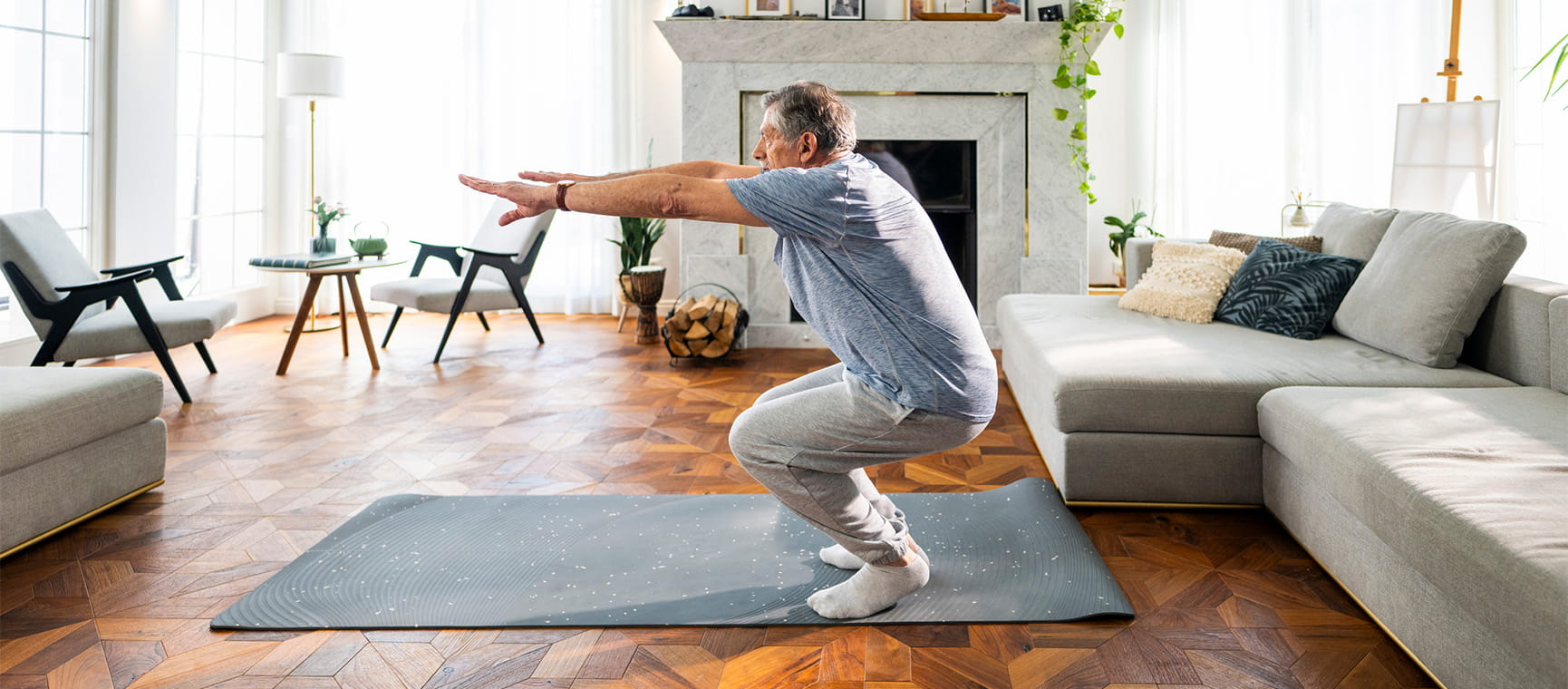
Strong calves for a strong mind: how they support our circulation and brain health, with easy moves to strengthen yours at home.


Our GP Dr Mark Porter explains what can cause itchy skin, which is a common problem as we get older.

Worried you’ve morphed into Victor Meldrew? Find out how to battle that bad mood, and what to do if you’re stuck with a grouchy loved one.

The benefits of heat and cold therapy, and how Nordic bathing won over our nervous writer.

Here’s how to spot the symptoms of heat disease and reduce your danger.


Everything you’re entitled to this year, when you can have it, and the gaps that remain.

Pilates for back pain – what to do if you are suffering, and five gentle exercises that could help.

Dizziness or vertigo: a sensation of spinning, can stop us doing everyday things for fear of falling. Try these tips to stop feeling dizzy


You don’t have to put up with bladder leaks. We try out the latest pelvic floor gadgets for men and women.

Cataracts are a normal part of ageing. Learn how to spot the signs – and when it’s time to consider surgery.