Dr Miriam Stoppard: 4 ways to help combat loneliness
With almost half of us feeling lonely every week, our relationship expert shares her advice on simple actions to break the cycle of loneliness.
With almost half of us feeling lonely every week, our relationship expert shares her advice on simple actions to break the cycle of loneliness.
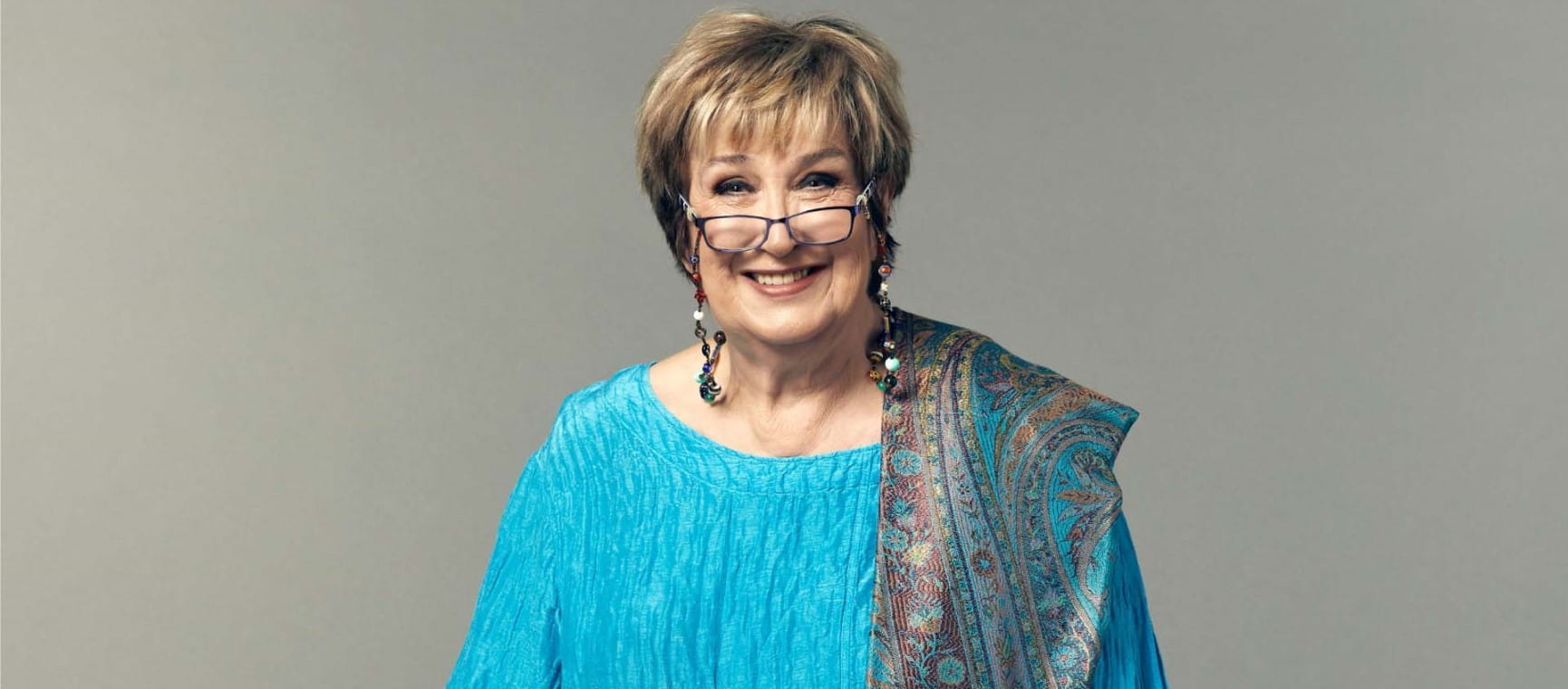
“It’s at least a decade since I began to think of loneliness as an illness, instead of just being something that happened to people who live alone and was worse in old age,” Dr Miriam Stoppard writes in her new book, Sex, Drugs and Walking Sticks. There’s no denying that loneliness is a growing problem in the UK, especially among the older generation.
Recent research revealed that nearly a million over-50s are often lonely, with loneliness a major issue that is now widely recognised in society.
Saga columnist Dr Miriam – who became a widow at the age of 83 when her second husband Sir Christopher Hogg died in 2021 – says being lonely is very dangerous and something needs to be done about it.
“We’ve discovered many consequences of loneliness which can be serious diseases, loneliness, whenever we come across it, has to be taken seriously,” she writes. “It takes its toll on anyone, even a young person, but it’s particularly detrimental to older people where living alone can become dangerous.
"Boredom can quickly turn into anger, then descend into apathy and finally into stagnation. Also, without realising it, alertness and enjoyment falter and then the loss of a grip on mental and physical skills inevitably follows.”
Dr Miriam suggests four ways to combat loneliness.
“Friendships are so nourishing to us. They’re precious, counteract loneliness and help protect our mental health. They may even lengthen life. Long-term relationships are important throughout your life but especially as you get older because they make you feel connected and can improve your mental and physical well-being.
“One of the best ways of keeping up connections is to do physical activities with other people you know. Things like visiting the local gym can have a positive effect on your health and who knows, you may connect with new friends.
“Many of us feel we have to look after others but the stress and strain of caregiving can take quite a toll on your own health and lead to you becoming isolated from the outside world. It’s important to find ways to care for your own health while caring for others.
“It’s worth staying fit just to be with your grandchildren. The strong emotional bonds between you and your grandkids can help children learn how to deal with their own feelings and behaviours, and you with yours.”
Saga Magazine has more advice on how to feel happier and less alone and why loneliness is as bad for your health as smoking.

“You can use loneliness as a spur to help you as long as you face up to it. When my husband died, I found keeping a diary opened my eyes. I wrote down the times when I felt most bereft and got a clearer picture of my sad times. In doing so, I got them into perspective. They seemed less consuming and became less frequent.
“If you miss the physical closeness of a cuddle, a hug, holding hands and missing sex, acknowledge it. As a widow myself I recognise that now and then I’d like some male company and just being looked after by a caring man. But I find I’m reluctant to make a move.
"It’s normal to dither about joining the dating game. I doubt I ever shall. Like many bereaved and widowed women I find I like being alone, single and mistress of my own destiny.”
“Planning your time can go a long way to overcoming feelings of loneliness. Even if you don’t want to follow a timetable, a bit of planning will give you a new point of view about possibilities, particularly if you think about filling days with different activities.
“You could take up a hobby or learn a new language at night school. One evening you could have some friends around to yours and on another visit them. Find out what’s on at the local cinema, theatre or concert hall and arrange to go with a grandchild or a friend. Take care of your fitness with Pilates, yoga classes or join a gym.
“Don’t forget hobbies like gardening, carpentry and doing a bit of painting and decorating around the house. Spend a lot of time planning Sundays because they can be long days. To my mind the best way of spending Sundays is to have friends or family for a casual lunch or brunch when people can come and go. If you don’t want to cook, ask each of your guests to bring a dish around.
“Whatever your age, I’m a great fan of getting out of the house. It’s such a mood booster. Just seeing people in the street (and smiling if you can) can change the complexion of a day. If you’re near open spaces or a park, practise some mindfulness and notice dogs, flowers, birds and trees. They’re magnificent and fill you up with wonder.
“Get out of the house by doing something you’ve always wanted to do. You could join a political party and sample a local political meeting. If archery is something you’ve always wanted to do, don’t hesitate. Get the gear and go along to the local club. If you’ve always had a yen to paint or sculpt, enrol at a local evening class.
“You might yearn to go on an exotic cruise. Book one now and imagine yourself making on-board friendships with new and like-minded people.”
Sex, Drugs and Walking Sticks, by Dr Miriam Stoppard, RRP: £20 (Mirror Books)
(Hero image credit: Getty)


Our online matching service brings you closer to like-minded people on a site you can trust. Create your free profile today

Including exclusive savings for Saga Magazine subscribers, and up to 25% off selected cruises.
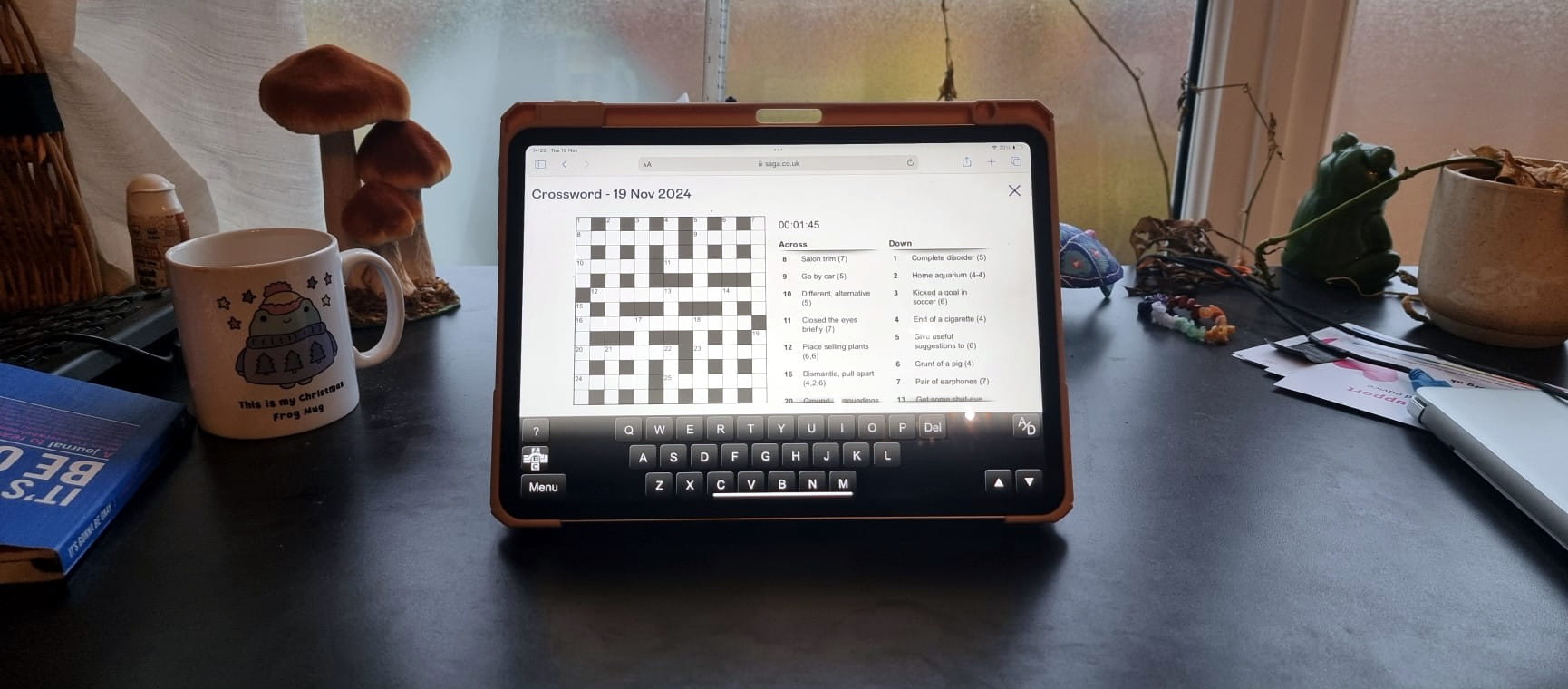
Try these simple tips and fixes for Saga’s crossword, sudoku and codeword puzzles.

With the start of the new financial year on 6 April, our money expert explains the changes to your pension, benefits and taxes.