These foods can ease everyday pain
From stiff joints to stubborn migraines, the 3 common ailments to which diet changes can really make a difference.
From stiff joints to stubborn migraines, the 3 common ailments to which diet changes can really make a difference.
Could what’s on your plate ease aching joints or a persistent headache? While food is never a substitute for diagnosis, treatment or pain relief, there’s growing evidence that diet can influence certain types of pain, particularly where inflammation, gut health, blood sugar or food triggers are involved.
Dr Monika Gostic, a university lecturer and functional nutrition practitioner, explains that pain is rarely just structural.
“Pain is often driven by underlying inflammation, metabolic stress, and nervous system sensitisation,” she says. “Diet directly influences all three.”
The idea that food might affect pain can sound far-fetched until you look at the mechanisms involved. Diet can influence inflammation, blood sugar regulation, the gut microbiome and nervous system signalling, all of which play a part in how pain is felt.
One of the clearest examples is migraine. A 2021 trial found that adults with migraine who increased their omega-3 intake from oily fish or reduced linoleic acid (found in many vegetable oils), experienced fewer headache days per month, with the biggest reductions in those who did both.

Irritable bowel syndrome (IBS) is another area where the food-pain link is well recognised, with the National Institute for Health and Care Excellence (NICE) recommending dietary and lifestyle advice and, for some people, more structured approaches such as professional guidance about low-FODMAP diets (fermentable short-chain carbohydrates –sugars, starches, and fibre – that the small intestine absorbs poorly).
One of the more overlooked connections is blood sugar. Dr Gostic says that rapid rises in blood glucose can trigger inflammatory signalling and oxidative stress, contributing to the kind of low-grade inflammation seen in some chronic conditions.
“Stable blood sugar through protein, fibre, and balanced meals is one of the most underrated strategies for reducing day-to-day pain,” explains Dr Gostic.
That doesn’t mean that every sweet treat is single-handedly causing your knee pain, but it does suggest that how meals are built may matter more than many people realise.
Sadly, there’s no single miracle ingredient for pain.
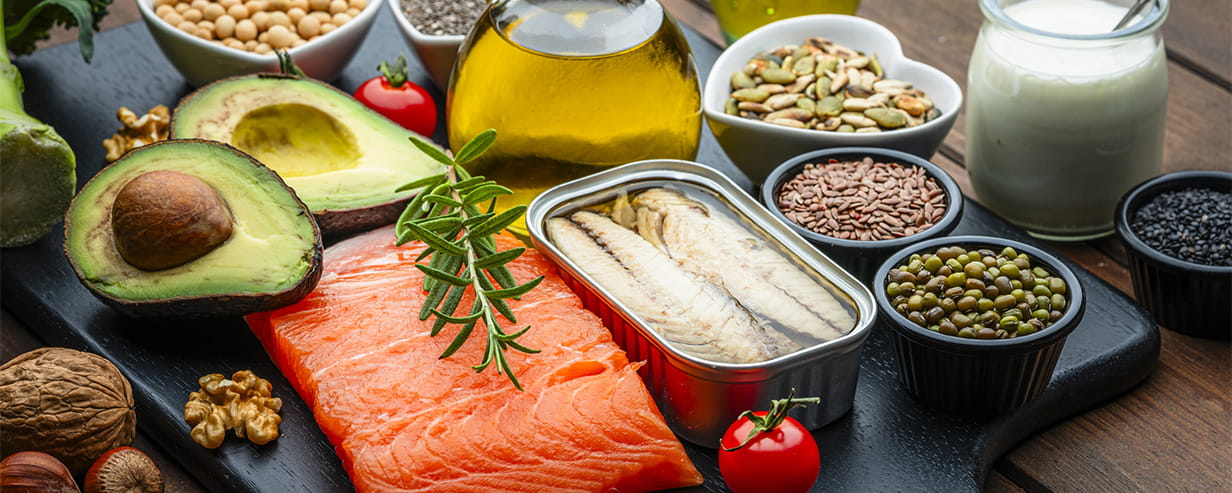
“It’s less about one ‘superfood’ and more about a consistent anti-inflammatory pattern,” says Dr Gostic, who recommends building meals around the following:
In practice, it means eating regular meals, getting enough protein and fibre, cutting back on ultra-processed foods where possible and avoiding obvious triggers if you know what they are.
For some conditions, food can act as a direct trigger. For others, it’s more about the overall pattern of what you eat. Three areas stand out where the evidence is strongest.

Josephine Smith, in-house practitioner at Supplement Hub, says that migraines are one area where diet can have a noticeable effect.
“Even something as simple as eating regularly can make a difference, as skipping meals is a common trigger for migraine attacks,” she explains.
A few things to try:
IBS is another area where the food-pain link is especially well recognised. As Dr Gostic explains: “The gut regulates immune activity, produces anti-inflammatory compounds, and communicates with the brain via the gut–brain axis. Dysbiosis or poor gut integrity can amplify systemic inflammation and pain sensitivity.”
A few things to try:

Joint pain is a little less clear-cut, but diet may still help, particularly where inflammation or excess weight are part of the picture. Smith suggests a Mediterranean-style way of eating, with “good fats and few ingredients” as a sensible starting point.
A few things to try:
It’s one of the most common questions people ask when changing their diet and the answer depends on what’s driving your pain.
If your pain is trigger-led (such as migraines or IBS), start by identifying and removing the foods that set off your symptoms. This tends to bring quicker relief.
“If it’s linked more to inflammation, then shifting your focus to what you’re adding in can be helpful,” says Smith.
Try including foods such as oily fish, olive oil, colourful vegetables and other anti-inflammatory foods that work more gradually.
Patience matters. According to Smith, people who remove migraine trigger foods sometimes notice improvements within a few days, though one to two weeks is more typical.
With IBS, changes often appear between one and six weeks as the gut settles.
For joint pain linked to inflammation, the picture is more gradual. Subtle improvements tend to show around the four-to-six-week mark with a consistent anti-inflammatory approach.
Smith adds an important caveat. “It’s always worth following a tailored plan with your doctor or nutritionist and being consistent with your reintroduction and cutting back of certain foods,” she says. “Some people experience nutritional deficiencies when changing their diet drastically.”
Hero image credit: GettyImages



Buy direct and start a new Saga Health Insurance policy by the end of 10 December 2026 to get your first 3 months free. T&Cs apply.
Underwritten by Bupa Insurance Limited.

Find out about Saga's gastronomy holidays here...
They say the way to the heart is through the stomach, and Saga’s thoughtfully crafted food and wine holidays are perfect if you like trying new flavours and exploring traditional methods of cooking.

Expert nutritionists break down the most important foods to eat in each decade as we get older.

We reveal the 7 best tinned foods to supercharge your health while saving you time and money.
From ketchup to mayo – how healthy are your sauces? We find out the pitfalls and surprising benefits of our favourite condiments.

Could honey be the sweetest way to supercharge your health this year? Our experts explain the benefits and which to buy.
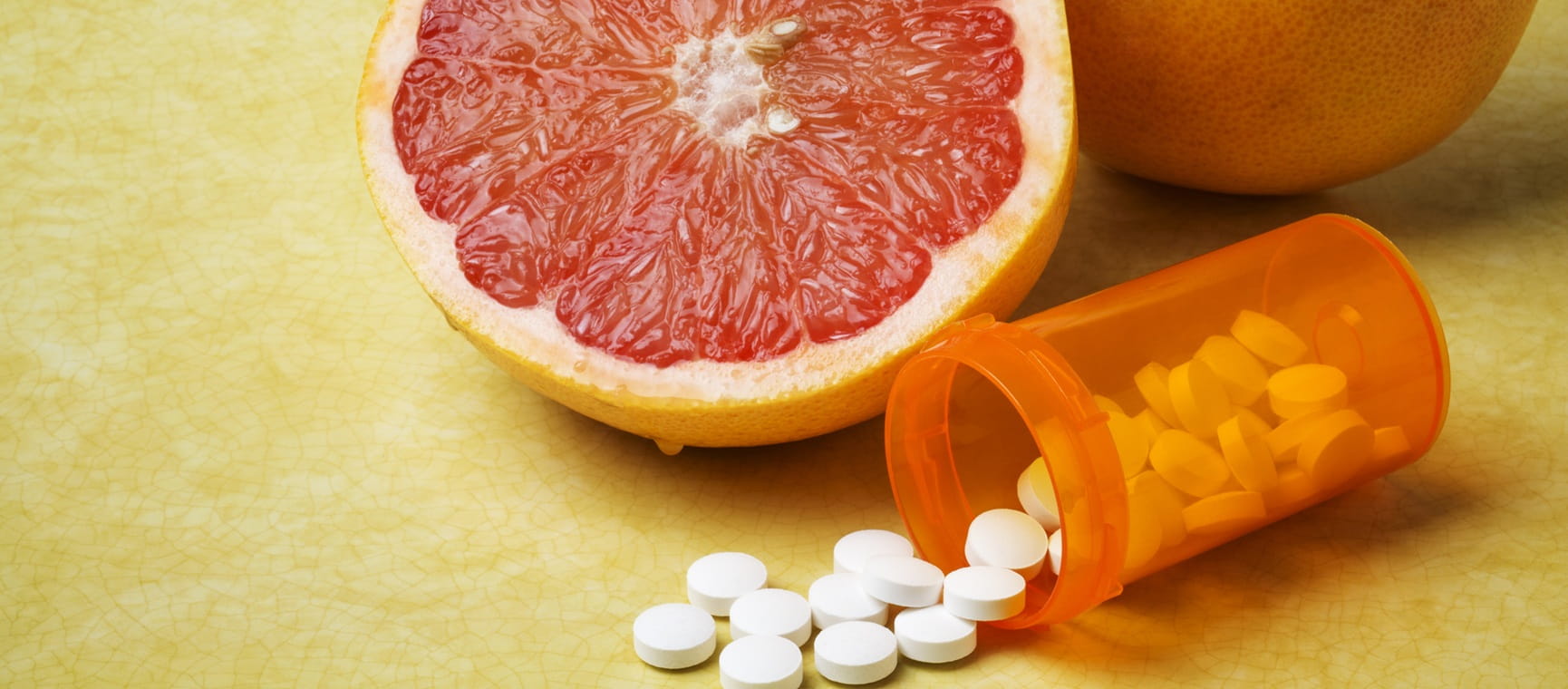
Our expert guide to the common foods you shouldn't mix with prescription drugs.

Experts reveal whether chilled supermarket soups are worth the extra cost and if some flavours are better for you than others.
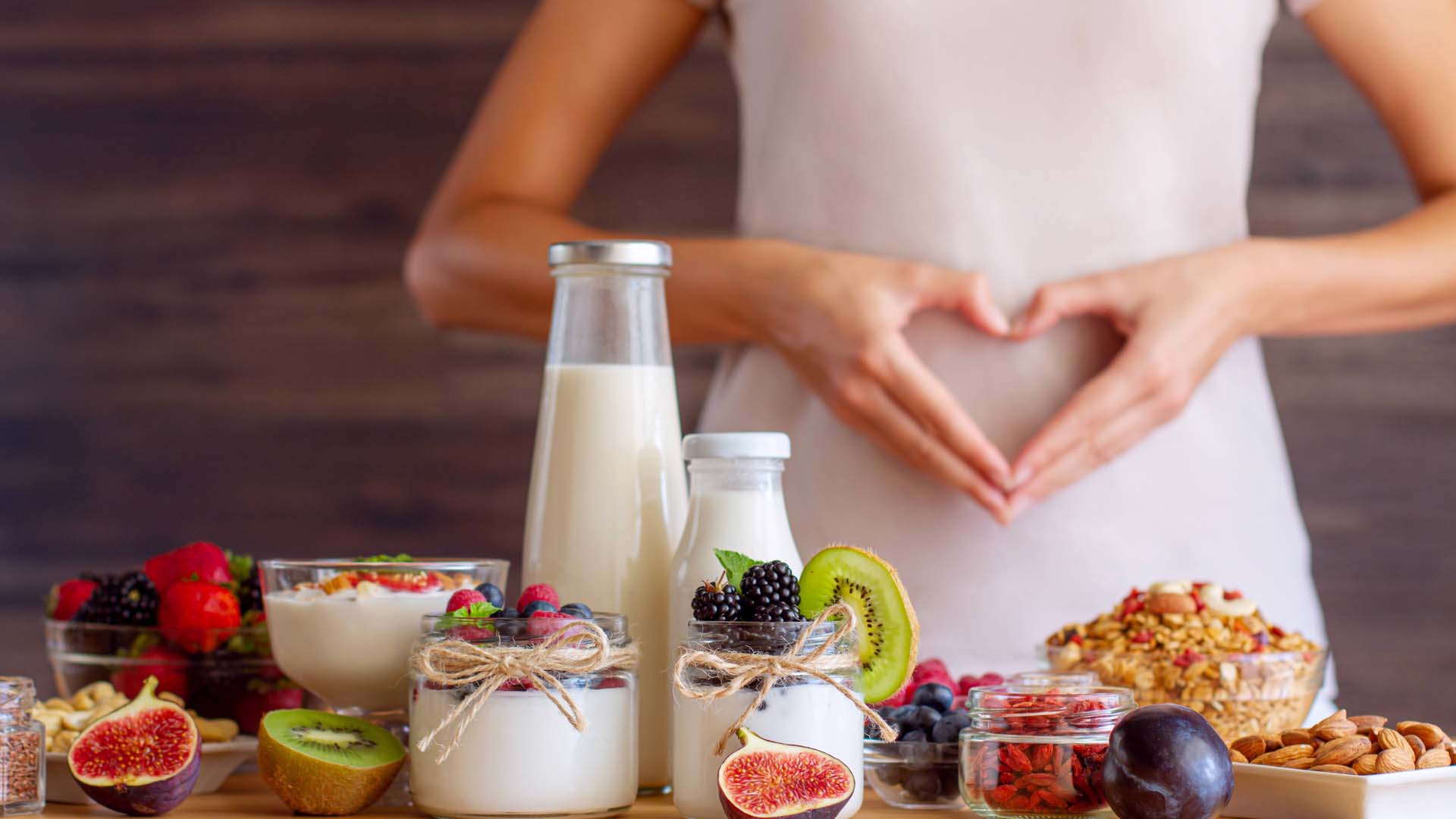
Looking after your gut health could be one of the biggest things that you can do for your overall health. Here are the best foods to keep your gut happy.
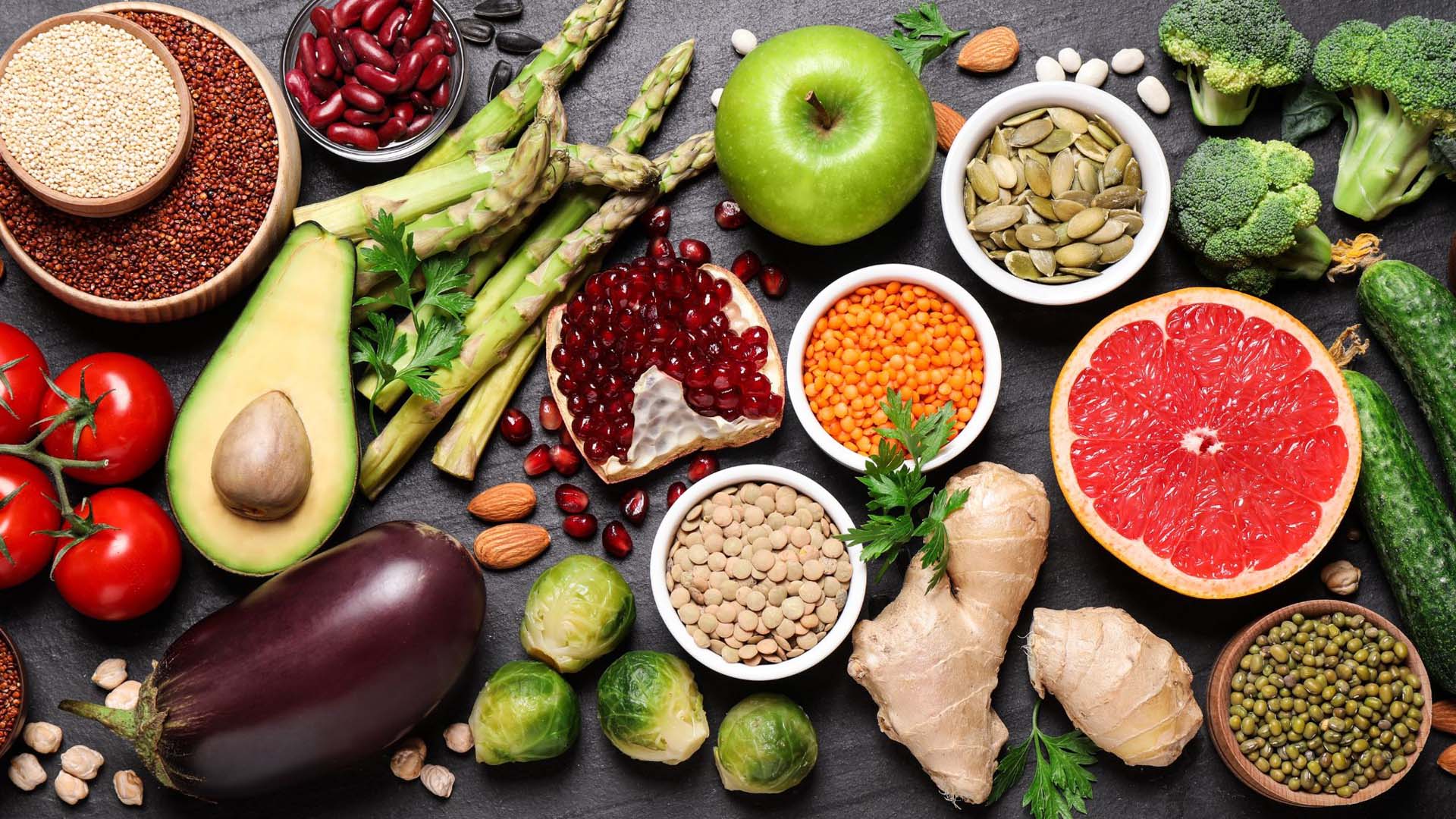
The foods that could help you live longer and protect against chronic illness.


A dietician reveals which foods can help protect vision and prevent age-related eye conditions.
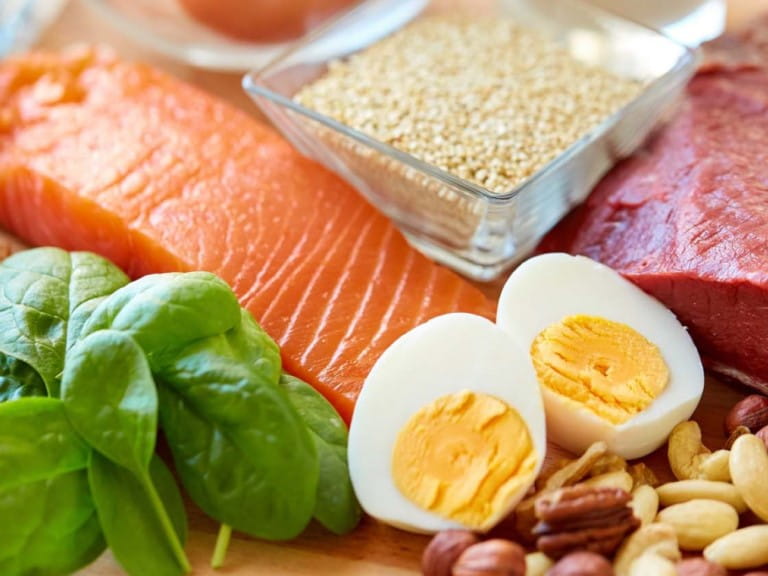
Everything you need to know about protein, from how it benefits your body to the best high-protein foods – and how much you really need.