The foods you should wash – and those you shouldn’t
Washing food may feel hygienic but get it wrong and you could spread bacteria around your kitchen. Experts reveal what really needs a rinse.
Getty
Washing food may feel hygienic but get it wrong and you could spread bacteria around your kitchen. Experts reveal what really needs a rinse.
Washing food seems like common sense. Yet it can either remove surface contamination or splash harmful bacteria all over your sink, hands and worktop.
“There is still so much confusion around what we should and shouldn’t wash,” says food-safety consultant Sylvia Anderson.
“Many of us have grown up with certain habits in the kitchen and naturally assume that washing something makes it cleaner and therefore safer. But that isn’t always the case.”
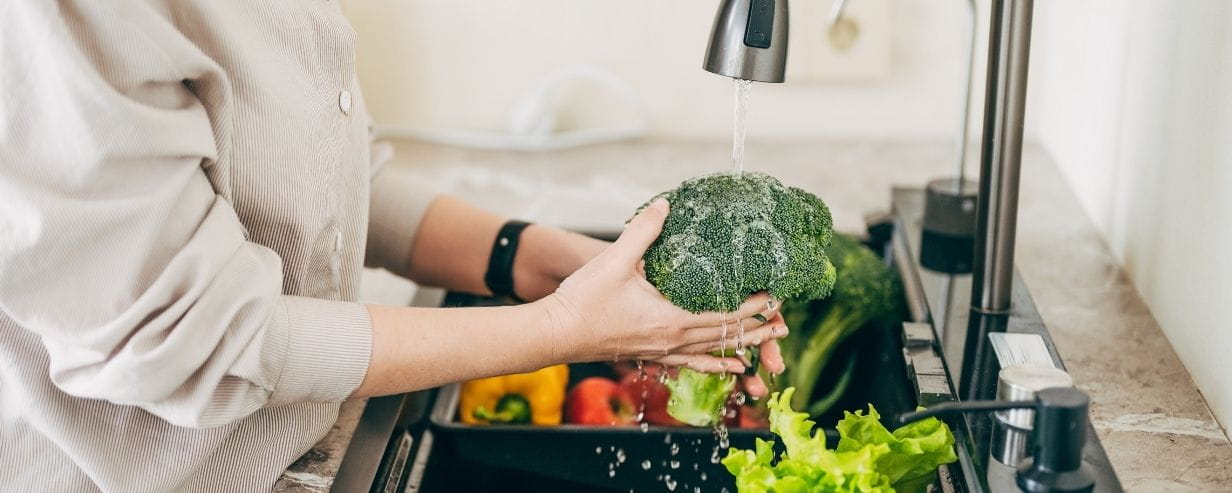
Fruit and vegetables don’t need specialist produce washes. Cold running water helps wash away visible dirt, reduce surface contamination and remove some pesticide residues, says chartered environmental health officer Natalie Stanton, founder of food-safety training provider The Safety Expert.
Don’t use washing-up liquid: it’s intended for dishes and may leave residue on uneven or porous produce, says Sylvia. Bicarbonate of soda is less concerning but unnecessary and may not kill or remove harmful bacteria.
Wash and dry your hands before preparing food. The Food Standards Agency (FSA) also advises washing them after handling raw food and before touching anything ready to eat.
The risk: Carrots, potatoes, beetroot and other root vegetables may carry soil, which can contaminate hands, equipment and other food, says Sylvia.
The fix: Wash away visible soil beneath running water, using a clean vegetable brush on firmer skins.
Rinse before peeling. “Otherwise, as you peel or cut through the vegetable, bacteria from the outside can be transferred onto the flesh,” she adds. Wash your hands afterwards and clean any soil from the sink and preparation surfaces.
The risk: Berries and grapes can pick up dirt and microorganisms during growing, harvesting, transport and handling. Bacteria such as Salmonella or certain strains of E. coli can cause diarrhoea, vomiting, fever and stomach pain. Rarely, some E. coli infections lead to serious kidney complications, says Natalie.
Discard mouldy berries – washing can’t make spoiled fruit safe, says Sylvia.
The fix: Wash berries or grapes under cold running water, says Natalie. “Putting them into a clean sieve or colander can make this easier,” she advises. “Gently move or rub the fruit with your hands while washing them to remove any dirt or bacteria from the skin.”
Wash only what you are about to eat and dry it thoroughly. “Putting them back into the fridge wet can make them deteriorate and go mouldy much more quickly,” says Sylvia.
The risk: Soil can contain harmful bacteria, viruses or parasites. “Because herbs are often eaten raw or added to food after cooking, there may be no further cooking stage to kill harmful bacteria,” says Natalie.
Organic herbs still need washing because they can become contaminated in the same ways, adds Sylvia.
The fix: Rinse beneath cold running water, gently moving the leaves to loosen dirt, says Natalie. Drain and pat dry with clean kitchen roll.

The risk: Salmonella may be present on the shell or inside the egg. Washing may spread surface contamination and can’t remove bacteria already inside, according to the FSA. “Washing eggs can damage the natural protective cuticle and potentially make it easier for bacteria to penetrate the shell,” says Sylvia.
The fix: Don’t wash eggs. Wipe away a little dry dirt, but discard eggs that are heavily soiled, cracked or damaged, she says.
Washing can’t remove Salmonella from inside an egg, so sourcing and cooking matter. Investigations into the current UK Salmonella outbreak have found links to imported eggs used mainly in catering, although the exact causes have not been identified.
There is no evidence that UK-produced eggs are affected, says the FSA. British Lion and Laid in Britain eggs can be eaten raw or lightly cooked; other eggs should be thoroughly cooked. Severely immunocompromised people following medically supervised diets should follow their individual advice.
The risk: Raw chicken may contain Campylobacter or Salmonella. “Water hitting raw chicken can create tiny splashes containing harmful bacteria,” says Natalie. “Those droplets can contaminate the sink, taps, worktop, utensils, clothing and nearby food.”
Campylobacter commonly causes diarrhoea, stomach cramps, fever and nausea. It can be more serious in older or vulnerable people, says Natalie.
The fix: “Thorough cooking is what makes chicken safe to eat, not washing,” she explains. Cook chicken until its centre reaches 70°C for two minutes or 75°C for 30 seconds, according to the FSA.
Without a food thermometer, check that the thickest part is steaming hot, no meat is pink and the juices run clear. Wash your hands after touching it and clean anything it has come into contact with.
The risk: “The main concern is cross-contamination,” says Natalie. “Bacteria from the raw fish could be transferred to your hands, worktop, utensils or other foods, particularly foods that will be eaten without further cooking.”
An FSA survey published last year found Listeria monocytogenes in five of 307 raw salmon fillets. Although the prevalence was low, the findings underline why hygienic handling and thorough cooking rather than washing matter. Raw or undercooked fish can also contain parasites such as Anisakis, according to the FSA.
The fix: “If the fish is being cooked, thorough cooking is what makes it safe, not washing,” says Sylvia.
Keep it separate from ready-to-eat food and clean your hands, utensils and surfaces afterwards. Fish intended to be eaten raw should come from a reputable supplier and, where required, undergo commercial freezing treatment, according to FSA guidance.

The risk: Salad leaves may carry bacteria including Salmonella and Shiga toxin-producing E. coli. As they are usually eaten raw, there is no cooking stage to kill them, says Natalie.
A 2024 UK E.coli outbreak linked to lettuce in prepacked sandwiches caused 293 confirmed cases, with almost half admitted to hospital, according to the UK Health Security Agency.
The fix: Follow the packet, says Natalie. Salad labelled ready to eat, washed or pre-washed doesn’t need washing again – wash it only if instructed. Keep it refrigerated and follow its use-by date. Where washing is required, it can reduce contamination but can’t guarantee that every harmful bacterium has been removed.
Rewashing ready-to-eat salad offers no food-safety benefit and may introduce contamination from your hands, sink or kitchen equipment, says Natalie.
The risk: “People often assume that because they aren’t eating the skin, there’s no need to wash them,” says Sylvia. “But when you cut through the skin with a knife, any bacteria on the outside can be transferred directly onto the flesh.”
Once fruit is cut, its exposed flesh can become contaminated, while bacteria have more opportunity to multiply. Melon is particularly vulnerable because its moist, low-acid flesh supports bacterial growth. Rewashing cut fruit won’t reliably make it safer and may introduce contamination from your hands, sink or colander. With ready-prepared fruit, correct storage is the main safety issue, says Sylvia.
The fix: Sylvia recommends rinsing whole fruit beneath running water before cutting it, rubbing the surface with clean hands. Use a clean knife and chopping board, then refrigerate the cut fruit promptly.
For older or vulnerable people, leave cut melon at room temperature for no more than two hours and preferably less, says Sylvia. Keep pre-cut fruit in the fridge, follow its use-by date and don’t rewash it unless the label tells you to.
The risk: Freezing stops many microorganisms multiplying but doesn’t necessarily kill them. Frozen fruit has been associated with outbreaks of norovirus and hepatitis A, while frozen vegetables have been linked to Listeria, says Sylvia.
“If the packaging says that the fruit must be cooked before eating, then it shouldn’t be used straight from the freezer in a smoothie,” she says. “Blending doesn’t kill bacteria or viruses.”
The fix: Read the instructions. If cooking is required, rinsing, briefly warming or stirring the fruit into something hot may not make it safe; heat it thoroughly throughout, says Sylvia.
The risk: As with other soil-covered produce, dirt on mushrooms may harbour harmful microorganisms. Cooking kills many that remain, explains Sylvia.
The fix: “If there is visible soil or dirt on them, it should be removed,” she says. “You can gently brush it away or give the mushrooms a quick rinse under running water before using them.
"I wouldn’t leave them soaking in water, though, as this can affect their quality and texture.”
Our immune systems can become less effective with age, while some long-term health conditions can increase vulnerability to serious food poisoning, says Sylvia.
Because Listeria can grow at refrigeration temperatures, vulnerable people should pay particular attention to use-by dates, fridge temperature and chilled ready-to-eat food.
“Food safety isn’t about washing everything,” she says. “It’s about knowing when washing reduces the risk and when it can create one.”


Buy direct and start a new Saga Health Insurance policy by the end of 10 December 2026 to get your first 3 months free. T&Cs apply.
Underwritten by Bupa Insurance Limited.

Enjoy a 4-bottle case of hand-picked wines from Vintage by Saga - just £15.96. Perfect for cosy autumn evenings & good company.

Expert nutritionists break down the most important foods to eat in each decade as we get older.

We reveal the 7 best tinned foods to supercharge your health while saving you time and money.
From ketchup to mayo – how healthy are your sauces? We find out the pitfalls and surprising benefits of our favourite condiments.

Could honey be the sweetest way to supercharge your health this year? Our experts explain the benefits and which to buy.
Our expert guide to the common foods you shouldn't mix with prescription drugs.

Experts reveal whether chilled supermarket soups are worth the extra cost and if some flavours are better for you than others.
Looking after your gut health could be one of the biggest things that you can do for your overall health. Here are the best foods to keep your gut happy.
The foods that could help you live longer and protect against chronic illness.
A dietician reveals which foods can help protect vision and prevent age-related eye conditions.
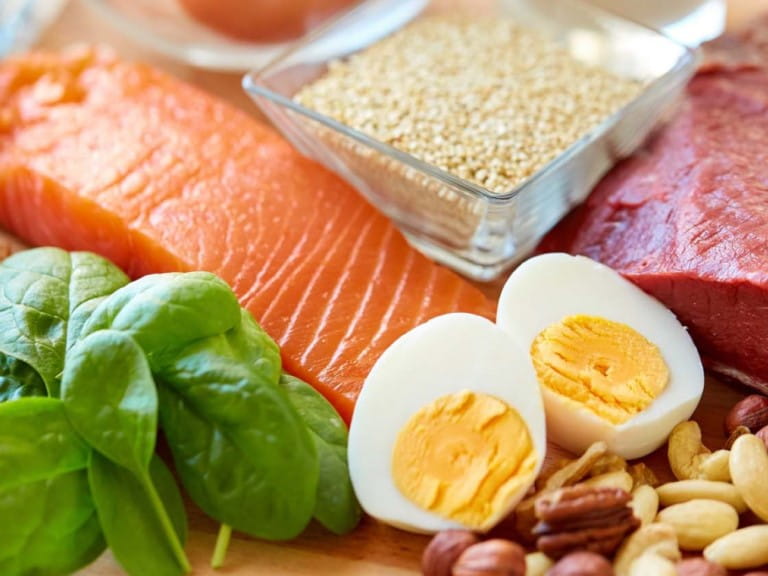
Everything you need to know about protein, from how it benefits your body to the best high-protein foods – and how much you really need.